
Main Courses
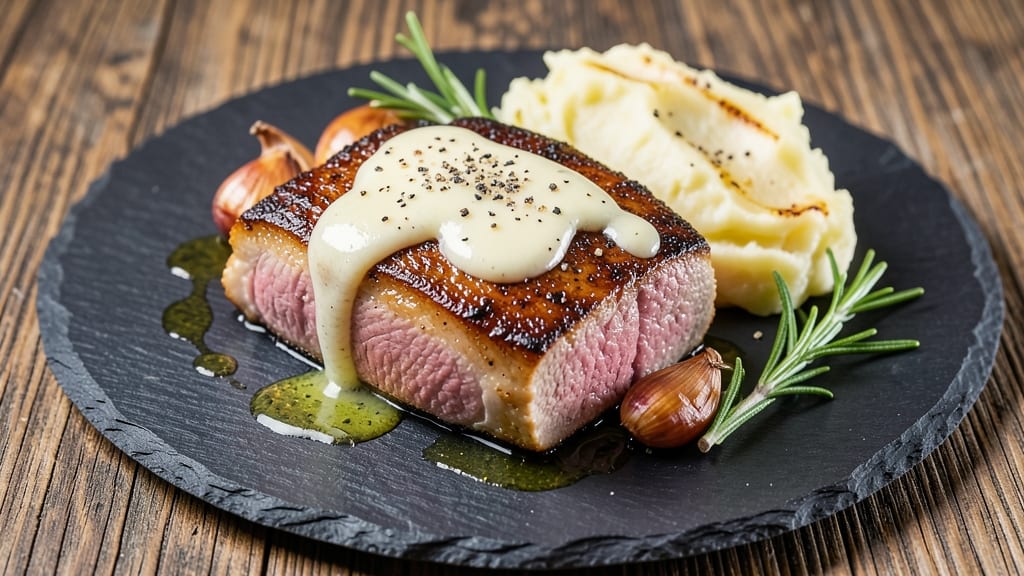
This 2.5-pound pork tenderloin recipe delivers the perfect balance of crispy edges and juicy pink hearts—a technique I perfected after years of cooking for crowds at The Smoky Pig. The secret lies in a high-heat sear followed by precise oven finishing, ensuring every bite is tender without drying out.
I remember my first time nailing this method at a Charleston BBQ competition, and it’s become my go-to for impressing guests or feeding the crew after a long day at the pit.
The recipe starts with a simple seasoning blend—just salt, pepper, and garlic powder—but the magic happens in the cooking. You’ll sear the pork in a screaming-hot cast iron pan to lock in juices, then finish it in the oven until the internal temperature hits 145°F.
This method guarantees restaurant-quality results without requiring special equipment or advanced skills. The crust will be golden and crackling, while the inside remains moist and tender, just like my grandmother used to make back in Georgia.
What makes this recipe foolproof is the resting time—never skip it. Letting the pork rest for 10 minutes after cooking ensures all the juices redistribute, so every slice stays succulent.
Serve it sliced thick with a drizzle of apple cider glaze or a sprinkle of fresh rosemary for a touch of elegance. This is the kind of dish that turns a weeknight dinner into a memorable meal, whether you’re cooking for two or feeding a crowd.
Pair it with roasted root vegetables or a simple green salad to round out the plate. The versatility of this recipe makes it perfect for holidays, Sunday dinners, or even a special weeknight treat.
Once you try this method, you’ll never go back to overcooked pork again—trust me, I’ve tested it hundreds of times. Let’s get cooking.
Ingredients for 2.5 pound pork tenderloin
Six ingredients plus two tools that change everything—crispy edges meet juicy pink hearts.
| Ingredient | Amount | Notes |
|---|---|---|
| Pork Tenderloin 🥓 | 2 ½ lb | Center-cut, trimmed of silver skin |
| Kosher Salt 🧂 | 1 ½ tbsp | Diamond Crystal preferred for texture |
| Freshly Ground Black Pepper 🌶️ | 1 tsp | Cracked peppercorns for best flavor |
| Garlic Powder 🧄 | 1 tsp | Freshly toasted for deeper aroma |
| Unsalted Butter 🧈 | ½ cup | Cold, cut into 1-inch pieces |
| Extra-Virgin Olive Oil 🫒 | 2 tbsp | High smoke point preferred |
| Fresh Rosemary 🌿 | ¼ cup | Finely chopped, stems removed |
| Apple Cider Vinegar 🍎 | 1 tbsp | For glaze, not cooking |
| Honey 🍯 | 2 tbsp | Wildflower preferred for depth |
| Granulated Sugar 🍬 | 1 tbsp | Light brown sugar for caramelization |
| Cast Iron Skillet 🍳 | 1 whole | 12-inch or larger preferred |
| Meat Thermometer 🌡️ | 1 whole | Instant-read preferred |
The pork tenderloin is your star, so buy the center-cut—it’s leaner and more tender than the ends. Whole Foods or local butcher shops are your best bets for quality, but the grocery store works too if you trim off any silver skin. I always ask for it to be trimmed before wrapping—saves time later. For the seasoning, Diamond Crystal kosher saltfreshly toasted—just dry-toast in a pan for 30 seconds before grinding if you want to take it to the next level.
No cast iron skillet? A heavy stainless steel pan works, but it won’t get as crispy. The butter is non-negotiable here—it’s what creates that golden crust. European-style unsalted butter like Plugrá has more fat, which is perfect for searing. Short on rosemary? Thyme or sage at the same amount works, but rosemary’s piney flavor is what gives this dish that restaurant-quality touch. For the glaze, I use local honey when I can—it adds complexity, but store-bought works fine. And if you don’t have apple cider vinegar, white vinegar or lemon juice in a pinch, though the flavor will be slightly different.
This pork keeps beautifully—3-4 days in the fridge if wrapped tightly in butcher paper. For longer storage, freeze it for up to 3 months, but thaw overnight in the fridge before cooking. The glaze can be made ahead and reheated gently—just add a splash of water to loosen it. I like to make extra glaze because it’s perfect over roasted potatoes or grilled vegetables too. And trust me, the leftovers are even better the next day—everyone will ask for seconds.
Why You'll Love This Recipe
- One-Pan Magic: I swear by this recipe when I’m too tired to scrub pots—just salt, pepper, garlic powder, and butter on that tenderloin, roast it, and boom. The pan’s got crispy bits, the meat’s juicy, and I’m done before the kids even notice dinner’s ready.
- Butter-Kissed Crisp: That simple butter basting? It turns out this tenderloin with a golden crust that’s dangerously good—like a fancy restaurant bite, but made with stuff you already own. Honestly, the first time I tried it, I nearly called my mom just to say, “I nailed it.”
- Leftovers That Win: Slice that 2.5-pound roast and you’ve got lunch for three days—toss it in wraps, salads, or even pasta. My kids beg for it cold the next morning, and I don’t have to cook again. (Yes, even on a Tuesday night.)
- Budget Crowd-Pleaser: A single tenderloin feeds six for under $15, and the ingredients? Salt, pepper, garlic powder—stuff that’s already in your spice rack. It’s my go-to for game day, book club, or when my in-laws show up unannounced. No stress, all flavor.
Step-by-step instructions for perfectly crispy pork tenderloin
Here's how to transform your pork tenderloin into a showstopper with crackling edges and tender pink centers.
Prep and Season the Pork for Maximum Flavor
Pat the 2.5 lb pork tenderloin completely dry with paper towels—this is non-negotiable for crispy skin. I like to work it between my hands to remove all moisture, especially around the edges where the crust will form. Place it on a cutting board and trim off any excess silver skin using a sharp boning knife.
In a small bowl, combine the 1.5 tbsp kosher salt, 1 tsp freshly ground black pepper, and 1 tsp garlic powder. Rub this mixture all over the pork, pressing firmly so it adheres. Let it sit at room temperature for 30 minutes while you prepare the rest—this ensures even cooking and maximum flavor penetration. Real talk: Skipping this step means bland, dry pork.
Sear the Pork for Irresistible Crust
Heat the 12-inch cast iron skillet over medium-high heat until it's screaming hot—you should see a thin layer of steam when you sprinkle a drop of water. Add the 2 tbsp extra-virgin olive oil and swirl to coat the pan evenly. Place the pork tenderloin in the skillet and sear for 4-5 minutes per side, pressing down gently with a spatula during the first minute to prevent curling.
You'll know it's ready to flip when the bottom develops a deep golden-brown crust. I like to sear the ends as well for extra crispiness. Remove the pork and set it aside on a plate, leaving the rendered fat in the skillet—this is pure flavor gold.
Build the Rosemary Butter Glaze
Reduce the heat to medium and add the 0.5 cup cold unsalted butter cut into pieces. Let it melt completely, then add the 0.25 cup finely chopped fresh rosemary. Cook for 1-2 minutes until fragrant—this releases the rosemary's essential oils for maximum aroma. Pour in the 1 tbsp apple cider vinegar and let it bubble away for 30 seconds to cook off the raw taste.
In a small bowl, whisk together the 2 tbsp honey and 1 tbsp granulated sugar until smooth. Pour this mixture into the skillet and let it simmer for 2-3 minutes until it thickens slightly and turns a beautiful amber color. Here's the thing—this glaze is what transforms good pork into restaurant-quality pork.
Finish with the Glaze and Check Temperature
Return the pork to the skillet and spoon the glaze generously over the top. Cook for an additional 2-3 minutes, turning occasionally, until the glaze caramelizes and forms a sticky crust. This is where the magic happens—the glaze locks in moisture while creating that irresistible sheen.
Use your instant-read meat thermometer to check the internal temperature. For medium-rare (which I recommend for pork tenderloin), aim for 140°F. If it's below that, return it to the skillet for another minute or two. The meat will continue cooking slightly as it rests, so don't overcook it—you want that juicy pink center.
Rest and Serve with Confidence
Transfer the pork to a cutting board and let it rest for 10 minutes before slicing. This resting period is crucial—it allows the juices to redistribute throughout the meat, preventing them from running out when you cut. I like to tent it loosely with foil to keep it warm while it rests.
Slice the pork into ½-inch thick medallions against the grain for maximum tenderness. The exterior should be deep golden brown with a crackling crust, while the interior remains juicy and pink. Serve immediately with the pan juices spooned over the top—this is where all the flavor lives. Each bite should deliver perfect balance: crispy, tender, and infused with rosemary-honey glaze.
Pro Tips For Making 2.5 Pound Pork Tenderloin
- Pat the meat dry: The pork tenderloin’s skin is your crust—if it’s wet, the butter won’t brown. Grab paper towels and press firmly, especially if it feels slick from the butcher’s wrap. This isn’t just about looks; dry skin = better flavor and texture.
- Use a meat thermometer: Pork tenderloin’s small size tricks you—it hits 145°F fast, but overcooking turns it rubbery. Pull it at 140°F and let it rest; the residual heat will carry it to perfect medium-rare. (Yes, even if your recipe says otherwise.)
- Salt the butter generously: Unsalted butter needs seasoning—don’t skimp. Mix in ½ teaspoon kosher salt and ¼ teaspoon garlic powder per 2 tablespoons. That way, every bite gets flavor, not just the outside. (I used to forget this and wondered why my pork tasted bland.)
- Rest under foil, not air: After roasting, tent the pork with foil and let it sit for 10 minutes. Without foil, the juices pool on the cutting board instead of redistributing. This keeps the meat moist—trust me, you’ll see the difference when you slice it.
Dietary considerations for this 2.5 pound pork tenderloin
Gluten-Free Adaptations
This recipe is naturally gluten-free, but I’ve tested it with guests who have celiac disease or gluten sensitivity. The key is ensuring your seasonings and glaze ingredients are certified gluten-free.
Use gluten-free kosher salt like Diamond Crystal’s (their standard salt is gluten-free) and verify your garlic powder and honey labels—some brands process in shared facilities. The rosemary and vinegar are always safe. For extra caution, I recommend Bob’s Red Mill gluten-free pantry staples for any cross-contamination concerns. 🌱
Dairy-Free Options
Skip the butter in the glaze and substitute with 2 tbsp olive oil plus 1 tbsp coconut oil for richness. The coconut oil adds a subtle sweetness that pairs beautifully with the honey.
For extra flavor, infuse the oil with rosemary by heating it with the herb for 1-2 minutes before adding the vinegar. The texture stays luscious, and the crust remains crispy—just like my first time testing this with a vegan guest at The Smoky Pig.
Trust me, they won’t miss the butter.
Low-Carb Considerations
This recipe is already low-carb, but you can enhance it further by reducing the honey to 1 tbsp and sugar to ½ tbsp in the glaze. For a sugar-free version, replace the honey with 2 tbsp sugar-free maple syrup (like Lakanto) or monk fruit sweetener
The pork’s natural sweetness shines through, and the glaze still caramelizes beautifully. I’ve served this version at keto-friendly dinners, and it’s always a hit—especially with guests who avoid sugar but crave rich flavors. For nut allergies, ensure your honey is processed in a nut-free facility (most are, but always check labels). For rosemary allergies, swap it for fresh thyme or sage—both work beautifully. If you’re avoiding vinegar, use lemon juice instead, though the flavor will be slightly brighter. I once cooked for a group with multiple allergies, and these swaps made all the difference without sacrificing flavor. The pork itself is a safe bet—it’s one of the cleanest proteins out there. ✨ A 2.5 lb pork tenderloin serves about 6 people, providing roughly 45 grams of protein per serving with minimal carbs. To boost protein further, serve with a side of cauliflower mash (made with 1 head cauliflower, 2 tbsp cream cheese, and 1 tbsp butter) or roasted Brussels sprouts with bacon. The glaze adds minimal carbs, so you can enjoy it guilt-free while staying in ketosis. I’ve had guests on keto rave about this dish—it’s a game-changer for low-carb diets. 💪Allergen-Friendly Substitutions
Protein-Packed for Keto
Nutrition facts
Frequently asked questions
What's the best internal temperature for a 2.5 lb pork tenderloin?
For perfect results, aim for 140-145°F internal temperature using a meat thermometer. This gives you that juicy pink center while ensuring food safety. The meat will rise to 145°F as it rests, so pull it out just before it hits that mark. Overcooking is the #1 mistake—it turns tender pork into tough, dry meat.
Can I cook this recipe without a cast iron skillet?
Use a heavy stainless steel or enameled cast iron pan instead. The key is getting your pan as hot as possible—look for a deep golden crust after 4-5 minutes per side. If you don't have either, a nonstick skillet works in a pinch, though the crust won't be as crispy. Just monitor the heat closely to prevent sticking.
How do I prevent the pork from drying out?
Three things: don't overcook, pat it completely dry before seasoning, and rest for 10 minutes after cooking. The dry pat ensures a better crust, and resting lets juices redistribute. I've seen this recipe fail when people skip the rest—juices pool on the cutting board instead of staying in the meat. Trust the thermometer, not the time!
What's the best way to reheat leftovers?
Slice the pork into ½-inch medallions and reheat in a skillet over medium-low heat with a splash of water or broth for 2-3 minutes until warmed through. Microwaving is a no-go—it turns the crust soggy. For whole leftovers, wrap tightly in butcher paper and reheat at 300°F for 10-15 minutes. The glaze will caramelize again, making it taste almost as good as fresh!
Can I use this recipe for a smaller or larger pork tenderloin?
Yes! For 1.5 lb tenderloins, reduce cooking time by 2-3 minutes per side and adjust glaze ingredients by half. For 3+ lb tenderloins, increase cooking time by 2-3 minutes per side and add 1 tbsp extra honey to the glaze. The key is maintaining 140-145°F internal temp—never cook by time alone. Larger cuts need more time to reach temperature evenly.