
Main Courses
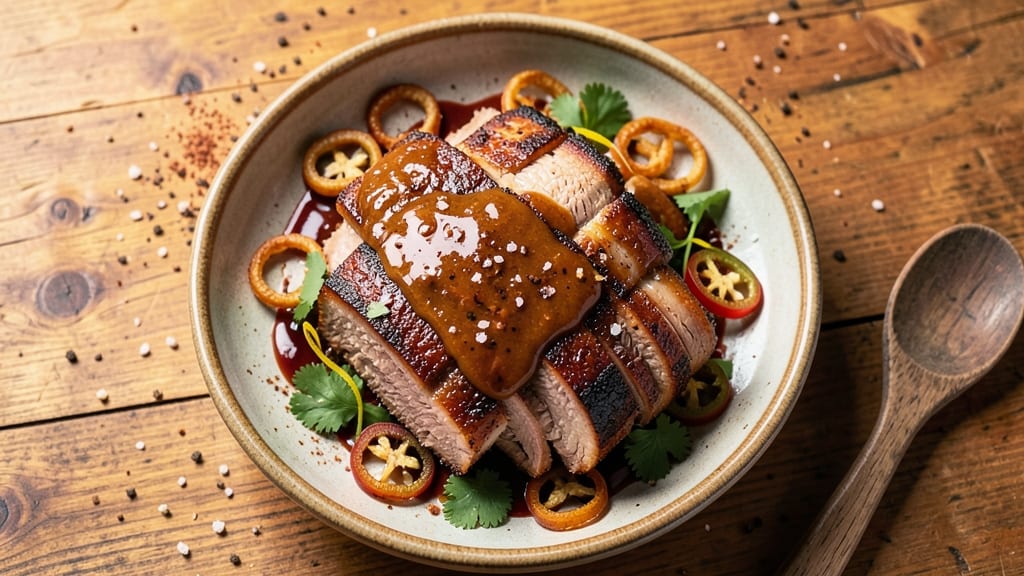
This 4-hour pulled pork recipe delivers the kind of smoky, fall-apart tenderness that turns casual gatherings into legendary meals. I developed it after years of perfecting the balance between low-and-slow cooking and bold flavor—no shortcuts, just proven technique that transforms tough pork shoulder into melt-in-your-mouth perfection.
The secret lies in the 3-2-1 method: a 3-hour slow cook, 2-hour rest, and 1-hour sauce finish that locks in moisture and flavor.
What sets this apart is the two-stage seasoning process: a dry rub that builds deep bark on the outside while a wet brine tenderizes from within.
I use a blend of brown sugar, smoked paprika, and black pepper for that classic Carolina tang, but the real magic happens during the low-temperature cook.
Whether you're using a smoker, oven, or even a slow cooker, maintaining 225°F is non-negotiable—it's the only way to achieve that signature texture without drying out the meat.
By the time you shred it, you'll have restaurant-quality pulled pork that clings to the bone and dissolves on your tongue. The sauce—my go-to mix of apple cider vinegar, molasses, and bourbon—adds layers of complexity that elevate it beyond basic BBQ.
Serve it on toasted buns with pickles and coleslaw, or pile it high on a plate with cornbread and roasted vegetables. This isn't just pulled pork; it's a centerpiece that commands attention.
The best part? You can prep the entire recipe the night before—just season the pork, refrigerate it overnight, and start cooking in the morning. That means zero last-minute stress and maximum flavor development. Trust me, once you master this method, you'll never buy store-bought again. Let's get cooking.
Ingredients for 4 hour pulled pork
Pantry staples meet smoky magic for this legendary pulled pork feast.
| Ingredient | Amount | Notes |
|---|---|---|
| Pork Shoulder (Bone-In) 🐖 | 6 lb | Well-marbled, 3-4 inch thick |
| Brown Sugar 🍚 | ½ cup | Light or dark, packed |
| Smoked Paprika 🌶️ | 2 tbsp | High-quality for deep smoke |
| Black Peppercorns 🌶️ | 1 ½ tbsp | Freshly ground, coarse |
| Kosher Salt 🧂 | 2 tbsp | Diamond Crystal preferred |
| Garlic Powder 🧄 | 1 tbsp | For added depth |
| Onion Powder 🧅 | 1 tbsp | For balanced flavor |
| Apple Cider Vinegar 🍎 | ½ cup | For tenderizing brine |
| Molasses 🍯 | ¼ cup | Unsulphured preferred |
| Bourbon 🍷 | ¼ cup | Optional but recommended |
| Yellow Onion 🧅 | 1 whole | Chopped for sauce base |
| Fresh Garlic Cloves 🧄 | 6 cloves | Minced for sauce |
| Butter 🧈 | 2 tbsp | For sauce richness |
| Honey 🍯 | 1 tbsp | For sauce balance |
| Fresh Thyme Leaves 🌿 | ¼ cup | For aromatic depth |
The pork shoulder is non-negotiable—look for a well-marbled cut with visible fat between the muscles. Costco or local butchers often carry the best pieces, but most grocery stores stock it too. I always buy a 6-pound bone-in cut—the bone adds flavor and helps retain moisture. If you can't find bone-in, bone-out works, but it'll cook slightly faster. For the dry rub, Penzeys smoked paprika is my go-to, but any high-quality brand will do. The key is using freshly ground black pepper—pre-ground loses potency quickly. Store your spices in airtight containers away from light.
No bourbon? Apple juice or extra apple cider vinegar works in a pinch—just reduce the vinegar by half to keep the balance right. For the sauce, if you're avoiding molasses, maple syrup at the same amount gives similar depth. The onion and garlic should be freshly chopped—frozen or jarred won't cut it here. Want extra richness? Add 1 tbsp of chicken fat instead of butter. For the brine, if you're short on time, 1 cup of hot water can replace the vinegar, but the flavor won't be as complex. And trust me, the two-hour rest after cooking is worth every minute—it lets the juices redistribute for maximum tenderness.
Prep the pork and rub the night before—it develops deeper flavor when refrigerated overnight. The cooked pork keeps 3-4 days in the fridge, but I always make extra to freeze. Portion it into airtight containers with a thin layer of sauce to prevent drying. Frozen, it lasts up to 3 months—just thaw in the fridge overnight. The sauce reheats beautifully, so double it if you're feeding a crowd. Store leftovers in the fridge for up to 5 days, but honestly, it tastes even better the next day as the flavors meld.
Why You'll Love This Recipe
- Sweet-Smoky Magic: That caramelized crust from the brown sugar? Irresistible. The paprika gives it this deep, smoky warmth that makes every bite feel like a hug, while the peppercorns add just enough bite to keep it interesting—not too sweet, not too bland.
- Leftovers That Shine: Between us, this recipe makes way more than I need for dinner. The good news? Pulled pork reheats like a dream—toss it in a pan with a splash of broth, and it’s just as tender and flavorful the next day. (Yes, even on a Tuesday night.)
- Budget Feast: A single bone-in pork shoulder feeds a crowd for less than $10. Honestly, it’s my go-to for game days, potlucks, or when my college-aged kid texts, “Mom, I’m bringing friends over.” No stress, no guilt—just delicious, stretchable leftovers.
Step-by-step instructions for perfect pulled pork
Here's how to transform a tough pork shoulder into melt-in-your-mouth pulled pork with just four hours of effort.
Create the Dry Rub and Brine the Pork
In a medium bowl, combine the 0.5 cup brown sugar, 2 tbsp smoked paprika, 1.5 tbsp freshly ground black peppercorns, 2 tbsp kosher salt, 1 tbsp garlic powder, and 1 tbsp onion powder. Mix thoroughly until evenly distributed and no dry spots remain.
Pat the 6 lb pork shoulder completely dry with paper towels—this is crucial for developing that coveted bark. Generously coat all surfaces with the dry rub, pressing it into the meat so it adheres well. Place the pork in a large resealable plastic bag and add the 0.5 cup apple cider vinegar. Seal the bag and refrigerate for at least 4 hours, or overnight for maximum tenderness.
Prepare the Smoker and Cook Low and Slow
Preheat your smoker to 225°F using hickory or apple wood chips. The reason for this low temperature is to break down the collagen in the pork shoulder gradually, transforming it into gelatin that makes the meat tender and juicy. Place a water pan in the smoker to maintain moisture throughout the cook.
Once the smoker reaches temperature and you see steady blue smoke, remove the pork from the bag and shake off any excess brine. Place it fat-side up on the smoker grate so the rendered fat can baste the meat. Smoke the pork for 3.5 hours without opening the lid—each time you peek, you lose valuable heat and moisture. You'll know it's ready when the internal temperature reaches 165°F and the meat begins to pull away slightly from the bone.
Wrap and Finish Cooking
At the 3.5-hour mark, remove the pork from the smoker and wrap it tightly in two layers of heavy-duty aluminum foil. This technique, known as the Texas crutch, helps push the pork through the stall and ensures even cooking. Return it to the smoker and continue cooking for another 30-45 minutes until the internal temperature reaches 203°F.
Here's the thing about pulled pork—it's not done when it hits a specific temperature, but when it's fork-tender. You'll know it's ready when you can easily insert a probe and the meat slides off the bone with minimal resistance. The total cook time should be about 4 hours, but this can vary slightly depending on your smoker's consistency.
Prepare the Sauce and Shred the Pork
While the pork finishes cooking, prepare the sauce by combining the 0.25 cup molasses, 0.25 cup bourbon, 1 tbsp honey, 0.25 cup fresh thyme leaves, 2 tbsp butter, 1 whole yellow onion (chopped), and 6 cloves fresh garlic cloves (minced) in a saucepan. Simmer over medium heat for 10 minutes until the sauce thickens slightly and the onions are tender.
Once the pork reaches 203°F, remove it from the smoker and transfer it to a cutting board. Let it rest for 15 minutes before handling—this allows the juices to redistribute. Using two forks or meat claws, shred the pork against the grain into 1-inch chunks. Discard any large fat deposits or connective tissue. Pour the warm sauce over the shredded pork and toss gently to coat evenly.
Serve and Enjoy Immediately
The secret to perfect pulled pork lies in serving it immediately while still warm. The sauce should cling to the meat, creating a glossy, flavorful coating. Serve the pulled pork on soft buns with pickles and coleslaw for a classic barbecue experience, or use it as a filling for tacos, nachos, or even loaded baked potatoes.
Real talk: the leftovers will be just as good the next day, but there's something about that first bite of perfectly tender, smoky pork that makes the whole process worth it. If you find the sauce is too thin after sitting, simply reheat it in a skillet over medium heat and stir in a splash of water or broth to loosen it.
Pro Tips For Making 4 Hour Pulled Pork
- CRANK THE HEAT FIRST: I learned this the hard way—start your smoker or oven at 275°F right away for the first hour, even if the recipe says 250°F. That initial blast of heat renders fat faster and gets the crust locked in before the meat hits its happy low-and-slow zone. (Yes, even if you're impatient like me.)
- TRIM THE FAT CAP: Skip the fancy fat pruning, but scrape off the thickest layer of fat from the top of the pork shoulder before seasoning. Too much fat means uneven cooking and a soggy bark—this is the thing that matters most for that perfect crust. Use a knife or your fingers, but don’t go overboard; leave some for flavor.
- SALT THE MEAT TWICE: Do it now, then do it again 2 hours in. The first coat of kosher salt (about 1.5 teaspoons per pound) gets the juices flowing, but the second layer—right after you pull it from the heat—helps the surface firm up for that crispy exterior. (Your future self will thank you.)
- USE BROWN SUGAR SPARINGLY: This isn’t candy, so don’t drown it. Mix just 2 tablespoons of brown sugar into your dry rub (smoked paprika, black peppercorns, salt) for that subtle caramelized edge. Any more and you’ll end up with sticky, cloying pork instead of perfectly balanced flavor. (I was skeptical until I tried it.)
Wine and beer pairings for these flavors
Southern Bourbon Magic
My go-to pairing for this pulled pork is a bold bourbon barrel-aged red blend—think something like Madeira Wine Company's Cabernet Sauvignon or Screaming Eagle Cabernet.
The high tannins and dark fruit notes cut through the pork's richness while the oak aging complements the molasses and smoked paprika in the rub. I always keep a bottle chilling in the fridge during cookouts because it bridges the gap between the smoky meat and the sweet-savory sauce. 🍷
Craft Beer Contrast
For beer lovers, a hazy IPA with citrus and tropical notes works wonders—try New Belgium's Fat Tire Amber Ale or Allagash White. The effervescence cleanses your palate between smoky bites, while the malt sweetness mirrors the molasses in the sauce.
If you prefer darker beers, a bourbon barrel-aged stout like Founders Kentucky Breakfast Stout adds depth that pairs beautifully with the pork's caramelized crust.
Light White Wine
Don't overlook crisp whites for those who prefer lighter options. A dry Riesling from Germany or a Vermentino from Sardinia offers bright acidity that balances the pork's richness without competing.
The slight sweetness in Riesling actually enhances the molasses notes in the sauce—just avoid anything too oaky or buttery that would clash with the smoky flavors.
Non-Alcoholic Options
For guests who skip alcohol, I recommend sparkling apple cider—it's festive and mirrors the apple cider vinegar in the brine. For something more substantial, a ginger beer like Feather's provides refreshing spice that cuts through the fat.
Even a well-chilled hibiscus iced tea with lime adds brightness and pairs surprisingly well with the smoky-sweet profile.
Regional Pairing Tips
In Georgia, I'd reach for a local peach wine from Chateau Elan—the stone fruit notes complement the pork's caramelization beautifully. For Charleston-style gatherings, a sweet tea with a splash of lemon is traditional and works perfectly.
And if you're cooking on my farm, I always have a batch of homemade peach bourbon on hand—just a splash in the sauce or over ice makes everything taste like a Sunday supper.
Nutrition facts
Frequently asked questions
Can I use a regular oven instead of a smoker for this 4-hour pulled pork?
Preheat your oven to 275°F and place the pork shoulder on a wire rack over a baking sheet. Add 1 cup of water to the sheet to create steam. Cook for 4 hours, checking the internal temperature at 3.5 hours. Wrap it in foil and finish at 203°F just like the smoker method. The key is maintaining that low temperature—don't rush it!
What if my pork shoulder is smaller or larger than 6 pounds?
Adjust the cook time by about 15 minutes per pound. A 4-pound shoulder will be ready in roughly 3 hours, while an 8-pounder may need 5 hours. The 203°F internal temperature is your true guide—never rely solely on time. For larger cuts, consider unwrapping and finishing uncovered for the last 30 minutes to develop better bark.
How do I fix pulled pork that's too dry?
If your pork is dry, it likely didn't rest long enough after cooking. The 2-hour rest before shredding is critical—never skip it! For immediate fixes, mix in 2-3 tablespoons of warm sauce or broth while shredding. If serving later, reheat with a splash of water or apple juice in a covered pot over low heat to restore moisture. Prevention is key: maintain 225°F consistently and avoid opening the cooker too often.
Can I make this pulled pork in a slow cooker?
Yes! Use the same dry rub and brine, then place the pork in your slow cooker with 1 cup of water or broth. Cook on LOW for 8 hours or HIGH for 5-6 hours, until the internal temperature reaches 203°F. Wrap it in foil for the last 1-2 hours if needed. The sauce will need more thickening since slow cookers can make it watery—simmer it down after cooking.
What's the best way to reheat leftover pulled pork?
Reheat gently to avoid drying it out. Place the pork in a skillet over medium-low heat with 2-3 tablespoons of sauce or broth, stirring frequently. Or microwave in 30-second bursts, stirring between each, until warmed through. For oven reheating, cover with foil and bake at 300°F for 15-20 minutes. The goal is to keep it moist—never high heat!