
Main Courses
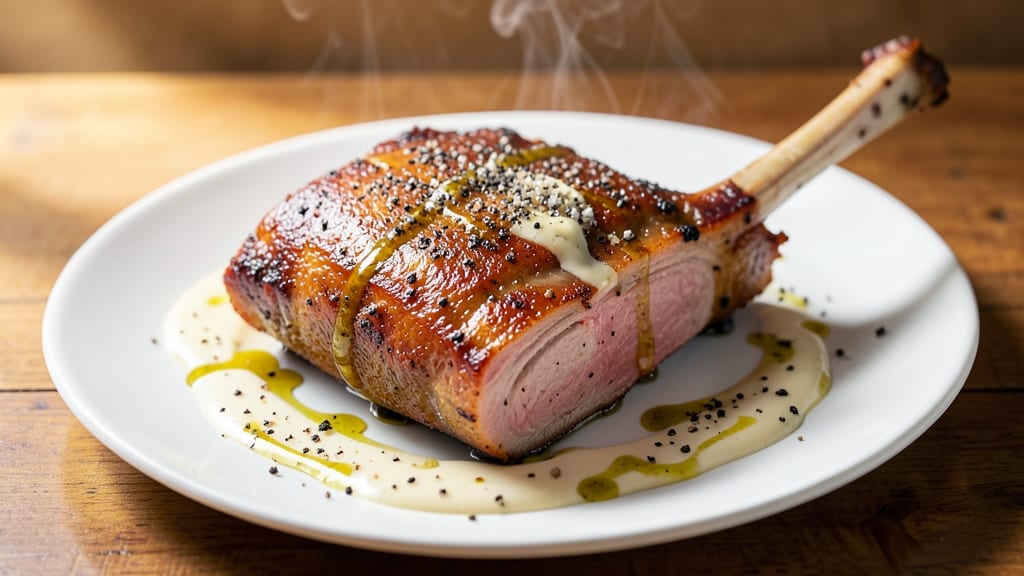
This 4-pound pork loin recipe delivers a restaurant-quality centerpiece with a crisp golden crust and tender pink hearts—exactly what transforms a weeknight into a special occasion. After years of perfecting this cut in my Atlanta kitchen, I've cracked the code for achieving that coveted contrast without drying out the meat.
The secret lies in a high-heat sear followed by precise internal temperature control, ensuring every slice stays juicy and flavorful.
The recipe begins with a simple yet effective seasoning blend of salt, pepper, and garlic powder, allowing the natural sweetness of the pork to shine through.
What sets this method apart is the two-stage cooking process: first, a searing in cast iron to develop that irresistible crust, then a gentle finish in the oven to carry the meat to perfection.
This approach ensures you'll never end up with dry, overcooked pork again—just melt-in-your-mouth tenderness with a satisfying bite.
By the time you're ready to plate, you'll have a beautifully seared pork loin with a caramelized exterior and perfectly pink centers, ready to be sliced against the grain for maximum tenderness.
The recipe accommodates a full 4-pound cut, making it ideal for family dinners or intimate gatherings where you want to impress without the fuss of complicated techniques. Pair it with roasted potatoes, a crisp green salad, or apple compote for a complete meal.
What makes this recipe particularly reliable is its built-in flexibility—whether you're working with a hot grill, a cast iron skillet, or your oven, the principles remain the same. The key is patience and attention to temperature, which I'll walk you through step by step to ensure foolproof results every time.
Here's everything you need to create a showstopping centerpiece that tastes as good as it looks.
Ingredients for 4 pound pork loin
Here's what transforms a simple pork loin into a showstopping centerpiece—juicy pink hearts with a crisp golden crust.
| Ingredient | Amount | Notes |
|---|---|---|
| Bone-In Pork Loin 🐖 | 4 lb | Center-cut, 1.5-inch thick |
| Kosher Salt 🧂 | 1 ½ tbsp | Diamond Crystal preferred |
| Freshly Ground Black Pepper 🌶️ | 1 tbsp | Cracked over meat |
| Garlic Powder 🧄 | 1 tbsp | Freshly toasted preferred |
| Unsalted Butter 🧈 | ½ cup | Cold, cut into 1-inch cubes |
| Extra-Virgin Olive Oil 🫒 | ¼ cup | High smoke point |
| Fresh Rosemary 🌿 | ¼ cup | Finely chopped, stems removed |
| Fresh Thyme 🌿 | ¼ cup | Leaves only, chopped |
| Yellow Onion 🧅 | 1 whole | Thinly sliced, for pan |
| Garlic Cloves 🧄 | 6 cloves | Smashed, for pan |
| Apple Cider Vinegar 🍎 | 2 tbsp | For pan deglazing |
| Fresh Parsley 🌿 | ¼ cup | Chopped, for garnish |
The pork loin is where it all begins. Look for a center-cut roast with visible fat cap—this ensures even cooking and maximum flavor. Publix or Whole Foods in the Southeast carry excellent quality, but your local butcher will have the freshest cut if you ask for it. The 1.5-inch thickness is critical for that perfect crust-to-juice ratio. If you can't find bone-in, use bone-out and increase oven time by 10 minutes. Freshly ground pepper is a must here—it releases more aroma than pre-ground, and the rosemary and thyme should be from the grocery's fresh herb section, not dried, for that bright, fresh flavor that carries through the cooking process.
No fresh rosemary? Dried works at one-third the amount, but trust me on the fresh version—it makes all the difference. Running out of apple cider vinegar? Red wine vinegar or lemon juice will work in a pinch, though the apple notes complement the pork beautifully. The butter needs to be cold for that perfect sear—take it out of the fridge 15 minutes before cooking. If you're using a nonstick skillet, add an extra tablespoon of olive oil to ensure that golden crust. The garlic powder can be swapped for minced fresh garlic, but toast it first in a dry pan for 30 seconds to deepen the flavor. And if you're feeling adventurous, add a pinch of smoked paprika to the seasoning blend for an extra layer of complexity.
This pork keeps beautifully—3-4 days in the fridge if wrapped tightly in butcher paper, or 3 months frozen. The crust will soften slightly when reheated, so always slice it fresh before serving. For make-ahead prep, season the pork the night before and refrigerate uncovered to let the spices penetrate deeper. The pan sauce can be made ahead too—just reheat gently and reduce if needed. Store it in a sealed container, and it'll keep for 5 days in the fridge. Leftovers? Thinly slice against the grain and serve on sandwiches or toss with roasted potatoes for a hearty hash.
Why You'll Love This Recipe
- One-Pan Magic: I swear by this—just salt, pepper, garlic powder, and butter. That’s it. No fancy gadgets, no chopping chaos, just a roast in the oven while I sip my coffee.
- Crispy-Creamy Perfection: The bone-in cut stays juicy inside while the edges get that golden, buttery crust. Honestly, the first time I sliced into it, my husband asked for seconds before I even sat down.
- Leftovers That Don’t Suck: This roast makes enough for lunches all week. I slice it thin, toss it in salads, or slap it on toast—it’s the kind of meal that turns into three more without effort.
- Budget-Friendly Feast: A four-pound pork loin feeds a crowd for less than takeout. Between us, this is my go-to for game nights or when my mom-in-law drops by—no stress, just flavor.
Step-by-step instructions for pan-seared pork loin
Here's how to create a restaurant-quality pork loin with a crispy crust and tender pink centers every time.
Prepare and Season the Pork Loin
Remove the pork loin from the refrigerator and let it sit at room temperature for 30 minutes—this ensures even cooking. Pat it completely dry with paper towels, especially around the bone, as moisture prevents proper browning. I like to press firmly to remove any lingering dampness that could steam the meat instead of searing it.
In a small bowl, combine the 1.5 tablespoons kosher salt, 1 tablespoon freshly ground black pepper, and 1 tablespoon garlic powder. Rub this mixture all over the pork loin, pressing it into the surface so it adheres well. Pay special attention to the bone side and edges, as these areas often get overlooked. Let the seasoned pork rest uncovered on a wire rack for 15 minutes—this helps the salt penetrate the surface and enhances flavor development.
Sear the Pork Loin to Develop Crust
Heat a heavy oven-safe skillet (like cast iron) over medium-high heat until very hot. Add the 0.25 cup extra-virgin olive oil and 0.5 cup cold unsalted butter, allowing them to melt and foam. Place the pork loin in the skillet, bone-side down first, and sear for 4-5 minutes until a deep golden-brown crust forms. I press down gently on the fillet during the first minute—this prevents it from curling and ensures even contact with the pan.
Flip the pork loin and sear the other side for another 4-5 minutes until equally browned. The butter should be bubbling vigorously and turning golden. If the butter starts to brown too quickly, reduce the heat slightly to prevent burning. Remove the pork loin and set it aside on a plate, leaving the rendered butter and onions in the pan.
Build Flavor with Aromatics and Vinegar
Add the thinly sliced yellow onion and 6 smashed garlic cloves to the skillet, spreading them evenly over the browned bits. Cook for 3-4 minutes until the onions soften and begin to caramelize. Here's the thing—don't stir constantly; let the onions brown in spots for maximum flavor. Pour in the 2 tablespoons apple cider vinegar and scrape up any browned bits from the bottom of the pan with a wooden spoon. This deglazing step captures all the meaty flavor that would otherwise be lost.
Simmer the vinegar mixture for 1-2 minutes until it reduces by half and the liquid clings to the pan. Remove the skillet from heat and let it cool slightly for 1 minute—this prevents the butter from burning when you return the pork loin to the pan.
Finish in the Oven for Perfect Doneness
Return the pork loin to the skillet and spoon the onion-garlic-vinegar mixture evenly over the top. Transfer the skillet to a preheated 425°F oven and roast for 15-20 minutes for medium-rare (internal temperature 130-135°F) or 20-25 minutes for medium (140-145°F). The pork is done when it reaches your desired temperature and the juices run clear when pierced with a meat thermometer.
I like to check the internal temperature at the 15-minute mark—your oven might run hot, so start checking early. Remove the pork loin from the oven and let it rest for 10 minutes before slicing. This resting period allows the juices to redistribute, ensuring each slice stays moist and flavorful.
Slice and Garnish for Presentation
Using a sharp carving knife, slice the pork loin into ½-inch thick slices, cutting against the grain for maximum tenderness. Arrange the slices on a warm platter and spoon any remaining pan juices over the top. Sprinkle with the 0.25 cup chopped fresh parsley and a final pinch of freshly ground black pepper for a pop of color and freshness.
Serve immediately with the crispy crust on top and juicy pink hearts inside. The pan sauce should coat each slice, delivering layers of caramelized onion, garlic, and vinegar that complement the rich pork. This method guarantees a pork loin that's both impressive and delicious—perfect for special occasions or weekend dinners.
Pro Tips For Making 4 Pound Pork Loin
- CRANK THE HEAT FIRST: That pork loin won’t brown properly if you start gentle—you need a screaming-hot pan for those first 2 minutes. After searing, drop to medium-low to finish cooking evenly, or you’ll end up with a sad, pale center. I learned this the hard way when my first batch looked like it was from a sad deli.
- SALT THE LOIN 24 HOURS EARLY: Generously coat that bone-in pork loin with kosher salt before you even think about cooking—this seasoning penetrates deeper than last-minute sprinkles. Trust me, the flavor difference is night and day, especially with the butter basting later. (Yes, I know it’s a pain to remember, but your taste buds will notice.)
- DON’T SKIP THE REST: Pull that pork loin off the heat at 140°F—it’ll climb to 145°F while resting, and cutting into it too soon means dry, stringy meat. Tent it with foil and let it sit for 5-10 minutes. I used to rush this, and my slices always felt tough until I stopped.
- USE COLD BUTTER: Take that unsalted butter straight from the fridge—cold butter bastes better and creates a richer crust than melted butter. Add a pinch of garlic powder while it’s melting, then spoon it over the loin in the last 5 minutes of cooking. It’s a little extra effort, but the flavor upgrade is worth it.
Flavor customization for these flavors
Herb-Infused Variations
Swap the rosemary and thyme for fresh sage and marjoram to create an Italian-inspired profile—these herbs pair beautifully with pork and add a subtle sweetness.
I like to finely chop ¼ cup fresh sage and ¼ cup marjoram leaves, then mix them with the garlic powder before rubbing onto the pork.
For extra depth, add 1 teaspoon fennel seeds to the seasoning blend, lightly toasted in a dry pan for 30 seconds—this adds a licorice-like aroma that complements the meat wonderfully. 🌿
Spicy Heat Options
For those who love heat, add 1 tablespoon smoked paprika and ½ teaspoon cayenne pepper to the seasoning blend. If you prefer a sweeter heat, mix 1 tablespoon gochujang into the pan sauce after deglazing with vinegar—this Korean-inspired twist adds umami and a gentle kick.
For a Carolina-style BBQ touch, finish the pork with 2 tablespoons BBQ sauce (like Sweet Baby Ray's) brushed on during the last 5 minutes of oven time. 🌶️
Sweet and Tangy Twists
Balance the richness of pork with a honey-mustard glaze—mix 2 tablespoons honey with 1 tablespoon Dijon mustard and brush it over the pork during the last 10 minutes of oven time.
For a Southeast favorite, add ½ cup apple cider to the pan sauce and reduce it by half before spooning it over the sliced pork.
If you're feeling adventurous, try a balsamic reduction—simmer ¼ cup balsamic vinegar in the pan after removing the pork, then drizzle it over the slices before serving. 🍯
Global Flavor Profiles
Transform this into a French-inspired pork loin by adding 1 teaspoon herbes de Provence to the seasoning and finishing with a shallot and white wine reduction—sauté 1 thinly sliced shallot in the pan after removing the pork, then deglaze with ¼ cup dry white wine and reduce.
For a Mexican twist, swap the apple cider vinegar for 2 tablespoons lime juice and add 1 teaspoon ground cumin to the seasoning. Top with pickled red onions and cilantro for a vibrant, zesty dish. 🌎
Nutrition facts
Frequently asked questions about cooking a 4-Pound pork loin
How do I know when my 4-pound pork loin is fully cooked?
Use a meat thermometer to check the internal temperature—130-135°F for medium-rare (juicy pink centers) or 140-145°F for medium (warm pink). The juices should run clear when pierced, not red or pink.
Can I cook this recipe without a cast iron skillet?
Yes! Use a heavy stainless steel or enameled cast iron skillet—just preheat it thoroughly. If you don't have oven-safe cookware, transfer the seared pork to a baking dish after searing, then add the pan sauce and finish in the oven. The key is maintaining high heat for that crust.
What's the best way to slice a 4-pound pork loin for maximum tenderness?
Always cut against the grain (perpendicular to the muscle fibers) into ½-inch thick slices. Use a sharp carving knife and angle it slightly to avoid tearing the meat. For even slices, weigh the loin first—1 pound yields about 4-5 slices when cut this way.
How can I make this recipe ahead of time?
Season the pork the night before and refrigerate uncovered for deeper flavor penetration. Cook it fresh, then slice and store in an airtight container for 3-4 days. For leftovers, reheat gently in a skillet with a splash of broth or apple cider to revive the juices. Never microwave—it turns the meat rubbery.
What are the most common mistakes when cooking pork loin?
The top mistakes are: overcooking (dry meat), not resting (juices escape), and skipping the sear (loses flavor). Always let it rest 10 minutes before slicing, and never skip the high-heat sear—it's what creates that perfect crust.