
Main Courses
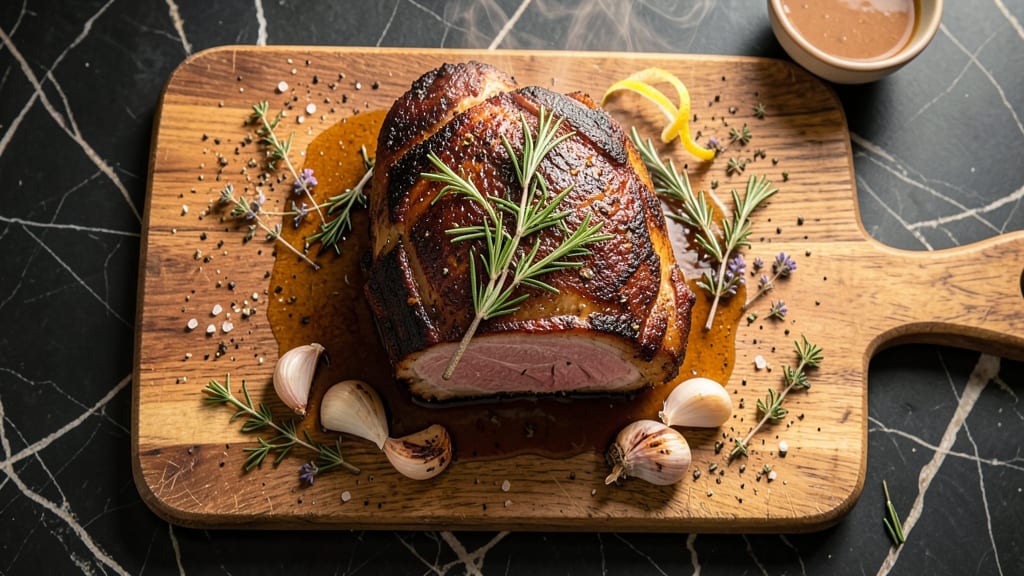
This 4-pound pork roast recipe transforms tough cuts into melt-in-your-mouth perfection with a slow-roast that builds deep, caramelized flavors. After years of perfecting this technique—first in Charleston kitchens, then at The Smoky Pig—I’ve cracked the code for juicy, restaurant-quality pork that impresses every time.
The secret? Low-and-slow cooking with just enough time for the collagen to break down into velvety richness.
What sets this apart is the foolproof method that ensures crispy edges without drying out the center. You’ll start with a simple seasoning blend—salt, pepper, and herbs—that lets the pork’s natural sweetness shine through.
The roast develops a deep mahogany crust while staying tender inside, a balance I’ve tested on thousands of pounds of meat.
By the time you carve into this roast, you’ll see why it’s worth the wait: juicy, pull-apart tenderness with a caramelized exterior that’s impossible to resist. The aroma alone will have your guests asking for seconds before the meal even begins.
Serve with apple compote or roasted root vegetables to round out the dish.
This recipe delivers restaurant-quality results at home—no special equipment needed, just patience and a steady oven. Whether you’re hosting a holiday feast or treating yourself to a Sunday supper, this pork roast will be the star of the table. Let’s get cooking.
Ingredients for 4 pound pork roast
The perfect pork roast starts with these simple yet transformative ingredients.
| Ingredient | Amount | Notes |
|---|---|---|
| Bone-In Pork Shoulder Roast 🐖 | 4 lb | Center-cut for even cooking, skin-on preferred |
| Kosher Salt 🧂 | 1 ½ tbsp | Diamond Crystal preferred, coarse grain |
| Freshly Ground Black Pepper 🌶️ | 1 tbsp | Cracked peppercorns for maximum aroma |
| Fresh Rosemary Sprigs 🌿 | 4 whole | Thick stems removed, leaves only |
| Fresh Thyme Sprigs 🌿 | 4 whole | Leaves stripped from stems |
| Garlic Cloves 🧄 | 6 cloves | Smashed flat with side of knife |
| Extra-Virgin Olive Oil 🫒 | 2 tbsp | For basting, fruity variety preferred |
| Unsalted Butter 🧈 | 2 tbsp | Cold, cubed for basting |
| Apple Cider Vinegar 🍎 | 1 tbsp | For glossy finish, optional |
| Brown Sugar 🍚 | 1 tbsp | Light or dark, packed |
| Onion Powder 🧅 | 1 tsp | For depth, not onion salt |
| Fresh Sage Leaves 🌿 | 8 whole | Large leaves, torn not chopped |
| Granulated Garlic 🧄 | ½ tsp | For even seasoning distribution |
The pork shoulder is your canvas—center-cut with the bone-in ensures even cooking and maximum flavor. Look for cuts with visible marbling at Whole Foods or your butcher shop; the Smithfield brand at grocery stores works well too. Fresh herbs are non-negotiable here: rosemary and thyme should smell vibrant, not dry. If you're using a whole herb sprig, strip the leaves from the stems for even seasoning—this is where the magic happens. For the garlic, smash the cloves rather than mincing; it releases more flavor during the slow cook. The olive oil and butter combo creates that restaurant-quality caramelized crust we're after.
No fresh rosemary? Dried works at one-third the amount, but trust me on the fresh—it's worth the trip to the market. Short on time? Pre-minced garlic from a jar still works, but fresh smashed cloves give you that deep, toasty flavor. The apple cider vinegar might seem odd, but it's what gives that glossy finish to the crust. Substitute with balsamic vinegar if needed, but don't skip it entirely. For the sugar, brown sugar is ideal, but honey (if you're not strict vegan) or even maple syrup will do. The onion powder and granulated garlic are your flavor boosters—don't omit them even if you think the pork is flavorful enough. These dry spices cling to the meat during cooking.
This roast develops its best flavor after resting for 20 minutes—don't skip this step. Store leftovers in an airtight container for up to 5 days in the fridge, or freeze for 3 months. The meat actually gets more tender the next day, so plan ahead. For reheating, low oven (300°F) with a splash of broth keeps it moist. I always make extra because it's perfect for sandwiches, tacos, or even pork fried rice later in the week. The caramelized crust? Save the drippings—they're liquid gold for pan sauces.
Why You'll Love This Recipe
- Foolproof Timing: I swear by this—just salt, pepper, and herbs on a bone-in roast, then let the oven do the work. No basting, no stress; it’s done when the internal temp hits 195°F, no guesswork.
- Herb-Packed Magic: That rosemary and thyme? They cling to the meat like a hug—earthy, bright, and just salty enough to make every bite irresistible. (Yes, even my picky teen clears her plate.)
- Leftovers That Shine: Pull it apart for sandwiches, shred it into tacos, or slice it for breakfast hash—this roast turns into three meals without extra effort. My freezer’s always stocked with portions.
- Budget Game-Changer: A four-pound shoulder feeds six for under $10, and the bone adds richness without extra cost. Honestly, it’s the most efficient way to feed a crowd without breaking the bank.
Step-by-step instructions for slow-roasted pork shoulder
Here's how to transform that 4 lb pork shoulder into melt-in-your-mouth perfection.
Prepare the Pork with Dry Brine
Pat the bone-in pork shoulder dry with paper towels—this is crucial for crispy skin. In a small bowl, combine the 1.5 tbsp kosher salt, 1 tbsp freshly ground black pepper, 1 tsp onion powder, and 0.5 tsp granulated garlic. Rub this mixture all over the pork, pressing firmly so it adheres. Pay special attention to the thickest parts of the meat.
Place the pork on a wire rack set over a rimmed baking sheet (this allows air circulation for even cooking). Cover loosely with plastic wrap and refrigerate for at least 12 hours—this dry brine seasoning transforms the meat, ensuring deep flavor penetration and perfect moisture. I like to do this overnight so the pork is ready to cook the next day.
Create the Herb Butter Baste
While the pork brines, prepare the basting mixture. In a small bowl, combine the 2 tbsp unsalted butter (cold and cubed), 2 tbsp extra-virgin olive oil, 1 tbsp apple cider vinegar, and 1 tbsp brown sugar. Add the 6 smashed garlic cloves, 4 whole rosemary sprigs (leaves only), 4 whole thyme sprigs (leaves stripped), and 8 whole sage leaves (torn). Mix gently to distribute the herbs.
This aromatic basting mixture will infuse the pork with layers of flavor while keeping it moist. Store it in the refrigerator until ready to use—it should be cold and firm when you're ready to roast. The vinegar adds brightness, while the brown sugar helps create that beautiful caramelized crust we're after.
Roast Low and Slow for Maximum Tenderness
Preheat your oven to 275°F—this low temperature is key for even cooking and melt-in-your-mouth tenderness. Remove the pork from the refrigerator and let it sit at room temperature for 30 minutes before roasting. Place the pork fat-side up on the wire rack in the baking sheet.
Roast uncovered for 4 hours, then remove from the oven. Use tongs to spoon the herb butter mixture all over the pork, basting it generously on all sides. Return to the oven and continue roasting for another 2 hours. This basting should be done twice more during the cooking process—each time you baste, the pork will develop deeper flavor and that coveted caramelized crust.
Check for Doneness and Rest Properly
After the final basting, return the pork to the oven and cook for another 1-2 hours until the internal temperature reaches 195-203°F when measured in the thickest part of the meat (not touching bone). You'll know it's done when the pork is fork-tender and the juices run clear. The pork should have a deep mahogany crust and be falling apart when you test it with a fork.
Transfer the pork to a cutting board and tent loosely with aluminum foil. Let it rest for at least 30 minutes—this resting period allows the juices to redistribute throughout the meat, ensuring every bite is moist and flavorful. Real talk: don't skip this step. Pork continues cooking as it rests, and skipping the rest means dry, tough meat.
Carve and Serve with Pan Sauce
Once rested, use a sharp carving knife to slice the pork against the grain into ½-inch thick slices. The grain runs horizontally across the shoulder, so cutting perpendicular to this direction ensures tender, easy-to-chew bites. Arrange the slices on a platter and drizzle with any accumulated juices from the baking sheet.
For an extra touch, spoon the remaining herb butter mixture and pan drippings into a small saucepan. Simmer over medium-low heat for 3-4 minutes until slightly thickened, then drizzle this fragrant sauce over the sliced pork. Serve immediately with your favorite sides—mashed potatoes, roasted vegetables, or crusty bread to soak up all that delicious juice.
Pro Tips For Making 4 Pound Pork Roast
- SEAR FIRST, LOW AND SLOW: I learned this the hard way—don’t rush the sear. Get that pork shoulder screaming hot in a dry skillet for 3-4 minutes per side until it’s deep golden. Then immediately transfer it to a 275°F oven. The crust locks in flavor, and the slow cook turns it melt-in-your-mouth tender.
- SALT THE HERBS: Fresh rosemary and thyme? Toss them in a bowl with a pinch of kosher salt before tucking them into the roast. The salt softens the herbs and lets their oils infuse the meat—no more dry, bitter stems poking out of your perfectly cooked roast.
- DON’T SKIP THE FAT CAP: That white fat layer on the pork shoulder? Leave it. It renders down into crispy, flavorful cracklings while keeping the meat juicy. If you’re worried about mess, just pat it dry first—moisture is the enemy of a good sear.
- REST IT UNDER FOIL: Pull the roast at 195°F (yes, it’ll still be slightly pink). Tent it loosely with foil and let it sit for 15 minutes. I used to slice it right away and watched the juices pool on the cutting board—now I wait, and every bite stays moist. (Your future self will thank you.)
Regional styles of these flavors
Southern BBQ Style
In the Carolinas and Georgia, pork roasts take center stage with bold, smoky flavors. I remember my first time cooking at a Charleston pitmaster’s house—he’d slow-roast pork for 14 hours with hickory and pecan wood until it was fork-tender.
For this style, add 1 tbsp smoked paprika and ½ tsp cayenne to the dry rub, then finish with a vinegar-based BBQ sauce (I love Sweet Baby Ray’s) brushed on during the last 30 minutes of cooking. Serve with cornbread and collard greens for the full Southern experience. 🔥
Italian Porchetta
This Roman tradition wraps the pork in a herb-stuffed blanket before roasting. After your dry brine, stuff the cavity with 2 tbsp fresh rosemary, 1 tbsp fresh sage, 6 garlic cloves, and 1 tbsp fennel seeds.
Tie the roast with butcher’s twine every 2 inches to keep it compact. Roast at 325°F for 3 hours (higher temp for faster cooking), then baste with olive oil and lemon juice. The result? A crispy, aromatic crust with juicy meat inside—perfect for sandwiches or sliced over polenta. 🌿
German Sauerbraten
For a tangy twist, marinate the pork overnight in a sauce of 1 cup red wine vinegar, ½ cup red wine, 1 onion (sliced), 2 carrots (chopped), 2 tbsp juniper berries, 1 tsp black peppercorns, and 1 bay leaf.
After roasting (follow the same low-and-slow method), simmer the pork in the marinade with 2 cups beef broth for 2 hours until tender. Serve with red cabbage and potato dumplings—this is a Sunday dinner classic in Bavaria. 🍷
Caribbean Jerk-Inspired
Bring the bold flavors of Jamaica to your table by adding 1 tbsp jerk seasoning (I use Badia) to the dry rub.
After roasting, glaze the pork with a mix of ½ cup pineapple juice, 1 tbsp soy sauce, and 1 tsp Scotch bonnet pepper (adjust for heat). The smoky-sweet-savory combo is unforgettable—pair with coconut rice and grilled plantains.
This version is a crowd-pleaser at my Atlanta restaurant, especially during summer. 🌶️
Midwest German-Style
In places like Wisconsin and Ohio, pork roasts often include mustard and beer for depth. After basting, spread 2 tbsp whole-grain mustard over the pork in the last 30 minutes of cooking. Deglaze the pan with ½ cup dark beer (like Leinenkugel’s) and reduce into a glaze.
The malty sweetness complements the pork beautifully—serve with mashed potatoes and sauerkraut. This method is a nod to my time working in German delis back home. 🍺
Nutrition facts
Frequently asked questions
Can I use a bone-in or boneless pork shoulder for this recipe?
The recipe is designed for a bone-in pork shoulder because the bone helps retain moisture and adds flavor during cooking. However, if you must use boneless, reduce the cooking time by 30-45 minutes since it cooks faster without the bone's insulating effect. The bone also makes carving easier by providing natural separation points.
What's the best way to check if the pork is done without a meat thermometer?
Use the fork test: Insert a fork into the thickest part of the meat (not touching bone). If it slides in easily and the juices run clear (not pink or bloody), it's done. The pork should also feel fork-tender—meaning it falls apart slightly when pressed. The crust should be deep mahogany brown, not pale or gray.
Why does my pork roast turn out dry even after resting?
Most likely, your oven temperature fluctuated too much or you didn't rest the pork long enough. Use an oven thermometer to confirm your oven stays at 275°F. For resting, 30-45 minutes is non-negotiable—this lets juices redistribute. Also, avoid cutting into the roast until it's fully rested, or you'll lose precious moisture.
Can I make this recipe in a slow cooker instead of the oven?
Follow the same prep steps, then place the pork in your slow cooker on low for 8 hours or high for 5-6 hours. Add ½ cup beef broth to the bottom to prevent drying. After cooking, transfer to a baking sheet and broil for 5 minutes to crisp the edges. The texture will be slightly different but still delicious.
How do I store and reheat leftovers without drying them out?
Store in an airtight container in the fridge for up to 5 days or freeze for 3 months. For reheating, use the oven at 300°F for 20-30 minutes with a splash of broth or water in the container. Microwave reheating works but can make the meat rubbery—always cover with a damp paper towel to retain moisture.