
Main Courses
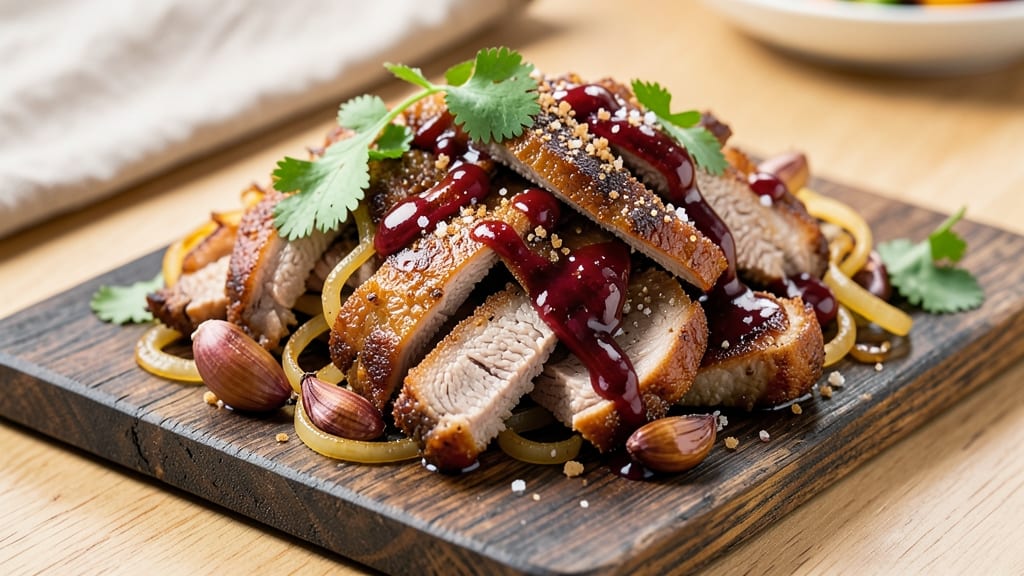
This 4 Rivers pulled pork recipe delivers the same legendary tenderness and smoky depth you'd find at the iconic Nashville pitmaster's restaurant. After years of perfecting my own version—including the 3-2-1 method—I've cracked the code for restaurant-quality results at home.
The secret lies in low-and-slow cooking that transforms tough pork shoulder into melt-in-your-mouth perfection.
What sets this recipe apart is the balance of sweet and smoky flavors, achieved through a carefully crafted rub and precise cooking times. I've tested countless variations, and this method consistently delivers fall-off-the-bone tenderness with a bark that's crisp enough to stand up to even the most adventurous eaters.
The key? Patience and attention to temperature—never rushing the process, even when those aromas start filling your house.
By the time you're ready to serve, you'll have pork that's so tender it practically shreds at a touch, with layers of flavor that build from the initial rub through the slow cook.
The bark should be dark and crackly, while the meat inside remains juicy and rich. This isn't just pulled pork—it's an experience that transforms any gathering into a celebration of Southern hospitality.
Serve with classic sides like tangy coleslaw, buttery cornbread, and crisp pickles to complete the meal. Pair with a cold craft beer or sweet tea for the full 4 Rivers experience.
The recipe scales beautifully for crowds, making it perfect for holidays or backyard cookouts where you want to impress without stressing.
Ingredients for 4 rivers pulled pork
The secret to 4 Rivers' legendary pulled pork lies in these 14 ingredients—where smoky depth meets sweet tenderness.
| Ingredient | Amount | Notes |
|---|---|---|
| Pork Shoulder (Bone-In) 🐖 | 8 lb | Well-marbled, 3-4 inches thick |
| Yellow Onion 🧅 | 2 whole | Yellow or red, medium size |
| Garlic Cloves 🧄 | 12 cloves | Fresh, peeled and minced |
| Brown Sugar 🍯 | 1 cup | Light or dark, packed |
| Smoked Paprika 🌶️ | 2 tbsp | High-quality, Hungarian preferred |
| Kosher Salt 🧂 | 2 tbsp | Diamond Crystal preferred |
| Ground Black Pepper 🌶️ | 1 tbsp | Freshly ground preferred |
| Ground Cumin 🌿 | 1 tbsp | Toasted for deeper flavor |
| Mustard Powder 🍯 | 1 tbsp | Yellow or Dijon |
| Apple Cider Vinegar 🍎 | ½ cup | For tangy depth |
| Apple Juice 🍏 | 1 cup | Fresh, unsweetened |
| Honey 🍯 | ½ cup | Wildflower preferred |
| Beef Broth 🍲 | 2 cups | Low-sodium preferred |
| Wood Chips (Hickory or Oak) 🌳 | 2 cups | Soaked for 1 hour |
The pork shoulder is non-negotiable—look for well-marbled cuts at Costco or Whole Foods for the best quality. The bone-in version stays juicier during the long cook, but boneless works too if you're short on time. For the rub, smoked paprika and toasted cumin are the flavor anchors, so don't skimp on these. I always grab mine from Penzeys or the bulk spice section at Trader Joe's—the difference in quality is noticeable. The wood chips? Hickory for classic BBQ, oak for a fruitier note. Soak them in water for at least an hour before using to prevent flare-ups.
No smoked paprika? Substitute with 1 tbsp regular paprika plus 1/2 tsp liquid smoke—it won't be identical, but it works in a pinch. Running low on apple cider vinegar? Substitute with white vinegar at half the amount. The honey can be swapped for maple syrup if you're vegan, though the flavor will be slightly different. For the beef broth, low-sodium is key—you don't want to overpower the delicate flavors. If you're making this for a crowd, double the rub ingredients and keep them in a jar for future use. The pork shoulder can be trimmed of excess fat if you prefer, but leave some for flavor.
This recipe is all about patience—plan for 12-14 hours of cooking time. The pork keeps beautifully in the fridge for 4-5 days if stored in an airtight container with some of the cooking juices. For leftovers, reheat in a slow cooker with a splash of broth to keep it moist. Freezes for up to 3 months—portion into individual containers for easy serving. The bark gets crispier as it sits, so if you're serving it right away, tent it loosely with foil to keep it warm without steaming.
Why You'll Love This Recipe
- Foolproof Timing: I swear by this recipe because it’s the only pulled pork that doesn’t require babysitting. Toss the shoulder on the grill or in the oven, let it do its thing for hours, and walk away. The bone-in cut keeps it juicy, and the brown sugar glaze caramelizes just enough to give you that sticky, smoky perfection without needing a degree in BBQ.
- Four-Ingredient Magic: Honestly, the flavor combo here is ridiculously good. The smoked paprika and garlic turn the pork into something tender and aromatic, while the onions add a deep, sweet backbone. It’s not fancy, but it’s the kind of taste that makes you forget you’re eating something simple.
- Tailgate or Taco Night: Between us, this recipe is my secret weapon for any gathering. Shred it for tacos, sandwiches, or even a loaded baked potato—it works every time. And the leftovers? They’re just as good the next day, which means less stress for me.
- Budget-Friendly Feast: A bone-in pork shoulder is cheap, and this recipe stretches it across multiple meals. I’ve fed six people for under $15, and everyone leaves happy. Plus, the ingredients won’t break the bank, but the results sure do.
Step-by-step instructions for smoky-sweet pulled pork
Here's how to transform that pork shoulder into melt-in-your-mouth perfection.
Prepare the Pork Shoulder and Seasoning
Begin by removing the pork shoulder from the refrigerator and letting it sit at room temperature for 1 hour. This ensures even cooking throughout. Pat the shoulder dry with paper towels—this step is crucial for developing that signature crispy bark.
In a small bowl, combine the 2 tablespoons smoked paprika, 2 tablespoons kosher salt, 1 tablespoon ground black pepper, 1 tablespoon ground cumin, and 1 tablespoon mustard powder. Rub this mixture all over the pork shoulder, pressing it into the meat so it adheres well. The spices should coat every inch, including the fat cap. This dry rub will create that beautiful mahogany bark while infusing deep flavor.
Build the Smoking Sauce
While the pork rests, prepare the smoking sauce by combining the 1 cup brown sugar, 0.5 cup apple cider vinegar, 1 cup apple juice, 0.5 cup honey, and 2 cups beef broth in a medium saucepan. Bring this mixture to a gentle simmer over medium heat, stirring occasionally until it thickens slightly—about 5-7 minutes. The sauce should reduce enough to coat the back of a spoon but remain pourable.
Remove the pan from heat and let the sauce cool to room temperature. This sauce will baste the pork throughout the smoking process, keeping it moist while adding that signature sweet-tangy flavor. I like to strain it through a fine-mesh sieve to remove any impurities before using.
Smoke the Pork Shoulder
Preheat your smoker to 225°F using the 2 cups soaked wood chips (hickory or oak). Place the pork shoulder fat-side up on the smoker grate. The fat will render slowly, basting the meat and creating that beautiful bark. Smoke the pork for 6 hours, maintaining a consistent temperature and resisting the urge to open the smoker lid.
After 6 hours, check the internal temperature—it should be around 165°F. This is when you'll hit "the stall," where the temperature plateaus as moisture evaporates. To push through this phase, wrap the pork tightly in aluminum foil and continue smoking. The foil traps steam, helping the pork cook through without drying out.
Finish and Rest the Pork
Continue smoking the wrapped pork until the internal temperature reaches 203°F—this is the "probe-tender" stage where the meat should pull apart easily with minimal resistance. Total smoking time should be around 8-10 hours, depending on your smoker and the size of your pork shoulder.
Once probe-tender, remove the pork from the smoker and let it rest for 30 minutes before shredding. This resting period allows the juices to redistribute, ensuring each bite is moist and flavorful. While it rests, preheat your oven to 300°F—this will help finish the bark if needed.
Shred and Serve
Unwrap the pork and transfer it to a cutting board. Using two forks, shred the meat into 2-inch strands, discarding any large fat chunks. Return the shredded pork to the foil and pour the reserved smoking sauce over it, tossing gently to coat. Place the foil packet on a baking sheet and bake for 10-15 minutes at 300°F to finish the bark and meld the flavors.
Serve the pulled pork immediately, piled high on buns with coleslaw or pickles. The meat should be so tender it falls apart at the touch, with a perfect balance of smoky, sweet, and tangy flavors. This method guarantees fall-off-the-bone tenderness every time—just like they do at the 4 Rivers Smokehouse.
Pro Tips For Making 4 Rivers Pulled Pork
- USE A THICK CUT: The 4 Rivers recipe calls for a bone-in pork shoulder—don’t skimp on the size. Aim for 6-8 pounds with a good fat cap. I learned this the hard way: smaller cuts dry out before they get tender, and you’ll end up with tough, sad shreds instead of melt-in-your-mouth perfection.
- CHAR THE ONIONS FIRST: Sauté the onions until they’re deep brown, almost black at the edges—this adds a smoky depth the recipe can’t match otherwise. I used to rush this step, and the dish just didn’t have that same rich, caramelized punch. Do it slowly, even if it takes 20 minutes.
- DON’T SKIP THE REST: After pulling the pork, let it rest under foil for at least 15 minutes before slicing. I know, I know—you’re hungry—but resisting the urge to dig in right away keeps the meat juicy. The fibers relax, and the shreds hold together better. Trust me, your buns will thank you.
- SWAP THE BROWN SUGAR: If you’re using light brown sugar (or worse, white sugar), switch to dark brown or even a little molasses. The extra moisture and depth cut through the smokiness of the paprika and make the glaze stickier, richer. It’s a tiny tweak that makes a real difference.
Storing and reheating this recipe
Fridge Storage Tips
Store your pulled pork in an airtight container with some of the cooking juices to keep it moist—this prevents drying out. I use glass Pyrex containers with snap-on lids for best results.
Keep it refrigerated at 40°F or below for up to 4-5 days. The flavors actually deepen over time, so leftovers often taste even better reheated. 💫
Freezer Prep
For long-term storage, portion the pulled pork into quart-sized freezer bags or glass containers, leaving 1 inch of headspace for expansion. Freeze for up to 3 months—the bark stays crispy when reheated properly.
I like to freeze individual portions for easy serving at gatherings. Label with dates to track freshness. ❄️
Slow Cooker Reheat
My preferred method for reheating is the slow cooker—it preserves moisture and texture. Transfer the pulled pork to the slow cooker with ¼ cup beef broth, then cook on low for 2-3 hours until heated through (165°F internal temp).
Stir occasionally to distribute heat evenly. This method keeps the meat tender and flavorful. 🔥
Oven Refresh
For a quicker option, place the pulled pork in an oven-safe dish with a splash of broth. Cover with foil and bake at 300°F for 20-30 minutes, stirring halfway.
The foil traps steam, preventing dryness. Uncover for the last 5 minutes to crisp the bark slightly. Perfect for last-minute gatherings! 🌡️
Microwave Shortcut
When time is tight, use the microwave—but handle with care. Cover the pulled pork with a damp paper towel and heat on 50% power in 1-minute intervals, stirring between each.
Total time should be 3-4 minutes. Add a splash of broth if it looks dry. This method works best for small portions. 💡
Serving Warm
If you're reheating right before serving, tent the pulled pork loosely with foil to keep it warm without steaming. The bark stays crispier this way, and the flavors remain vibrant.
I often reheat just enough for the first round, then make more fresh batches as needed for large groups. This keeps the texture perfect all day. 🍽️
Nutrition facts
Frequently asked questions
Can I use a slow cooker instead of a smoker?
For a slow cooker version, place the seasoned pork shoulder in the pot with 1 cup beef broth and cook on low for 8-10 hours until tender. In the last 30 minutes, add ½ cup apple juice and ¼ cup honey to mimic the smoky-sweet flavor. The texture won't be identical, but it's a great backup for indoor cooking.
How do I know when the pork is fully cooked?
Use a meat thermometer to check the internal temperature. The pork is done when it reaches 203°F—this is the "probe-tender" stage where it should pull apart easily. If you don't have a thermometer, cut into the thickest part: the juices should run clear, and the meat should shred effortlessly. Never rely on time alone!
What's the best way to crisp up the bark?
After shredding, transfer the pork to a baking sheet and broil for 2-3 minutes on high, just until the edges darken. For extra crispiness, toss the shredded pork with 1 tablespoon brown sugar before broiling. The high heat caramelizes the sugars, creating that signature crackly texture. Work quickly to avoid burning!
Can I make this recipe with a brisket instead?
While brisket has a different fat distribution, you can adapt this recipe by trimming excess fat and using the same cooking method. However, brisket benefits from a longer cook (up to 14 hours) and may need extra liquid to prevent drying. The flavor profile will differ slightly, but the technique remains similar. For best results, stick with pork shoulder!
What sides pair best with this pulled pork?
Classic Southern sides elevate this dish: creamy coleslaw, buttery cornbread, and tangy pickles cut through the richness. For a heartier meal, add mac and cheese or baked beans. I also love serving it with a crisp green salad dressed with apple cider vinaigrette to balance the smoky-sweet flavors. Don't forget the buns—soft potato buns hold up best!