
Main Courses
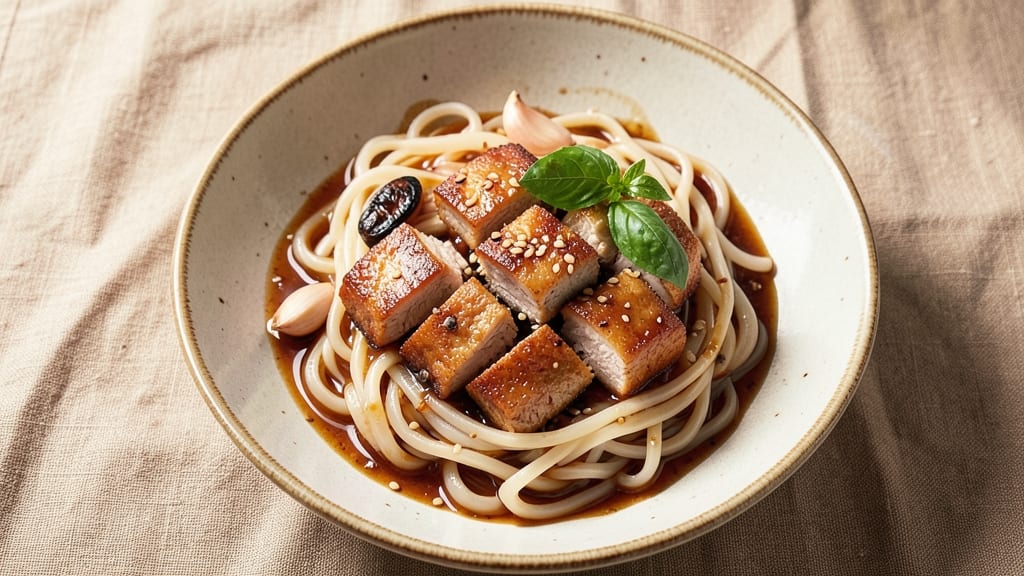
This Asian pork noodle bowl recipe delivers the perfect balance of textures—crispy pork bites over silky rice noodles, all blanketed in a savory-sweet sauce. I developed this dish after years of perfecting pork techniques, ensuring every element comes together seamlessly.
The secret lies in marinating the pork just right and achieving that signature crispiness without drying it out.
The beauty of this recipe is in its simplicity: tender pork, chewy noodles, and a sauce that ties everything together in one harmonious bite. We'll start with a quick marinade for the pork, then pan-fry it to golden perfection.
Meanwhile, the rice noodles soak up the sauce beautifully, creating a dish that's both restaurant-worthy and easy to replicate at home.
By the time you finish assembling this bowl, you'll have a meal that's packed with flavor and texture—crispy edges on the pork, tender noodles, and a sauce that's rich yet balanced.
It's the kind of dish that feels indulgent but comes together in under 30 minutes, making it perfect for weeknight dinners or weekend lunches.
Serve this bowl with fresh herbs for garnish and a side of pickled vegetables to cut through the richness. The combination of textures and flavors makes every bite satisfying, while the simplicity ensures you'll want to make it again and again.
Ingredients for asian pork noodle bowl
Crispy pork, silky noodles, and a sauce that ties it all together—just 15 ingredients for a restaurant-worthy bowl.
| Ingredient | Amount | Notes |
|---|---|---|
| Boneless Pork Shoulder 🥩 | 1 ½ lb | Cut into 1-inch cubes, marinated overnight |
| Rice Noodles 🍜 | 8 oz | Flat or round, uncooked weight |
| Soy Sauce 🥄 | ½ cup | Kosher or Diamond Crystal preferred |
| Honey 🍯 | ¼ cup | Wildflower for depth of flavor |
| Sesame Oil 🫒 | 1 tbsp | Toasted, not flavored |
| Garlic Cloves 🧄 | 6 cloves | Minced, fresh preferred |
| Fresh Ginger 🌿 | 2 tbsp | Grated, peeled, organic preferred |
| Vegetable Oil 🫒 | ½ cup | High smoke point for frying |
| Cornstarch 🌾 | 2 tbsp | For crispy pork coating |
| Green Onions 🧅 | ¼ cup | Sliced, for garnish |
| Sesame Seeds 🌰 | 1 tbsp | Toasted, for garnish |
| Red Bell Pepper 🍅 | 1 whole | Thinly sliced, for garnish |
| Lime Wedges 🍋 | 2 whole | For serving |
| Salt 🧂 | 1 tsp | Kosher or sea salt |
| Black Pepper 🌶️ | ½ tsp | Freshly ground |
The pork shoulder is where the magic happens. Look for well-marbled cuts at Whole Foods or your local butcher—the fat renders beautifully during cooking. Cutting it into even 1-inch cubes ensures consistent crispiness. I always marinate mine overnight in a mix of soy sauce, honey, and sesame oil, but if you're short on time, even 30 minutes makes a difference. Fresh ginger and garlic are non-negotiable here—they're the backbone of that savory-sweet balance. Organic ginger from the produce section has more punch, but regular works too.
No sesame oil? Toasted peanut oil at half the amount works in a pinch, though the flavor will be different. Running out of cornstarch? All-purpose flour works 1:1 for coating, but cornstarch gives that signature crispiness. The rice noodles should be flat or round—check the Asian aisle at Trader Joe's or H Mart for the best selection. If they're too thick, soak them in warm water for 5 minutes before cooking. And for the sauce? Reduce it by half if you prefer a more concentrated flavor—just simmer it uncovered for 5 minutes.
Marinated pork keeps 3 days in the fridge, but the sauce is best made fresh. Cooked noodles reheat beautifully—just toss with a splash of water and microwave for 30 seconds. For meal prep, store components separately: pork, noodles, and sauce. Assemble when ready to eat so the noodles stay chewy. The sauce thickens as it cools, so thin with a splash of water if needed. Leftovers keep 4 days in the fridge or 3 months frozen.
Why You'll Love This Recipe
- One-Pan Magic: I swear by this trick—just sear the pork shoulder in the same pan you’ll toss the noodles in later. No extra dishes, no stress. That caramelized crust on the pork? Happens while you’re chopping veggies.
- Sweet-Savory Balance: The honey and soy sauce create this addictive glaze that’s sticky, smoky, and just a little tangy. Drizzle it over the noodles, and suddenly you’ve got a bowl that tastes like takeout but costs way less.
- Meal Prep MVP: Between us, this is my go-to for busy nights. Cook the pork ahead, store the sauce separately, and when you’re starving? Toss everything together in minutes. Even my picky roommate devours it.
- Budget-Friendly Feast: Pork shoulder is cheap, rice noodles last forever, and a little sesame oil goes a long way. I feed four people for under $10, and there’s always leftovers for lunch the next day—no sad, wilted salads here.
Step-by-step instructions for crispy Asian pork noodle bowls
Here's how to create perfectly crispy pork bites paired with silky rice noodles in under an hour.
Prepare the Crispy Pork Bites
Pat the 1.5 lb boneless pork shoulder completely dry with paper towels—this is crucial for that golden crust. In a large bowl, combine the pork cubes with 2 tablespoons cornstarch, 1 teaspoon salt, and 0.5 teaspoon black pepper. Toss until every piece is evenly coated, shaking off any excess.
Heat 0.5 cup vegetable oil in a large skillet over medium-high heat until it shimmers at 350°F. Working in batches to avoid overcrowding, add the pork and cook for 3-4 minutes until golden brown and crispy on all sides. Transfer to a paper towel-lined plate to drain excess oil, but don't skip this step—the residual oil keeps the pork tender.
Create the Sweet-Savory Glaze
In a small saucepan, combine 0.5 cup soy sauce, 0.25 cup honey, 1 tablespoon sesame oil, 6 cloves minced garlic, and 2 tablespoons grated ginger. Bring to a gentle simmer over medium heat and let it reduce for 5-7 minutes until it thickens slightly and coats the back of a spoon. This glaze should be syrupy but still pourable—stir frequently to prevent burning.
Once thickened, remove from heat and set aside. Here's the thing—this glaze needs to coat the pork evenly, so don't rush the reduction. You want that perfect balance of sweet, salty, and umami that makes these bowls sing.
Cook the Rice Noodles
Boil 8 oz rice noodles according to package instructions in a separate pot of boiling water—usually 5-7 minutes until tender but still slightly firm. Drain immediately and rinse under cold water to stop the cooking process and prevent them from becoming mushy. Toss the noodles with 1 tablespoon sesame oil to keep them from sticking together.
Don't overcook the noodles—they'll continue cooking slightly when mixed with the hot pork and sauce. The ideal texture should be al dente, with just a tiny bite of resistance. This ensures they hold their shape while still being silky when eaten.
Assemble the Bowls
Divide the cooked noodles among four bowls. Arrange the crispy pork bites on top, then generously drizzle with the reduced glaze. The pork should be completely coated in that glossy sauce—this is where the magic happens. Sprinkle with sliced green onions, toasted sesame seeds, and thinly sliced red bell pepper for color and freshness.
Serve immediately with the 2 lime wedges on the side. The acidity cuts through the richness of the pork and sauce, balancing each bite perfectly. The contrast between the crispy pork, silky noodles, and tangy lime makes every mouthful unforgettable.
Pro Tips For Making Asian Pork Noodle Bowl
- Sear the Pork First: Hit that pork shoulder with a screaming-hot pan before anything else—no crowding, just 3-4 minutes per side until it’s deep brown. I used to skip this and ended up with bland, gray meat that tasted like it was cooked in its own juices. That crust? It’s what carries the soy-honey glaze and makes the whole bowl sing.
- Soak Noodles in Ice Water: Dump those rice noodles into boiling water, then immediately shock them in ice water for 30 seconds once they’re al dente. Sounds weird, but it works: the noodles stay firm, not mushy, and they’ll absorb the sauce like a dream instead of turning to glue. (Yes, even if you’re impatient like me.)
- Taste the Glaze Early: Mix your soy sauce, honey, and sesame oil, then taste it before tossing it with the pork. Too sweet? Add a splash of rice vinegar. Too salty? A pinch of sugar balances it. I learned this the hard way—once I dumped a glaze that was basically syrup on my pork, and it was a disaster. Adjust now, regret later.
- Rest the Pork Under Foil: Once the pork hits 145°F (or when it’s just pulling away from the edges), pile it on a plate, tent it with foil, and let it sit for 5 minutes. That resting time keeps it juicy instead of turning it into a chewy brick. I know, I know—you want to eat it now—but trust the process. Your bowl will thank you.
Pro cooking tips for this dish
Pork Texture Secrets
For that perfect crispy-yet-tender pork, I swear by the double-fry method—first at 325°F for 2 minutes to render fat, then cranking to 375°F for the final 3-4 minutes. This two-stage fry ensures the exterior gets crispy without drying out the inside.
I use a heavy-bottomed cast iron skillet (my Lodge 10.25-inch) because it maintains even heat distribution. 🔥
Never skip patting the pork dry before coating—even a little moisture will prevent that golden crust. I like to let the pork rest on a rack for 10 minutes after frying to let excess oil drain, but keep it warm in a 200°F oven while you finish the sauce.
This keeps the pork from getting soggy when assembling the bowls.
Sauce Reduction Mastery
The glaze should coat the back of a spoon but still be pourable—this is your sweet-spicy balance. I reduce mine on medium-low heat with a splash of 1 tablespoon water halfway through to help control the caramelization.
If it burns, start over—there's no coming back from that bitter flavor. 🌶️
For extra depth, I add 1 teaspoon fish sauce to the glaze after removing from heat. It enhances the umami without overpowering the sweetness. Trust me, this is where the dish goes from good to restaurant-quality.
Noodle Perfection
Rice noodles are finicky—overcook them, and they turn to mush. I always shock them in ice water for 30 seconds after draining to stop the cooking process immediately. Toss them with 1 tablespoon toasted sesame oil right away to prevent sticking.
For extra silkiness, I add 1 tablespoon neutral oil to the cooking water—it keeps the strands separate.
Pro tip: If your noodles are too thick, soak them in warm water for 5 minutes before cooking. This ensures they absorb the sauce beautifully without becoming gummy. The goal is al dente—they should still have a slight bite when you bite into them.
Assembly Like a Pro
Work quickly when assembling—hot pork and warm noodles should go together immediately to prevent sogginess. I like to layer the sauce in this order: noodles first, then pork, then a final drizzle of glaze on top. This creates a saucy cascade with every bite. 💫
For garnish, I toast the sesame seeds in a dry pan for 30 seconds until fragrant—this adds another layer of flavor. The red bell pepper should be thinly julienned (use a mandoline for precision) to keep it crisp.
Serve with lime wedges on the side so everyone can adjust the tang to their taste.
Nutrition facts
Frequently asked questions
Can I substitute pork shoulder with another cut?
For this recipe, pork tenderloin works beautifully—cut it into 1-inch cubes and reduce the marinating time to 1 hour since it's leaner. Pork loin also works well but needs slightly less cooking time (2-3 minutes per side). Avoid fatty cuts like belly unless you're comfortable rendering excess fat during cooking.
How do I adjust the sauce for spice lovers?
Add 1 teaspoon of sriracha or ½ teaspoon of chili flakes to the glaze while reducing. For heat that lingers, stir in 1 tablespoon of gochujang (Korean chili paste) during the final 2 minutes of reduction. Balance with extra honey if needed—this keeps the sweetness intact while adding depth.
What's the best way to make this vegetarian?
Swap the pork for extra-firm tofu pressed for 30 minutes and cubed, then pan-fried in 1 tablespoon cornstarch until crispy. For umami depth, add 1 tablespoon soy sauce to the marinade and ½ teaspoon smoked paprika to the sauce. Mushroom stems (sautéed with garlic) also work well as a meat substitute.
Can I make this ahead of time?
Yes! Cook the pork and noodles separately, then store them in airtight containers for up to 3 days. Reheat the pork in a skillet for 2 minutes and noodles in the microwave with a splash of water. Assemble fresh to maintain texture—this keeps the noodles chewy and pork crispy. The sauce reheats beautifully but may thicken slightly; thin with water if needed.
Why is my pork not crispy?
Most likely, the pork wasn't dry enough before coating or the oil wasn't hot enough. Pat pieces thoroughly with paper towels and heat oil to 350°F—use a thermometer to confirm. Cook in batches to avoid crowding. For extra crispiness, toss fried pork in 1 teaspoon cornstarch before serving.