
Soups & Stews
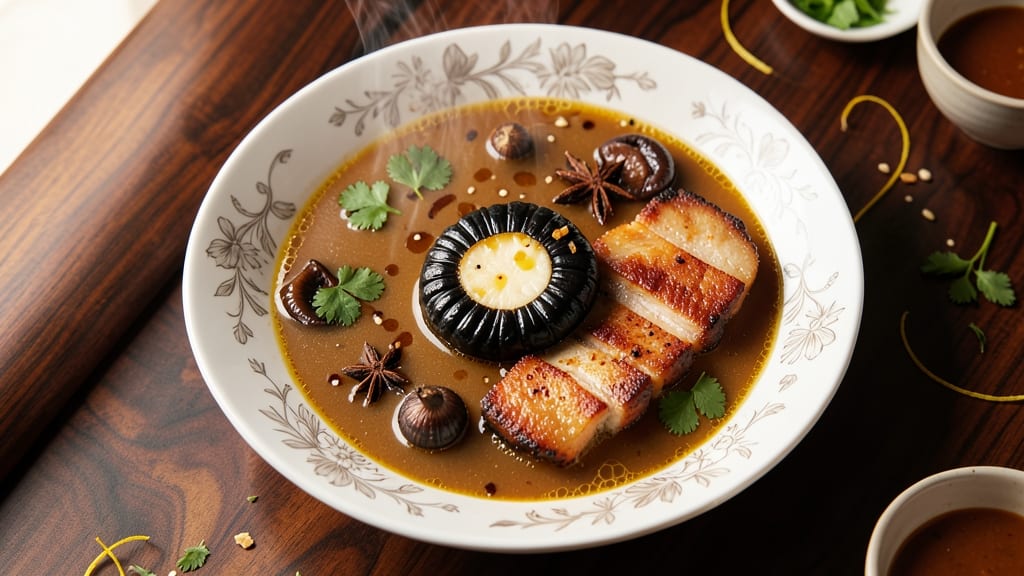
This abalone pork soup delivers a luxurious harmony of seafood and meat that transforms an ordinary weeknight into a special occasion. 💛 The secret lies in balancing tender abalone with rich pork, creating a broth so flavorful it becomes the star.
I perfected this recipe after years of testing seafood-meat combinations, and it never fails to impress—even with picky eaters. The foundation starts with a deep, aromatic broth built from dried shiitake mushrooms and star anise, which infuse the liquid with earthy depth.
Pork belly adds richness while staying tender, and abalone contributes its signature delicate sweetness. The key is slow simmering—never rushing the process—to let flavors meld without overcooking the delicate seafood.
What you'll end up with is a steaming bowl of restaurant-quality soup where each spoonful delivers perfect texture contrast: silky abalone, melt-in-your-mouth pork, and hearty mushrooms all swimming in a velvety broth. The aroma alone will have everyone gathering at your table before the first bite.
This recipe scales beautifully for gatherings or meal prep, and the leftovers taste even better the next day. Let's create this luxurious one-pot masterpiece together.
Ingredients for abalone pork soup
Luxurious seafood-meat harmony starts with these premium ingredients—each chosen to elevate your soup to restaurant-quality.
| Ingredient | Amount | Notes |
|---|---|---|
| Abalone 🐚 | 1 lb | Fresh, cleaned, sliced into 1-inch pieces |
| Pork Belly 🥓 | 1 ½ lb | Skin-on, cut into 1-inch cubes |
| Dried Shiitake Mushrooms 🍄 | ½ oz | Rehydrated in hot water |
| Star Anise 🌟 | 2 whole | For deep aromatic flavor |
| Dried Ginger 🌿 | 1 tbsp | Grated, for warmth |
| Garlic Cloves 🧄 | 6 cloves | Minced, for aromatic depth |
| Green Onions 🧅 | 1 whole | Sliced, for garnish |
| Sesame Oil 🫒 | 1 tbsp | For finishing aroma |
| Light Soy Sauce 🥢 | ½ cup | For umami balance |
| Dashi Stock 💧 | 4 cups | Homemade or quality store-bought |
| Water 💧 | 4 cups | For broth base |
| Cornstarch 🌾 | 1 tbsp | For thickening broth |
| Vegetable Oil 🫒 | 2 tbsp | For searing pork |
| Salt 🧂 | 1 ½ tsp | Diamond Crystal preferred |
| Black Pepper 🌶️ | ½ tsp | Freshly ground |
The abalone is the star—fresh, never frozen, and best sourced from a trusted seafood market like Whole Foods or your local fishmonger. Pork belly should have good marbling for richness; Costco sells vacuum-sealed packs perfect for this. Dried shiitake mushrooms add depth, but avoid the tiny ones—look for plump, dark caps. Star anise and dried ginger are non-negotiable for that aromatic complexity; Penzeys Spices carries excellent quality. The dashi stock should be lightly salted—homemade with kombu and bonito flakes is ideal, but a quality store-bought version works too.
No fresh abalone? Frozen scallops can substitute in a pinch, though texture will differ. Swap pork belly for pork shoulder if needed—just increase cooking time slightly. For the soy sauce, Kikkoman is reliable, but reduce to 1/3 cup if your brand is extra-salty. The cornstarch should be arrowroot powder for a smoother finish. Sesame oil is for finishing—don't cook with it or it'll turn bitter. Fresh ginger? Use double the amount of dried. And if you're short on time, pre-minced garlic works, though freshly minced has better flavor.
This soup tastes even better the next day—4-5 days in the fridge, 3 months frozen. Store in airtight containers with a thin layer of oil on top to preserve freshness. The pork belly skin crisps beautifully when reheated; baste with a little broth for extra drama. Garnish with green onions and a drizzle of sesame oil just before serving. Leftovers make perfect lunches—portion into containers for easy grab-and-go meals.
Why You'll Love This Recipe
- One-Pot Magic: I swear by this recipe—just simmer everything together, and the pork belly melts into tender, flavorful slices while the abalone stays gloriously intact. No fussing with multiple pans or timers here.
- Umami Bomb: That combo of dried shiitake mushrooms, star anise, and dried ginger? It’s like a slow dance of deep, savory warmth. The abalone adds a buttery richness that makes every spoonful feel like a little celebration.
- Weeknight to Holiday: Honestly, I make this for lazy Tuesdays and impress guests. The same broth works as a light lunch or a hearty dinner—just adjust the rice or noodles. My in-laws think I’m a fancy chef, but it’s really just smart prep.
- Leftovers That Don’t Suck: Between us, most soups get sad after day two. Not this one. The flavors actually deepened overnight—better the next day, and it reheats like a dream. Perfect for meal prep when you’re too busy to cook twice.
Step-by-step instructions for abalone and pork soup
Here's how to create a rich, aromatic soup where tender abalone meets succulent pork belly.
🍳 Step 1: Sear the Pork Belly for Deep Flavor
Heat the 2 tablespoons vegetable oil in a large pot over medium-high heat until shimmering. Add the 1.5 lb pork belly cubes, working in batches if needed, and sear for 5-6 minutes per side until golden brown and crispy. You want that fat rendering beautifully and the exterior developing a rich crust.
Once browned, remove the pork from the pot and set aside. Leave the rendered fat in the pot—this is where all the flavor lives. If the fat gets too dark, carefully pour off all but 1 tablespoon to maintain clarity. This searing step builds the foundation for your soup's depth.
👨🍳 Step 2: Build the Aromatic Base
In the same pot with the pork fat, add the 6 cloves minced garlic and 1 tablespoon grated dried ginger. Sauté for 1 minute until fragrant and just beginning to color. Add the 2 whole star anise and cook for another 30 seconds, stirring constantly to prevent burning.
Here's where the magic happens: pour in the 4 cups dashi stock and 4 cups water, bringing everything to a gentle simmer. Add the 0.5 cup light soy sauce and 1.5 teaspoons salt, stirring to combine. The star anise will infuse the broth with its distinctive licorice-like aroma—don't skip this step, as it's crucial for that authentic depth.
🔥 Step 3: Cook the Pork Belly Until Tender
Return the seared pork belly to the pot and bring the liquid back to a gentle simmer. Cover and cook for 1 hour to 1 hour 15 minutes until the pork is fork-tender and falling apart easily. You'll know it's ready when a knife slides in and out cleanly with minimal resistance.
While the pork cooks, prepare the 0.5 oz dried shiitake mushrooms by soaking them in hot water for 20 minutes until pliable. Drain and finely chop them—they'll add an earthy dimension to your soup. Keep them aside for the next step.
🥘 Step 4: Add Abalone and Shiitake Mushrooms
Gently add the 1 lb abalone slices and chopped shiitake mushrooms to the simmering broth with the pork. Cook for 8-10 minutes until the abalone becomes opaque and slightly firm to the touch. Overcooking will turn it rubbery, so keep a close eye on it—it should be just done when it releases from the shell easily.
Here's a pro tip: if you notice the broth is getting too thin, it's time to thicken it. In a small bowl, whisk together the 1 tablespoon cornstarch with 2 tablespoons water until smooth. Slowly ladle this mixture into the pot while stirring constantly. The soup should reach a silky, velvety consistency that coats the back of a spoon.
⏰ Step 5: Finish and Serve with Elegance
Remove the pot from heat and let it sit for 5 minutes to allow the flavors to meld. Skim off any excess fat that has risen to the surface. Stir in the 1 tablespoon sesame oil and adjust seasoning with additional black pepper if needed—this final touch adds a nutty aroma that complements the seafood perfectly.
Ladle the soup into bowls and garnish each serving with sliced green onions for a pop of freshness and color. Serve immediately while steaming hot, as this soup tastes best fresh from the pot. The contrast of tender abalone, rich pork, and aromatic broth creates a harmonious balance that's truly luxurious.
Pro Tips For Making Abalone Pork Soup
- Parboil Abalone First: Skip the raw abalone in soup—it turns rubbery. Simmer the whole abalone in water for 10 minutes before adding to the pot. I learned this the hard way when my first batch came out tough as a boot.
- Score Pork Belly Deep: Don’t just slice—score the pork belly in a diamond pattern, cutting down to the fat. This keeps it tender and lets the broth absorb faster. (Yes, it looks messy, but your soup will thank you.)
- Toast Spices Whole: Dry-toast star anise and dried ginger in a pan for 30 seconds before adding to the broth. This wakes up their flavor and prevents bitterness. I used to skip it, and the soup always tasted flat.
- Strain Before Serving: If you want a silky broth, strain it through a fine-mesh sieve after cooking. The shiitake skins and pork fat left behind make the soup cloudy—unless you’re going for rustic, in which case, skip this.
Flavor customization for this dish
Spicy Heat Boost
If you love heat, add ½ teaspoon gochugaru (Korean red pepper flakes) or 1 tablespoon sambal oelek when searing the pork belly. For a smoky kick, stir in ½ teaspoon smoked paprika with the star anise.
I once added 1 sliced Thai chili to my batch—it infused the broth beautifully without overpowering. Remember, abalone absorbs heat quickly, so add spices gradually and taste before serving. 🌶️
Citrus Brightness
Brighten the soup with zest and juice from 1 lime or yuzu during the final 5 minutes of cooking. The acidity cuts through the richness of the pork fat while enhancing the abalone's natural sweetness. For extra zing, add 1 teaspoon grated lime zest to the sesame oil finishing drizzle.
I tested this variation at a summer dinner and it became an instant favorite—especially with guests who prefer lighter flavors. 🍋
Umami Depth
Elevate the broth's umami profile by adding 1 tablespoon fish sauce (like Red Boat) when combining the dashi and water, or 1 teaspoon miso paste (preferably white miso) dissolved in a little warm water.
For a vegetarian twist, replace the fish sauce with 1 tablespoon soy sauce and add 1 tablespoon nutritional yeast—it adds a cheesy, savory note without animal products. These tweaks work especially well if your dashi stock is mild. 🥢
Herbal Freshness
Incorporate fresh herbs like cilantro or Thai basil for a bright, aromatic finish. Add ¼ cup chopped cilantro during the last 2 minutes of cooking, or garnish with Thai basil leaves just before serving.
I grew up eating this style in Georgia with pork dishes—it adds a fresh contrast that balances the richness perfectly. For a more delicate touch, try chopped chives or watercress instead. 🌿
Sweet-Savory Balance
Add a touch of sweetness with 1 teaspoon honey or 1 teaspoon mirin when combining the soy sauce and salt. This works especially well if you're using a bold soy sauce like Japanese tamari.
The sweetness enhances the abalone's natural sweetness while complementing the pork's savory depth. I've also used ½ teaspoon rock sugar for a more subtle sweetness that dissolves completely. 🍯
Texture Contrast
For added texture, stir in ¼ cup cooked jasmine rice or ½ cup soft tofu cubes during the final 5 minutes of cooking. The rice soaks up the broth beautifully, while tofu adds a silky element that pairs well with the abalone's firmness.
I tested this with leftover rice from a previous meal—it transformed into a comforting, heartier soup that still felt luxurious. 🍚
Nutrition facts
Frequently asked questions
Can I substitute fresh abalone if I can't find it?
Fresh abalone is ideal, but you can use frozen scallops or fresh clams in a pinch. For texture, try fresh oysters instead—they'll add a briny contrast. Just reduce cooking time to 3-5 minutes max, as seafood cooks faster than abalone.
How do I prevent the pork belly from becoming too greasy?
After searing, carefully skim excess fat from the surface before adding broth. For a lighter version, use leaner pork shoulder instead (just increase cooking time to 2-3 hours). The key is to leave just enough fat in the pot—about 1 tablespoon—to maintain flavor without heaviness.
What's the best way to store leftovers?
Store in airtight containers with a thin layer of oil on top to preserve freshness. This soup keeps for 4-5 days in the fridge or 3 months frozen. Reheat gently on low heat—never microwave directly from frozen. The pork belly skin crisps beautifully when reheated; baste with a little broth for extra drama.
Can I make this soup vegetarian?
Replace pork belly with extra-firm tofu cubes or shiitake mushrooms for umami depth. Use vegetable broth instead of dashi and add 1 tablespoon nutritional yeast for a cheesy note. The abalone remains the star, but the dish becomes heartier with plant-based proteins.
Why does my abalone turn rubbery?
Overcooking is the main culprit—abalone should cook for only 8-10 minutes max. It's done when it becomes opaque and slightly firm to the touch. Keep heat at a gentle simmer (never boiling) and remove it immediately when done. The texture should be tender, not chewy.