
Main Courses
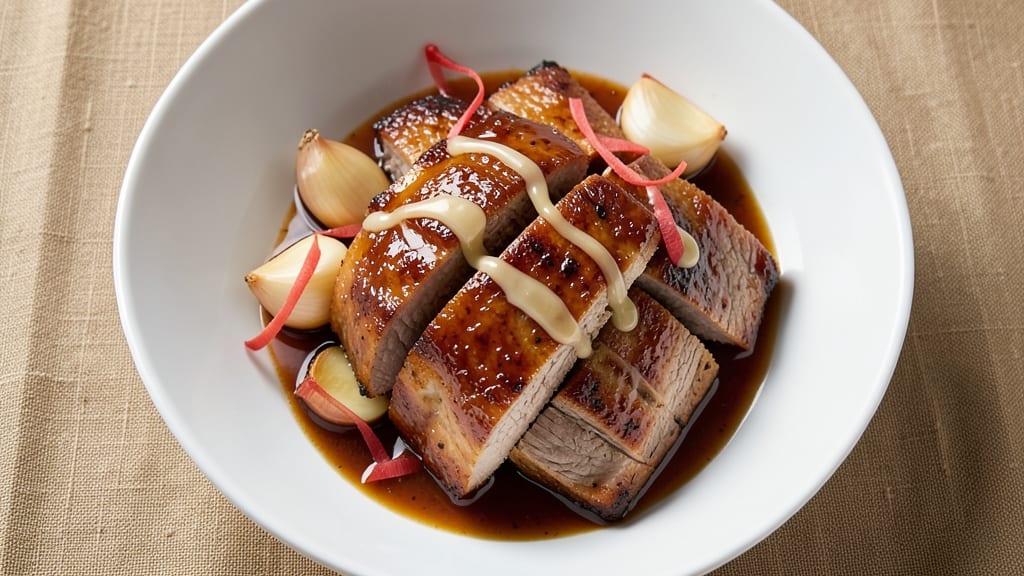
This adobo pork loin recipe brings the bold flavors of Filipino cuisine to your table with a perfect balance of tangy vinegar and savory soy. Growing up in small-town Georgia, I first tasted this dish at a local Filipino restaurant and knew it deserved a place in my kitchen.
The secret lies in marinating the pork overnight, allowing the soy-vinegar glaze to penetrate deeply, resulting in tender bites that practically melt in your mouth.
The beauty of this recipe is its versatility—whether you grill it over charcoal for smoky depth or slow-cook it for fall-apart tenderness, the result is always rich and flavorful. I've perfected this technique over years of cooking for crowds at The Smoky Pig, where pork is the star.
The glaze caramelizes beautifully, creating a sticky, aromatic crust that clings to every bite while keeping the meat impossibly juicy inside.
What sets this dish apart is the harmony of flavors: the sharp tang of vinegar cuts through the richness of the pork, while the soy adds depth and umami. The recipe scales effortlessly for gatherings, and the leftovers reheat beautifully, making it a practical yet impressive meal.
Serve it with steamed jasmine rice and sautéed greens for a complete Filipino feast.
For those who love modern twists, try adding a touch of honey to the glaze for a subtle sweetness or serving it with a side of garlic fried rice. The key is patience—the overnight marinade transforms tough cuts into something luxurious. Here's how to make it perfectly every time.
Ingredients for adobo pork loin
Nine essential ingredients transform tough pork into melt-in-your-mouth adobo perfection.
| Ingredient | Amount | Notes |
|---|---|---|
| Pork Loin 🥩 | 2 lb | Center-cut, 1-inch thick slices |
| Coconut Aminos 🥄 | ½ cup | Or soy sauce for traditional flavor |
| White Vinegar 🍶 | ½ cup | Distilled preferred for tang |
| Brown Sugar 🍚 | ¼ cup | Packed, light variety |
| Garlic Cloves 🧄 | 8 cloves | Peeled, smashed for infusion |
| Fresh Ginger 🌿 | ½ cup | Finely grated, skin on |
| Black Peppercorns 🌶️ | 1 tsp | Freshly cracked preferred |
| Bay Leaves 🌿 | 2 whole | Fresh if available |
| Olive Oil 🫒 | 2 tbsp | Extra-virgin for richness |
| Honey 🍯 | 1 tbsp | Optional for subtle sweetness |
| Salt 🧂 | 1 ½ tsp | Kosher or sea salt |
| Jasmine Rice 🍚 | 2 cups | Uncooked, for serving |
| Green Onions 🧅 | 4 whole | Sliced, for garnish |
The pork loin is non-negotiable here—center-cut, 1-inch thick slices ensure even cooking and maximum tenderness. Most butchers will trim it for you, but if you're buying whole, look for a well-marbled cut from the Costco or Whole Foods meat counter. Fresh ginger and garlic are worth the extra trip to the market: the Asian grocery section usually has the freshest ginger, and those garlic braids keep beautifully. For the vinegar, distilled white vinegar gives the cleanest tang, but apple cider vinegar adds a fruity depth if you prefer. I always double-check my coconut aminos—Kikkoman or Sweet Tree brands are my go-to for that authentic Filipino umami.
No coconut aminos? Soy sauce works in a pinch, though it'll taste slightly different. Short on vinegar? Substitute with rice vinegar at the same amount, but you'll lose some of that sharp bite. The honey is optional, but if you add it, raw honey has better flavor than processed. Fresh ginger? Powdered works at half the amount, but it lacks that bright zing. The bay leaves can be dried, but fresh ones infuse more aroma. For the rice, jasmine rice is ideal, but basmati or even long-grain white will do. Garnish with green onions—they add freshness that cuts through the richness.
Marinate the pork overnight for best results—24 hours max, or it'll start to break down. Store leftovers in an airtight container with some of the glaze for 4-5 days in the fridge, or freeze for 3 months. I always make double batches because this reheats beautifully—slow cook on low heat with a splash of water to keep it moist. The glaze thickens as it cools, so you can always thin it with a splash of water when reheating. For serving, keep the rice warm in a rice cooker—steamed jasmine rice is the perfect canvas for this dish.
Why You'll Love This Recipe
- Here’s what sold me: this tastes even better the next day. I’ll make a big batch on Sunday, slice it up, and pack it for work. Cold or reheated, it’s still ridiculously good—no sad desk lunches here.
- One-Pan Magic: I swear by this recipe when I’m too tired to scrub a million dishes. The vinegar and coconut aminos caramelize right on the sheet pan—no extra pots, no sticky mess. Just flip it once, let the oven work its magic, and you’re done.
- Sweet-Savory Balance: That brown sugar and garlic combo? It’s the kind of flavor that makes you close your eyes mid-bite. The vinegar cuts through the richness, while the coconut aminos add this deep, umami punch—like a hug in sauce form.
- Lunchbox Hero: Here’s what sold me: this tastes even better the next day. I’ll make a big batch on Sunday, slice it up, and pack it for work. Cold or reheated, it’s still ridiculously good—no sad desk lunches here.
Step-by-step instructions for adobo pork loin recipe
Here's how to transform simple ingredients into fall-off-the-bone pork with a glossy, tangy-sweet glaze.
Prepare the Pork and Marinate Overnight
Pat the 2 lb pork loin dry with paper towels—this helps the marinade cling and creates better browning later. In a large bowl, combine the 0.5 cup coconut aminos, 0.5 cup white vinegar, 0.25 cup brown sugar, 8 cloves garlic (smashed), 0.5 cup fresh ginger (grated), 1 tsp black peppercorns (cracked), 2 whole bay leaves, 2 tbsp olive oil, 1 tbsp honey, and 1.5 tsp salt. Mix until the sugar dissolves completely.
Place the pork in a resealable plastic bag, pour the marinade over it, and seal tightly. Massage the bag to coat the pork evenly, then refrigerate for at least 12 hours (overnight is best). The acid in the vinegar and coconut aminos will tenderize the meat while the sugar and honey create a caramelized crust. I like to turn the bag occasionally to ensure even marinating.
Sear the Pork for Maximum Flavor
Remove the pork from the fridge and let it sit at room temperature for 30 minutes before cooking. Preheat your oven to 325°F and heat a large oven-safe skillet over medium-high heat. Add the marinated pork (including any accumulated marinade) to the skillet and sear for 3-4 minutes per side until golden brown. You're looking for deep caramelization—this locks in juices and builds flavor.
Here's the thing—don't rush this step. The pork should develop a rich, glossy crust before it goes into the oven. If it sticks, gently press down with a spatula to help it release. Once seared, transfer the skillet to the preheated oven.
Braise Until Fork-Tender
Cover the skillet tightly with a lid or foil and braise in the oven for 1 hour and 15 minutes (or until the internal temperature reaches 145°F for medium-rare). The residual heat from the skillet will help steam the pork gently, keeping it moist while it cooks through. I check the temperature with a meat thermometer inserted into the thickest part of the loin.
About 30 minutes into cooking, you'll notice the pork releasing juices and the marinade reducing into a thick, glossy glaze. This is exactly what you want—it means the flavors are concentrating. If the glaze looks too thin, you can uncover the skillet for the last 10 minutes to help it caramelize further.
Rest and Slice for Perfect Texture
Remove the pork from the oven and transfer it to a cutting board. Tent loosely with foil and let it rest for 10-15 minutes. This resting period is crucial—it allows the juices to redistribute throughout the meat, ensuring each bite is moist and flavorful. If you skip this step, you'll end up with dry, stringy pork.
Slice the pork against the grain into ½-inch thick slices. The grain runs lengthwise, so cutting perpendicular to it shortens the muscle fibers for maximum tenderness. Arrange the slices on a serving platter and spoon the reduced marinade (now a glossy glaze) over the top. Garnish with the sliced 4 whole green onions for freshness and color.
Cook the Jasmine Rice
While the pork rests, rinse the 2 cups jasmine rice under cold water until the water runs clear. This removes excess starch and prevents the rice from becoming gummy. Cook the rice according to package instructions (typically a 1:1.5 rice-to-water ratio) until tender and fluffy. The rice should be perfectly cooked but still slightly firm to the bite—it'll finish cooking when mixed with the pork juices.
Serve the adobo pork over the jasmine rice, drizzling any remaining glaze from the skillet over the top. The combination of tender pork, tangy-sweet glaze, and fragrant rice creates a harmonious balance of flavors and textures. Each bite delivers juicy pork with a perfect blend of savory, sweet, and umami notes.
Pro Tips For Making Adobo Pork Loin
- CRANK THE HEAT FIRST: Start your pork loin in a screaming-hot pan—no simmering, no "gentle warming." I learned this the hard way when my first batch turned out mushy instead of caramelized. Get those sear marks in the first 2 minutes, then dial it back to medium-low for the braise. The crust locks in flavor and keeps the meat from falling apart.
- MINCE THAT GARLIC FINE: Skip the rough chop—this isn’t stir-fry, it’s adobo. Pulse your garlic cloves in a food processor until it’s almost paste-like. That way, it blends seamlessly into the sauce instead of sitting as clumps. (Yes, even if you’re impatient like me—just hit pulse a few times.)
- DON’T DROWN THE PORK: The vinegar and coconut aminos should coat the meat, not swim in it. Too much liquid = bland, watery pork. Use about ½ cup total for a 1.5 lb loin, then reduce the sauce by half before adding it back. Trust me, your future self will notice the difference.
- SWEAT THE GARLIC FIRST: This isn’t the prettiest method, but it’s the tastiest: Cook the minced garlic in oil for 3-4 minutes until it’s golden and fragrant before adding the vinegar. It deepens the flavor and cuts the sharpness—no more "vinegar punch" in every bite. (I know, I know, but trust the process.)
Best sauces and condiments for this adobo pork loin
Filipino Adobo Glaze
This is the star of the dish—a complex blend of soy-vinegar (or coconut aminos) and caramelized sugar that creates a sticky, aromatic crust. The key is reducing the marinade until it reaches a syrup-like consistency—this happens naturally during the braising process.
I like to finish the pork under the broiler for 2-3 minutes to deepen the caramelization and add a smoky note. 🔥
Sweet Chili Sauce
For a modern twist, serve with a sweet chili sauce (like Sweet Thai Chili Sauce by Maesri) on the side. The fruity, slightly spicy contrast balances the richness of the pork.
I drizzle about 1 tablespoon per serving over the sliced pork and rice. This is especially popular at my restaurant when we serve adobo as a lunch special.
Garlic Butter
A simple garlic butter (melted 2 tbsp butter with 2 minced garlic cloves and a pinch of salt) elevates the dish instantly. Spoon it over the hot pork just before serving—it adds a luxurious richness that complements the tangy glaze.
I keep a jar of garlic-infused butter in my fridge for quick use.
Pickled Vegetables
Bright, acidic pickles cut through the richness beautifully. I make a quick batch of carrot and daikon pickles (slice 1 cup carrots and ½ cup daikon, pack into a jar, and cover with rice vinegar and 1 tsp sugar).
Let them sit for 30 minutes before serving. The crunch and tang make every bite more dynamic.
Coconut Milk Rice
Swap the jasmine rice for coconut milk rice by cooking the rice in 1 cup coconut milk instead of water. The creamy texture pairs perfectly with the adobo's bold flavors. I use Thai Kitchen coconut milk for its rich, slightly sweet profile. Garnish with toasted coconut flakes for extra texture.
Spicy Sriracha Mayo
Mix 2 tbsp mayonnaise with 1 teaspoon sriracha and a squeeze of lime for a creamy, spicy dip. This is a crowd-pleaser at my BBQ competitions—it adds a cool contrast to the warm, sticky pork. I serve it in small bowls with toothpicks for easy dipping. 🌶️
Nutrition facts
Frequently asked questions
Can I use regular soy sauce instead of coconut aminos?
Yes, you can substitute ½ cup soy sauce for the coconut aminos, but the flavor will be slightly different. Coconut aminos have a more complex, slightly sweet profile that mimics traditional Filipino adobo better. If using soy sauce, add an extra ½ teaspoon sugar to balance the saltiness.
How long can I marinate the pork?
Marinate for at least 12 hours (overnight is ideal), but don't exceed 24 hours—the acid in the vinegar will start breaking down the meat fibers after that. For best results, flip the bag occasionally to ensure even coating. The longer marinating time is what makes this pork so tender!
Can I cook this in a slow cooker? After searing the pork, transfer it to your slow cooker with the marinade and cook on low for 6-7 hours or high for 3-4 hours. The slow cooking method works especially well for larger cuts. Just
What's the best way to reheat leftovers?
Reheat leftovers in an oven-safe dish at 325°F for 15-20 minutes, covered with foil. For extra moisture, add 1-2 tablespoons of water or broth to the dish. Avoid microwaving—it can make the pork dry. The glaze will thicken when reheated, so you can thin it with a splash of water if needed.
Why did my pork turn out dry?
Dry pork usually happens from overcooking or skipping the resting time. Always use a meat thermometer and pull the pork when it reaches 145°F for medium-rare. The resting period (at least 10 minutes) is crucial—it lets juices redistribute. If you're short on time, try slicing thinner pieces (¼-inch thick) for faster cooking.