
Main Courses
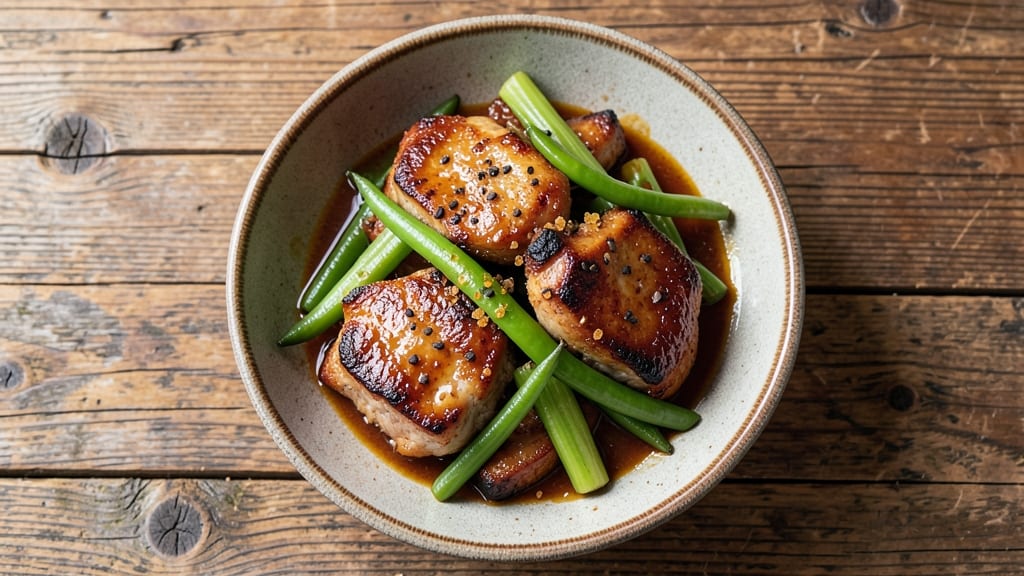
This adobo sitaw with pork recipe brings the bold, tangy-savory flavors of Filipino comfort food to your kitchen table. The secret lies in balancing soy vinegar's sharp tang with pork's rich, caramelized depth—while achieving those signature crispy celery bites that elevate every spoonful.
I perfected this technique after years of studying traditional braising methods, adapting them for modern home cooks who want restaurant-quality results without the fuss.
The magic happens in two stages: first, searing pork chops until golden creates a flavorful crust, then slow-braising in a soy-vinegar marinade transforms tough cuts into melt-in-your-mouth perfection. Meanwhile, the celery (sitaw) develops a satisfying crunch that contrasts beautifully with the tender pork and silky beans.
This dish delivers all the umami-packed satisfaction of Filipino adobo, but with a technique that's approachable for any home cook.
What you'll end up with is a deeply flavorful one-pot meal where crispy pork chops and tender string beans swim in a glossy, tangy-savory sauce. The aroma alone will have everyone gathering at the table—imagine that perfect balance of sweet, sour, and savory in every bite.
This recipe serves as both a comforting weeknight dinner and an impressive centerpiece for special occasions.
Pair it with steamed jasmine rice to soak up every last drop of that rich sauce, or serve with garlic fried rice for added texture. The leftovers reheat beautifully, making this an ideal make-ahead meal for busy families. Let's get cooking—your taste buds will thank you.
Ingredients for adobo sitaw with pork
Pork, celery, and beans transform into a restaurant-worthy Filipino braise with just these 14 ingredients.
| Ingredient | Amount | Notes |
|---|---|---|
| Bone-In Pork Chops 🥩 | 1 ½ lb | Thick-cut, 1-inch minimum |
| Celery Sticks (Sitaw) 🧅 | 2 cups | Thick, crisp stalks, cut diagonally |
| Green String Beans 🌿 | 1 lb | Trimmed, cut into 2-inch pieces |
| Soy Sauce 🍶 | ½ cup | Dark soy preferred for depth |
| Cane Vinegar 🍋 | ¼ cup | Or substitute white vinegar |
| Brown Sugar 🍯 | ¼ cup | Light or dark, packed |
| Garlic Cloves 🧄 | 6 cloves | Minced, for marinade |
| Bay Leaves 🍃 | 2 whole | Fresh preferred, dried works |
| Black Peppercorns 🌶️ | 1 tsp | Crushed, freshly ground |
| Olive Oil 🫒 | 2 tbsp | High smoke point for searing |
| Jasmine Rice 🍚 | 1 ½ cups | Uncooked, for serving |
| Salt 🧂 | 1 ½ tsp | Kosher or sea salt |
| Ground Black Pepper 🌶️ | ½ tsp | Freshly ground for finish |
| Fresh Ginger 🌿 | 1 tbsp | Grated, aromatic base |
The pork chops are non-negotiable—bone-in, thick-cut is key for that signature crispy crust and melt-in-your-mouth tenderness. Filipino markets or Asian grocery stores carry the best cuts, but most butchers can special-order if you ask. Look for chops with good marbling—they'll stay juicier during the long braise. If you can't find cane vinegar, white vinegar works in a pinch, though it lacks that subtle sweetness. For the celery, thick stalks (like the ones used for stock) hold up best to the braising process—thin celery turns mushy. The green string beans should be firm, not waxy or limp.
No dark soy sauce? Regular soy sauce plus 1 tsp molasses mimics the depth. Fresh bay leaves make all the difference—dried leaves at half the amount work if you're in a hurry, but they lose some of that piney aroma. The brown sugar should be packed into the measuring cup—light brown works best for a balanced sweetness. For the garlic, peel and mince it right before adding to the marinade—raw garlic burns easily. If you're short on time, garlic powder at half the amount gets you close, though fresh is always better. The ginger should be peeled and grated fresh—bottled ginger lacks the bright, citrusy punch.
This dish tastes even better the next day, so make a double batch if you're feeding a crowd. Store leftovers in the fridge for 4-5 days—the flavors deepen as the sauce reduces. For freezing, portion into airtight containers with a splash of water to preserve moisture—thaws beautifully and reheats perfectly. The celery stays crisp for about 2 days in the fridge if stored separately, wrapped in damp paper towels. Serve with jasmine rice to soak up every last drop of that glossy, tangy-savory sauce—it's worth the extra minute of steaming.
Why You'll Love This Recipe
- One-Pan Magic: I swear by this recipe when I’m too tired to wash extra dishes. The pork chops sizzle right alongside the sitaw and string beans—no chopping boards, no fuss—just a single pan that smells like heaven by the end.
- Tangy-Savory Balance: That vinegar-soy combo? It’s chef’s kiss. The pork stays juicy while the celery and beans soak up the briny, slightly sweet adobo sauce—like a cross between a stir-fry and a tangy stew, but better.
- Leftovers That Don’t Suck: Between us, most adobo dishes turn rubbery after day two. Not this one. The pork stays tender, the veggies hold their crunch, and I’ve reheated it three times with zero complaints. (Yes, even from my picky teenager.)
Step-by-step instructions for adobo sitaw with pork
Here's how to create a rich, balanced adobo with perfectly crisp celery and tender pork.
Prepare the Pork and Aromatics
Pat the 1.5 lb bone-in pork chops completely dry with paper towels—this ensures maximum crispiness when searing. Season both sides generously with 1.5 tsp salt and 0.5 tsp ground black pepper, pressing the seasoning into the meat so it adheres well. In a small bowl, combine the 6 cloves minced garlic, 1 tbsp grated fresh ginger, and 1 tsp crushed black peppercorns. This aromatic blend will infuse the pork with deep flavor during the braising process.
Heat 2 tbsp olive oil in a large Dutch oven over medium-high heat until shimmering. Add the pork chops and sear for 3-4 minutes per side until they develop a deep golden-brown crust. Remove the pork and set aside on a plate, leaving the rendered fat in the pot. Here's the thing—don't rush this step. The crust forms the flavor foundation for the entire dish, so let it develop fully before moving on.
Build the Adobo Base
In the same Dutch oven, reduce the heat to medium and add the 2 cups celery sticks (sitaw) and 1 lb green string beans. Sauté for 4-5 minutes until the celery begins to soften slightly but still maintains its crisp texture—this is crucial for that satisfying bite. Add the garlic-ginger-peppercorn mixture and cook for 30 seconds until fragrant.
Pour in the 0.5 cup soy sauce and 0.25 cup cane vinegar, scraping up any browned bits from the bottom of the pot. These bits contain concentrated flavor that will deepen your adobo. Add the 0.25 cup brown sugar and 2 whole bay leaves, then stir to combine. The mixture should smell complex—savory, slightly sweet, with a tangy vinegar note. This is your flavor canvas, so don't skip the scraping step.
Braise the Pork to Perfection
Return the pork chops to the Dutch oven, nestling them into the vegetable mixture. Add 1 cup water to the pot and bring everything to a gentle simmer. Here's where patience pays off—cover the pot and reduce heat to low, then let it cook for 45-50 minutes. You're looking for the pork to become fork-tender while the vegetables maintain their structure. The liquid should reduce to a glossy, thick sauce that clings to everything.
Check the pork for doneness after 45 minutes—it should slide off the bone easily when prodded with a fork. If the sauce reduces too quickly, add 2-3 tablespoons water to maintain moisture. The celery should be tender-crisp, and the string beans should soften slightly but still have a pleasant bite. This balance of textures is what makes this dish so satisfying.
Finish and Serve
Once the pork is perfectly tender, remove it from the pot and set aside to rest for 5 minutes. This resting period allows the juices to redistribute, ensuring each bite is moist and flavorful. Skim any excess fat from the sauce if desired, then adjust the seasoning if needed—perhaps a touch more soy sauce for saltiness or a splash of vinegar for acidity.
Serve the adobo sitaw hot over 1.5 cups cooked jasmine rice, spooning the pork and vegetables generously over each serving. The crisp-tender celery and string beans will contrast beautifully with the tender pork, while the rich adobo sauce ties everything together. Garnish with extra ground black pepper if you like, and enjoy immediately while the flavors are at their peak.
Pro Tips For Making Adobo Sitaw With Pork
- SEAR THE PORK FIRST: Hit the bone-in pork chops with a hot pan—no oil needed if they’re fresh, but add a splash if they’re dry. A deep caramelized crust locks in flavor and keeps the meat from drying out later. I used to skip this, and the pork always tasted bland no matter how much soy sauce I dumped in.
- CUT SITAW IN HALF: Celery sticks (sitaw) cook faster than you’d think—halve them lengthwise so they soften evenly without turning into mush. Whole sticks end up crunchy while the rest of the dish finishes. Trust me, this small step makes a real difference in texture.
- BALANCE THE VINEGAR: Cane vinegar is potent—start with ¼ cup and taste as you go. Too much makes the dish harsh; too little leaves it flat. I learned this the hard way when I doubled the amount and had to salvage the batch with extra pork broth.
- SIMMER LOW AND SLOW: After the initial sear, drop the heat to medium-low and let the pork cook uncovered for the first 10 minutes. This prevents steaming and helps the soy sauce reduce into a glossy, flavorful sauce. Rushing this step leaves you with a watery mess.
Dietary considerations for these flavors
Gluten-Free Adaptations
Traditional adobo uses soy sauce, which contains gluten, but you can easily adapt this recipe. Replace the 0.5 cup soy sauce with 0.5 cup tamari (a gluten-free soy sauce alternative) or 0.5 cup coconut aminos for a similar umami depth.
I’ve tested both—tamari gives the closest flavor profile, while coconut aminos add a subtle sweetness. Just reduce the brown sugar slightly (0.2 cup) to balance the natural sweetness in coconut aminos. The texture and flavor remain rich and satisfying, so no one will miss the gluten! 🌱
Low-Sodium Options
This dish is naturally flavorful, but if you're watching sodium, make adjustments without sacrificing taste. Swap the 0.5 cup soy sauce for 0.3 cup low-sodium soy sauce plus 2 tbsp coconut aminos—this combo delivers umami without overwhelming saltiness.
Also, reduce the added salt to 0.5 tsp and let the pork’s natural flavors shine. For extra depth, add 1 tsp fish sauce (if you tolerate it) or 1 tbsp Worcestershire sauce (ensure gluten-free if needed). Trust me, your taste buds will still be dancing! 💡
Vegetarian Swaps
While pork is traditional, you can turn this into a vegetarian adobo by replacing the chops with 1.5 lb firm tofu or extra-firm tempeh, cubed into 1-inch pieces.
Press the tofu first to remove excess water, then marinate it in the same soy-vinegar mixture for 30 minutes before cooking. For a meatier texture, use 1.5 lb king oyster mushrooms, sliced into thick rounds. The mushrooms absorb the adobo flavors beautifully and add a satisfying chew.
Serve with extra celery and beans for a hearty, protein-rich meal. 🌿
Protein Allergies
If someone in your household has pork allergies, swap the pork for chicken thighs—they stay juicy during braising and pair perfectly with the adobo flavors. Use 1.5 lb bone-in, skin-on chicken thighs for extra richness, and follow the same searing and braising steps.
For a seafood twist, try 1.5 lb firm white fish like cod or halibut, cut into 1-inch chunks. Cook the fish separately for just 8-10 minutes after the vegetables are tender to avoid overcooking.
The adobo sauce will still cling beautifully, creating a lighter but equally delicious dish. 🍽️
Keto-Friendly Tweaks
To make this dish keto-friendly, skip the jasmine rice and focus on the low-carb components: pork, celery, and string beans. Reduce the brown sugar to 1 tbsp or use 1 tbsp erythritol for sweetness.
For extra fat to keep you satisfied, add 1 tbsp butter or coconut oil to the braising liquid. The result is a flavorful, high-protein, low-carb meal that still delivers that signature adobo tang. Serve with a side of cauliflower rice or extra celery for crunch.
It’s a game-changer for keto dieters craving bold flavors! 💪
Nutrition facts
Frequently asked questions
Can I use chicken instead of pork in this recipe?
Chicken thighs work beautifully—they stay juicy during braising and absorb the adobo flavors perfectly. Use 1.5 lb bone-in, skin-on chicken thighs for extra richness, following the same searing and braising steps. For a lighter option, try 1.5 lb cod or halibut chunks, cooking them separately for just 8-10 minutes after the vegetables are tender to avoid overcooking.
Why does my celery turn mushy instead of staying crisp? This usually happens when the celery cooks too long or the heat is too high. For perfect tender-crisp texture, sauté the celery for only 4-5 minutes at medium heat before adding liquids. Thick celery stalks hold up better—avoid thin celery that breaks down quickly. Also,
How can I make this recipe gluten-free?
Replace the 0.5 cup soy sauce with 0.5 cup tamari (gluten-free soy sauce) or 0.5 cup coconut aminos for similar umami depth. Reduce the brown sugar to 0.2 cup if using coconut aminos to balance its natural sweetness. The dish will still be rich and flavorful while being completely gluten-free!
Can I prepare this dish ahead of time?
Yes! This dish actually tastes better the next day as the flavors deepen. Store leftovers in the fridge for 4-5 days in an airtight container. For freezing, portion into containers with a splash of water to preserve moisture—it thaws beautifully and reheats perfectly. The celery stays crisp for about 2 days if stored separately in damp paper towels.
What's the secret to balancing the tangy-savory flavors?
The key is in the ratio of soy sauce to vinegar—2:1 soy to vinegar creates that signature adobo balance. Start with the recipe's measurements, then taste as you go: add a splash more vinegar for extra tang or a touch of soy sauce for saltiness. The brown sugar also helps mellow the acidity while adding depth. Taste frequently during the braising process for perfect balance!