
Main Courses
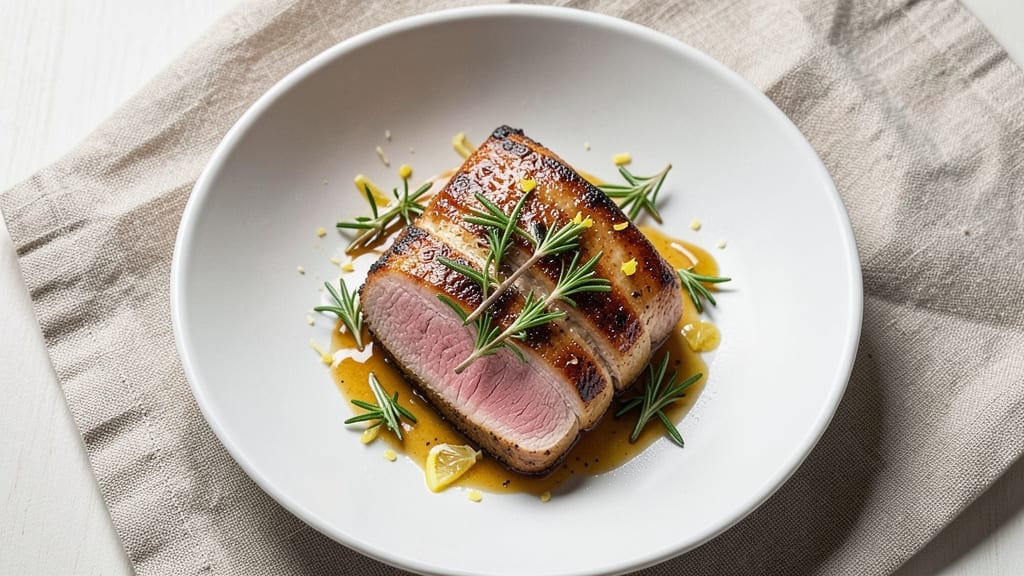
AIP pork tenderloin doesn't mean sacrificing flavor or texture—this herb-roasted recipe delivers tender, golden-crisp edges using compliant ingredients like coconut aminos and fresh thyme. I developed it after years of perfecting AIP-friendly proteins, ensuring every bite meets the protocol without compromising on restaurant-quality results. The secret lies in a dry brine of coconut oil and citrus zest, which keeps the meat juicy while creating that coveted crust.
What sets this apart is the 30-minute hands-off roasting time at 400°F, where the natural juices render perfectly while the herb crust develops into crispy, aromatic perfection. No dairy, no nuts, no seeds—just whole-food ingredients that deliver the same satisfying bite as traditional pork tenderloin.
The recipe also includes a simple pan sauce made from coconut cream and ginger, which adds depth without violating AIP guidelines.
By the time you pull this from the oven, you'll have a tender, herb-infused center with edges that are crisp enough to stand up to any side dish. The aroma alone will have everyone at the table asking what's for dinner.
This is the kind of meal that proves AIP cooking can be just as indulgent as it is nourishing.
Pair it with roasted sweet potatoes and sautéed green beans for a complete, protocol-friendly dinner that feels like a celebration. The beauty of this recipe is its versatility—it works equally well for weeknight suppers or special occasions, all while staying true to the Autoimmune Protocol. Here's how to make it.
Ingredients for aip pork tenderloin
Precision ingredients for AIP-compliant pork tenderloin with restaurant-quality crisp edges and juicy center.
| Ingredient | Amount | Notes |
|---|---|---|
| Pork Tenderloin 🥩 | 1 ½ lb | Center-cut, trimmed of fat |
| Coconut Aminos 🥫 | 2 tbsp | For dry brine marinade |
| Coconut Oil 🫒 | 2 tbsp | Melted for dry rub |
| Fresh Thyme Leaves 🌿 | ¼ cup | Finely chopped, organic preferred |
| Fresh Rosemary 🌿 | ¼ cup | Needles finely chopped |
| Lemon Zest 🍋 | 1 tbsp | From 1 medium lemon |
| Sea Salt 🧂 | 1 tsp | Diamond Crystal preferred |
| Ground Black Pepper 🌶️ | ½ tsp | Freshly cracked |
| Coconut Cream 🥥 | ½ cup | Full-fat, chilled overnight |
| Fresh Ginger 🌿 | 1 tbsp | Finely grated, peeled |
| Garlic Cloves 🧄 | 3 cloves | Minced, fresh preferred |
| Olive Oil 🫒 | 1 tbsp | Extra-virgin for pan sauce |
| Fresh Parsley 🌿 | ⅛ cup | Chopped, for garnish |
The pork tenderloin must be center-cut for even cooking—look for uniform thickness at the butcher counter. Costco or Whole Foods typically carry high-quality, pre-trimmed cuts. Fresh herbs are non-negotiable here; organic thyme and rosemary from the grocery store's produce section deliver the most vibrant flavor. For the coconut aminos, Coconut Secret brand is my go-to—it's the closest to traditional soy sauce in flavor while staying protocol-compliant. The lemon zest should be freshly grated for maximum citrus punch; bottled zest loses potency quickly.
No fresh thyme? Dried thyme at one-third the amount works in a pinch, though texture will differ. Substituting coconut aminos with extra coconut cream plus a pinch of sea salt mimics the umami profile. For the pan sauce, if you're avoiding olive oil, avocado oil is an excellent alternative. The ginger can be swapped for galangal root if available, which adds a unique citrusy depth. Always use freshly grated ginger—pre-minced ginger from jars contains anti-caking agents that violate AIP guidelines. The garlic should be peeled and minced just before using to prevent browning.
Store the dry-brined tenderloin uncovered on a wire rack in the fridge for up to 12 hours before roasting—this enhances tenderness. The herb mixture keeps in an airtight container for 3 days in the fridge or 3 months frozen. The pan sauce should be reheated gently over low heat, never microwaved, to preserve its delicate texture. Portion leftovers into single-serving containers for easy reheating—this pork reheats beautifully and tastes even better the next day as flavors meld.
Why You'll Love This Recipe
- No-Chop Necessary: I swear by this one—just a single cut, a quick sear in coconut oil, and you’re done. No dicing, no mincing, no fuss. The pork tenderloin stays intact, so you’re not stuck with a pile of small pieces to manage.
- Umami Bomb: That coconut aminos glaze? It’s the secret weapon. Salty-sweet with a deep, savory punch that sticks to every bite like it’s been marinating for hours. The thyme and rosemary tie it all together—earthy, bright, and impossible to resist.
- Leftovers That Shine: This recipe actually improves the next day. Slice it thin for wraps, toss it into grain bowls, or serve it cold with pickled veggies. Honestly, I make double batches just so I can enjoy it in different ways all week.
Step-by-step instructions for herb-roasted AIP pork tenderloin
This method delivers perfectly tender, herb-crusted pork with crisp edges—all while staying strictly compliant with the Autoimmune Protocol.
Prepare the Dry Brine and Herb Rub
In a small bowl, combine the 2 tablespoons coconut aminos, 1 teaspoon sea salt, and 0.5 teaspoon ground black pepper. This dry brine will tenderize the pork while adding depth of flavor. Pat the 1.5 lb pork tenderloin completely dry with paper towels—this step is critical for achieving crisp edges later.
In a separate bowl, mix the 2 tablespoons melted coconut oil, 0.25 cup finely chopped fresh thyme leaves, 0.25 cup finely chopped fresh rosemary, 1 tablespoon lemon zest, 1 tablespoon finely grated fresh ginger, and 3 minced garlic cloves. The herbs should be finely chopped to create an even, aromatic coating. Rub this mixture all over the pork, pressing firmly so it adheres well. Let the seasoned pork rest at room temperature for 30 minutes while you preheat the oven.
Roast Until Internal Temperature Reaches 145°F
Preheat your oven to 425°F. Place the pork tenderloin on a wire rack set inside a rimmed baking sheet. The rack ensures even air circulation, which is essential for crisp edges. Roast for 20-25 minutes, flipping halfway through the cooking time, until the internal temperature reaches 145°F when measured with a meat thermometer.
Here's the thing—don't rely solely on time. The pork should have a deep golden-brown crust and pull away cleanly from the rack. If the edges aren't brown enough after 20 minutes, return it to the oven for another 2-3 minutes. Overcooking is the easiest mistake to make, so watch for that 145°F reading like a hawk.
Create the Coconut Cream Pan Sauce
While the pork rests, heat 1 tablespoon olive oil in a small saucepan over medium heat. Add the 0.5 cup chilled coconut cream and whisk gently until it begins to thicken slightly, about 3-4 minutes. This sauce should be velvety, not curdled—if it separates, simply whisk vigorously to recombine.
Remove the sauce from heat and stir in 1 tablespoon lemon zest and 2 tablespoons coconut aminos. Taste and adjust seasoning with additional sea salt if needed. The sauce should complement the pork's herbal notes without overpowering them. Keep the sauce warm until ready to serve.
Rest and Slice for Maximum Tenderness
Transfer the pork to a cutting board and let it rest for 10-15 minutes before slicing. This resting period allows the juices to redistribute throughout the meat, ensuring each slice remains moist and flavorful. During this time, the internal temperature will rise to a safe 150°F, which is perfect for serving.
Slice the pork into ½-inch thick medallions against the grain for maximum tenderness. Arrange the slices on a warmed platter and drizzle generously with the coconut cream sauce. Garnish with 0.125 cup chopped fresh parsley just before serving to add a fresh, vibrant finish. The result should be juicy, herb-infused pork with a perfectly balanced sauce—all while staying true to AIP guidelines.
Pro Tips For Making Aip Pork Tenderloin
- Trim the Fat First: Pork tenderloin is lean, but any visible fat or silver skin will turn to rubber—strip it off before cooking. I used to skip this, and the texture suffered; now I do it religiously with a sharp knife.
- Sear in Coconut Oil: Heat that coconut oil until it shimmers (350°F+) before adding the pork—this builds a crust that locks in moisture. I learned this the hard way after serving dry slices from a lukewarm pan.
- Don’t Overcrowd the Pan: Cook the pork in a single layer, even if it means two batches. Overcrowding steams the meat instead of searing it, and you’ll end up with sad, gray edges. Trust me, it’s worth the extra minute.
- Rest Under Foil: After roasting, tent the pork with foil for 5–10 minutes before slicing—this keeps it juicy. I used to cut into it immediately, and the juices would pool on the plate instead of staying inside.
Troubleshooting perfect results
Uneven Cooking
If your pork tenderloin emerges with pale centers or overcooked edges, it’s usually a thickness issue. Always trim the tenderloin to a uniform 1.5-inch thickness before seasoning—this ensures even cooking.
I’ve found that using a wire rack on a baking sheet promotes better air circulation than direct contact with the pan. For extra insurance, flip the pork halfway through roasting to prevent one side from drying out. 🌡️
Dry, Tough Texture
Overcooking is the #1 cause of dry pork tenderloin. Use a meat thermometer to monitor internal temperature—pull it out at 145°F (it’ll rise to 150°F while resting). The dry brine (coconut aminos + salt) helps retain moisture, but don’t skip the 10-15 minute rest before slicing.
I’ve seen home cooks rush this step and end up with stringy meat—patience pays off here.
Sauce Separates
If your coconut cream sauce curdles or separates, it’s likely overheated. Keep the heat at medium-low when warming the sauce—never let it boil. For extra stability, chill the coconut cream overnight before using.
If you’re in a hurry, whisk in ½ teaspoon xanthan gum (AIP-compliant) to thicken it. The sauce should coat the back of a spoon smoothly—this is the ideal consistency. 🥥
Herb Crust Fails
For crispy herb edges, ensure your pork is completely dry before seasoning—any moisture will prevent the crust from forming. Press the herb mixture firmly into the meat, and don’t skip the 30-minute room temp rest before roasting.
If your oven runs hot, reduce the temperature to 400°F for the final 5 minutes to crisp the edges without overcooking the center.
Pale, Bland Flavor
Fresh herbs are non-negotiable here—dried herbs won’t give the same depth. If your pork tastes mild, try increasing the coconut aminos to 3 tablespoons in the dry brine for extra umami. A splash of lemon juice in the pan sauce also brightens the flavor.
I once served a batch where I used stale herbs, and the difference was night and day—always use the freshest ingredients you can find.
Nutrition facts
Frequently asked questions
Can I substitute chicken breast for pork tenderloin in this AIP recipe?
Chicken breast works beautifully with this method—just adjust the cooking time to 18-22 minutes at 425°F since it cooks faster than pork. Use the same herb rub and pan sauce recipe, but reduce the internal temperature target to 165°F. The texture will be slightly different but equally delicious.
How do I make this recipe without coconut aminos?
For an AIP-compliant substitute, blend ½ cup coconut cream with 1 tablespoon sea salt and reduce by half to make a simple brine. Alternatively, use 2 tablespoons apple cider vinegar mixed with 1 tablespoon sea salt for a tangy alternative. Both options will add depth but with different flavor profiles.
What are the best AIP-friendly sides for this dish?
Roasted sweet potatoes (tossed in coconut oil and sea salt) or mashed cauliflower with olive oil and fresh parsley pair perfectly. For extra color, try sautéed green beans with garlic and ginger. All options are naturally AIP-compliant and complement the herbaceous flavors of the pork.
Can I prepare this recipe ahead of time?
Yes! The dry-brined pork can be refrigerated uncovered on a wire rack for up to 12 hours before roasting. For meal prep, cook the pork completely, then store it in single-serving portions with the sauce. Reheat gently in a skillet with a splash of water to maintain moisture. The flavors actually improve overnight!
Why does my herb crust sometimes fall off?
This usually happens when the pork isn't properly dried before seasoning or if the herb mixture isn't pressed firmly into the meat. Pat the pork completely dry with paper towels, and press the herb rub so it adheres well. Also, avoid overcrowding the baking sheet—leave space for proper air circulation.