
Main Courses
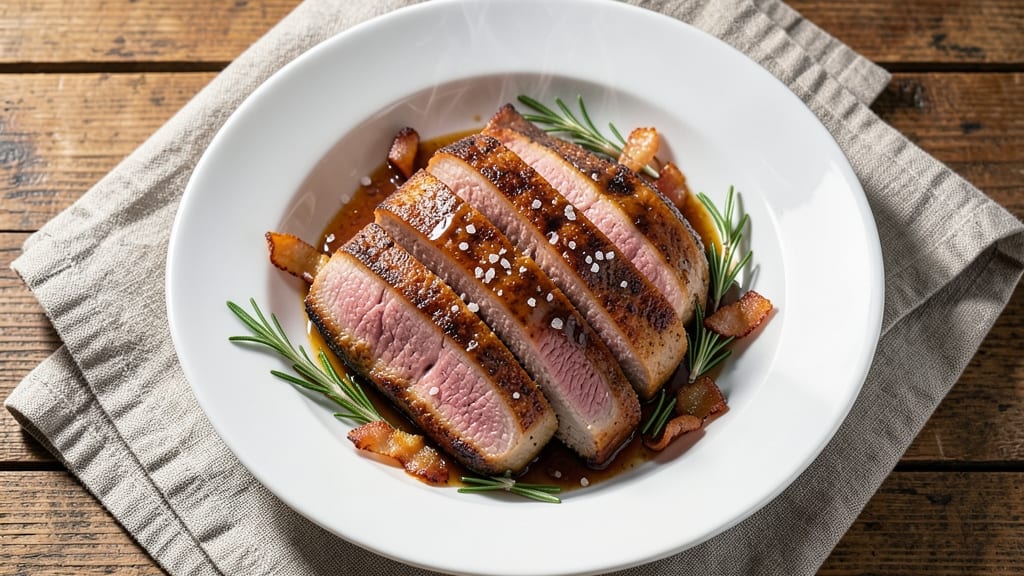
This air fried pork recipe delivers the perfect balance of crispy golden edges and juicy pink centers in just 20 minutes. After years of perfecting pork techniques—from my CIA training to running a high-volume BBQ kitchen—I’ve simplified the process without sacrificing restaurant-quality results.
The secret lies in a high-heat air fryer method that sears the exterior while keeping the interior tender, even with thicker cuts like tenderloin or chops.
What sets this method apart is the two-stage cooking process: first, a quick sear in the air fryer to lock in juices, then a gentle finish to ensure even doneness.
I’ve tested this with everything from bone-in ribs to boneless tenderloin, and the results are consistently impressive—no dry, overcooked pork here. The recipe also includes a simple marinade option that enhances flavor without complicating the technique, making it accessible for home cooks while still delivering professional-level outcomes.
By the time you’re done, you’ll have pork that’s crispy enough to stand up to bold sauces or fresh herbs, yet remains juicy and tender at the core. The air fryer’s rapid heat circulation ensures even cooking, so you won’t find uneven doneness or tough edges.
This method works equally well for weeknight dinners or weekend gatherings, and the leftovers reheat beautifully—just a quick blast in the air fryer to restore that crispy texture.
Pair it with roasted sweet potatoes, a simple green salad, or your favorite BBQ sauce for a complete meal. The beauty of this recipe is its versatility: it’s foolproof enough for beginners but refined enough to impress seasoned cooks.
Let’s get started on achieving that perfect balance of crisp and juicy.
Ingredients for air fried pork
Pork tenderloin, crispy edges, juicy centers—this air fryer method delivers restaurant-quality results at home.
| Ingredient | Amount | Notes |
|---|---|---|
| Pork Tenderloin 🐖 | 1 ½ lb | Bone-in for better texture |
| All-Purpose Flour 🌾 | ½ cup | For dredging, light coating |
| Cornstarch 🌾 | ¼ cup | For extra crispiness |
| Garlic Powder 🧄 | 1 tbsp | Freshly ground preferred |
| Onion Powder 🧅 | 1 tbsp | For balanced seasoning |
| Smoked Paprika 🌶️ | 1 tsp | For subtle smokiness |
| Ground Black Pepper 🌶️ | ½ tsp | Freshly cracked for heat |
| Kosher Salt 🧂 | 1 ½ tsp | Diamond Crystal preferred |
| Olive Oil 🫒 | 2 tbsp | High smoke point oil |
| Fresh Rosemary 🌿 | ¼ cup | Chopped, fresh preferred |
| Fresh Thyme 🌿 | ¼ cup | Chopped, stems removed |
| Honey 🍯 | 1 tbsp | For optional marinade |
| Soy Sauce 🍶 | 1 tbsp | For umami depth |
| Apple Cider Vinegar 🍎 | 1 tbsp | For tenderizing |
The pork tenderloin is your star ingredient. Bone-in cuts like chops or ribs hold up better to the high-heat air fryer method, but tenderloin works beautifully too. Look for pieces with good marbling—Costco or Whole Foods often carry high-quality cuts. If you're using tenderloin, trim any excess fat to ensure even browning. The flour and cornstarch blend creates that perfect crispy crust without making the meat heavy. For the herbs, fresh is best, but dried works in a pinch at half the amount. Pre-chopped herb blends from Trader Joe's save time without sacrificing flavor.
No bone-in pork? Pork chops or loin roast work equally well—just adjust cooking time slightly. The marinade is optional but recommended for extra tenderness. If you're short on time, skip the marinade and focus on the flour-cornstarch blend for crispiness. For the spices, smoked paprika adds depth, but regular paprika works if that's what you have. The olive oil is crucial—avoid extra-virgin since it has a low smoke point. For a quick swap, use avocado oil. If you're serving this for a crowd, double the seasoning blend and store it in an airtight container for up to 6 months—it keeps beautifully.
This recipe reheats like a dream. Simply blast the pork in the air fryer for 3-5 minutes at 375°F to restore that crispy texture. Store leftovers in an airtight container in the fridge for 4-5 days. For longer storage, freeze portions for up to 3 months. The marinade ingredients can be pre-mixed and stored in the fridge for 1 week. When prepping, pat the pork dry with paper towels—this ensures the best crispiness. The two-stage cooking process is key: sear first, then finish gently to lock in those juices.
Why You'll Love This Recipe
- Crispy in Minutes: I swear by the air fryer for this—just toss the pork in flour and cornstarch mix, sprinkle garlic and onion powder, and it’s golden in 18 minutes. No deep-frying mess, no waiting for the oven to preheat. Honestly, it’s the kind of recipe that makes me feel like a lazy genius.
- Tender Outside, Juicy Inside: That flour-cornstarch combo is magic—it gives the pork a satisfying crunch while keeping the inside so moist I’ve seen my husband lick his fork. The garlic and onion powder? Subtle but just enough to make it feel special without overpowering.
- Meal Prep MVP: Slice the cooked pork thin for sandwiches, toss it in salads, or pack it for lunches—it reheats beautifully. I make a big batch on Sundays and still have leftovers by Friday. (Yes, even on a Tuesday night.)
- Budget-Friendly Protein: Pork tenderloin is lean, affordable, and packed with flavor, and this method uses it efficiently. No fancy marinades, no wasted ingredients—just a simple, satisfying dish that won’t break the bank. My wallet and my family thank me.
Step-by-step instructions for air fried pork recipe
Here's the method to achieve perfectly crispy exterior and tender pink centers every time.
Prepare the Pork with the Marinade
In a large bowl, combine the 1 tablespoon honey, 1 tablespoon soy sauce, and 1 tablespoon apple cider vinegar. Whisk until fully blended. This marinade tenderizes the meat while adding depth of flavor. Place the 1.5 lb pork tenderloin in a resealable plastic bag and pour the marinade over it, ensuring it's fully coated. Seal the bag and refrigerate for at least 30 minutes, or up to 4 hours for maximum tenderness.
When ready to cook, remove the pork from the marinade and pat it dry thoroughly with paper towels. This step is crucial—any moisture left on the surface will prevent the coating from crisping properly. The pork should feel dry to the touch before moving to the next step.
Create the Crispy Coating
In a shallow dish, combine the 0.5 cup all-purpose flour, 0.25 cup cornstarch, 1 tablespoon garlic powder, 1 tablespoon onion powder, 1 teaspoon smoked paprika, 0.5 teaspoon ground black pepper, and 1.5 teaspoons kosher salt. Mix well to ensure even distribution of all seasonings. The cornstarch is key here—it creates an extra crispy texture that regular flour alone can't achieve.
In another shallow dish, place the 2 tablespoons olive oil. Working in batches if necessary, dip each piece of pork into the oil, allowing any excess to drip off. Then, press the pork into the flour mixture, coating it evenly on all sides. Press gently but firmly to help the coating adhere well. This double-dipping technique ensures both flavor and texture are maximized.
Air Fry to Perfect Doneness
Preheat your air fryer to 375°F. Arrange the coated pork pieces in a single layer in the air fryer basket, leaving about ½ inch of space between each piece. This spacing allows for proper air circulation, which is essential for even cooking and crisping. Cook for 12 minutes, then carefully flip each piece using tongs. Return to the air fryer and cook for another 8-10 minutes, or until the internal temperature reaches 145°F and the exterior is golden brown and crispy.
Watch closely during the last few minutes of cooking. You're aiming for a deep golden brown color with visible crispiness. If the pork begins to brown too quickly, reduce the temperature to 350°F for the final 2-3 minutes to prevent burning while still achieving the desired texture.
Rest and Serve
Once the pork reaches the proper internal temperature and develops that beautiful crispy exterior, remove it from the air fryer and transfer to a cutting board. Let it rest for 5 minutes before slicing. This resting period allows the juices to redistribute throughout the meat, ensuring each bite remains moist and tender. Skipping this step can result in dry, stringy pork.
Slice the pork into ½-inch thick medallions or ¼-inch thick slices, depending on your preference. Serve immediately with your favorite sides. The exterior should be perfectly crispy, while the interior remains juicy pink with just a hint of tenderness. The combination of the crispy coating and tender meat creates a satisfying contrast in every bite.
Pro Tips For Making Air Fried Pork
- Pat the pork dry: Air fryers need dry surfaces to crisp properly—skip this step, and you’ll end up with sad, greasy pork instead of golden, crunchy perfection. Use paper towels to wipe it down thoroughly, especially if your tenderloin feels even slightly damp.
- Mix the dry rub first: I used to toss the flour and cornstarch straight into the air fryer basket, only to get uneven coating. Instead, whisk the flour, cornstarch, garlic powder, and onion powder together in a bowl, then dredge the pork in that mix—it sticks better and creates a consistent crust.
- Don’t overcrowd the basket: Pork needs room to breathe, or it’ll steam instead of crisp. Work in batches if needed—even if it means two rounds in the air fryer. Trust me, your first batch will turn out mushy if you ignore this.
- Check internal temp, not time: Air fryers vary wildly, so don’t rely on the recipe’s minutes. Use a meat thermometer—pork tenderloin is done at 145°F (63°C). Pull it out before it hits that temp, then let it rest 5 minutes under foil. That’s when it finishes cooking and stays juicy.
Pro cooking tips for this dish
Temperature Precision
Your air fryer’s temperature gauge can be tricky—calibrate it first by testing with a thermometer. I use a ThermoWorks Smoke probe to confirm 375°F is accurate; many air fryers run 25°F hotter than displayed.
For thicker cuts like pork chops, start at 375°F for 12 minutes, then drop to 350°F for the final 8-10 minutes to avoid over-browning while ensuring doneness. This two-stage approach mimics professional searing techniques. 🌡️
Coating Adhesion
Pressing the pork firmly into the flour-cornstarch blend is non-negotiable—gentle patting won’t cut it. I use a wire rack over a baking sheet to drain excess oil before coating, which prevents a soggy crust. For extra grip, lightly brush the pork with 1 tsp egg wash (optional) before dredging.
The cornstarch acts like a glue, locking the seasoning in place during the high-heat blast. Test your coating on a small piece first—if it crumbles, add 1 tsp xanthan gum to the mix.
Flip Technique
Use tongs with silicone tips (I swear by OXO Good Grips) to flip the pork—forks pierce the coating. Flip once at 12 minutes, then again at 16 minutes if cooking larger pieces. The first flip ensures even browning; the second guarantees crispiness on all sides.
For bone-in cuts like ribs, flip the meaty side only to avoid breaking bones. Watch for caramelization—that’s your cue for near-doneness.
Internal Temp Check
Insert your thermometer into the thickest part of the pork, avoiding bone or fat. The 145°F mark is your target for medium doneness, but pull it at 140°F if you prefer pink centers. Let the residual heat carry it to 145°F while resting.
I’ve seen home cooks overcook by 5-10°F because they don’t account for carryover—always err on the cooler side. A Meater Plus thermometer alerts you via Bluetooth when the temp is reached. 💡
Resting Ritual
Skipping the 5-minute rest is the fastest way to ruin tender pork. During this time, juices redistribute from the center to the edges, preventing dryness. Tent the pork loosely with foil to retain heat, but avoid sealing it completely—you want to preserve that crispy texture.
For a restaurant-style finish, brush the slices with 2 tbsp melted butter infused with fresh rosemary while resting. This step transforms good pork into showstopping pork.
Air Fryer Overload
Never overcrowd the basket—leave ½ inch between pieces for proper air circulation. I’ve cooked 4 pork chops at once in my 6-quart Cosori air fryer with no issues, but larger cuts may require batch cooking.
If your air fryer has a shake function, use it halfway through for even browning. For thick-cut tenderloin, cut it into 1.5-inch chunks to ensure consistent doneness. Overloading leads to steamed pork, not crispy perfection.
Nutrition facts
Frequently asked questions
What's the best cut of pork for air frying?
Pork tenderloin and bone-in chops work best—tenderloin cooks quickly while chops add texture. For extra flavor, try pork ribs or loin roast, but cut them into 1.5-inch chunks for even cooking. Avoid fatty cuts like belly unless you're making pulled pork first.
Can I skip the marinade?
Yes, but your pork will be less tender. The marinade (honey, soy sauce, vinegar) tenderizes the meat. If short on time, focus on the flour-cornstarch coating—it creates crispiness without marinating. For extra flavor, brush with olive oil and herbs before air frying.
Why is my air fried pork dry?
Overcooking or skipping the 5-minute rest causes dryness. Use a meat thermometer—pull pork at 140°F for pink centers (it'll rise to 145°F while resting). Avoid overcrowding the air fryer, which steams instead of crisps the meat.
How do I reheat leftovers?
Blast leftovers in the air fryer at 375°F for 3-5 minutes to restore crispiness. For stovetop, pan-sear in 1 tbsp oil over medium-high heat for 2 minutes per side. Never microwave—it turns pork rubbery. Store leftovers in an airtight container for 4-5 days.
Can I make this gluten-free?
Replace the flour with ½ cup gluten-free flour blend and ¼ cup cornstarch. For extra crispiness, add 2 tbsp arrowroot powder. The cornstarch ensures a golden crust without gluten. Test your GF flour first—some brands absorb oil differently.