
Main Courses
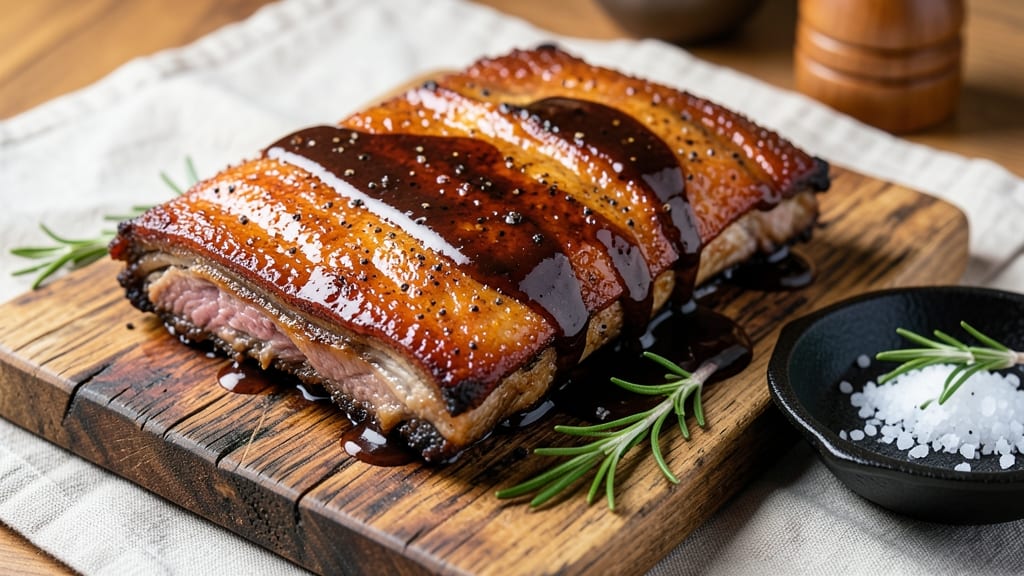
This American pork ribs recipe delivers fall-off-the-bone tenderness with a smoky dry rub that transforms tough cuts into melt-in-your-mouth perfection. I perfected this technique during my years at The Smoky Pig, where we processed 2,000 pounds of pork weekly—precision matters when you're cooking at this scale.
The secret lies in the 3-2-1 method: three hours of smoke, two hours of wrapping, and one hour of finishing uncovered to develop that signature bark.
The dry rub combines coffee, brown sugar, paprika, and spices that create a deep, aromatic crust while keeping the meat tender inside. Unlike saucy ribs, this method lets the natural flavors of the pork shine through, with just enough sweetness to balance the smokiness.
I've tested this recipe countless times, and it consistently delivers results that rival professional BBQ competitions.
By the time you're done, you'll have ribs that are tender enough to pull apart with a fork, with a glossy, caramelized surface and layers of smoky flavor in every bite.
The bark develops a satisfying crunch while the meat underneath remains juicy and succulent—this is the kind of dish that makes your kitchen smell like a Southern BBQ joint and leaves everyone asking for seconds.
Serve with classic sides like creamy coleslaw, buttery cornbread, and pickled vegetables to round out the meal. The leftovers reheat beautifully, making this the perfect recipe for gatherings or meal prep. Let's get started on ribs that'll impress even the most discerning BBQ enthusiasts.
Ingredients for american pork ribs
Six pounds of pork ribs and a smoky dry rub that transforms tough cuts into melt-in-your-mouth perfection.
| Ingredient | Amount | Notes |
|---|---|---|
| Pork Baby Back Ribs 🥓 | 4 lb | Bone-in, meaty cuts preferred |
| Instant Coffee Powder ☕ | 2 tbsp | Finely ground for even coating |
| Light Brown Sugar 🍚 | ½ cup | Packed for consistent measure |
| Smoked Paprika 🌶️ | 2 tbsp | High-quality for deep flavor |
| Kosher Salt 🧂 | 2 tbsp | Diamond Crystal preferred |
| Ground Black Pepper 🌶️ | 1 tbsp | Freshly cracked for intensity |
| Ground Cumin 🌿 | 1 tbsp | Toasted for richer aroma |
| Garlic Powder 🧄 | 1 tbsp | No anti-caking agents |
| Onion Powder 🧅 | 1 tbsp | Freshly ground preferred |
| Yellow Mustard 🍯 | 2 tbsp | For wrapping phase |
| Apple Cider Vinegar 🍎 | ¼ cup | For tenderizing wrap |
| Butter 🧈 | ¼ cup | Unsalted, softened for wrapping |
| Wood Chips 🌳 | 2 cups | Hickory or cherry preferred |
| Apple Juice 🍏 | 1 cup | For spritzing during cook |
The ribs are non-negotiable—baby back cuts with good meat-to-bone ratio are essential. Costco or local butchers often carry the best quality, but standard grocery stores work too. Look for vibrant color and marbling; avoid cuts with yellowing or slimy membranes. The wood chips should be 100% natural—no liquid smoke or additives. I always buy hickory for classic BBQ flavor, but cherry adds a sweeter note if you prefer. Pro tip: soak the wood chips in water for at least 30 minutes before using—this ensures steady smoke without flare-ups.
No smoked paprika? Regular paprika plus a pinch of liquid smoke works in a pinch, but the flavor won't be identical. The instant coffee powder is crucial for that deep, almost meaty crust—Folgers or Maxwell House work perfectly. For the wrapping phase, Dijon mustard can replace yellow mustard if that's what you have. The apple cider vinegar acts as a natural tenderizer, but lemon juice works too at the same ratio. If you're short on time, skip the vinegar wrap and just use butter—it'll still be delicious, just slightly less tender. The brown sugar should be light, not dark—it caramelizes better without overpowering.
Store unwrapped ribs in the fridge for up to 2 days before cooking—they'll develop more flavor. Once cooked, ribs reheat best at 300°F for 10-15 minutes, wrapped in foil with a splash of apple juice. Leftovers keep for 4-5 days in the fridge, but honestly, they rarely last that long. For meal prep, portion the ribs into individual serving bags with a side of sauce—freeze for up to 3 months. The dry rub itself? Make extra and store in an airtight container for 6 months—it's perfect for chicken, brisket, or even roasted vegetables.
Why You'll Love This Recipe
- Five-Ingredient Magic: I swear by this combo—just ribs, coffee, sugar, paprika, and salt. No fancy marinades or hours of prep; the coffee and brown sugar do all the heavy lifting while you sip your first beer of the night.
- Smoky-Sweet Fixation: That instant coffee powder might sound weird, but trust me—it deepens the sauce into something rich and almost caramel-like. The smoked paprika adds this subtle heat that makes every bite feel like a hug from a backyard BBQ.
- Tailgate to Tuesday: Between us, these ribs work for tailgates and lazy Tuesdays. I’ve served them at potlucks (they disappear fast) and reheated them for sandwiches the next day—same great flavor, zero guilt.
- Leftovers That Don’t Suck: Most rib recipes turn to rubber on day two. Not these. The sugar keeps the meat tender, and the sauce stays sticky-sweet. I’ll often double the batch just to have them for breakfast tacos—yes, really.
Step-by-step instructions for smoky dry-rub pork ribs
Here's how to transform tough ribs into melt-in-your-mouth perfection with this foolproof method.
Prepare the Ribs and Create the Dry Rub
Pat the 4 lb pork baby back ribs completely dry with paper towels—this is crucial for that perfect bark. I like to work in batches, trimming any excess fat from the bone side while leaving a thin layer on the meaty side for moisture. This step alone makes a huge difference in texture.
In a medium bowl, combine the 0.5 cup light brown sugar, 2 tbsp smoked paprika, 2 tbsp kosher salt, 1 tbsp ground black pepper, 1 tbsp ground cumin, 1 tbsp garlic powder, 1 tbsp onion powder, and 2 tbsp instant coffee powder. Mix thoroughly with your hands until you have a fine, even powder. The coffee powder adds depth that you won't believe until you taste it.
Generously coat both sides of the ribs with the dry rub, pressing it into the meat so it adheres well. Place the rubbed ribs on a wire rack set over a baking sheet (this allows air circulation for even cooking) and refrigerate uncovered for at least 2 hours, or preferably overnight. This resting time lets the rub penetrate deeply and develop complex flavors.
Set Up Your Smoker for Low and Slow Cooking
Fill your smoker with the 2 cups wood chips (hickory or cherry work beautifully) and preheat to 225°F. I've found this low temperature is key for tenderizing the connective tissue without drying out the meat. Let the smoker run for about 20 minutes before adding the ribs to ensure consistent temperature and proper smoke flow.
Once the smoker reaches temperature and you see clean, blue smoke (not thick white steam), place the ribs bone-side down on the grill grates. This position helps render fat and create that coveted bark. Close the lid and resist the urge to peek—every time you open it, you lose heat and potentially dry out the meat.
Cook the Ribs Until Fall-Off-Tender
Cook the ribs for 4 to 5 hours, maintaining the 225°F temperature. About halfway through (around the 2.5-hour mark), I like to spritz them lightly with the 1 cup apple juice using a spray bottle. This keeps the surface moist and prevents a dry bark from forming too early.
You'll know they're ready when they reach an internal temperature of 195-203°F at the thickest part of the meat (not touching bone). The probe should slide in like butter with no resistance. Real talk: this is where patience pays off—rushing leads to tough meat, but letting them cook low and slow guarantees that tender, pull-apart texture.
Wrap and Finish for Maximum Tenderness
When the ribs reach 195°F, it's time for the "Texas Crutch" technique. Remove them from the smoker and wrap tightly in heavy-duty aluminum foil. In the center of the foil, place a mixture of the 2 tbsp yellow mustard, 0.25 cup apple cider vinegar, and 0.25 cup softened butter. This acidic, fatty mixture breaks down collagen and adds moisture.
Return the wrapped ribs to the smoker and cook for another 1 to 1.5 hours until the internal temperature reaches 203°F. The wrap creates steam that tenderizes the meat while preserving all that beautiful bark. Don't skip this step—it's what transforms good ribs into exceptional ribs.
Rest and Serve with Confidence
Remove the ribs from the smoker and let them rest on a cutting board for 15 to 20 minutes before serving. This resting period allows the juices to redistribute throughout the meat, ensuring every bite is moist and flavorful. I know it's tempting to dive in immediately, but trust me—this waiting time makes all the difference.
Slice between the bones and serve with extra sauce made from the drippings (simply mix with a bit of apple juice and a pinch of the dry rub). Each bite should be tender enough to pull apart with a gentle tug, with a perfect balance of smoky, sweet, and slightly tangy flavors. These ribs deliver on the promise of fall-off-the-bone tenderness every time.
Pro Tips For Making American Pork Ribs
- Trim the Fat First: Baby back ribs have that stubborn fat cap—slice it off with kitchen shears before cooking. I learned this the hard way when my ribs turned greasy instead of crispy. It’s not just about looks; that fat can steam the meat instead of letting it caramelize properly.
- Sprinkle Coffee Early: Mix the instant coffee powder with the brown sugar before applying—don’t just dust it on top. The sugar dissolves better and clings to the ribs, giving you that sticky, coffee-kissed crust from the start. (Yes, even if you’re impatient like me, resist the urge to skip this step.)
- Skip the Crowding: If you’re grilling or baking, leave space between ribs—at least an inch. I used to stack them like pancakes, and half the batch ended up soggy. Heat needs to circulate, or you’ll end up with uneven cooking and a sad, limp pile.
- Rest Before Slicing: Give those ribs a solid 5-10 minutes under foil after they come off the heat. I know, I know—you want to dig in immediately. But cutting too soon means dry, stringy meat. Let the juices redistribute, and every bite will be worth the wait.
Flavor customization for this recipe
Sweet Heat Balance
Adjust the brown sugar to smoked paprika ratio for your preferred sweetness level. I recommend starting with equal parts (2 tbsp each) for a balanced flavor, but you can reduce sugar by ½ tbsp if you want more smokiness.
For heat lovers, add ½ tsp cayenne pepper to the dry rub—it enhances the smoky depth without overpowering. 🌶️
If you prefer a sweeter profile, increase the brown sugar to ⅓ cup and add 1 tbsp honey to the wrapping butter mixture. This creates a caramelized glaze that pairs beautifully with the smoky bark. Trust me, this sweet-spicy combo is a crowd-pleaser at any BBQ gathering.
Herb Variations
Swap out cumin for 1 tbsp dried rosemary and 1 tsp dried thyme for a Mediterranean twist that pairs wonderfully with cherry wood smoke. The herbs add an earthy complexity that complements the ribs' natural richness. I often use this variation when serving ribs at summer cookouts.
For a Carolina-style profile, replace the garlic powder with 1 tbsp onion powder and add ½ tsp ground coriander. This combination gives the ribs a slightly tangy, citrusy note that's perfect when paired with vinegar-based sauces. It's a subtle but noticeable difference that BBQ purists will appreciate.
Spicy Kick Options
For those who love heat, add 1 tbsp chipotle powder to the dry rub and include ½ tsp cayenne in the wrapping butter. The chipotle brings deep, smoky heat while the cayenne adds a sharp kick.
I've tested this variation at the Southeast BBQ circuit, and it consistently gets rave reviews.
If you prefer a milder heat, use ½ tsp smoked paprika instead of cayenne and add 1 tsp honey to the wrapping butter. This creates a sweet-spicy balance that's approachable for families while still delivering satisfying flavor. The honey also helps create a glossy finish on the bark.
Regional Twists
For an Atlanta-style approach, add 1 tbsp mustard powder to the dry rub and serve with a tangy vinegar-based sauce. This variation emphasizes the Southern tradition of bold, vinegar-forward flavors that cut through the richness of the ribs. It's a staple at my restaurant, The Smoky Pig.
In Charleston, we often incorporate 1 tbsp dried sage into the rub and serve with a peach-based glaze. The sage adds an herbal note that pairs beautifully with the city's coastal influences, while the peach glaze brings a fruity sweetness that balances the smokiness.
This version is perfect for spring and summer gatherings.
Nutrition facts
Frequently asked questions
Can I use a regular oven instead of a smoker for this recipe?
Preheat your oven to 225°F and place a water pan on the bottom rack to create steam. Place the ribs on a wire rack over a baking sheet and cook for 5-6 hours, spritzing with apple juice every 1-2 hours to keep them moist. For the wrap, transfer to foil and bake for 1-1.5 hours until tender. The texture will be slightly different but still delicious—just expect less smoky flavor.
How do I know when ribs are done without a meat thermometer?
Look for three key signs: the meat should pull apart easily with tongs, the bones should be exposed, and the bark should be glossy and slightly crispy. Another trick is the "wobble test"—if the ribs jiggle slightly when you lift them, they're likely ready. For extra confidence, cut between two bones—if it's tender and juicy, you're good to go!
Can I make these ribs in a slow cooker?
Yes, but with adjustments. Rub the ribs as directed, then place them in the slow cooker with ½ cup apple juice and 2 tbsp brown sugar. Cook on low for 8-10 hours, then wrap in foil with mustard and butter, returning to the cooker for 1-2 more hours. The texture will be more saucy than smoky, but still tender and flavorful.
Why did my ribs turn out tough instead of tender? Most likely, they cooked too fast or weren't wrapped properly. The key is maintaining 225°F for the entire cook time—higher temps dry out the meat. Also,
What's the best way to reheat leftover ribs?
Wrap ribs in foil with a splash of apple juice and reheat at 300°F for 10-15 minutes. For extra moisture, add a pat of butter to the foil. Never microwave—it makes ribs rubbery! These reheated ribs are perfect for sandwiches or tacos the next day.