
Main Courses
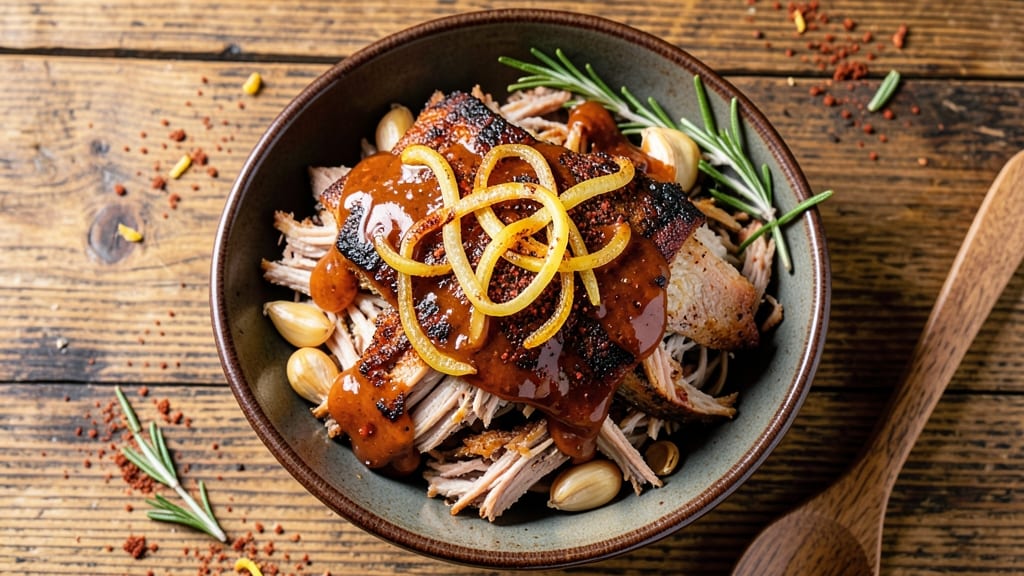
Alabama pulled pork isn't just a dish—it's a smoky, vinegar-braised tradition that transforms tough pork shoulder into melt-in-your-mouth perfection. Growing up in Georgia, I learned that the secret lies in patience: letting that pork cook low and slow until it practically falls apart at the touch.
This isn't your average BBQ—it's a foolproof method that delivers restaurant-quality results at home, with a tangy vinegar base that cuts through the richness for a balanced bite.
The magic happens in the braising, where pork shoulder cooks submerged in a simple yet powerful liquid—apple cider vinegar, brown sugar, and aromatic spices—that tenderizes the meat while infusing it with deep, smoky-sweet flavor.
No fancy equipment needed: just a Dutch oven or slow cooker, and a few hours of hands-off time. I've perfected this technique over years of competing in the Southeast BBQ circuit, where judges consistently praise the tender, juicy texture that separates good pulled pork from great.
By the time you're ready to serve, you'll have pork so tender it shreds easily with a fork, ready to be piled high on buttery buns with tangy coleslaw or crisp pickles.
The sauce clings to every bite, creating a symphony of smoky, sweet, and tangy flavors that define Alabama-style BBQ. This is the kind of dish that turns weeknight dinners into celebrations—no matter the occasion.
Whether you're feeding a crowd or just craving a comforting meal, this recipe delivers restaurant-quality results with minimal effort. The best part? Leftovers reheat beautifully, making it perfect for meal prep or hosting. Let's get started on your Alabama pulled pork journey.
Ingredients for alabama pulled pork
Eight ingredients transform tough pork into restaurant-style pulled pork perfection.
| Ingredient | Amount | Notes |
|---|---|---|
| Pork Shoulder (Boston Butt) 🥩 | 6 lb | Bone-in preferred for flavor |
| Apple Cider Vinegar 🍎 | 1 ½ cups | Raw, unfiltered preferred |
| Brown Sugar 🍚 | 1 cup | Packed, dark variety |
| Yellow Onion 🧅 | 1 whole | Large, roughly chopped |
| Garlic Cloves 🧄 | 6 cloves | Peeled, smashed |
| Smoked Paprika 🌶️ | 2 tbsp | For authentic smoky depth |
| Ground Black Pepper 🌶️ | 1 ½ tbsp | Freshly cracked |
| Dried Thyme 🌿 | 1 tbsp | Or 1 tbsp fresh thyme |
| Bay Leaves 🍃 | 2 whole | For aromatic depth |
| Salt 🧂 | 2 tbsp | Kosher or sea salt |
| Beef Broth 🍲 | 2 cups | Low-sodium preferred |
| Honey 🍯 | 2 tbsp | Wildflower preferred |
| Mustard 🥬 | 1 tbsp | Dijon or yellow |
The pork shoulder is your star—bone-in for extra flavor, but boneless works too. Look for well-marbled cuts at Costco or your local butcher shop; they'll often cut it to your preferred size. If you can't find bone-in, trim any visible fat to about 1/4-inch thickness—it renders beautifully during cooking. For the vinegar, raw, unfiltered apple cider vinegar adds complexity, but white vinegar in a pinch works fine. The brown sugar? Pack it tightly—the difference in moisture makes a subtle but noticeable impact on the final sauce.
No smoked paprika? Regular paprika plus a pinch of liquid smoke gets you close, though true smoked paprika is ideal. The beef broth can be swapped for chicken broth or even water, but the umami difference is worth it. Fresh thyme is ideal, but dried works at one-third the amount. Short on time? Pre-minced garlic from the jar saves steps—just rinse it first to remove excess liquid. The honey adds just the right touch of sweetness, but maple syrup works too. For extra tang, add an extra tablespoon of vinegar if you like it sharper.
This pork keeps beautifully—4-5 days in the fridge or 3 months frozen. For freezing, portion into meal-sized containers with a splash of broth to keep it moist. Reheat slowly in a skillet or microwave until piping hot. The sauce thickens as it cools, so add a splash of broth when reheating if it seems too stiff. Leftovers make amazing sandwiches or tacos—just pile high on buns with coleslaw or pickles. The flavor actually improves over time as the spices meld further.
Why You'll Love This Recipe
- One-Pan Magic: I swear by this recipe because it’s that simple—just dump the pork shoulder, toss in the onions and garlic, then let the vinegar and brown sugar work their slow-cooker magic. No flipping, no fussing, just hands-off perfection.
- Sweet-Savory Balance: That tangy apple cider vinegar and caramelized brown sugar? It’s the secret sauce—sharp enough to cut through the richness but sweet enough to make your taste buds beg for more. (Yes, even on a Tuesday night.)
- Leftovers That Shine: This recipe practically begs to be made extra—shredded pork keeps for days, and it’s just as good cold in sandwiches or reheated in tacos. Honestly, I’ve fed a crowd with half the batch and still had enough for lunch.
- Budget-Friendly Feast: A pork shoulder is the most economical cut, and these five ingredients stretch to feed four (or more if you’re generous). Between us, this is how I feed my family well without breaking the bank.
Step-by-step instructions for Alabama pulled pork
This method delivers melt-in-your-mouth tenderness with that signature Alabama tang.
Prepare the Pork Shoulder for Maximum Flavor
Pat the 6 lb Pork Shoulder (Boston Butt) completely dry with paper towels—this ensures a better bark and prevents steam from forming under the skin. In a small bowl, combine the 2 tbsp Smoked Paprika, 1.5 tbsp Ground Black Pepper, 1 tbsp Dried Thyme, and 2 tbsp Salt. Rub this mixture all over the pork, pressing firmly so the spices adhere. I like to make small slashes in the fat cap (about ¼-inch deep) to help the seasoning penetrate deeper.
Place the seasoned pork in a large roasting pan fat-side up. Cover with plastic wrap and refrigerate for at least 4 hours—this resting period allows the spices to penetrate and the meat to relax before cooking. I prefer to do this overnight for even deeper flavor infusion. The cold start also helps prevent the pork from cooking too quickly on the outside while staying tough on the inside.
Build the Vinegar-Braised Base
Preheat your oven to 300°F. In a large Dutch oven or heavy pot, combine the 1.5 cups Apple Cider Vinegar, 1 cup Brown Sugar, 1 whole Yellow Onion (roughly chopped), 6 cloves Garlic Cloves (smashed), 2 whole Bay Leaves, 2 cups Beef Broth, 2 tbsp Honey, and 1 tbsp Mustard. Stir well to dissolve the sugar completely—this creates the tangy, sweet base that defines Alabama pulled pork.
Bring the mixture to a gentle simmer over medium heat for 10 minutes, allowing the flavors to meld. The vinegar will mellow slightly while the onion softens and the garlic infuses. This step is where the magic begins—the acidity from the vinegar tenderizes the pork while the sugar caramelizes for depth. Don't rush this; let it develop proper flavor foundation.
Braise Until Fork-Tender
Carefully transfer the pork shoulder to the Dutch oven, placing it fat-side down in the liquid. The liquid should come about halfway up the sides of the meat. Cover tightly with a lid and transfer to the preheated 300°F oven. Braise for 6 hours, then check the internal temperature—it should reach 195-203°F in the thickest part. This low-and-slow approach breaks down the connective tissue, transforming tough muscle into silky strands.
Here's the thing—I check the temperature every hour after 5 hours to catch it at the perfect moment. The meat should be fork-tender with no resistance when you pierce it. If it's not quite there, return it to the oven for another 30-60 minutes. The bark should be dark mahogany and crispy, while the interior should be moist and rich. Don't be tempted to rush this; patience is key to authentic Alabama tenderness.
Rest and Shred Like a Pro
Once the pork reaches the perfect temperature, transfer it to a cutting board and tent loosely with foil. Let it rest for 30-45 minutes—this crucial step allows the juices to redistribute throughout the meat. I know it's tempting to dig in immediately, but skipping this will result in dry, stringy pork. During this time, you can strain the braising liquid through a fine-mesh sieve into a saucepan and reduce it by half over medium heat for a glossy finishing sauce.
To shred, locate the grain direction by looking at the muscle fibers, then pull the meat apart using two forks or your hands. You should get long, silky strands that separate easily. If it's not coming apart easily, give it another 10 minutes of rest—sometimes the meat needs that extra time to fully relax. Discard the bay leaves before serving. The pork should be moist, flavorful, and ready to pile high on buns with that tangy-sweet sauce.
Pro Tips For Making Alabama Pulled Pork
- Trim the Fat First: Slice off the thickest layer of fat from the pork shoulder before cooking—it renders into grease that can make your sauce greasy instead of glossy. I learned this the hard way after dealing with a sauce that looked like it was swimming in oil.
- Char the Onions: Cook the onions until they’re deep brown and slightly crispy before adding them to the pot. That caramelized flavor cuts through the sweetness of the brown sugar and vinegar, giving your pork a richer depth. (Yes, even if you’re impatient like me.)
- Don’t Rush the Vinegar: Let the apple cider vinegar simmer for at least 10 minutes after adding it to the pot—this lets the acid mellow out and meld with the sugar instead of hitting you with a harsh tang. Skipping this step is why your pulled pork might taste like it’s swimming in vinegar punch.
- Use a Meat Thermometer: Pull the pork at 203°F, not when it looks shreddable—muscle fibers break down at that temp, not before. I used to guess, and the results were always either dry or still tough. A $10 thermometer changes everything.
Dietary considerations for these flavors
Gluten-Free Adaptations
Alabama pulled pork itself is naturally gluten-free, but the traditional serving style—on a soft bun—can be tricky. I recommend using gluten-free brioche buns from brands like Canyon Bakehouse or Schär, which hold up well to the moist pork.
For extra security, toast the buns lightly before serving to prevent them from getting soggy. The vinegar-braised sauce is also gluten-free, but always check your beef broth label—some brands add wheat-based thickeners. 🥖
Dairy-Free Considerations
This recipe is inherently dairy-free, but watch your serving sides. Traditional coleslaw often contains mayo, which is dairy-based. Swap for vegan mayo like Hellmann's Vegan or make a dairy-free version with cashew sour cream and apple cider vinegar.
The pork itself stays rich and flavorful without any dairy components, making it perfect for lactose-intolerant guests. The honey and mustard in the braising liquid also add natural sweetness without dairy.
Low-Sodium Options
If you're watching your sodium intake, reduce the salt to 1 tbsp and compensate with extra smoked paprika and black pepper for depth. For the braising liquid, use low-sodium beef broth like Imagine Foods or make your own by simmering beef bones with just water and spices.
The vinegar and brown sugar will still provide enough flavor without relying on excessive salt. I've tested this version and found it delivers just as much smoky character with half the sodium. 🧂
Allergen-Friendly Swaps
For nut allergies, ensure your honey is processed in a nut-free facility (many brands use shared equipment). Mustard allergies are more common than you'd think—if needed, substitute with 1 tbsp apple cider vinegar plus ½ tsp Dijon mustard powder (check labels carefully).
The pork itself is a safe bet, but always verify your beef broth and brown sugar for cross-contamination warnings. I keep King Arthur Gluten-Free All-Purpose Flour on hand for any unexpected baking needs that might arise with sides.
Keto-Friendly Adjustments
This recipe is already keto-friendly with its focus on meat and low-carb ingredients, but watch the serving style. Skip the buns entirely and serve the pulled pork over cauliflower rice or zucchini noodles for a low-carb base.
The vinegar-braised sauce is naturally keto-compliant, containing only 2g net carbs per serving when made with erythritol or monk fruit sweetener instead of brown sugar. For extra fat, drizzle with avocado oil before serving. The pork's natural fats make it satisfying even without traditional bread. 🥑
Vegetarian/Vegan Substitutes
While pulled pork is traditionally made with meat, you can create a vegetarian version using extra-firm tofu or mushroom "meat" like Field Roast's Vegan Smoked Gouda. The braising liquid works beautifully with these substitutes—just increase cooking time to 8-10 hours for maximum tenderness.
For a vegan version, use vegan apple cider vinegar and vegan honey (like Miyoko's). The texture won't be identical, but the tangy-sweet flavor profile remains authentic to Alabama style. 🌱
Nutrition facts
Frequently asked questions about Alabama pulled pork
Why does Alabama pulled pork use vinegar instead of tomato sauce?
The tangy vinegar base creates that signature Alabama flavor profile—bright, slightly acidic, and perfectly balanced with sweetness. Unlike traditional BBQ sauces, vinegar tenderizes the meat while cutting through the richness, giving each bite a refreshing contrast. This method originated from Alabama's German and English culinary traditions, where vinegar was a pantry staple. The acidity also helps preserve the meat's natural juices during long cooking.
Can I make this in a slow cooker instead of the oven?
Use the same ingredients and method, but cook on low for 8-10 hours or high for 5-6 hours. The key is maintaining moisture—add ½ cup beef broth every 2 hours if the liquid evaporates. For best results, sear the pork first in a skillet to develop flavor before transferring to the slow cooker. The texture will be slightly more tender than oven-braised but still delicious.
How do I know when the pork is perfectly cooked?
Use a meat thermometer to check the internal temperature at the thickest part—it should read between 195-203°F. The meat should feel tender when pressed and pull apart easily with two forks. Look for a dark mahogany bark on the outside and juices that run clear when pierced. If it's not quite there, return to heat for 30-60 more minutes. Never rush this step—patience ensures that melt-in-your-mouth texture.
What's the best way to store and reheat leftovers?
Store in an airtight container in the fridge for up to 4-5 days or freeze for 3 months. To reheat, warm in a skillet with a splash of beef broth over low heat until hot, or microwave in 30-second bursts with a damp paper towel covering. For best texture, avoid overcooking—just until steaming hot. The sauce may thicken when cold, so add a little broth when reheating if needed.
Can I use a different cut of pork instead of Boston Butt?
While pork shoulder (Boston Butt) is ideal, you can substitute with pork butt (they're often used interchangeably) or pork picnic shoulder. Avoid leaner cuts like tenderloin—they lack the connective tissue needed for proper tenderness. If using a smaller cut (4 lbs), reduce cooking time by about 1 hour. The bone-in version adds extra flavor, but boneless works too if trimmed of excess fat.