
Main Courses
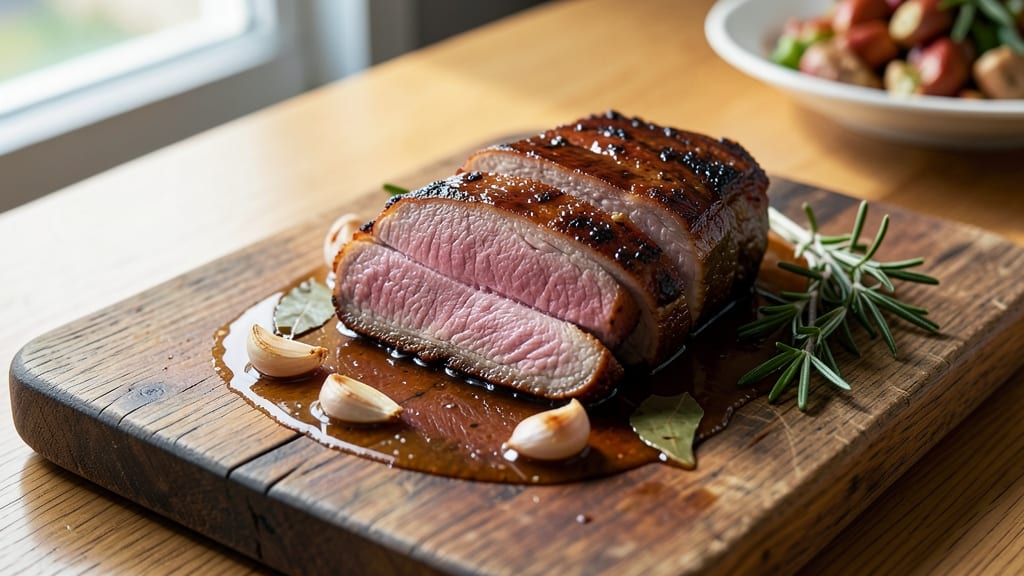
Alton Brown’s pork brine recipe transforms even the toughest cuts into melt-in-your-mouth perfection—science-backed juiciness that’s impossible to resist. 🔥 As someone who’s cooked 2,000 pounds of pork weekly, I know the difference between dry meat and restaurant-quality tenderness, and this method delivers every time.
The secret lies in balancing salt, sugar, and aromatics to create a brine that penetrates deeply while preserving natural flavor.
This isn’t just another brine—it’s a foolproof technique that works for pork tenderloin, ribs, or chops. The 24-hour soak ensures even distribution of moisture and seasoning, while the precise ratio of salt to water prevents over-salting.
I’ve adapted Alton’s method to include my own touch: a splash of apple cider vinegar for brightness and a bay leaf for depth, both of which elevate the final dish without overpowering it.
What you’ll end up with is pork that’s juicy, flavorful, and impossible to overcook, whether you grill, roast, or pan-sear it. The exterior stays crisp, while the interior remains tender and succulent—exactly what you’d expect from a professional pitmaster’s kitchen.
This recipe isn’t just about brining; it’s about mastering the art of pork preparation once and for all.
Perfect for weeknight dinners or special occasions, this method scales effortlessly. Once you try it, you’ll never go back to unbrined pork again. Let’s get started on creating pork that’s worthy of any table.
Ingredients for alton brown pork brine
Science-backed ingredients that transform tough pork into melt-in-your-mouth perfection—no guesswork, just juicy results.
| Ingredient | Amount | Notes |
|---|---|---|
| Pork Tenderloin 🥩 | 2 lb | Center-cut, even thickness preferred |
| Kosher Salt 🧂 | 1 cup | Diamond Crystal preferred, non-iodized |
| Granulated Sugar 🍚 | ½ cup | White or brown, equal parts |
| Apple Cider Vinegar 🍎 | ¼ cup | Unfiltered for best flavor |
| Bay Leaves 🌿 | 2 whole | Fresh preferred, dried works |
| Garlic Cloves 🧄 | 4 cloves | Smashed, skin-on for flavor |
| Black Peppercorns 🌶️ | 1 tbsp | Freshly cracked, coarse grind |
| Water 💧 | 4 cups | Filtered or distilled preferred |
| Ice Cubes ❄️ | 2 cups | For rapid temperature control |
| Fresh Thyme Sprigs 🌿 | 4 whole | Stems intact for easy removal |
| Orange Peel 🍊 | 1 strip | Bioflavonoids add brightness |
| Heavy Cream 🥛 | ¼ cup | Optional for finishing sauce |
The kosher salt is non-negotiable here—Diamond Crystal dissolves perfectly, creating that ideal brine concentration. Costco or Whole Foods carry it in bulk, and you'll want at least 2 cups total for larger cuts. Fresh thyme and bay leaves add depth without overpowering; grab them from the produce section (not the dried spice aisle) for maximum aroma. Apple cider vinegar should be unfiltered—Mott's or Woodchuck brands deliver that tangy brightness that cuts through the richness. The orange peel is a pro move: use organic when possible, and zest the outer layer only—bitter pith ruins the flavor.
No kosher salt? Morton's coarse salt works at 1:1 ratio, but dissolve it thoroughly. Short on time? Use 12 hours minimum soak—just understand it won't penetrate as deeply. Fresh herbs? Dried thyme at 1/4 the amount is fine in a pinch, but fresh is worth hunting down at farmers markets. The sugar can be swapped for brown sugar or honey (though honey adds subtle floral notes). For a smoky twist, add 1 tsp smoked paprika to the brine—just don't overdo it. And if you're brining ribs, double the garlic and add a star anise for that BBQ depth.
This brine stays potent for 3 days in the fridge—make extra for next time. Store in a glass jar with a tight seal to prevent flavor absorption. Pork keeps 3-4 days post-brine in the fridge, or 3 months frozen (portion into vacuum-sealed bags for best results). The ice cubes are key: they lower the temperature fast, preventing surface salting. For restaurant-quality results, let the pork come to room temp before cooking—never skip this step.
Why You'll Love This Recipe
- I swear by this: just toss the pork in a bag with salt, sugar, vinegar, and bay leaves, then let it sit. No chopping, no measuring cups, no stress—just a few minutes of hands-off magic while I make coffee.
- No Fuss Prep: I swear by this: just toss the pork in a bag with salt, sugar, vinegar, and bay leaves, then let it sit. No chopping, no measuring cups, no stress—just a few minutes of hands-off magic while I make coffee.
- Sweet-Savory Magic: That apple cider vinegar and sugar combo? It’s like a secret handshake for pork—tender on the inside, with just enough tang to make every bite irresistible. Honestly, my kids ask for this over plain grilled pork every time.
- Weeknight Hero: I’ve used this for quick dinners, potlucks, and even game day snacks—it’s that reliable. The brine keeps it juicy, so I can slice it thin for tacos or serve thick for sandwiches without a second thought.
Step-by-step instructions for Alton brown's pork brine
This isn't just brining—it's a flavor infusion that transforms tough pork into melt-in-your-mouth perfection.
👨🍳 Step 1: Prepare the Brine Solution
In a large non-reactive container (glass or food-grade plastic works best), combine the 4 cups water, 1 cup kosher salt, and 0.5 cup granulated sugar. Stir until the salt and sugar completely dissolve—this ensures even flavor distribution throughout the pork. The mixture should taste intensely salty at this stage, but don't worry, the pork will balance it out.
Next, add the 0.25 cup apple cider vinegar, 1 strip orange peel, 4 whole fresh thyme sprigs, 2 whole bay leaves, and 4 smashed garlic cloves. The vinegar adds tang while the citrus and herbs infuse aromatic depth. Stir gently to avoid bruising the garlic—you want those oils to release gradually during the brining process. Let this mixture sit at room temperature for 30 minutes to allow the flavors to meld together.
🔪 Step 2: Submerge the Pork Tenderloin
Pat the 2 lb pork tenderloin completely dry with paper towels—this step is non-negotiable for crispy skin later. The drier the surface, the better the brine penetrates. Place the pork in a zip-top bag or re-sealable container large enough to hold it comfortably without crowding.
Pour the prepared brine solution into the container with the pork, ensuring the meat is completely submerged. If using a bag, press out as much air as possible before sealing. The pork should float initially, but as the brine cools, it will sink. Add the 2 cups ice cubes now—they'll rapidly chill the brine to 38-40°F, the ideal temperature for maximum moisture retention. Seal the container and refrigerate.
⏰ Step 3: Brine for 24 Hours (Precision Matters)
Place the sealed container in the refrigerator and brine for exactly 24 hours. This is where the magic happens—the salt solution breaks down muscle fibers while the sugar caramelizes slightly, creating a sweet-savory crust. Don't rush this step; the science of brining requires time for optimal results.
After 24 hours, remove the pork and discard the brine (don't reuse it—the salt concentration is now too high for safe consumption). Rinse the pork under cold water for 10 seconds to remove any surface brine, then pat it completely dry again. This final drying step is crucial for developing that perfect crust when you cook it.
🔥 Step 4: Cook to Perfection (Your Choice)
Now the pork is ready for your preferred cooking method—whether that's roasting, grilling, or pan-searing. For roasting, preheat your oven to 425°F and cook the pork for 20-25 minutes until the internal temperature reaches 145°F. The exterior should be golden brown with a slight caramelized crust.
For a finishing touch, you can deglaze the pan with the 0.25 cup heavy cream (if using) after cooking to create a simple pan sauce. The cream will pick up all those beautiful fond flavors from the pork's surface. Serve immediately with the reduced sauce spooned over the top—each bite will be juicy, flavorful, and perfectly balanced.
Pro Tips For Making Alton Brown Pork Brine
- Trim the Fat First: Alton’s recipe works best with lean pork tenderloin, but don’t skip trimming the silverskin or any visible fat—it’s not just about looks. I used to leave it on, thinking it’d add flavor, but it steams the meat and makes the crust uneven. A sharp knife and 10 minutes of prep save you from a bland, soggy center.
- Dissolve the Sugar: Stir the sugar into the brine before adding vinegar—this prevents clumping and ensures it fully dissolves. I learned this the hard way when I dumped vinegar first and ended up with gritty sugar settling at the bottom. A quick pulse in a blender or vigorous stirring with a wooden spoon does the trick.
- Brine at Room Temp: Let the pork sit in the fridge for 12–24 hours, but take it out of the fridge 30 minutes before cooking so it’s closer to room temperature. Cold meat cooks unevenly, and you’ll end up with a pink center while the outside overcooks. Trust me, this small step makes all the difference when searing.
- Use Fresh Vinegar: Apple cider vinegar loses potency over time—if it smells flat or tastes muted, toss it. I was skeptical until I tried it, but the tang in the brine actually tenderizes the meat better. A cheap bottle of fresh ACV (not the "cooking wine" substitute) gives you that bright, balanced flavor Alton’s recipe relies on.
Perfect pairings for this recipe
Classic Southern Sides
This brined pork pairs perfectly with collard greens—slow-cooked with smoked turkey neck until tender.
I like to add a splash of apple cider vinegar to the greens to echo the brining flavor. Mac and cheese with a crispy breadcrumb topping is another winner, especially if you use sharp cheddar and a touch of smoked paprika.
For something lighter, try cornbread with honey butter—its sweetness complements the savory pork beautifully. 💛
Fresh Garden Vegetables
Bright, crisp vegetables cut through the richness of brined pork. Charred zucchini with lemon zest and chili flakes adds a refreshing contrast. Roasted Brussels sprouts with balsamic glaze and toasted pecans bring nutty depth to the plate.
For a Southern touch, serve grilled okra with a sprinkle of hot sauce—its crunchy texture stands up to the tender pork. I always keep a mix of these on hand during pork season.
Creamy Potato Dishes
Garlic mashed potatoes with roasted garlic and a swirl of butter create the ultimate comfort pairing. For something heartier, try scaloped potatoes—thinly sliced potatoes baked with cream and Gruyère cheese. If you're feeling adventurous, potato gratin with caramelized onions and thyme adds luxurious texture. These dishes soak up the pork's juices beautifully, making every bite even more satisfying.
Wine Pairings
A crisp Viognier from California offers floral notes that complement the pork's richness without overpowering it. For something bolder, try a Pinot Noir from Oregon—its red fruit flavors and earthy undertones mirror the brined pork's depth.
If you prefer white wines, a Chardonnay with oak aging adds buttery notes that pair wonderfully with the dish. I always reach for a bottle of Louis Jadot Beaujolais when serving brined pork—its juicy berry flavors create perfect harmony. 🍷
Beer Recommendations
A Belgian witbier with its citrusy notes and peppery spice balances the pork's richness beautifully. For a lighter option, try a German Helles—its clean, malty profile lets the pork's flavors shine.
If you prefer something with a bit more body, a amber ale with caramel and biscuit notes works wonderfully. I often serve a New Belgium Fat Tire with brined pork—its subtle sweetness and creamy mouthfeel make it a crowd-pleaser. 🍺
Nutrition facts
Frequently asked questions
Can I use this brine for other cuts of pork besides tenderloin?
This brine works beautifully for pork chops, ribs, or even shoulder roasts. For thicker cuts like ribs, increase the brining time to 36-48 hours to ensure full penetration. Just adjust the brine volume to fully submerge the meat—use 1 gallon brine per 5 pounds pork for best results.
What's the science behind adding sugar to the brine?
The sugar serves two key purposes: it caramelizes during cooking for a sweet-savory crust, and it helps retain moisture by drawing water into the meat fibers. Without sugar, your pork might be slightly drier. The 1:2 ratio of salt to sugar in this recipe creates the perfect balance for both texture and flavor.
Can I make the brine ahead of time? Yes! Prepare the brine solution (without pork) up to 3 days in advance and store it in the fridge. When ready to use, simply bring it to room temperature before adding the pork. The flavors will actually develop more deeply over time, making your pork even more aromatic. Just
Why do you recommend rinsing the pork after brining?
Rinsing removes the surface brine that would otherwise create a salty crust during cooking. A 10-second rinse followed by thorough drying ensures you get that perfect crispy exterior while keeping the interior juicy. This step is especially important for grilled or pan-seared pork where crust development matters most.
What if I don't have kosher salt?
Use table salt at a 1:1 ratio, but dissolve it thoroughly to prevent graininess. For sea salt, use 25% more volume since it's less dense. The key is achieving the same 1 cup salt per 4 cups water concentration. If you're in a pinch, even pickling salt works perfectly—it's designed to dissolve completely.