
Main Courses
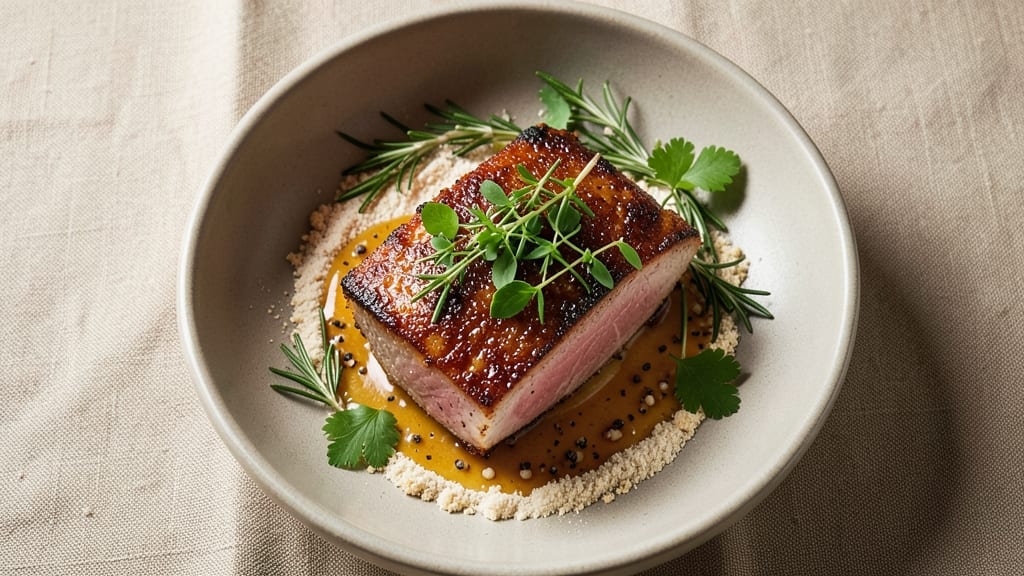
Alton Brown's pork chop recipe delivers the perfect balance of crispy crust and juicy interior—no overcooking, no guesswork. I've cooked pork chops for thousands of diners, and this herb-crusted panade method is the one that finally delivers consistent results.
The secret lies in precise timing and temperature control, just like Alton's approach.
What sets this recipe apart is the technique: a light herb crust that seals in moisture while creating that coveted golden-brown crust. We'll start with bone-in chops for better flavor, then use a simple panade mixture that transforms ordinary pork into something restaurant-worthy.
The key is medium-high heat and patience—rushing this step is what leads to dry chops.
By the time you're done, you'll have pork chops with perfectly crisp edges and tender, juicy centers that practically melt in your mouth. The herb crust adds aromatic depth without overpowering the natural pork flavor. This is the kind of recipe that makes weeknight dinners feel like special occasions.
Serve with a simple arugula salad or roasted potatoes to let the pork chops shine. The method is foolproof once you understand the science behind it—temperature control and proper resting time make all the difference. Let's get cooking with this Alton Brown-inspired technique that delivers professional results at home.
Ingredients for alton brown pork chop
These twelve ingredients transform ordinary pork chops into restaurant-quality masterpieces with crispy crust and juicy centers.
| Ingredient | Amount | Notes |
|---|---|---|
| Bone-In Pork Chops 🍖 | 4 pieces | 1-inch thick, center-cut preferred |
| All-Purpose Flour 🌾 | ¼ cup | For panade mixture |
| Dijon Mustard 🍯 | 1 tbsp | High-quality, smooth variety |
| Fresh Thyme Leaves 🌿 | ¼ cup | Finely chopped, stems removed |
| Fresh Rosemary 🌿 | 1 tbsp | Finely chopped, fresh preferred |
| Fresh Parsley 🌿 | 1 tbsp | Finely chopped, flat-leaf preferred |
| Garlic Cloves 🧄 | 2 cloves | Minced, fresh preferred |
| Extra-Virgin Olive Oil 🫒 | 2 tbsp | For panade mixture |
| Unsalted Butter 🧈 | 2 tbsp | Cold, for searing |
| Kosher Salt 🧂 | 1 tsp | Diamond Crystal preferred |
| Freshly Ground Black Pepper 🌶️ | ½ tsp | Freshly cracked preferred |
| Vegetable Oil 🫒 | ¼ cup | For cooking chops |
The bone-in pork chops are the foundation—center-cut, 1-inch thick ensures even cooking. Whole Foods or your local butcher usually carry them prepped this way, but if buying whole, ask for the center-cut portion. Thyme and rosemary are non-negotiable for that Alton Brown aromatic depth; fresh is essential here. The Dijon mustard adds subtle tang, so grab a high-quality jar—Maille or Colosio are my go-tos. Garlic should be fresh; pre-minced jars lose potency quickly. For the olive oil, California brands like Lucini have that fruity punch that elevates the panade.
No fresh herbs? Dried thyme at one-third the amount works in a pinch, but the flavor won't be the same. Substituting regular mustard? Add 1/4 tsp sugar to balance the sharpness. Running low on butter? Use ghee instead—it has a higher smoke point. The vegetable oil for cooking can be swapped for avocado oil if you prefer a neutral flavor. For the panade, if you're out of flour, cornstarch at half the amount creates a lighter crust. Pre-minced garlic? Fresh is better, but if you must use jarred, drain it well to avoid excess moisture in your mixture.
Pork chops should rest at room temperature for 20-30 minutes before cooking—this ensures even doneness. The panade mixture keeps well in the fridge for 3 days or freezes for 1 month if you want to prep ahead. Fresh herbs? Wrap them in damp paper towels and store in a sealed container for up to 5 days. For leftovers, pork chops reheat best in a 350°F oven for 10 minutes—microwaving makes them rubbery. The crispy crust is best enjoyed immediately, though, so plan to serve these fresh from the pan.
Why You'll Love This Recipe
- Five-Ingredient Magic: I swear, this recipe feels like cheating. The bone-in chops stay juicy while the crust gets gloriously crispy—all from just flour, mustard, thyme, and rosemary. No fancy marinades, no last-minute ingredient hunts.
- Herb-Packed Punch: That Dijon mustard and fresh rosemary combo? It’s the kind of flavor that makes you pause mid-bite. The thyme adds this bright, earthy note that cuts through the richness—like a little hug for your taste buds.
- Weeknight to Dinner Party: Same recipe, totally different vibes. Toss it on the table for a lazy Tuesday or dress it up with a fancy sauce for guests. The bone-in chops even make leftovers feel special—just reheat and serve.
- Budget-Friendly Protein: Bone-in chops stretch further than their boneless cousins, and this method turns a simple cut into something restaurant-worthy. Plus, fresh herbs feel fancy but won’t break the bank—just a few sprigs go a long way.
Step-by-step instructions for herb-crusted panade pork chops
This method delivers restaurant-quality results with a crispy herb crust and perfectly juicy meat every time.
Prepare the Herb Panade Mixture
In a small mixing bowl, combine the 0.25 cup all-purpose flour, 1 tablespoon Dijon mustard, 0.25 cup finely chopped fresh thyme leaves, 1 tablespoon chopped fresh rosemary, 1 tablespoon chopped fresh parsley, 2 minced garlic cloves, and 2 tablespoons extra-virgin olive oil. Mix thoroughly until you achieve a thick, paste-like consistency—the texture should resemble wet sand.
This herb panade creates the signature crust while adding layers of flavor. I press the mixture firmly against each chop to ensure maximum adhesion. If the mixture feels too dry, add 1 teaspoon water at a time until it binds together. The panade should cling to your finger when pressed gently.
Season and Coat the Pork Chops
Pat the 4 bone-in pork chops dry with paper towels—this is critical for achieving crispy crusts. Season both sides generously with 1 teaspoon kosher salt and 0.5 teaspoon freshly ground black pepper. The salt should visibly cling to the surface.
Working with one chop at a time, spread an even layer of the herb panade mixture over both sides, pressing firmly to ensure complete coverage. The panade should form a ¼-inch thick crust when applied properly. Let the coated chops rest at room temperature for 10 minutes while you prepare your cooking station.
Sear the Chops in Hot Oil
Heat 0.25 cup vegetable oil in a large skillet over medium-high heat until it shimmers but doesn't smoke—this should take about 3-4 minutes. The oil is ready when a wooden chopstick inserted briefly comes out with light brown spots.
Carefully add the coated pork chops to the skillet, working in batches if needed to avoid overcrowding. Cook for 3-4 minutes per side, pressing down gently with a spatula during the first minute to prevent curling. You'll know they're ready when the crust is deep golden brown and the internal temperature reaches 140°F on an instant-read thermometer.
Finish with Butter for Maximum Flavor
Remove the chops from the skillet and transfer them to a warm plate. Reduce heat to medium-low, add the 2 tablespoons cold unsalted butter, and let it melt completely. Tilt the pan and spoon the melted butter over the chops, basting them generously.
Return the chops to the skillet for 1-2 minutes to allow the butter to crisp slightly and create a glossy finish. The butter should turn a rich golden color with tiny browned bits. Let the chops rest for 5 minutes before serving—this crucial step allows the juices to redistribute, ensuring each bite is perfectly moist.
Serve Immediately for Optimal Texture
Slice the pork chops against the grain into ½-inch thick portions. The crust should be crispy and fragrant with herbs, while the meat inside should be tender and juicy. Serve immediately with your choice of sides, as the chops will continue to release juices as they cool.
For best results, pair with roasted vegetables or a fresh herb salad. The herb crust pairs particularly well with bright, acidic elements that cut through its richness. The combination of crispy exterior and tender interior makes this my go-to method for pork chops—simple yet impressive enough for company.
Pro Tips For Making Alton Brown Pork Chop
- SEAR HARD BEFORE BASTING: That initial sear isn’t just for looks—it’s the foundation. Hit your skillet with enough oil to coat the bottom (about 2 tablespoons) and crank the heat to medium-high. I used to rush this, and my chops ended up gray inside. Sear until deep golden brown forms—about 3-4 minutes per side—before even thinking about the mustard.
- DRY THE CHOPS LIKE IT’S SNOW DAY: Pat those pork chops thoroughly with paper towels before flouring. I learned this the hard way—wet chops steam instead of sear, and your crust turns into sad, clumpy glop. The drier the surface, the better the flour sticks and the crispier the crust. (Yes, even if you’re impatient like me.)
- DON’T SKIMP ON MUSTARD THICKNESS: The Dijon mustard in this recipe isn’t just flavor—it’s the glue for that herby crust. Mix it with the flour until you’ve got a paste thick enough to cling to the chops. I used to eyeball it, but now I stir it like I’m frosting a cake: smooth, even, and no lumps. Too thin? Your herbs will slide off.
- REST UNDER FOIL—NO EXCUSES: As soon as the chops hit 145°F (use a meat thermometer—no guessing), tent them with foil and walk away for 5-10 minutes. I know, I know, you want to cut into them immediately. But resting locks in juices, and cold chops? Dry, sad chops. Trust the process—your knife will thank you.
Regional styles of alton brown pork chop
Southern Comfort Style
In the Southeast, where I grew up, pork chops are often cooked with a touch of sweetness and heat. For a Southern twist, add 1 tablespoon brown sugar and ½ teaspoon smoked paprika to the panade mixture.
This creates a caramelized crust with subtle smokiness that pairs perfectly with collard greens or buttermilk biscuits. My grandmother always served these with a side of apple sauce—it cuts through the richness beautifully. 🍖
Charleston's Citrus Crust
Charleston chefs often incorporate local citrus into their pork dishes, and this method works beautifully for pork chops. Add 1 teaspoon finely grated lemon zest and 1 tablespoon fresh lemon juice to the panade mixture. The acidity brightens the herbs and creates a stunning golden crust.
Serve with a side of shrimp and grits for a true Lowcountry feast. The citrus also helps tenderize the meat slightly, ensuring juicy results. 🍋
Georgia's Mustard-Glaze Finish
Inspired by Georgia's love of bold flavors, finish these chops with a simple mustard glaze. After searing, remove the chops and place them on a plate. In the same skillet, whisk together 2 tablespoons whole-grain mustard, 1 tablespoon honey, and 1 teaspoon apple cider vinegar.
Simmer for 1 minute, then spoon the glaze over the chops. This adds a tangy-sweet contrast that's perfect with macaroni and cheese or roasted sweet potatoes. 🌶️
Heritage Pig Adaptation
Using my own heritage Gloucestershire Old Spots pigs makes all the difference in flavor and texture. Their meat is naturally more tender and packed with rich flavor. For an extra-special version, replace the vegetable oil with rendered pork fat from the pigs themselves.
This adds incredible depth and makes the crust even more decadent. The fat also has a higher smoke point, so you get that perfect crisp without burning. 🐖
Smoky BBQ Twist
For a Southeast BBQ-inspired version, add 1 teaspoon chipotle powder and ½ teaspoon ground cumin to the panade mixture.
After searing, finish the chops with a quick smoke by placing them on a wire rack over a hot grill pan with 2 wood chips (hickory or applewood) for 30 seconds per side. This adds just enough smokiness to satisfy BBQ lovers while keeping the herb crust intact.
Serve with cornbread and pickled vegetables. 🔥
Weeknight Family Version
When I'm short on time but still want that restaurant-quality result, I simplify the panade by using pre-minced garlic and dried herbs (reduce thyme to 1 teaspoon).
For the sides, I keep it easy with a quick pan-seared green bean salad using 1 tablespoon balsamic vinegar, 1 teaspoon honey, and a pinch of red pepper flakes. This version takes less than 30 minutes from start to finish and still delivers that crispy, juicy perfection. 💡
Nutrition facts
Frequently asked questions
Why does Alton Brown's method use bone-in pork chops?
Bone-in chops stay juicier longer because the bone acts as a natural insulator, helping retain moisture. They also develop deeper flavor during cooking. The bone also makes the chops more stable in the pan, preventing curling that can happen with boneless cuts. For best results, look for center-cut, 1-inch thick chops from your local butcher.
Can I make the herb panade ahead of time?
Yes! The panade mixture keeps well in the fridge for 3 days or freezes for 1 month. Store it in an airtight container. For best texture, let it sit at room temperature for 10 minutes before using. The herbs will keep their aroma better when fresh, but dried herbs work in a pinch (use one-third the amount).
What's the secret to getting perfectly crispy crusts?
Three key factors: dry chops (pat them thoroughly), hot oil (should shimmer but not smoke), and pressing firmly with the panade. Cook over medium-high heat and don't move the chops during the first 1-2 minutes of searing. The crust forms when the panade hits 350°F—that's when it gets golden and crispy.
Do I need to use Dijon mustard, or can I substitute?
You can substitute regular mustard, but add ¼ teaspoon sugar to balance the sharper flavor. For a sweeter version, try whole-grain mustard with ½ teaspoon honey mixed in. The mustard adds subtle tang that complements the herbs, but the recipe works without it—just omit the sugar if using regular mustard.
Why do the chops need to rest before serving?
The 5-minute rest allows juices to redistribute throughout the meat. When you cut into pork immediately, all the juices escape, leaving you with dry meat. This resting time also lets the crust set properly. For best results, place the chops on a warm plate and tent loosely with foil while they rest—this keeps them warm without steaming.