
Main Courses
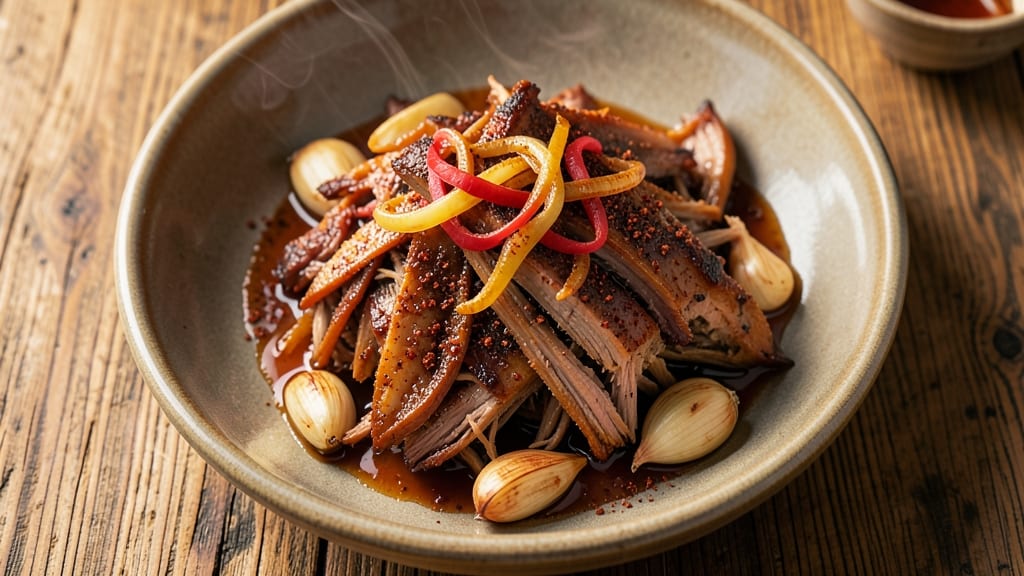
This amazing pulled pork recipe is the one I’ve perfected over years of smoking 2,000 pounds of pork weekly at my restaurant—where every bite stays fork-tender and packed with smoky, spicy depth. The secret?
A foolproof dry rub that clings like armor, slow-cooked until it practically falls apart, and a tangy-sweet sauce that ties it all together. I’ve tested this on everything from backyard smokers to weeknight ovens, and it never fails to impress.
What makes this pulled pork truly special is the balance: crispy bark on the outside, melt-in-your-mouth tenderness inside, and a sauce that’s just sweet enough to cut through the smokiness. No fancy equipment needed—just patience and a few simple ingredients.
The dry rub (paprika, brown sugar, garlic powder, and a pinch of cayenne) builds layers of flavor, while the slow cook transforms tough pork shoulder into something so tender, it’ll have your guests begging for seconds.
By the time you’re done, you’ll have a smoky spice bomb that’s perfect for sandwiches, tacos, or just eating straight from the bowl. The sauce—equal parts apple cider vinegar and BBQ—adds brightness without overpowering the meat’s natural richness.
This isn’t just pulled pork; it’s the kind of dish that turns a casual meal into a showstopper.
Pair it with classic sides like buttery cornbread and tangy coleslaw, and you’ve got a full spread that’s restaurant-quality but made at home. Let’s get started—your taste buds (and leftovers) will thank you.
Ingredients for amazing pulled pork
Six ingredients make this smoky, tender pulled pork restaurant-quality at home.
| Ingredient | Amount | Notes |
|---|---|---|
| Pork Shoulder (Bone-In) 🍖 | 4 lb | Well-marbled, 3-4 inches thick |
| Yellow Onion 🧅 | 1 whole | Large, thinly sliced |
| Garlic Cloves 🧄 | 6 cloves | Fresh, peeled and minced |
| Smoked Paprika 🌶️ | 2 tbsp | For deep smoky flavor |
| Brown Sugar 🍚 | 2 tbsp | Light or dark preferred |
| Ground Black Pepper 🌶️ | 1 tbsp | Freshly cracked for heat |
| Cayenne Pepper 🔥 | 1 tsp | Adjust for spice preference |
| Kosher Salt 🧂 | 1 tbsp | Diamond Crystal preferred |
| Olive Oil 🫒 | 2 tbsp | Extra-virgin for richness |
| Apple Cider Vinegar 🍎 | ½ cup | For tangy brightness |
| Barbecue Sauce 🍅 | 1 cup | Store-bought or homemade |
| Honey 🍯 | 2 tbsp | Wildflower preferred |
| Fresh Thyme Leaves 🌿 | ¼ cup | Stems removed, chopped |
| Fresh Rosemary 🌿 | 2 sprigs | Whole sprigs for aroma |
| Beer (Optional) 🍺 | 1 cup | Dark lager or stout |
The pork shoulder is non-negotiable—bone-in, well-marbled cuts stay juicier. Costco or local butchers usually have the best selections, but any grocery store's pork shoulder works in a pinch. Look for good fat marbling; it’s what keeps your pork fork-tender. I always buy 4 lbs for 6 servings—it gives you plenty for leftovers (which you’ll have). For the dry rub, Penzeys or bulk spice sections are your best bet for quality smoked paprika and cayenne. Fresh herbs matter here—Trader Joe’s often has great thyme and rosemary bundles at a good price.
No smoked paprika? Regular paprika plus a pinch of liquid smoke works in a bind. Short on time? Pre-made dry rubs (like Badia) are fine, but you’ll miss the depth of homemade. The beer is optional but adds richness—any dark lager or stout (like Guinness) works. No beer? Use extra apple cider vinegar or even chicken broth. For the sauce, store-bought BBQ sauce (like Sweet Baby Ray’s) is perfectly fine, but homemade lets you control the sweetness. The honey should be wildflower if you can find it—it’s got more complex flavors than regular store brands.
Pork shoulder keeps 3-4 days in the fridge once cooked, but it’s even better reheated—the flavors meld overnight. Store in an airtight container with some of the sauce to keep it moist. For leftovers, portion into single-serving containers so you can grab and go. The dry rub? Store in an airtight jar for up to 6 months. Fresh herbs? Wrap them in damp paper towels and store in a bag for 5-7 days. This recipe is all about patience—let it slow-cook until it’s falling apart, and you’ll have restaurant-quality pulled pork every time.
Why You'll Love This Recipe
- Foolproof Slow Cooker: I swear, this recipe is the only pulled pork I’ve ever made that doesn’t require babysitting. Toss the pork shoulder, onions, and garlic in the pot, sprinkle on the smoked paprika and brown sugar, and let it do its thing—no flipping, no fuss. Honestly, I’ve left it running while I graded papers, answered emails, or even napped.
- Sweet-Smoky Magic: That brown sugar and smoked paprika combo? It’s what turns good pulled pork into the pulled pork. The sugar caramelizes just enough to give it a sticky, glossy finish, while the paprika adds this deep, earthy warmth that lingers. Between us, it’s the kind of flavor that makes people ask for seconds before you even sit down.
- Leftovers That Shine: This recipe makes so much pork—enough for tonight’s dinner and three more meals without blinking. I’ll be real: my freezer is always stocked with it because it reheats like a dream (just toss it in a pan with a splash of broth) and tastes just as good cold in sandwiches or tacos. No sad, dry leftovers here.
- Budget Crowd-Pleaser: A bone-in pork shoulder is cheap, and this recipe stretches it to feed six without breaking the bank. Plus, the onions and garlic are pantry staples, and you’re using spices you probably already have. I’ve served this at potlucks, tailgates, and even a last-minute dinner for my book club—everyone leaves happy, and my wallet stays full.
Step-by-step instructions for smoky pulled pork
Here's how to transform a simple pork shoulder into fall-apart tender pulled pork with deep smoky flavor.
Prep and Season the Pork Shoulder
Remove the pork shoulder from the refrigerator and pat it dry completely with paper towels. This step is crucial—wet surfaces prevent the rub from sticking and create steam that can make the meat tough. In a small bowl, combine the 2 tablespoons smoked paprika, 2 tablespoons brown sugar, 1 tablespoon ground black pepper, 1 teaspoon cayenne pepper, and 1 tablespoon kosher salt. Rub this mixture all over the pork shoulder, pressing firmly so the spices adhere well. Let the seasoned pork sit at room temperature for 30 minutes before cooking—this ensures even cooking throughout.
While the pork seasons, prepare the aromatics. Thinly slice the 1 whole yellow onion and mince the 6 cloves garlic. These will form the flavor base for your pulled pork, so don't skip this step. The onions should be sliced paper-thin for quick cooking, and the garlic should be finely minced to release its flavor without becoming bitter.
Slow Cook Until Fork-Tender
Heat a Dutch oven over medium heat and add the 2 tablespoons olive oil. Once the oil shimmers, add the sliced onions and cook for 5 minutes until softened. Add the minced garlic and cook for another 30 seconds until fragrant. Place the seasoned pork shoulder fat-side up in the Dutch oven, along with the 2 sprigs fresh rosemary and 0.25 cup fresh thyme leaves. Pour in the 1 cup beer (if using) and scrape up any browned bits from the bottom of the pan—this step captures all that concentrated flavor.
Transfer the Dutch oven to a preheated oven set to 275°F. Cover tightly with a lid or foil and cook for 6 hours. After 6 hours, check the internal temperature using a meat thermometer—it should read 195-200°F. If it's not there yet, continue cooking until it reaches this temperature. This low-and-slow method is what makes the meat tender enough to pull apart with a fork.
Build the Flavorful Sauce
Once the pork reaches the correct internal temperature, remove it from the oven and transfer it to a cutting board. Let it rest for 15 minutes while you prepare the sauce. In the same Dutch oven, increase the heat to medium and add the 0.5 cup apple cider vinegar. Let it simmer for 2 minutes to cook off the alcohol. Then, stir in the 1 cup barbecue sauce and 2 tablespoons honey. Simmer for another 5 minutes until the sauce thickens slightly and coats the back of a spoon.
Here's the thing—this sauce should be tangy, slightly sweet, and deeply smoky. If it's too thick, add a splash of water or the reserved pork juices to reach your desired consistency. The sauce should cling to the pulled pork beautifully, so don't rush this step. The combination of vinegar and barbecue sauce creates a perfect balance of tang and sweetness that complements the smoky flavor from the paprika.
Shred and Combine
After the pork has rested, use two forks to shred the meat, pulling it apart against the grain. Discard any large pieces of fat or connective tissue. Return the shredded pork to the Dutch oven with the sauce and stir gently to coat every piece evenly. Let it simmer together for 5 minutes to allow the flavors to meld completely. The pork should be moist and tender, with the sauce clinging to each strand.
Taste and adjust the seasoning if needed. You might need a bit more salt or cayenne to reach your preferred level of heat. Serve the pulled pork immediately on buns with your favorite toppings, or store it in the refrigerator for up to 3 days. The flavors will only deepen as it sits, making it even more amazing the next day.
Pro Tips For Making Amazing Pulled Pork
- Trim the Fat First: Slice off that thick fat cap before seasoning—it’ll render down into crispy, flavor-packed bits while the meat cooks. I learned this the hard way when my first batch turned into a greasy mess instead of golden, crackling magic.
- Char the Onions: Cook your diced onions in the same pot until they’re deep brown, almost black at the edges, before adding anything else. That caramelized bitterness cuts through the sweetness of the brown sugar and makes the whole dish taste deeper.
- Skip the Crowding: If you’re braising or slow-cooking, don’t pile the pork shoulder in tight—give it space to cook evenly. I used to jam it in there, and half the batch ended up undercooked while the other half turned to mush.
- Use a Meat Thermometer: Pull the pork at 203°F (95°C), not when it looks done—muscle fibers break down at that temp, making it tender without falling apart. I’ve torn apart perfectly cooked pork because I guessed wrong, and it’s a waste of a good shoulder.
Wine and beer pairings for these flavors
Classic BBQ Beer Pairings
For this smoky pulled pork, I always reach for a dark lager or amber ale—something with just enough malt sweetness to stand up to the caramelized flavors.
My go-to is Guinness Extra Stout (the roasted notes complement the smoky paprika beautifully) or Samuel Adams Boston Lager (its crisp finish cuts through the richness).
If you prefer something lighter, a honey brown ale like Allagash Honey Brown adds a subtle sweetness that mirrors the brown sugar in the rub. 🍺
Tangy Wine Contrasts
Don’t shy on wine—this pulled pork pairs surprisingly well with bold reds that have enough acidity to balance the smokiness. I love a Zinfandel from California (like Ravenswood Old Vine) with its jammy berry notes and peppery finish.
For something more elegant, a Syrah from Washington State (try Chateau Ste. Michelle) brings dark fruit flavors that harmonize with the caramelized onions. White wine lovers shouldn’t skip out—Riesling (off-dry style) from Germany or Alsace adds a bright, citrusy contrast that cleanses the palate. 🍷
Cider and Hard Seltzers
If you’re avoiding alcohol, dry hard cider (like Angry Orchard Crisp Apple) is a fantastic match—its crisp acidity mirrors the apple cider vinegar in the sauce. For a lighter option, hard seltzer with a citrus twist (such as White Claw Blood Orange) balances the smokiness without overpowering it.
I also enjoy ginger beer (non-alcoholic) on the side—its spicy kick echoes the cayenne in the rub while adding a refreshing contrast. 🍎
Regional BBQ Style Pairings
In North Carolina, where vinegar-based sauces reign, I’d pair this pulled pork with a dry Riesling or a Pilsner to highlight the tang. For Texas-style smoked pork, a bourbon barrel-aged beer (like Goose Island Bourbon County Stout) adds depth to the rich, sweet flavors.
In Kansas City, where sauces are sweeter, a wheat beer (such as Blue Moon) keeps things balanced. The key? Match the drink’s acidity or sweetness to the sauce’s profile. 🗺️
Unexpected but Brilliant
Here’s a wild card: smoked Scotch whisky (like Ardbeg Uigeadail) poured over the pulled pork just before serving adds a smoky, peaty depth that’s uncanny.
For a non-alcoholic twist, sparkling water with a splash of lime (chilled in the freezer for 10 minutes) is refreshing and cuts through the richness. I also love chilled hibiscus tea (like Tazo Hibiscus Peace)—its tartness mirrors the vinegar in the sauce while adding a floral note. 💫
Nutrition facts
Frequently asked questions
Can I make this pulled pork in a slow cooker instead of the oven?
For a slow cooker version, follow the same prep steps, then place the seasoned pork shoulder in the slow cooker with the onions, garlic, rosemary, thyme, and beer (if using). Cook on low for 8 hours or high for 5-6 hours until the internal temperature reaches 200°F. The slow cooker method is perfect for hands-off cooking and works especially well for weeknight meals.
How do I know when the pork is done and not dry?
The pork is ready when it reaches an internal temperature of 195-200°F—this is the magic zone where the collagen breaks down and the meat becomes fork-tender. A meat thermometer is your best friend here. If you don’t have one, look for the meat to easily pull apart with two forks. Pro tip: The fat should look creamy and opaque, not gray or translucent.
Can I use pork butt instead of pork shoulder?
Yes! Pork butt and pork shoulder are essentially the same cut (just different names depending on the butcher). Both work beautifully for pulled pork. The key is choosing a well-marbled, bone-in cut—this ensures maximum flavor and tenderness. If you’re using pork butt, trim any excess fat to about 1/4-inch thickness to help the rub stick better.
What if I don’t have smoked paprika? Can I substitute?
No smoked paprika? No problem! Mix 2 tablespoons regular paprika with 1/2 teaspoon liquid smoke for a similar smoky flavor. For extra depth, add a pinch of ground cumin too. Just be cautious with the liquid smoke—start with less and adjust to taste, as it can be overpowering. The goal is to mimic that campfire aroma without overwhelming the dish.
How do I reheat leftovers without drying out the pork?
Reheat leftovers in a skillet over low heat with a splash of broth or the original sauce—this keeps them moist. Alternatively, cover the pork with foil and warm in a 300°F oven for 15-20 minutes. Microwaving is possible, but it can make the meat rubbery. The best approach? Store leftovers in the sauce to lock in moisture, then reheat gently. Trust me, your second-day pulled pork will be even better!