
Main Courses
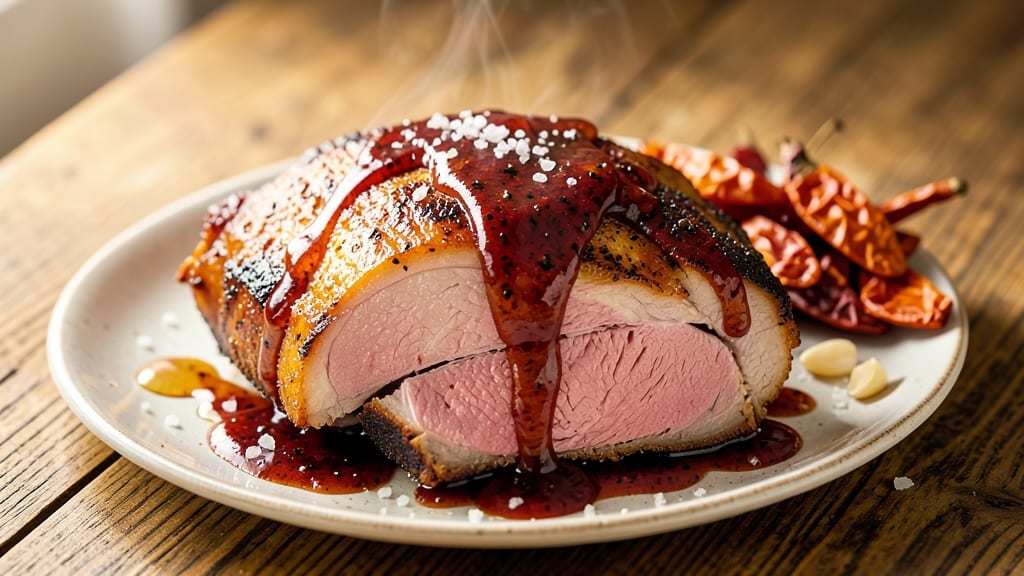
The ancho pork recipe transforms humble pork shoulder into a masterpiece of smoky depth and caramelized richness—where tender meat meets a crust so flavorful it’ll make your taste buds sing. 🔥 This technique, perfected over years of pitmaster trials, delivers a dish that’s equal parts restaurant-worthy and home-cook-friendly, using ancho chiles to unlock layers of complexity that cut through the fat with precision.
What sets this recipe apart is the marriage of traditional Mexican techniques with Southeast BBQ principles—slow-cooked until the pork falls apart, then finished with a chipotle-ancho glaze that creates that coveted caramelized crust while keeping the centers melt-in-your-mouth tender.
The ancho chiles, toasted and blended into a paste, infuse the meat with their signature smoky-sweet warmth without overpowering the pork’s natural richness.
By the time you serve this dish, you’ll have a plate that’s as impressive as it is delicious—juicy pork slices with a glossy, dark crust, served alongside warm tortillas, charred corn, and a simple black bean salad to balance the richness.
The aroma alone will have everyone gathering around the table, and the first bite will reveal why this recipe has become a staple in my kitchen and at The Smoky Pig.
This method works equally well for shoulder cuts, pork loin, or even ribs—just adjust the cooking time. The real magic happens in the glaze, where ancho chiles and chipotle peppers create a sauce that’s both complex and approachable, perfect for weeknight dinners or special occasions.
Let’s get cooking—your taste buds won’t know what hit them.
Ingredients for ancho pork
Six ingredients transform humble pork into restaurant-worthy smoky perfection with melt-in-your-mouth centers.
| Ingredient | Amount | Notes |
|---|---|---|
| Pork Shoulder 🍖 | 4 lb | Bone-in, cut into 2-inch chunks |
| Dried Ancho Chiles 🌶️ | 4 whole | Stems/seeds removed, toasted |
| Chipotle Peppers in Adobo 🌶️ | 2 whole | With 2 tbsp sauce reserved |
| Dark Brown Sugar 🍯 | ½ cup | Packed, light molasses flavor |
| Apple Cider Vinegar 🍎 | ¼ cup | For tangy balance |
| Garlic Cloves 🧄 | 6 cloves | Peeled, roughly chopped |
| Yellow Onion 🧅 | 1 whole | Chopped, medium size |
| Fresh Cilantro 🌿 | ¼ cup | Chopped, for garnish |
| Lime 🍋 | 1 whole | Juiced, for finishing |
| Olive Oil 🫒 | ¼ cup | Extra-virgin for richness |
| Salt 🧂 | 2 tsp | Kosher salt, plus more |
| Ground Black Pepper 🌶️ | 1 tsp | Freshly ground |
| Ground Cumin 🌿 | 1 tsp | Toasted for depth |
| Smoked Paprika 🌶️ | 1 tsp | For smoky flavor |
The pork shoulder is the star—bone-in cuts stay juicier, and Costco or ButcherBox have great prices for bulk. Look for well-marbled cuts with a vibrant pink color (not grayish). Ancho chiles are the secret weapon—La Costeña or Gourmet Mexicain brands are my go-to, but any dried ancho will work. Toast them lightly in a dry skillet for 30 seconds per side to deepen their smoky flavor before blending. Chipotle peppers in adobo? Hatch or Casa de Campo are reliable brands—just save that adobo sauce, it's liquid gold for the glaze.
No ancho chiles? Pasilla or guajillo chiles work in a pinch, but they won't give that signature sweet-smoky depth. Running low on chipotle peppers? Substitute 1 tbsp smoked paprika plus 1/2 tsp cayenne for heat. The brown sugar can be swapped for muscovado sugar for more caramel notes, or coconut sugar for a less processed option. Fresh garlic and onion are non-negotiable here—they're the flavor base. If you're short on time, pre-minced jarred garlic works, but fresh is always better. The olive oil should be extra-virgin; California avocado oil or Spanish olive oil brands have great flavor profiles.
This pork keeps beautifully—3-4 days in the fridge or 3 months frozen. For make-ahead magic, cook the pork completely, then refrigerate. The glaze thickens as it cools, so just reheat with a splash of water. The chiles and spices lose potency after opening, so store them in airtight containers away from light. I like to portion the cooked pork into meal-sized containers with a little glaze on top—perfect for lunches all week. The glaze also freezes well separately, so you can drizzle it on tacos or eggs later.
Why You'll Love This Recipe
- One-Pot Magic: I swear by this—just toss the pork shoulder in a Dutch oven with the ancho chiles and chipotle, then let it simmer. No chopping, no fuss, and honestly? The hardest part is waiting for it to caramelize.
- Smoky-Sweet Obsession: That combo of dark brown sugar and apple cider vinegar? It’s like a hug for your taste buds. The ancho chiles add depth, while the chipotle brings heat that lingers—rich, complex, and impossible to resist.
- Weeknight Workhorse: Between us, this feeds a crowd or stretches into leftovers that taste even better the next day. I’ve served it at potlucks, packed it for lunches, and yes, even on a Tuesday night when I’m too tired to think.
- Budget-Friendly Flex: Pork shoulder is cheap, and these ingredients stretch far. A single batch gives me three meals—tacos one night, sandwiches the next, and a quick stir-fry for when I’m desperate. My wallet and I both approve.
Step-by-step instructions for smoky chipotle-caramelized pork shoulder
Here's how to transform tough pork into irresistibly tender, caramelized perfection with deep ancho-chipotle flavors.
🔥 Step 1: Build the Ancho-Chipotle Paste
Toast the 4 whole dried ancho chiles in a dry skillet over medium heat for 30 seconds per side until fragrant and slightly puffed. This deepens their smoky flavor. Immediately transfer to a bowl and cover with 1 cup hot water to soften for 15 minutes.
Meanwhile, remove the 2 whole chipotle peppers from their adobo sauce, reserving 2 tablespoons of the sauce. Blend the softened chiles, chipotles, 0.5 cup dark brown sugar, 0.25 cup apple cider vinegar, 6 cloves garlic, and 1 whole yellow onion until completely smooth. I like to strain it through a fine-mesh sieve to eliminate any lingering seeds or skins for the silkiest texture.
🍳 Step 2: Sear the Pork Shoulder
Pat the 4 lb pork shoulder completely dry with paper towels—this is crucial for that caramelized crust. Heat 0.25 cup olive oil in a Dutch oven over medium-high heat until shimmering. Working in batches, sear the pork on all sides until deeply browned, about 5-7 minutes per side.
Don't rush this step. You're building flavor through the Maillard reaction—the golden crust you see is where all the magic happens. Transfer the seared pork to a plate and set aside temporarily.
🥘 Step 3: Braise with the Flavorful Paste
Pour the ancho-chipotle paste into the Dutch oven, scraping up all those delicious browned bits from the bottom. Return the pork to the pot, fat-side up, then add 2 cups water to create a shallow braising liquid. Bring to a simmer over medium heat, then transfer to a 325°F oven.
Here's the thing—this low-and-slow cook is where the pork transforms. Cover and braise for 3-3.5 hours until the meat is fork-tender and pulls apart easily. I check at the 3-hour mark because ovens vary. The sauce should reduce to a thick, glossy consistency that clings beautifully to the pork.
🔥 Step 4: Crisp the Crust and Finish
Once the pork is tender, increase oven temperature to 425°F and uncover the pot. Let it crisp for 15-20 minutes until the surface develops a deep caramelized crust. This final step concentrates all the flavors and gives you that irresistible texture contrast.
Remove from oven and let rest for 15 minutes before shredding. The resting period is non-negotiable—it lets the juices redistribute so each bite stays moist. While it rests, stir in 0.25 cup chopped fresh cilantro and juice of 1 lime for brightness.
🍽️ Step 5: Serve with Confidence
Shred the pork using two forks, discarding any large fat chunks. The meat should be so tender it practically falls apart at the touch. Taste and adjust seasoning with additional salt or lime juice if needed.
This dish shines with warm corn tortillas, pickled red onions, and a dollop of Mexican crema. The smoky-sweet crust gives way to meltingly tender pork with layers of ancho heat and chipotle depth. Serve immediately while the crust is still crispy—it won't last long!
Pro Tips For Making Ancho Pork
- Sear the Pork First: I used to skip this step, thinking the long braise would handle it—but a quick 5-minute sear in a screaming-hot pan with oil and salt builds flavor that nothing else can. The crust locks in moisture while you braise, so don’t rush it (yes, even if you’re impatient like me).
- Toast the Anchos: Dry toast your ancho chiles in a skillet for 30 seconds per side until fragrant—this deepens their smoky sweetness and prevents them from turning bitter. Tear them after toasting (no need to chop) so they dissolve smoothly into the sauce.
- Balance the Vinegar: Apple cider vinegar’s acidity can overpower the pork if you add it all at once. Start with half the amount, let it cook down for 10 minutes, then add the rest. This lets the sugar and chiles catch up, so the dish doesn’t taste like a pickle bomb.
- Use the Chipotle Paste: Skip the whole chipotle peppers in adobo—blitz them with a splash of the adobo sauce into a paste first. This ensures even heat distribution and avoids floating pepper chunks that make every bite a surprise. (Your future self will thank you.)
Troubleshooting your ancho pork
Pork Too Tough?
If your pork shoulder feels tough after cooking, you likely didn't cook it long enough. The magic happens at 325°F for 3-3.5 hours—this is non-negotiable for pork this size.
I've seen home cooks rush it and end up with chewy meat. Use a meat thermometer to check for 203°F internal temperature—that's when it's truly tender. 💡
Glaze Too Thin?
The glaze should coat the back of a spoon like honey, not drip like water. If it's too thin, simmer the pork uncovered for 10-15 extra minutes at the end to reduce it.
I've had this happen when using too much vinegar—stick to the ¼ cup measurement. For extra thickness, blend in 1 tbsp cornstarch mixed with 2 tbsp water at the end.
Burnt Crust?
Watch that 425°F finish like a hawk—some ovens run hotter than others. If the crust burns before the pork is done, tent loosely with foil and continue cooking. I've learned this the hard way with my Lodge Dutch oven—sometimes you need to reduce heat to 400°F for sensitive ovens.
A dark, glossy crust is perfect; blackened means it's overdone.
Ancho Flavor Fading?
Freshly toasted ancho chiles make all the difference. If your glaze tastes bland, your chiles might be old or not properly toasted. I always toast mine in a dry skillet for 30 seconds per side until fragrant.
For extra depth, add ½ tsp ground ancho chile powder to the blend. Store dried chiles in airtight containers away from light—they lose potency quickly.
Sauce Too Sweet?
The brown sugar gives that caramelized crust, but sometimes it can overpower. Balance it by adding 1 extra tablespoon of apple cider vinegar to the blend. I've also found that using muscovado sugar instead of regular brown sugar adds molasses depth without as much sweetness.
Taste as you go—adjust before cooking, not after!
Pork Too Dry?
Overcooking is the usual culprit here. Once the pork hits 203°F, it's done—no need to keep it in longer. If it's still dry, you might have started with a leaner cut.
For future batches, look for well-marbled pork shoulder with visible fat. Another trick: Add ½ cup chicken broth instead of water when braising to keep it moist. 💪
Nutrition facts
Frequently asked questions
Can I substitute ancho chiles with other dried peppers?
Yes, but expect different flavor profiles. Pasilla or guajillo chiles work best for a milder heat, while mulato chiles add a deeper raisin-like sweetness. For extra smokiness, combine ½ ancho + ½ chipotle in the blend. Toast all dried peppers first to intensify their flavor—30 seconds per side in a dry skillet does the trick.
How do I adjust this recipe for a slow cooker?
Transfer the seared pork to your slow cooker with the ancho-chipotle paste, then add 1 cup water instead of 2. Cook on low for 8 hours or high for 5-6 hours until tender. Skip the high-heat crusting step—transfer to a skillet to crisp the edges with a torch or broiler for 2-3 minutes instead. The sauce will be thinner, so reduce it on the stove afterward.
What's the best way to store leftovers?
Store cooked pork in an airtight container with a thin layer of glaze on top to prevent drying. It keeps 3-4 days in the fridge or 3 months frozen. For reheating, warm in a skillet with 1 tbsp broth over medium heat until heated through—microwaving makes the crust soggy. The glaze freezes well separately for tacos or eggs later!
Can I make this with pork loin instead of shoulder?
For 2 lb pork loin, reduce cooking time to 1.5-2 hours at 325°F and finish at 425°F for 10 minutes. Slice against the grain into ½-inch thick medallions for perfect texture. Use the same glaze amount but reduce to 1 cup since loin has less fat. The crust will be thinner but equally delicious on these tender cuts.
Why does my pork turn out dry?
Most likely, you overcooked it past 203°F internal temp or started with lean pork. Always use well-marbled cuts and check temp with a thermometer. For future batches, try ½ cup chicken broth instead of water when braising, and pat the meat very dry before searing—this helps retain moisture. The glaze should stay slightly sticky, not bone-dry.