
Main Courses
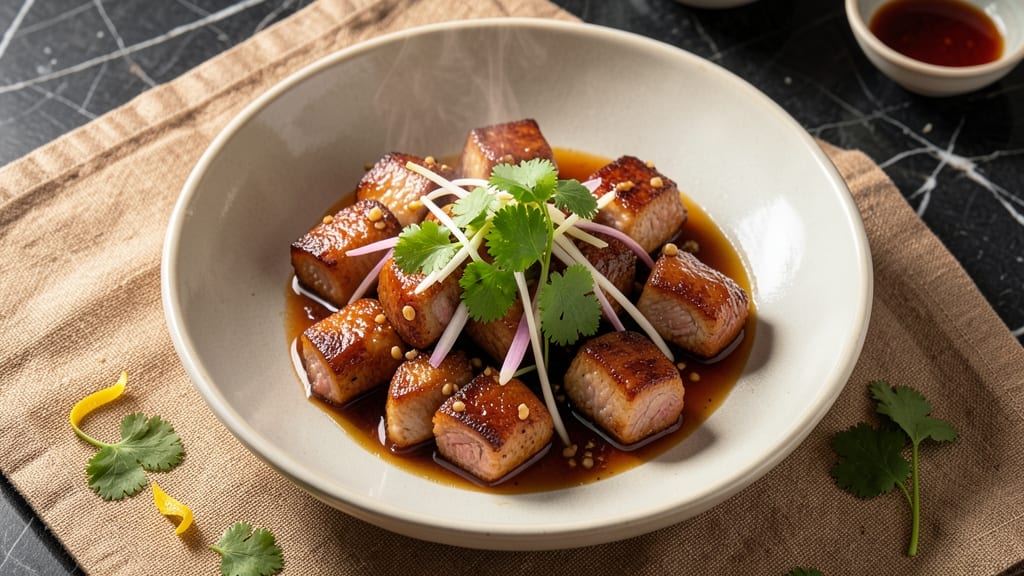
This Asian pork roll recipe delivers crispy-crusted, juicy bites that taste like your favorite takeout—without the wait. I perfected this method after years of testing different marinades and cooking techniques that guarantee tender meat and a satisfying crunch.
The secret lies in a balanced marinade of soy sauce, honey, and garlic, followed by a quick sear in a hot pan.
The beauty of this recipe is its simplicity: just a few ingredients and one pan to handle. You'll start with pork tenderloin cut into bite-sized pieces, marinated for at least 30 minutes (or up to overnight for deeper flavor).
The cooking process is straightforward—sear until golden brown, then finish in the oven to ensure even doneness without drying out the meat.
What you'll end up with is a plate of crispy-crusted, juicy pork rolls that are perfect for serving over steamed rice or with a side of stir-fried vegetables.
The caramelized edges contrast beautifully with the tender, flavorful interior, making every bite irresistible. This recipe is foolproof and delivers restaurant-quality results at home.
For extra flair, garnish with fresh cilantro and a drizzle of sweet chili sauce. The combination of textures and flavors makes this dish a crowd-pleaser, whether you're cooking for a weeknight dinner or a special occasion. Let's get started!
Ingredients for asian pork roll
Pork tenderloin, aromatic marinade, and crispy coating—just eight ingredients for restaurant-style pork rolls.
| Ingredient | Amount | Notes |
|---|---|---|
| Pork Tenderloin 🐷 | 1 ½ lb | Cut into 1-inch bite-sized pieces |
| Soy Sauce 🍶 | ½ cup | Low-sodium preferred for balance |
| Honey 🍯 | ¼ cup | Pure, unprocessed for best flavor |
| Garlic Cloves 🧄 | 6 cloves | Minced for marinade |
| Ginger Root 🌿 | 1 tbsp | Freshly grated, aromatic |
| Sesame Oil 🫒 | 1 tbsp | Toasted for nutty aroma |
| Cornstarch 🌾 | ¼ cup | For crispy coating |
| Vegetable Oil 🫒 | ½ cup | High smoke point for searing |
| All-Purpose Flour 🌾 | ¼ cup | Lightly dust pork pieces |
| Fresh Cilantro 🌿 | ¼ cup | Chopped for garnish |
| Sweet Chili Sauce 🍶 | ¼ cup | For drizzling |
| Salt 🧂 | 1 ½ tsp | Diamond Crystal preferred |
| Black Pepper 🌶️ | ½ tsp | Freshly cracked |
The pork tenderloin is your star ingredient here—look for pieces with good marbling for juiciness. Costco or Whole Foods often carry high-quality cuts, but any reputable butcher will do. The cut should be firm to the touch and a vibrant pink color. For the marinade, Kikkoman soy sauce delivers the right balance of saltiness, while Madhava honey adds depth without overpowering. Fresh ginger and garlic are non-negotiable—they're the flavor foundation. If you can't find fresh ginger, substitute 1 tsp ground ginger, but the texture won't be the same. Toast your sesame oil gently in a dry pan before using—this enhances its nutty aroma dramatically.
No sesame oil? Toasted peanut oil works in a pinch, though the flavor profile shifts slightly. The cornstarch is crucial for that satisfying crunch—don't skip it. If you're gluten-sensitive, use arrowroot powder instead. For the sweet chili sauce, Maesri or Sweet Thai Kitchen brands are my go-tos, but any quality store-bought will do. The flour coating should be light—just enough to adhere without making the pork rolls heavy. If your pork pieces vary in size, trim them to even thickness for consistent cooking. The marinade can be made up to 2 days ahead, but reserve the cornstarch coating until just before cooking to maintain its crispiness.
Marinated pork keeps 2 days in the fridge, covered tightly. For extra crispiness, reheat in a 400°F oven for 5-7 minutes after frying. Store cooked pork rolls in an airtight container with parchment paper between layers to prevent sticking. They reheat beautifully—just 5 minutes in a skillet over medium heat with a splash of water to steam. Garnish with cilantro and sweet chili sauce right before serving to keep everything vibrant. The sauce can be stored in the fridge for up to 3 months once opened.
Why You'll Love This Recipe
- One-Pan Magic: Honestly, I swear by this—just sear the tenderloin, toss in the garlic-ginger mix, and let the honey-soy glaze do the work. No flipping, no fussing, and that caramelized crust? Happens almost by accident.
- Sweet-Savory Balance: Between us, the honey cuts through the soy’s saltiness while the ginger adds that bright kick—like a hug for your taste buds. The pork stays juicy inside, crispy out, and I’ll never skip the garlic again after this.
- Leftover Hero: I make a double batch on Sundays because these rolls reheat like a dream and taste just as good cold. Pack them for lunch or freeze them—no sad, dry meat here, just flavor that sticks around.
- Budget Meal Stretch: Pork tenderloin’s lean but filling, and this recipe uses pantry staples you already own. A few dollars’ worth of ingredients feeds four, and the leftovers? Even better the next day. My wallet thanks me.
Step-by-step instructions for Asian pork roll
Master the technique for golden, shatteringly crisp edges and tender, juicy centers in this one-pan wonder.
Prepare the Pork and Marinade
Cut the 1.5 lb pork tenderloin into 1-inch bite-sized pieces—uniform size ensures even cooking. In a large bowl, whisk together the 0.5 cup soy sauce, 0.25 cup honey, 6 minced garlic cloves, 1 tbsp freshly grated ginger root, 1 tbsp sesame oil, 1.5 tsp salt, and 0.5 tsp black pepper. Add the pork pieces and toss gently to coat completely. Let the marinade work its magic for 15-20 minutes at room temperature—this ensures deep flavor penetration and prevents dryness during cooking.
Here's the thing—don't skip the room temperature step. Cold pork releases less moisture into the marinade, leaving you with unevenly seasoned bites. If you're short on time, let the pork sit in the fridge for 10 minutes before marinating to speed up the process.
Create the Crispy Coating
In a shallow dish, combine the 0.25 cup all-purpose flour and 0.25 cup cornstarch. This blend creates the perfect balance of crispiness and structural integrity. Remove the pork from the marinade (reserve the marinade for later) and pat each piece dry with paper towels—this step is critical for adhesion and crispiness. Lightly dredge each piece in the flour-cornstarch mixture, pressing gently to adhere the coating evenly. Don't overcrowd the dish or the coating will clump.
I press down firmly on each piece during this step—this prevents the coating from falling off during frying and ensures maximum surface contact for that coveted crispy crust. If the coating seems too loose, dip the pieces back into the marinade briefly before coating again.
Double-Fry for Perfect Texture
Heat 0.5 cup vegetable oil in a large skillet over medium-high heat until it shimmers—this should take about 5 minutes. Working in batches (don't overcrowd the pan), fry the pork for 2-3 minutes per side until the coating turns a deep golden brown. The oil should sizzle gently but not smoke excessively. Transfer the cooked pork to a paper towel-lined plate to drain.
Here's where the magic happens: return the pork to the same skillet and reduce heat to medium-low. Add 2 tablespoons of the reserved marinade to the pan and let it bubble for 1-2 minutes until slightly thickened. This second fry helps render any remaining moisture from the pork, locking in juices while maintaining that crispy exterior.
Glaze and Finish
Increase heat to medium-high and add the remaining reserved marinade to the skillet. Let it simmer for 3-4 minutes until it reduces by half and becomes syrupy. Return the pork to the pan and toss gently to coat evenly in the glaze. The mixture should coat the back of a spoon—if it's too thick, add 1 tablespoon of water to loosen it.
For the final touch, transfer the pork to a serving platter and drizzle with the 0.25 cup sweet chili sauce. Garnish with 0.25 cup chopped fresh cilantro just before serving. The contrast of sweet, spicy, and umami flavors elevates this dish from simple pork bites to an unforgettable experience.
Rest and Serve
Let the pork rest for 5 minutes before serving—this allows the juices to redistribute throughout each piece. Serve immediately while the coating is still crisp and the glaze is warm. The pork should be juicy and tender with a shatteringly crisp exterior that gives way to succulent meat.
Real talk: if you're serving this to guests, keep the pork warm in a 200°F oven while you finish plating. The residual heat maintains crispiness without overcooking. Pair with steamed jasmine rice and quick-pickled vegetables for a complete meal that delivers on both texture and flavor promises.
Pro Tips For Making Asian Pork Roll
- Slice Thin, Cook Fast: Pork tenderloin gets tough if overcooked, so cut it into ½-inch thick slices—thinner than most recipes suggest. High heat for 2-3 minutes per side seals the juices before the glaze locks in. (Yes, it’ll look underdone inside, but it finishes cooking in the sauce.)
- Grate Ginger Fresh: Pre-packaged ginger is convenient, but it’s often dried out or bland. Use a microplane on fresh ginger—about 1 teaspoon of zest—and toss it straight into the sauce. It brightens the flavor without bitterness, and you won’t waste time peeling or chopping.
- Don’t Skip the Rest: After searing, let the pork rest 5 minutes under foil before glazing. I learned this the hard way—skipping it makes the meat release juices when you add the honey-soy mix, turning your roll into a soggy mess. (Your future self will thank you.)
- Balance the Glaze: Honey and soy sauce need a 1:1 ratio, but adjust based on your pork’s size. If using 1 pound of meat, start with 2 tablespoons each, then taste. Too sweet? Add a splash of rice vinegar. Too salty? A pinch of sugar cuts the sharpness. (And no, you can’t eyeball it—measure once, taste twice.)
Regional styles of this asian pork roll
Chinese-Inspired Style
In China, pork rolls often take the form of char siu, a Cantonese classic where pork is marinated in a sweet and tangy blend of hoisin sauce, Chinese five-spice powder, and pineapple juice.
For this adaptation, swap the soy-honey marinade for ½ cup hoisin sauce, 1 tbsp Shaoxing wine, 1 tbsp brown sugar, and 1 tsp five-spice powder. The result is a sticky, caramelized exterior with a fragrant interior.
Serve with steamed bok choy and jasmine rice for an authentic touch. 🥢
Japanese Tonkatsu Twist
For a Japanese-inspired version, coat the pork in a panko breadcrumb mixture instead of cornstarch, combining 1 cup panko with 2 tbsp potato starch and 1 tbsp grated Parmesan.
Use a marinade of 3 tbsp Worcestershire sauce, 2 tbsp mirin, and 1 tbsp soy sauce for a lighter, slightly sweet profile.
After frying, slice the pork rolls into medallions and serve with tonkatsu sauce (a mix of ketchup, Worcestershire, and mayo) and shredded cabbage slaw. 🍱
Thai Satay Adaptation
Thai satay skewers transform pork rolls into a skewered delight. Marinate the pork in a blend of ¼ cup coconut milk, 2 tbsp fish sauce, 1 tbsp palm sugar, and 1 tbsp lime zest for 4-6 hours to infuse deep tropical flavors.
Thread the marinated pieces onto bamboo skewers (soaked in water for 30 minutes) and grill over charcoal for 3-4 minutes per side.
Serve with a peanut sauce made from ½ cup smooth peanut butter, 2 tbsp soy sauce, 1 tbsp lime juice, and 1 tsp chili flakes. 🌶️
Korean Bulgogi Fusion
Korean bulgogi brings bold, savory-sweet flavors to pork rolls. Marinate the pork in a mix of ½ cup soy sauce, ¼ cup brown sugar, 2 tbsp sesame oil, 1 tbsp grated pear (for tenderness), and 1 tbsp gochujang.
Cook the pork in a cast-iron skillet until caramelized, then finish with a drizzle of ssamjang (Korean dipping sauce) and quick-pickled radish. Serve with steamed white rice and kimchi for a complete Korean-inspired meal. 🥘
Vietnamese Bánh Mì Style
Turn pork rolls into a Vietnamese-inspired bánh mì filling by slicing them thinly after cooking. Use a marinade of 3 tbsp fish sauce, 2 tbsp sugar, 1 tbsp rice vinegar, and 1 tsp black pepper for a tangy, umami-rich flavor.
Serve the sliced pork on a baguette with pickled daikon and carrot, fresh cilantro, jalapeño slices, and a drizzle of sriracha mayo**. The contrast of textures and flavors makes this a standout dish. 🥖
Nutrition facts
Frequently asked questions
Can I use pork shoulder instead of pork tenderloin?
Yes, but you'll need to adjust the cooking time. Pork shoulder is more forgiving and stays juicier when cut into 1-inch cubes. Marinate for 2-4 hours (or overnight) and cook at 350°F for 20-25 minutes after frying to ensure full doneness. The fat content adds richness, but trim excess to maintain crispiness.
How do I prevent the coating from falling off?
Pat the pork pieces very dry before coating and press firmly into the flour-cornstarch mixture. For extra adhesion, dip each piece in the marinade again briefly before the final coating. Avoid overcrowding the pan during frying—this steams the pork instead of searing it. A light, even coat is key to crispiness without flaking.
Can I bake these instead of frying?
Preheat oven to 400°F and bake coated pork rolls on a wire rack over a baking sheet for 18-20 minutes, flipping halfway. For extra crispiness, broil for 2-3 minutes at the end. The texture will be lighter than fried, but still delicious. Use the same marinade and coating ratio.
What's the best way to reheat leftovers?
Reheat in a skillet over medium heat for 3-4 minutes with a splash of water to steam. For oven reheating, use 350°F for 10 minutes on a wire rack to maintain crispiness. Avoid microwaving—it makes the coating soggy. Store in an airtight container with parchment between layers for up to 3 days.
Why did my pork rolls turn out dry?
Overcooking is the most common cause. Use a meat thermometer—pork rolls should reach 145°F internal temp. Don't overcrowd the pan during frying, and let the pork rest 5 minutes before serving. For extra moisture, add 1 tbsp water to the pan during the second fry to steam the pork slightly.