
Main Courses
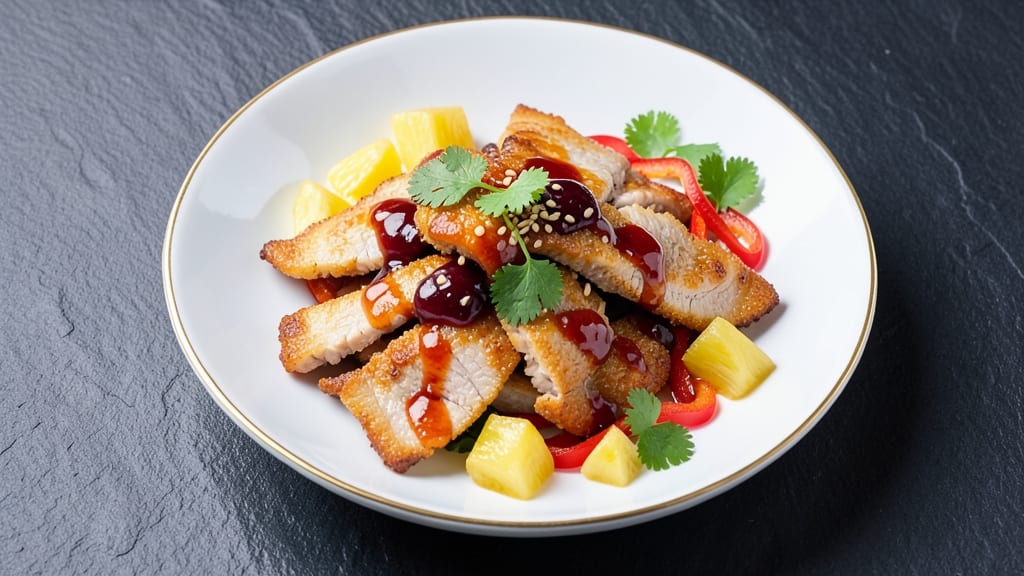
This authentic Chinese sweet and sour pork delivers the perfect balance of crispy, golden pork bites in a tangy-sweet sauce that's restaurant-quality.
I've perfected the technique after years of testing—starting with properly breaded pork that stays crispy even after sauce soaking, and a sauce that's bright, slightly sweet, and packed with umami depth.
The secret lies in high-heat frying for that signature wok hei (breath of the wok) and a sauce that's reduced just enough to coat without overwhelming the pork.
The key to authenticity is in the preparation: thinly sliced pork cutlets are marinated in cornstarch and egg wash for maximum crispiness, then fried until golden. Meanwhile, the sauce comes together with a perfect balance of vinegar, sugar, ketchup, and pineapple—traditional ingredients that create that signature tangy-sweet flavor.
I've streamlined the process while keeping the soul of this classic Cantonese dish intact, so you get restaurant-quality results at home.
By the time you're done, you'll have perfectly crispy pork pieces with a tender center, all coated in that glossy, slightly sticky sauce. The aroma alone will have everyone gathering around the table, and the first bite delivers that perfect combination of textures and flavors.
This dish is a crowd-pleaser that works equally well as a main course or appetizer, served with steamed rice or a simple cucumber salad.
What makes this recipe truly special is the attention to detail that ensures authenticity—from the proper breading technique to the sauce reduction method. I've included tips for achieving that signature wok hei flavor at home, even without a wok. Let's get cooking!
Ingredients for authentic chinese sweet and sour pork
These crispy pork cutlets and tangy-sweet sauce ingredients bring authentic Cantonese flavor to your kitchen.
| Ingredient | Amount | Notes |
|---|---|---|
| Pork Shoulder Cutlets 🐖 | 1 ½ lb | Thinly sliced (about 1/4-inch thick) |
| All-Purpose Flour 🌾 | 1 cup | For breading, sifted |
| Cornstarch 🌾 | ½ cup | For extra crispiness |
| Large Eggs 🥚 | 2 whole | Beaten for egg wash |
| Vegetable Oil 🫒 | 3 cups | For deep frying (peanut oil preferred) |
| White Vinegar 🍶 | ½ cup | White or apple cider |
| Granulated Sugar 🍚 | ½ cup | White or brown sugar |
| Tomato Ketchup 🍅 | ½ cup | Heinz preferred for authenticity |
| Pineapple Juice 🍍 | ½ cup | Fresh or canned, unsweetened |
| Garlic Cloves 🧄 | 4 cloves | Minced for sauce |
| Ginger Root 🌿 | 1 tbsp | Fresh, grated |
| Soy Sauce 🍶 | 2 tbsp | Light or all-purpose |
| Salt 🧂 | 1 tsp | Kosher or sea salt |
| Ground Black Pepper 🌶️ | ½ tsp | Freshly ground preferred |
| Green Onion 🧅 | 2 whole | Sliced for garnish |
The pork shoulder is non-negotiable for this dish—it stays tender even after frying. Ask your butcher to slice it paper-thin (about 1/4-inch) or use a meat slicer if you're ambitious. For the breading, King Arthur flour works best—it's light and creates that signature crispy crust. Cornstarch is your secret weapon here; it gives that extra crunch that regular flour can't match. I always grab the Bob's Red Mill cornstarch from the bulk section at Whole Foods—it's worth the few extra bucks for this recipe. If you can't find it, regular cornstarch works fine, but don't substitute arrowroot—it's a game-changer for texture.
No vegetable oil? Peanut oil is the traditional choice and gives that authentic wok hei flavor, but any neutral oil (like canola or sunflower) works in a pinch. The sauce ingredients are where the magic happens—Heinz ketchup is a must for that classic tangy-sweet balance, but if you're feeling adventurous, try a mix of tomato paste and a splash of Mott's apple juice for a twist. Fresh ginger and garlic are ideal, but dried works at half the amount if you're in a hurry. The pineapple juice can be swapped for orange juice or even a splash of pineapple soda (like Jarritos) for a fun, nostalgic touch. Just make sure it's unsweetened—you're controlling the sweetness here.
This sauce is best made fresh, but it reheats beautifully—just warm it gently on the stove. The pork stays crispy for about 2 days in the fridge if you store it properly: keep the sauce separate and reheat the pork in a dry pan to revive the crust. For 3 months of freezer life, portion the pork into airtight containers with a little cornstarch sprinkled on top to keep it from sticking. The sauce? Freeze it in ice cube trays—perfect for quick reheats later. Garnish with those fresh green onions right before serving, or they'll turn mushy. Trust me, it's worth the extra minute.
Why You'll Love This Recipe
- No-Fuss Breading: I swear by the flour-cornstarch combo for that perfect crunch—no fancy techniques, just dredge, dip, repeat. The pork shoulder stays juicy while the crust gets that golden, shatterable bite you crave.
- Sauce Magic: That tangy-sweet glaze? Pineapple juice and ketchup work wonders (yes, really). The vinegar brightens everything, and the little char from the wok gives it depth—simple ingredients, but the flavor punches way above its weight.
- Weeknight Hero: I make this when I’m too tired to plan. Double the batch, store half, and reheat in a skillet—still crispy, still delicious. It’s my go-to when I need something reliable that doesn’t scream "I didn’t try."
- Budget Win: Pork shoulder is affordable, and the sauce uses pantry staples. A single cutlet feeds two, and leftovers reheat like it’s fresh. Honestly, it’s one of those dishes where you get restaurant-quality without the price tag.
Step-by-step instructions for authentic sweet and sour pork
Here's how to make restaurant-quality sweet and sour pork with perfectly crispy pork and tangy-sweet sauce.
Prepare the Pork Cutlets for Double Breading
Pat the 1.5 lb pork shoulder cutlets completely dry with paper towels—this is crucial for maximum crispiness. Thinly slice them to about ¼-inch thickness if they're not already pre-sliced. I like to work in batches to keep everything organized.
In a shallow bowl, combine the 1 cup all-purpose flour and ½ cup cornstarch. This double-dusting technique creates an ultra-crispy coating. Season the flour mixture with 1 tsp salt and ½ tsp ground black pepper. Dip each pork slice into the flour mixture, pressing gently to adhere the coating evenly.
Create the Egg Wash and Fry to Golden Perfection
Beat the 2 whole large eggs in a separate shallow bowl until just combined—no need to make them frothy. Dip each floured pork slice into the egg wash, letting any excess drip off. Return each piece to the flour mixture and press again to create a double-layered crust.
Heat 3 cups vegetable oil in a deep skillet to 350°F—use a thermometer for accuracy. Fry the pork in batches for 3-4 minutes per side until golden brown and cooked through. The oil should sizzle actively, and the pork should release easily from the pan. Transfer to a paper towel-lined plate to drain excess oil.
Make the Signature Tangy-Sweet Sauce
In a clean skillet, combine the ½ cup white vinegar, ½ cup granulated sugar, ½ cup tomato ketchup, ½ cup pineapple juice, 2 tbsp soy sauce, 4 minced garlic cloves, and 1 tbsp grated ginger root. Bring to a boil over medium-high heat, stirring constantly until the sugar dissolves completely.
Reduce heat to medium-low and let the sauce simmer for 5-7 minutes until it thickens slightly and coats the back of a spoon. The sauce should be glossy with a balance of sweet and tangy flavors—this is the heart of the dish. Taste and adjust seasoning if needed, adding a pinch more sugar or vinegar as necessary.
Combine Pork and Sauce for Maximum Flavor
Return the fried pork to the sauce pan and gently toss to coat evenly. Let it simmer for 2-3 minutes until the pork absorbs the sauce flavors. The pork should be fully heated through and the sauce should cling beautifully to each piece.
Garnish with sliced green onion just before serving. The bright green contrasts perfectly with the golden pork and vibrant sauce. Serve immediately over steamed rice or noodles while everything is hot and crispy.
Pro Tips For Making Authentic Chinese Sweet And Sour Pork
- Cut Pork Thin: I learned this the hard way—uneven thickness means some pieces stay raw while others turn rubbery. Use a sharp knife to slice the pork shoulder cutlets against the grain into ¼-inch pieces, then pound them gently with a rolling pin or meat mallet until they’re uniformly thin. This ensures they cook fast and crispy, not chewy.
- Double-Dredge Dry: The flour-and-cornstarch mix is your armor, but clumps ruin the crust. After coating the pork in the flour-cornstarch blend, shake off excess before dipping in the egg. Then, dredge again in the dry mix—this double layer locks in crispiness. (Yes, it’s extra work, but your future self will notice.)
- Fry in Batches: Crowding the pan drops the oil temperature, and soggy pork is a crime. Fry the pork in small batches—no more than 3 pieces at a time—over medium-high heat until the edges are golden and the underside is opaque. Patience here guarantees that perfect crunch, not a greasy mess.
- Save the Sauce Scraps: The bits stuck to the pan are flavor gold. After frying the pork, immediately pour in ½ cup of water (or pineapple juice, if using) to deglaze, scraping every last bit. This shortcut adds depth to the sauce without extra effort—just let it simmer until thickened. (Your lazy-but-smart move.)
Creative variations of these flavors
Cantonese vs. Hong Kong Style
Cantonese-style sweet and sour pork focuses on crispy, thin-cut pork with a lighter, tangier sauce. I prefer using pork shoulder cutlets sliced paper-thin and fried until golden—this is the hallmark of authentic Cantonese technique. The sauce leans slightly more vinegar-forward, with a touch of pineapple juice for brightness. 🍍
Hong Kong-style versions often use slightly thicker pork pieces and a sweeter sauce with more tomato ketchup and a hint of chili paste for heat. The breading might include a touch of baking soda for extra crispiness, but I find that risks overpowering the natural flavor.
For both styles, the key is high-heat frying to achieve that signature wok hei aroma.
Spicy Sichuan Twist
For a Sichuan-inspired variation, add 1 tbsp Sichuan peppercorns (toasted and ground) and 1 tsp chili oil to the sauce. The numbing spice from Sichuan peppercorns creates a fascinating contrast with the sweet-tangy flavors.
I like to finish with a drizzle of chili crisp on top for extra heat and texture. 🌶️
Use pork tenderloin instead of shoulder for this version—it stays tender despite the longer cooking time in the spicy sauce. The sauce should simmer for an extra 2-3 minutes to let the spices meld together. Garnish with thinly sliced red chili peppers for visual appeal and extra heat.
Vegetarian Adaptation
Swap the pork for extra-firm tofu pressed and sliced into similar cutlets. The tofu should be marinated in 1 tbsp soy sauce and 1 tsp cornstarch for 20 minutes before breading.
Fry at the same temperature (350°F) but reduce time to 2-3 minutes per side—tofu cooks faster than pork. 🥬
For the sauce, add 1 tbsp mushroom powder to deepen the umami. The vegetarian version works beautifully with steamed bok choy instead of rice. I've tested this version at vegan potlucks, and it's always a hit—just
Sweet and Sour Chicken
Replace the pork with boneless chicken thighs cut into bite-sized pieces. The chicken benefits from a 30-minute marinade in 1 tbsp soy sauce and 1 tsp five-spice powder before breading. Fry at 365°F for 4-5 minutes until fully cooked through. The chicken absorbs the sauce slightly differently, creating a more robust flavor. 🍗
For extra richness, add 1 tbsp hoisin sauce to the sauce mixture. The chicken version pairs exceptionally well with cucumber salad or stir-fried green beans. I often serve this as a main course with jasmine rice and a side of steamed broccoli for a complete meal.
Regional American Fusion
Inspired by Southern comfort food, this version adds ½ cup BBQ sauce to the sweet and sour mixture. The pork stays the same, but the sauce develops a smoky-sweet depth that's perfect for BBQ lovers.
I like to finish with a sprinkle of smoked paprika and serve it on buttered cornbread. 🍖
For an extra Southern touch, add diced pickles to the sauce during the final 2 minutes of simmering. The tangy crunch from the pickles cuts through the richness beautifully.
This version is a crowd-pleaser at backyard cookouts—just be sure to keep the sauce warm until serving to maintain that perfect consistency.
Nutrition facts
Frequently asked questions
Why does my sweet and sour pork end up soggy instead of crispy?
The key to crispiness is proper breading and frying technique. First, ensure your pork is completely dry before breading—pat it thoroughly with paper towels. Use the double-dusting method (flour, egg wash, then flour again) and fry in 350°F oil until golden brown (3-4 minutes per side). Keep fried pork warm in a 200°F oven while making the sauce, not on a damp surface. Adding sauce too soon also steams the pork—toss it in only at the very end to preserve that crunch!
Can I make the sauce ahead of time?
Yes! The sauce keeps well for 3 days in the fridge and 3 months in the freezer. For best results, store it separately from the pork. Reheat gently on the stove until warm, then toss the pork in just before serving to maintain crispiness. Pro tip: Freeze sauce in ice cube trays for easy portioning—perfect for quick meals later!
What's the best way to achieve that authentic 'wok hei' flavor at home?
'Wok hei' (breath of the wok) comes from high-heat cooking and proper oil choice. Use peanut oil (traditional) or a neutral oil like canola, and heat it to 350°F before frying. Work in small batches to avoid crowding the pan—this creates steam and that signature smoky aroma. After frying, transfer pork to a wire rack over a baking sheet to let excess oil drip away while keeping it crispy. A cast-iron skillet or wok helps too!
How do I adjust the sweetness level in the sauce?
The sauce should balance sweet, tangy, and umami flavors. Start with equal parts sugar and vinegar (½ cup each), then taste as it simmers. For less sweetness, reduce sugar to ⅓ cup and add 1 extra tbsp vinegar. Need more sweetness? Add 1 tbsp honey or brown sugar at the end. Remember: the sauce should coat the back of a spoon but remain glossy, not syrupy.
What sides pair best with this dish?
Classic pairings include steamed jasmine rice or egg fried rice to soak up the sauce. For freshness, try cucumber salad (sliced cucumbers with rice vinegar, sugar, and sesame seeds) or stir-fried bok choy. In Cantonese restaurants, it's often served with mandarin oranges on the side for a sweet-tart contrast. Avoid heavy sides—the crispy pork and tangy sauce are the stars!