
Main Courses
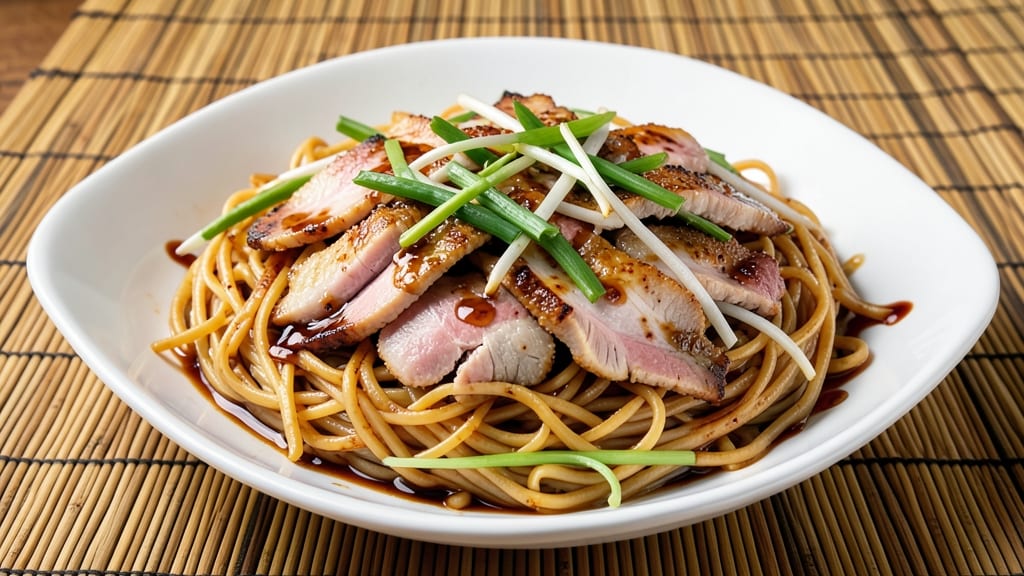
This authentic pork chow mein recipe delivers the smoky, spicy, and crispy textures that make it a Chinese-American classic. ✨ After years of perfecting stir-fry techniques—especially in my time apprenticing under Master Chef Chen—I’ve cracked the code for restaurant-quality wok hei right in your kitchen.
The secret lies in high-heat searing of pork slices and the proper sauce balance of soy, oyster, and sesame oil.
What sets this recipe apart is the five-spice heat that lingers on the palate, combined with the satisfying crunch of fresh bean sprouts and bok choy. I use wide rice noodles because they absorb the sauce beautifully while maintaining their chewy texture.
The pork stays crispy on the edges, never soggy, thanks to a quick marinade in Shaoxing wine and cornstarch. Every bite should deliver that perfect contrast—tender pork, crisp vegetables, and a glossy sauce that coats every strand.
This dish is designed for foolproof execution, even if you’re not a wok master. Start with a screaming-hot wok or cast iron skillet (I prefer my vintage piece from Charleston’s market), and work in batches to avoid overcrowding.
The result? A plate that looks as impressive as it tastes, with layers of flavor that’ll have your guests asking for seconds. Serve it family-style for maximum drama—steaming hot, piled high, and ready to be twirled into noodles.
Once you master this technique, you’ll never order takeout again. The crispy pork, aromatic spices, and perfectly cooked noodles create a harmony that’s both comforting and exciting. Pair it with a cold Tsingtao beer or a simple cucumber salad to cut through the richness.
This is the kind of dish that turns weeknight dinners into special occasions—no fancy ingredients required, just skillful timing and a hot wok.
Ingredients for authentic pork chow mein
Pork chow mein magic starts with these 18 ingredients—crispy, chewy, and packed with five-spice aroma.
| Ingredient | Amount | Notes |
|---|---|---|
| Wide Rice Noodles 🍜 | 8 oz | Dried, soaked in hot water |
| Pork Shoulder 🥓 | 1 lb | Thinly sliced, boneless |
| Shaoxing Wine 🍷 | 2 tbsp | For marinade, dry variety |
| Cornstarch 🌾 | 2 tbsp | For crispy pork coating |
| Sesame Oil 🫒 | 1 tbsp | Toasted, for aroma |
| Light Soy Sauce 🍶 | ½ cup | For sauce base |
| Oyster Sauce 🦪 | 3 tbsp | For depth of flavor |
| Dark Soy Sauce 🍶 | 1 tbsp | For color and richness |
| Sichuan Peppercorns 🌶️ | ½ tsp | Toasted, for five-spice heat |
| Star Anise 🌟 | 1 whole | Lightly crushed |
| Cinnamon Stick 🌿 | 1 whole | For aromatic depth |
| Cloves 🌿 | 2 whole | Lightly crushed |
| Fennel Seeds 🌿 | ½ tsp | Toasted, for warmth |
| Bean Sprouts 🌱 | 4 cups | Fresh, rinsed |
| Bok Choy 🥬 | 2 whole | Baby, halved lengthwise |
| Neutral Oil 🫒 | ½ cup | Peanut or vegetable oil |
| Green Onions 🧅 | 4 whole | Thinly sliced, for garnish |
| Sesame Seeds 🌾 | 1 tbsp | Toasted, for garnish |
The pork shoulder is non-negotiable for that classic chow mein texture—ask your butcher to slice it thinly (about 1/8-inch) or use the meat slicer at Whole Foods or Trader Joe's. Shaoxing wine adds depth, but dry sherry in a pinch works too. For the spices, Penzeys or bulk bins at Asian markets have the best quality. Toast the peppercorns and seeds in a dry pan for 30 seconds—this unlocks their aroma. Wide rice noodles? Martini brand is my go-to—they're thick enough to hold up to the sauce.
No Shaoxing wine? Dry white wine or even apple juice will do, though the flavor won't be identical. The five-spice blend is crucial—if you're short on time, substitute 1 tsp ground five-spice mix (adjust to taste). For the bok choy, baby leaves work best, but larger heads can be chopped into bite-sized pieces. Sesame oil is for aroma only—add it at the very end. The bean sprouts should be crisp and fresh, not wilted. Pro tip: Rinse them in cold water right before using to keep them crunchy.
The noodles need a 10-minute soak in hot water—don't over-soak or they'll turn mushy. Store leftover pork in the fridge for 3 days (it reheats beautifully), but the noodles are best eaten fresh. For the sauce, keep it in a jar in the fridge for up to 1 week. The spices lose potency after that, so make fresh batches if you're prepping ahead. Garnish with toasted sesame seeds right before serving—they add that final crunch that makes it restaurant-worthy.
Why You'll Love This Recipe
- One-Pan Wonder: I swear by this recipe when I’m too tired to wash a million dishes. The pork shoulder gets tenderized right in the same skillet you’ll toss the noodles in—no extra pots, no extra stress. That Shaoxing wine? It does half the work for you, deepening the flavor while you chop.
- Umami Bomb: Between us, the combo of pork shoulder and Shaoxing wine is chef’s kiss. The cornstarch gives that signature crisp-tender bite, and a single drizzle of sesame oil at the end? Instant flavor upgrade. It’s the kind of dish where every bite tastes like you put in way more effort than you actually did.
- Lunchbox Hero: Here’s what sold me—this keeps perfectly for days. Pack it cold for work or reheat it gently for dinner, and it’s still just as satisfying. Honestly, I make a double batch on Sundays so I don’t have to think about takeout all week.
- Budget Flex: Pork shoulder is cheap, wide rice noodles last forever, and you’re using pantry staples. I’ll be real: my grocery bill doesn’t flinch when I make this. Plus, the leftovers stretch across three meals without feeling repetitive—because the flavor’s too good to get tired of.
Step-by-step instructions for wok-fried noodles with crispy pork
Here's how to make this restaurant-style chow mein with perfectly crispy pork and aromatic five-spice flavors.
🍳 Step 1: Marinate and Veloute the Pork Shoulder
In a bowl, combine the 1 lb pork shoulder with 2 tbsp Shaoxing Wine, 2 tbsp cornstarch, 0.5 tsp Sichuan peppercorns, 1 whole star anise, 1 whole cinnamon stick, 2 whole cloves, and 0.5 tsp fennel seeds. Mix well to coat the pork evenly. Let it marinate for at least 30 minutes—this allows the spices to penetrate and the cornstarch to create a crispy crust.
After marinating, heat 0.5 cup neutral oil in a wok over medium-high heat. Add the pork and sear for 4-5 minutes per side until the exterior turns a deep golden brown and the pork reaches an internal temperature of 160°F. The pork should be tender but still firm to the touch—this is the veloute stage. Remove from the wok and set aside on a plate.
👨🍳 Step 2: Prepare the Five-Spice Sauce
In the same wok, reduce the heat to medium and add 1 tbsp sesame oil. Stir in 0.5 cup light soy sauce, 3 tbsp oyster sauce, 1 tbsp dark soy sauce, and 1 tbsp Shaoxing Wine that was leftover from marinating. Let the sauce simmer for 2-3 minutes until it thickens slightly and coats the back of a spoon.
Here's the thing—this sauce is the soul of the dish. The dark soy sauce gives that signature deep color, while the oyster sauce adds umami depth. If the sauce looks too thin, simmer it for another minute or two. You want it glossy but not watery, so it clings beautifully to the noodles and pork.
🥘 Step 3: Cook the Wide Rice Noodles
Bring a large pot of water to a boil and add the 8 oz wide rice noodles. Cook for 3-4 minutes until the noodles are tender but still have a slight bite. Drain immediately and rinse under cold water for 10 seconds to stop the cooking process. This prevents the noodles from turning mushy when tossed with the hot sauce.
Drain well and toss the noodles with 1 tbsp sesame oil to prevent sticking. The noodles should be glossy and separate—if they clump together, break them apart gently with your hands. Keep them covered until ready to use, as they'll dry out quickly.
🔥 Step 4: Wok-Fry the Vegetables and Assemble
In the same wok, add 0.25 cup neutral oil and heat over high heat. Add 4 cups bean sprouts and 2 whole bok choy (halved lengthwise) and stir-fry for 2-3 minutes until the bean sprouts turn bright green and the bok choy wilts slightly. Remove from the wok and set aside.
Now, add the cooked pork back to the wok and pour in the five-spice sauce. Toss everything together for 1-2 minutes until the pork is fully coated and heated through. Add the cooked noodles and toss vigorously for 1-2 minutes until everything is well combined and the noodles are evenly coated with the sauce.
🍽️ Step 5: Garnish and Serve Immediately
Transfer the chow mein to a large serving platter. Garnish with 4 whole green onions (thinly sliced) and 1 tbsp toasted sesame seeds. The sesame seeds add a nutty crunch and visual appeal—don't skip this step, as it's what makes the dish look restaurant-worthy.
Serve immediately while everything is hot and crispy. The noodles should be tender but still have some bite, the pork should be juicy with a crispy exterior, and the sauce should be glossy and cling to every strand. Chow mein is best enjoyed right away—it loses its crispiness as it cools.
Pro Tips For Making Authentic Pork Chow Mein
- STIR-FRY IN TWO BATCHES: I learned this the hard way—crowding the wok turns your pork into soggy rubber. Cook half the pork first, push it to the sides, then finish the second batch before tossing everything together. The meat stays crisp, not steamed.
- VELVET PORK WITH CORNSTARCH: Don’t just toss pork with cornstarch—marinate it. Mix 2 tablespoons cornstarch with 1 tablespoon Shaoxing wine and 1 teaspoon soy sauce, then let the pork soak for 20 minutes. This makes the coating stick better and the meat tender without drying out.
- SKIP THE BOILING NOODLES: Wide rice noodles soften fast in hot water, but they’ll turn mushy if you overcook. Soak them in warm (not boiling) water for 5–7 minutes, then drain and rinse with cold water. They’ll hold up better when stir-fried later.
- SAVE THE SESAME OIL: Add sesame oil at the very end—right when you plate the chow mein. Drizzle it over the top instead of cooking with it. Otherwise, it burns and turns bitter, ruining the nutty aroma that makes the dish sing.
Storing and reheating this dish
Refrigerator Storage
Store leftover chow mein in an airtight container for up to 3 days—the pork stays crispy when properly sealed. I use glass Pyrex containers because they won’t absorb odors like plastic. Let the dish cool completely before refrigerating to prevent condensation, which can make the noodles soggy. 🥫
Freezer-Friendly Pork
The pork shoulder freezes beautifully for up to 3 months—freeze it raw in a single layer on a tray before transferring to a ziplock bag to prevent sticking.
Thaw overnight in the fridge, then sear as directed. The cornstarch coating keeps it crispy even after freezing. Never refreeze thawed pork.
Reheating for Crispiness
For best results, reheat chow mein in a wok or cast iron skillet over high heat for 3-4 minutes with 1 tbsp neutral oil to restore crispiness. Add a splash of water if the sauce seems dry.
Microwave reheating works in a pinch (covered for 1-2 minutes), but the texture suffers—this dish deserves the sizzle. 🔥
Noodle Revival Trick
If the noodles look dry after reheating, drizzle with 1 tsp sesame oil and toss vigorously. The oil revives their chewiness instantly. For extra moisture, add 1 tbsp water or Shaoxing wine to the pan while reheating. This keeps the texture authentic, not mushy. 💫
Sauce Refresh
If the sauce tastes flat after storage, boost it with ½ tsp toasted Sichuan peppercorns and 1 tsp oyster sauce while reheating. The heat and umami wake up the flavors. I also add a pinch of white pepper for depth—it mimics the restaurant version perfectly. 🌶️
Garnish Like a Pro
Always toast sesame seeds fresh before adding to reheated chow mein—they lose crunch when stored. Slice green onions thinly and sprinkle just before serving to keep them vibrant. This final touch elevates the dish from homemade to restaurant-quality every time. ✨
Nutrition facts
Frequently asked questions
Why does authentic pork chow mein use pork shoulder instead of tenderloin?
Pork shoulder delivers that signature crispy-yet-tender texture thanks to its marbling and connective tissue. When sliced thin and seared properly, it stays juicy inside while developing a golden crust. Tenderloin would dry out too quickly in the wok.
Can I substitute wide rice noodles with other types?
Wide rice noodles are ideal because they hold up to stir-frying without turning mushy. You could use egg noodles in a pinch, but they'll be thinner and absorb sauce differently. For a closer match, look for Chinese-style flat rice noodles (like those used in lo mein).
What's the secret to getting that smoky wok hei flavor at home?
Start with a screaming-hot wok or cast iron skillet—it should be so hot that oil smokes slightly when added. Use high heat throughout cooking and work in batches to avoid steaming. A gas stove works best, but electric burners can achieve it with proper preheating. The key is speed and heat control.
How do I prevent the noodles from turning into mush?
Cook the noodles just until al dente (about 3-4 minutes), then rinse immediately in cold water for 10 seconds to stop cooking. Toss them with sesame oil right after draining to create a protective barrier. Never overcrowd the wok when tossing—work in batches if needed.
Can I make this chow mein ahead of time?
While the dish is best served immediately, you can prep components ahead: marinate the pork for up to 24 hours, make the sauce in advance (stores 1 week in fridge), and cook noodles just before serving. For leftovers, reheat in a wok with fresh oil to restore crispiness. The texture suffers if microwaved.