
Main Courses
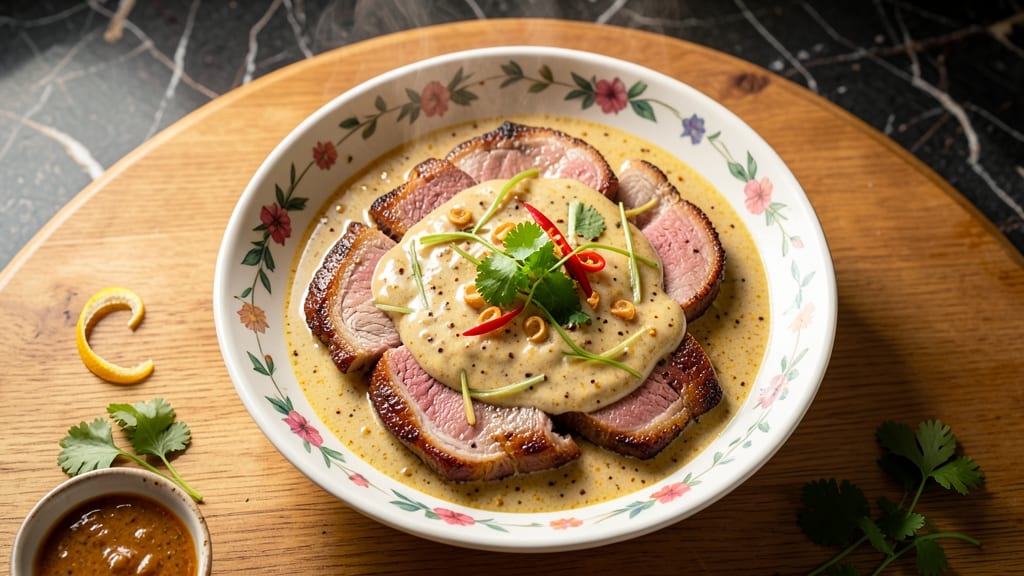
This authentic pork curry recipe brings the rich, aromatic flavors of Southeast Asian kitchens straight to your home, where tender pork simmers in a fragrant blend of spices and velvety coconut milk. 🌟 I developed this version after years of perfecting the balance between traditional techniques and modern convenience—keeping the soul of the dish while making it accessible for home cooks.
The secret lies in the layered spices: toasted cumin, coriander, and turmeric form the foundation, while lemongrass and galangal add depth that transforms simple pork into something extraordinary.
Unlike many shortcut recipes, I haven't compromised on authenticity—this curry builds flavor through slow simmering, where the spices meld with the pork and coconut milk to create a sauce that's both complex and comforting.
By the time you serve this curry, you'll have fork-tender pork swimming in a sauce that's perfectly balanced—spicy yet sweet, creamy yet aromatic. The dish pairs beautifully with steamed jasmine rice or warm naan, making it ideal for family dinners or special occasions.
What makes this recipe truly special is how it captures the essence of traditional cooking while adapting to modern kitchens.
Whether you're serving a crowd or meal prepping for the week, this pork curry delivers restaurant-quality results without requiring specialized equipment. The technique is straightforward, but the flavor is anything but ordinary—this is the kind of dish that makes you want to cook it again and again.
Let's get started on creating something truly memorable.
Ingredients for authentic pork curry
These aromatic ingredients transform simple pork into a restaurant-worthy curry with deep, layered flavors.
| Ingredient | Amount | Notes |
|---|---|---|
| Pork Shoulder 🥩 | 1 ½ lb | Cut into 1.5-inch cubes for even cooking |
| Coconut Milk 🥥 | 1 can | Full-fat for creamy texture |
| Fresh Galangal 🌿 | 3 inches | Peeled and sliced thinly |
| Lemongrass 🌿 | 3 stems | Bruised and cut into 2-inch pieces |
| Yellow Curry Paste 🌶️ | 2 tbsp | High-quality, store-bought or homemade |
| Ground Cumin 🌿 | 1 tbsp | Toasted for deeper aroma |
| Ground Coriander 🌿 | 1 tbsp | Freshly ground preferred |
| Turmeric Powder 🧂 | 1 tsp | Bright orange color for authenticity |
| Fish Sauce 🍶 | 1 tbsp | Red Boat brand recommended |
| Brown Sugar 🍯 | 2 tbsp | Light or dark variety |
| Garlic Cloves 🧄 | 6 cloves | Peeled and minced finely |
| Shallots 🧅 | 3 whole | Peeled and thinly sliced |
| Fresh Chili Peppers 🌶️ | 2 whole | Bird's eye or Thai chili, seeded |
| Jasmine Rice 🍚 | 1 ½ cups | Uncooked, for serving |
| Fresh Cilantro 🌿 | ¼ cup | Chopped, for garnish |
The galangal and lemongrass are non-negotiable for authentic flavor—Asian markets carry fresh galangal, or sub with ginger if needed (though it won't be identical). For the curry paste, Maesri or Thai Kitchen brands deliver the best balance of spices. The pork shoulder stays tender when cut into even cubes—1.5 inches is perfect for fork-tender results. If you can't find fresh galangal, doubled ginger plus a pinch of citric acid comes close, but nothing beats the real thing.
No fish sauce? Soy sauce plus a splash of lime juice works in a pinch, though the umami won't be as complex. The brown sugar caramelizes beautifully during cooking—light brown sugar adds subtle molasses notes. For extra heat, keep the chili seeds in; for mildness, remove them completely. The coconut milk should be full-fat (no light versions)—it's the creamy backbone of the dish. If you're short on time, pre-toast the cumin and coriander in a dry pan for 30 seconds to deepen their flavors.
This curry tastes even better the next day as flavors meld—4-5 days in the fridge, or freeze for 3 months in airtight containers. The jasmine rice soaks up the sauce beautifully; cook it in 1:1.5 rice-to-water ratio for perfect texture. For meal prep, portion the curry into individual containers with a scoop of rice—microwave for 2 minutes to reheat. The cilantro wilts fast, so add it fresh when serving.
Why You'll Love This Recipe
- One-Pot Magic: The pork shoulder softens right in the pot while the curry paste and coconut milk meld into something rich—no extra dishes, no stress. Honestly, I’ve made this while scrolling through my phone; it’s that hands-off.
- Galangal-Lemongrass Punch: That fresh galangal and lemongrass? It’s the secret weapon—bright, citrusy, with just enough kick to wake up the coconut milk. The yellow curry paste ties it all together like a warm hug in a bowl.
- Leftover Luxury: This curry actually gets better the next day, when the flavors deepen and the pork falls apart. I’ll be real: I’ve reheated portions for three days straight, and it’s still my go-to lazy lunch.
- Budget Crowd-Pleaser: Pork shoulder is affordable, and a single batch feeds four (or two very hungry people). Between us, this is the dish I make when friends drop by unexpectedly—always a hit, always a steal.
Step-by-step instructions for authentic pork curry
Let's create a rich, aromatic curry that balances spice with coconut cream harmony.
🍳 Step 1: Build the Spiced Base
Heat a large Dutch oven over medium heat and add the 1.5 lb pork shoulder cut into 1.5-inch cubes. Sear the pork for 5-6 minutes until golden brown on all sides—this develops deep flavor through the Maillard reaction. Remove the pork and set aside.
In the same pot, add 2 tablespoons yellow curry paste and cook for 1 minute until fragrant. Add the 3 inches fresh galangal (sliced thinly) and 3 stems lemongrass (bruised and cut into 2-inch pieces), cooking for another 2 minutes until the galangal softens slightly. This aromatic trio forms the foundation of our curry's complex flavor profile.
🍳 Step 2: Develop the Spice Blend
Stir in the 1 tablespoon ground cumin, 1 tablespoon ground coriander, and 1 teaspoon turmeric powder, cooking for 30 seconds until the spices release their oils and fill your kitchen with earthy warmth. Add the 3 whole shallots (thinly sliced) and 6 cloves garlic (minced finely), cooking for 2-3 minutes until soft and fragrant.
Here's where the magic happens: pour in 1 tablespoon fish sauce and 2 tablespoons brown sugar, stirring constantly. The fish sauce adds umami depth while the sugar balances heat and caramelizes slightly. Let this mixture cook for 1 minute until the sugar dissolves completely—this creates a flavor bridge between the spices and coconut milk we'll add next.
🥘 Step 3: Simmer with Coconut Cream
Pour in the 1 can coconut milk, stirring vigorously to incorporate all the spices and aromatics. Add the 2 whole fresh chili peppers (seeded and roughly chopped) and bring the mixture to a gentle simmer. Return the pork to the pot, ensuring the cubes are submerged in the creamy sauce.
Cover and simmer for 1 hour 15 minutes over low heat, stirring occasionally. You'll know it's ready when the pork is fork-tender and the sauce has thickened to a velvety consistency. The curry should smell intensely aromatic—like a mix of citrus, earth, and tropical warmth. If the sauce reduces too much, add 2-3 tablespoons water to maintain balance.
🍚 Step 4: Prepare the Jasmine Rice
While the curry simmers, prepare the 1.5 cups jasmine rice according to package instructions for perfect, fluffy grains. I like to use a 1:1.5 rice-to-water ratio and bring it to a boil before reducing to a simmer for 15 minutes. The rice should be tender but still slightly firm—it'll finish cooking when mixed with the curry.
Here's the thing about jasmine rice: it absorbs flavors beautifully. The aromatic steam from the curry will infuse the rice as it cooks, creating a harmonious bite. Don't skip rinsing the rice first—this removes excess starch and prevents gummy texture. Drain well before cooking.
🍽️ Step 5: Finish and Serve
Once the pork is tender and the sauce has thickened, taste and adjust seasoning. You might need a touch more fish sauce for saltiness or brown sugar to balance heat. Remove the galangal and lemongrass stems—they've done their job—and discard the chili peppers (unless you want extra heat). Stir in the 0.25 cup fresh cilantro (chopped) just before serving for bright, herbal contrast.
Spoon the curry over the jasmine rice, garnishing with additional cilantro if desired. The perfect serving delivers tender pork in a rich, aromatic sauce that coats each bite with layers of spice and coconut cream. Serve with lime wedges on the side—just a squeeze brightens the dish beautifully.
Pro Tips For Making Authentic Pork Curry
- Sear the Pork First: After cutting the pork shoulder into chunks, hit the pan with a little oil and sear them over high heat until they’re deep golden—this isn’t just for looks. The crust locks in flavor and prevents the meat from turning mushy later. I used to skip this, and the curry always tasted flat until I learned the hard way.
- Slice Galangal Thin: Fresh galangal has tough fibers, and if you’re lazy like me, you’ll end up with a curry that tastes like it’s missing something. Slice it paper-thin—about 1/8-inch—and pound it lightly with the flat side of your knife. This releases the oils and makes the aroma pop.
- Simmer Low and Slow: The moment you add coconut milk, drop the heat to a bare simmer. Rushing this step curdles the milk or makes the curry taste raw. I’ve seen people walk away for 10 minutes, and the difference is night and day—creamy, not greasy.
- Toast the Paste Properly: Don’t just toss the yellow curry paste in—bloom it in oil for 2-3 minutes until it’s fragrant and slightly darkened. This step builds depth, and skipping it leaves your curry tasting like it’s missing its soul. (Yes, even if you’re impatient like me.)
Wine and beer pairings for this recipe
Red Wine Pairings
For this rich, aromatic pork curry, I reach for a medium-bodied red wine with enough structure to stand up to the coconut cream and spices.
A Pinot Noir from Oregon or Burgundy is my go-to—its bright acidity and red fruit notes (think cherry and raspberry) cut through the fat while complementing the earthy galangal and lemongrass. The wine's subtle earthiness mirrors the curry's spice profile, creating harmony rather than competition. 🍷
If you prefer something with a touch more body, try a Syrah from Washington State. The peppery spice notes in the wine enhance the curry's heat, while its dark fruit flavors balance the coconut's sweetness.
I've found that a 2018 La Crema Sonoma Coast Syrah holds up beautifully to this dish's complexity. Serve slightly chilled (55-60°F) to refresh your palate between bites.
White Wine Options
Don't overlook white wines—they can be surprisingly good matches. A Viognier with its floral and stone fruit notes pairs wonderfully with the curry's aromatic spices. The wine's natural sweetness complements the coconut milk, while its acidity keeps the dish from feeling too heavy.
Look for a Condrieu Viognier from the Rhône Valley for the best balance. 🍷
For something lighter, a dry Riesling from Germany adds a citrusy brightness that mirrors the lemongrass in the curry. The wine's slight sweetness enhances the brown sugar in the sauce, while its crisp acidity cleanses your palate.
I often serve a Dr. Loosen Blue Slate Riesling with this dish—it's versatile enough for both the spicy and creamy elements.
Craft Beer Pairings
When it comes to beer, I turn to session IPAs or wheat beers that can handle the curry's complexity without overpowering it. A hazy IPA with its juicy hop character (think mango or citrus) complements the coconut and spices beautifully.
Try a Modern Times Hazy Little Thing—its low bitterness lets the curry's flavors shine while the hop aroma adds a refreshing contrast. 🍺
For a lighter option, a Belgian Witbier like Allagash White brings citrus and peppery notes that echo the curry's galangal and chili. The beer's effervescence also helps cut through the richness.
If you prefer something darker, a Belgian Dubbel offers malty sweetness that balances the heat and acidity in the dish.
Non-Alcoholic Options
For those skipping alcohol, a sparkling ginger beer like Feather Ginger Beer is a fantastic match. The ginger's warmth complements the galangal, while the bubbles cleanse your palate between bites.
I also love serving coconut water chilled on the side—its subtle sweetness echoes the coconut milk in the curry while providing hydration. 🥤
For a more substantial non-alcoholic option, try a hibiscus iced tea brewed with cinnamon and cloves. The tartness of the hibiscus balances the coconut's sweetness, while the warm spices enhance the curry's depth. Serve it well-chilled over ice for the perfect refreshing contrast.
Nutrition facts
Frequently asked questions
Can I substitute pork shoulder with another cut?
Pork tenderloin works beautifully—cut it into 1-inch cubes and reduce the cooking time to 45-60 minutes since it's more tender. For budget-friendly options, use pork butt or even chicken thighs (increase cooking time to 1 hour 30 minutes). The key is to keep the pieces similar in size for even cooking.
What if I can't find fresh galangal or lemongrass?
No problem! For galangal, use doubled the amount of ginger plus a pinch of citric acid (or lemon zest) to mimic its citrusy bite. Lemongrass can be replaced with extra shallots and garlic—just increase them by 50%. The dish will still be flavorful, though the aroma won't be identical. Asian markets often carry frozen galangal if you're nearby.
How do I make this curry less spicy?
Remove the seeds and membranes from the chili peppers before adding them to the curry. For milder heat, reduce the curry paste to 1.5 tablespoons and omit the chili peppers entirely. If you accidentally made it too spicy, stir in 1 tablespoon coconut milk or 1 teaspoon brown sugar to balance the heat.
Can I make this pork curry in a slow cooker?
Yes! Sear the pork first, then transfer everything (including spices and coconut milk) to your slow cooker. Cook on low for 6-7 hours or high for 3-4 hours. The slow cooking enhances the flavors even more, making the pork incredibly tender. Just stir occasionally and add water if needed to prevent burning.
What's the best way to reheat leftovers?
Reheat gently in a saucepan over low heat with 2-3 tablespoons water to prevent drying. For microwave reheating, cover with a damp paper towel and heat in 1-minute intervals, stirring between each. The curry actually tastes better the next day as flavors meld! Store in an airtight container for up to 4-5 days or freeze for 3 months.