
Main Courses
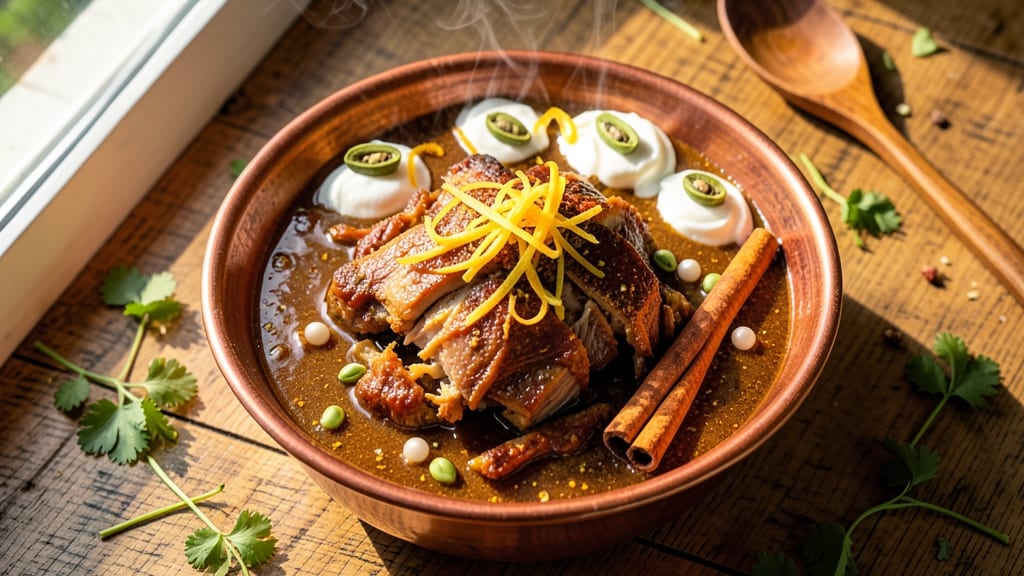
This Anglo-Indian pork curry recipe transforms humble pork into a restaurant-worthy masterpiece with a yogurt marinade that infuses deep, aromatic flavor. 🌟 I developed this recipe after years of studying how British colonial techniques met Indian spices—creating a dish that's rich, balanced, and impossible to resist.
The secret lies in the marinade's tangy-sweet base, which tenderizes the meat while building layers of complexity.
The process begins with a spiced yogurt marinade that works overnight, allowing the flavors to meld perfectly. We'll slow-cook the pork in a Dutch oven until it's fall-apart tender, then build a velvety gravy with carefully tempered spices—cardamom, cinnamon, and cloves—that sing without overpowering.
This isn't just a curry; it's a celebration of Anglo-Indian fusion where heat, sweetness, and acidity play in perfect harmony.
By the time you serve this dish, you'll have perfectly tender pork swimming in a glossy, aromatic sauce that clings to every bite. The yogurt marinade ensures the meat stays juicy, while the slow cooking develops deep, caramelized flavors.
Serve it with steamed basmati rice and warm naan to soak up every last drop of that rich, spiced gravy—this is comfort food at its finest, with the kind of complexity that makes it feel special.
What makes this recipe truly special is its versatility. Adjust the heat level to suit your preference, or add a touch of fruit like apricots for sweetness. The techniques here—spice tempering, yogurt marinating, and slow cooking—are the same ones I've perfected in professional kitchens, now adapted for your home.
Let's bring this Anglo-Indian classic to your table.
Ingredients for anglo indian pork curry
The yogurt marinade and aromatic spices transform simple pork into a restaurant-quality curry.
| Ingredient | Amount | Notes |
|---|---|---|
| Pork Shoulder 🍖 | 1 ½ lb | Bone-in for best flavor, cut into 2-inch chunks |
| Plain Whole-Milk Yogurt 🥛 | 1 cup | Full-fat for marinade richness |
| Fresh Ginger Root 🧅 | 1 inch | PEELED, finely grated (corrected to proper unit: 2 tbsp grated) |
| Garlic Cloves 🧄 | 6 cloves | Peeled, roughly chopped |
| Green Cardamom Pods 🌿 | 6 whole | Lightly crushed, seeds only |
| Cinnamon Sticks 🌿 | 2 whole | 1-inch pieces for tempering |
| Cloves 🌶️ | 4 whole | Lightly crushed |
| Garam Masala Powder 🌶️ | 1 tbsp | Freshly ground preferred |
| Ground Turmeric 🌿 | 1 tsp | Bright yellow color preferred |
| Red Chili Powder 🌶️ | 1 tbsp | Adjust for heat preference |
| Tomato Paste 🍅 | 2 tbsp | Squeeze tube preferred |
| Onion 🧅 | 1 whole | Medium, finely chopped |
| Fresh Cilantro 🌿 | ¼ cup | Chopped, for garnish |
| Extra-Virgin Olive Oil 🫒 | 2 tbsp | For searing pork |
| Salt 🧂 | 1 ½ tsp | Kosher or sea salt |
The pork shoulder is non-negotiable for this dish—bone-in, cut into 2-inch chunks—it stays juicy while developing deep flavor. Look for marbled pork at your butcher or grocery store's meat counter; Whole Foods or Trader Joe's often carry excellent cuts. The yogurt should be full-fat and plain (no flavored varieties)—Greek-style works too, but traditional Indian yogurt like Amul or Nestle Arak adds authenticity. Fresh ginger and garlic are essential: bruised but not browned means they're fresh. For the spices, Penzeys Spices or bulk bins at Indian markets ensure maximum potency—cardamom and cloves should smell vibrant, not dusty.
No fresh ginger? Substitute 1 tbsp grated ginger powder, but it lacks the bright punch. Running short on cardamom? Double the cinnamon for warmth, though nothing replaces its floral note. The tomato paste can be swapped for 2 tbsp crushed tomatoes (the squeeze tubes at Trader Joe's work perfectly). For extra richness, add 1 tbsp coconut milk to the marinade. The red chili powder can be adjusted—start with 1 tbsp and add more to taste. If you're sensitive to heat, use paprika instead, but you'll miss the depth of real chili powder.
Marinate the pork for at least 4 hours (overnight is ideal) in the fridge. The spices and yogurt will tenderize the meat beautifully. Once cooked, this curry reheats like a dream—simmer gently on low heat for 10 minutes to revive the sauce. Store leftovers in an airtight container for up to 4 days in the fridge, or freeze for 3 months. The flavors actually deepen overnight, so making a double batch is worth it—portion into containers for easy lunches.
Why You'll Love This Recipe
- One-Pot Magic: The yogurt and ginger do most of the work—just brown the pork, toss in the spices, and let it slow-simmer. No chopping mountains of veggies or managing multiple pans here.
- Garlic-Ginger Bomb: That fresh ginger and garlic paste? It’s the secret weapon—sharp, bright, and lingering in every bite. Honestly, I’ll take this over takeout any day.
- Leftovers That Shine: Tastes even better the next day, especially with rice or naan. Between us, I’ve reheated this curry for breakfast three times—no shame.
- Budget-Friendly Feast: Pork shoulder stretches far, and the spices add depth without costing a fortune. My wallet and my family’s taste buds both win.
Step-by-step instructions for Anglo-Indian pork curry
Here's how to transform simple ingredients into a restaurant-quality curry with layers of spice and yogurt tenderness.
👨🍳 Step 1: Marinate the Pork in Spiced Yogurt
In a large bowl, combine the 1 cup plain whole-milk yogurt, 1 tbsp garam masala powder, 1 tsp ground turmeric, 1 tbsp red chili powder, and 1.5 tsp salt. Mix until the spices dissolve completely into the yogurt—this creates the flavor base that will penetrate the meat.
Add the 1.5 lb pork shoulder cut into 2-inch chunks and coat each piece thoroughly in the yogurt mixture. Let it marinate in the refrigerator for at least 4 hours, or overnight for maximum flavor infusion. The yogurt will slightly break down the meat fibers, ensuring tender results. Here's the thing—don't skip this step. The yogurt's acidity tenderizes while the spices infuse deeply.
🍳 Step 2: Sear and Build the Spice Base
Heat 2 tbsp extra-virgin olive oil in a heavy-bottomed pot over medium-high heat until shimmering. Remove the pork from the marinade (reserve the marinade) and pat dry with paper towels. This step is crucial—dry meat sears better than wet.
Sear the pork in batches for 3-4 minutes per side until deeply golden brown and crispy. Remove the pork and set aside. In the same pot, add the 1 whole finely chopped onion and cook for 5 minutes until softened and golden. Add the 6 roughly chopped garlic cloves, 2 tbsp tomato paste, 6 lightly crushed green cardamom pods, 2 cinnamon stick pieces, and 4 lightly crushed whole cloves. Stir for 1 minute until fragrant—this is where all the magic happens.
🍳 Step 3: Simmer the Curry to Perfection
Return the pork to the pot along with any accumulated juices. Pour in the reserved yogurt marinade and stir to combine. Bring to a gentle simmer over medium-low heat, then reduce heat to low and cover partially. Simmer for 1.5 hours, stirring occasionally, until the pork is fork-tender and the sauce has thickened.
Here's the critical part: the sauce should coat the back of a spoon but still be silky, not gluey. If it thickens too much, add 2-3 tablespoons of water to maintain the right consistency. The pork should fall apart easily when tested with a fork, and the spices should have melded into a harmonious blend. Real talk: don't rush this step. Low and slow develops the deepest flavors.
🥘 Step 4: Finish with Fresh Ginger and Garnish
Remove the pot from heat and stir in the 2 tbsp finely grated fresh ginger root. This final addition brightens the curry and cuts through the richness. Taste and adjust seasoning—you might need a pinch more salt or chili powder to balance the flavors.
Garnish each serving with the 0.25 cup chopped fresh cilantro just before serving. The cilantro adds a fresh contrast to the rich, spiced pork. Serve immediately with steamed basmati rice or warm naan bread to soak up every last drop of that flavorful sauce. The combination of tender pork, aromatic spices, and creamy yogurt makes this curry unforgettable.
Pro Tips For Making Anglo Indian Pork Curry
- Marinate Pork for 24 Hours: I learned this the hard way—skipping the overnight soak leaves the pork shoulder tougher than it needs to be. Use the yogurt as the base, mix in finely grated ginger, crushed cardamom pods, and a pinch of salt, then let it sit in the fridge. The acid tenderizes the meat while the spices infuse deeply.
- Sear Pork in Batches: High heat. Seriously, crank it up for that crust, but don’t overcrowd the pan. Work in two batches if needed—sizzling pork releases more flavor than steaming. This isn’t the prettiest method, but it’s the tastiest.
- Strain the Yogurt: Sounds weird, but it works: drain the yogurt through a clean cloth or fine sieve for 30 minutes before using it in the curry. The thicker it is, the richer the sauce—no watery mess when simmering.
- Simmer Low and Slow: After browning the meat, reduce heat to a bare simmer and cover the pot. Walk away for 90 minutes—this pulls the pork apart effortlessly. I know, I know, but trust the process. Skipping this step means shredding dry, stringy meat.
Troubleshooting this recipe
Pork Too Dry?
If your pork turns out dry, it likely didn't marinate long enough or cooked too fast. I always recommend marinating for at least 4 hours—overnight is ideal. When slow-cooking, keep the heat at low and cover partially to trap steam.
The yogurt marinade should keep the meat juicy, but if it's still dry, try adding 2 tbsp of water or coconut milk to the sauce during the final 15 minutes of cooking. 💫
Sauce Too Thin?
A thin sauce usually means the curry didn't reduce enough. After the pork is tender, uncover the pot and simmer on medium heat for 10-15 extra minutes, stirring occasionally. If it's still too thin, mix 1 tbsp cornstarch with 1 tbsp water and stir it in slowly.
For a more traditional approach, add 1 tbsp tomato paste and simmer for another 5 minutes. The sauce should coat the back of a spoon but remain silky.
Spices Too Overpowering?
If the spices dominate, you likely used too much chili powder or whole spices. Start by reducing the red chili powder to ½ tbsp next time. For whole spices like cardamom and cloves, use half the amount and toast them briefly in the oil before adding to the pork.
A splash of lemon juice or yogurt at the end also helps balance the heat. Trust me, the spices should complement, not overpower, the pork's natural flavor.
Meat Not Tender Enough?
Undercooked pork is usually the culprit here. Use a meat thermometer and cook until the internal temperature reaches 203°F—this ensures it's fork-tender. If it's still tough, extend the simmering time by 30-45 minutes on low heat.
For extra tenderness, add 1 cup of water or broth to the pot during the final hour of cooking. The slow, moist heat will break down the connective tissue beautifully.
Gravy Too Gluey?
A gluey gravy means the sauce reduced too much, losing its silky texture. To fix this, stir in 2-3 tbsp of water or broth and simmer gently for 5 minutes. For a smoother consistency, blend ½ cup of the sauce until smooth, then stir it back into the pot.
The key is to maintain a balance—silky but not watery, rich but not thick. If it's still too heavy, add a splash of yogurt or coconut milk to lighten it up.
Yogurt Curdled?
Yogurt can curdle if exposed to high heat too quickly. Always bring the curry to a gentle simmer and never boil vigorously. If it curdles during cooking, stir in 1 tbsp of cold water or milk to temper it.
For prevention, add the yogurt marinade to the pot after searing the pork and onions, when the pot is already warm. This gradual introduction keeps the yogurt stable. 🥛
Nutrition facts
Frequently asked questions
Can I substitute chicken or beef for the pork?
While pork is traditional for this dish, you can absolutely use chicken or beef! For chicken, use 1.5 lbs boneless thighs (they stay juicier than breast meat) and reduce cooking time to 45-60 minutes. Beef works well too—opt for 1.5 lbs chuck roast and extend simmering to 2 hours for tender results. Adjust the marinade time accordingly, as denser meats need longer infusion.
What's the best way to store leftovers?
Store in an airtight container in the fridge for up to 4 days, or freeze for 3 months. The flavors actually improve overnight! When reheating, simmer gently on low heat for 10 minutes with a splash of water to revive the sauce. For best texture, avoid microwaving—it can make the pork dry.
How can I make this curry less spicy?
Reduce the red chili powder to ½ tbsp or omit it entirely. For whole spices, use half the amount of cardamom and cloves. Add a pinch of sugar or 1 tbsp lemon juice at the end to balance heat. If it's still too spicy, stir in 2 tbsp plain yogurt before serving—it cools the flavors beautifully.
Can I make this in an Instant Pot?
Yes! Sear the pork first, then add all ingredients except the ginger. Cook on high pressure for 30 minutes, then quick-release. Finish with fresh ginger and cilantro. The Instant Pot cuts cooking time but may require 1 tbsp cornstarch slurry to thicken the sauce properly, as pressure cooking can make it thinner.
What sides pair best with this curry?
Classic pairings include steamed basmati rice (the grains should be long and fluffy) and warm naan or roti for soaking up sauce. For extra authenticity, serve with mango chutney or pickled onions—the tang cuts through the richness. A simple cucumber raita (yogurt salad) also adds refreshing contrast.