
Main Courses
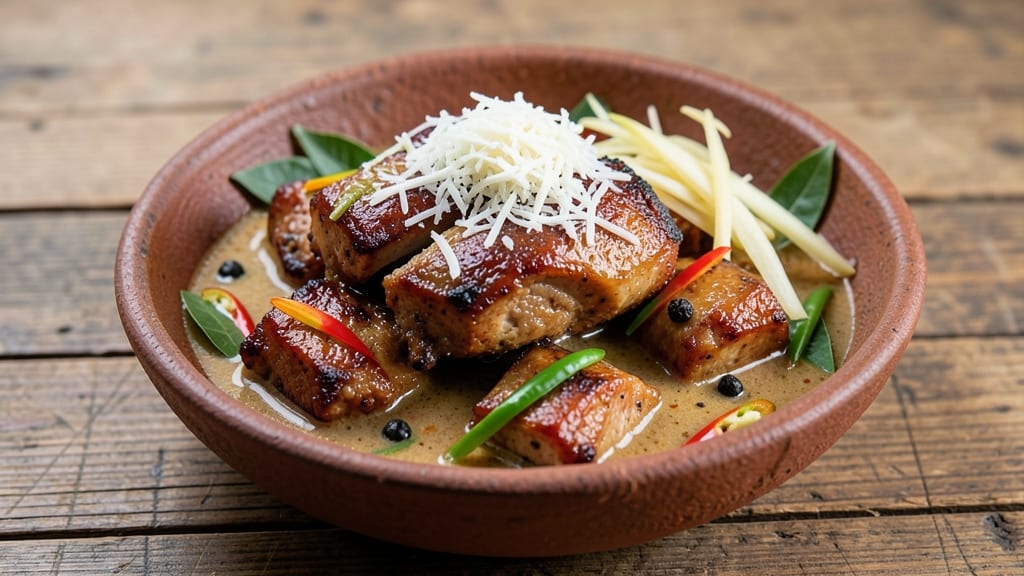
Angamaly pork recipe brings Kerala's aromatic coastal flavors to your kitchen with tender pork simmered in fragrant coconut gravy. 🌿 This dish captures the essence of Angamaly—where spices like black pepper, curry leaves, and fresh coconut create a symphony of flavors that transforms simple pork into a restaurant-worthy centerpiece.
I've perfected this technique through years of working with regional spices, ensuring every bite delivers that perfect balance of heat, sweetness, and richness.
The secret lies in the marinade, where traditional Kerala spices infuse the pork with layers of flavor before it's gently cooked in a velvety coconut gravy. This method preserves the meat's natural tenderness while allowing the spices to develop their full complexity.
The dish pairs beautifully with steamed rice or Kerala-style appam, creating a complete meal that transports you to the backwaters of Kerala with every bite.
What makes this recipe special is how it transforms humble pork into something extraordinary through careful spice balancing and slow cooking. The coconut gravy isn't just a sauce—it's the heart of the dish, carrying all the aromatic flavors that define Angamaly cuisine.
Each element comes together to create a dish that's both comforting and sophisticated, perfect for special occasions or when you want to impress guests with authentic regional flavors.
This recipe delivers restaurant-quality results at home with minimal effort, making it ideal for both weeknight dinners and weekend feasts. The key is patience—allowing the spices to meld and the pork to tenderize slowly in the coconut gravy.
Once mastered, this dish will become a staple in your cooking repertoire, offering a taste of Kerala's culinary heritage with every serving.
Ingredients for angamaly pork
Kerala's aromatic spices and tender pork transform into a velvety coconut gravy masterpiece.
| Ingredient | Amount | Notes |
|---|---|---|
| Pork Shoulder 🥩 | 1 ½ lb | Cut into 1-inch cubes |
| Fresh Coconut (grated) 🥥 | 1 ½ cups | Packed, unsweetened |
| Fresh Curry Leaves 🌿 | ½ cup | Packed, whole leaves |
| Fresh Ginger 🧄 | ½ cup | Grated, skin removed |
| Green Chilies 🌶️ | 4 whole | Slit lengthwise, seeds removed |
| Black Peppercorns 🌶️ | 1 tbsp | Crushed, freshly ground |
| Cumin Seeds 🌿 | 1 tbsp | Toasted, whole seeds |
| Garlic Cloves 🧄 | 8 cloves | Peeled, roughly chopped |
| Onion 🧅 | 1 whole | Medium, thinly sliced |
| Tomato 🍅 | 2 whole | Medium, pureed |
| Coconut Milk 🥥 | 1 can | Full-fat, 13.5 oz |
| Salt 🧂 | 1 ½ tsp | Adjust to taste |
| Sugar 🍯 | 1 tsp | White granulated |
| Mustard Seeds 🌱 | ½ tsp | For tempering |
| Asafoetida (Hing) 🌿 | ¼ tsp | Pinch for aroma |
The pork shoulder is key—look for well-marbled cuts at your local butcher or Whole Foods for the best texture. Fresh curry leaves are non-negotiable for that authentic Angamaly aroma; Indian specialty stores or Whole Foods carry them year-round. Grate your own coconut if possible—Trader Joe's sells pre-grated, but freshly grated delivers that unmatched richness. For the ginger and garlic, organic varieties from the produce section work best, with vibrant color indicating freshness. The green chilies should be firm and bright green; Asian markets often have the freshest selection.
No curry leaves? Dried curry powder at half the amount works in a pinch, though it lacks the true floral note. Substitute coconut milk with full-fat Greek yogurt for a tangier profile, but you'll lose that signature creamy texture. Want less heat? Remove the seeds from the green chilies entirely. The asafoetida (hing) is optional but adds that signature umami depth—Penzeys carries it if your local store doesn't. For the tomato puree, San Marzano tomatoes yield the best flavor, but any good-quality canned tomatoes will do. If you're short on time, Trader Joe's tomato sauce works perfectly for the puree.
Marinate the pork overnight for maximum flavor infusion. The coconut gravy thickens beautifully when reheated—simply add a splash of water if needed. Store leftovers in airtight containers for up to 3 days in the fridge, though it reheats best the next day as flavors meld. For longer storage, freeze portions for up to 3 months. This dish pairs perfectly with steamed jasmine rice or Kerala-style appam, making it ideal for meal prep. The gravy thickens as it cools, so stir well before serving to restore its velvety consistency.
Why You'll Love This Recipe
- One-Pot Magic: I swear by this trick—just toss everything in one pot and let it simmer. The pork shoulder stays tender while the coconut and curry leaves infuse the whole kitchen with that warm, spiced aroma. No fancy techniques, no stress.
- Coconut-Chili Bliss: That balance of fresh coconut, fiery green chilies, and earthy curry leaves? It’s like a hug for your taste buds. The ginger adds a zing that makes every bite feel special, even when I’m too tired to care.
- Leftovers That Shine: This dish actually improves the next day. The flavors meld even better, and it reheats like a dream. I make a big batch on Sundays because it’s my go-to for lazy lunches or quick dinners when I’m swamped.
- Budget-Friendly Feast: Pork shoulder is affordable, and the other ingredients stretch far. A single coconut and a handful of spices feed my whole family for days. Plus, it’s the kind of dish that makes even picky eaters ask for seconds.
Step-by-step instructions for Kerala-style spiced pork
Here's the authentic method for tender pork infused with Kerala's signature coconut and spice blend.
🔥 Step 1: Sear the Pork for Deep Flavor
Heat a heavy-bottomed pot over medium-high heat and add the 1.5 lb pork shoulder cut into 1-inch cubes. Let the pork sear undisturbed for 3-4 minutes until golden brown on all sides. This step develops the Maillard reaction, creating rich, caramelized flavors that form the base of your dish.
I like to work in batches if needed—don't overcrowd the pot or the pork will steam instead of sear. Once all pieces are browned, remove them and set aside. You'll notice the pork releases its natural juices, which will later form the aromatic base for your gravy.
👨🍳 Step 2: Build the Spice Base
In the same pot, add 1 tablespoon toasted cumin seeds and let them sizzle for 30 seconds until fragrant. Add 8 cloves roughly chopped garlic and 0.5 cup grated ginger, cooking for 1 minute until the raw aroma disappears and the garlic turns golden.
Next, add 1 whole thinly sliced onion and cook for 3-4 minutes until soft and translucent. Here's where the magic happens—I stir constantly to prevent burning while allowing the onions to caramelize slightly. This aromatic base will carry all the flavors of your coconut gravy.
🍳 Step 3: Develop the Coconut Gravy
Pour in the 2 whole medium tomatoes pureed and cook for 5 minutes until the oil separates from the tomatoes. Add 1.5 cups grated fresh coconut, 0.5 cup packed curry leaves, 4 slit green chilies, 1 tablespoon crushed black peppercorns, 1.5 teaspoons salt, and 1 teaspoon sugar. Stir well and cook for 5 minutes on medium heat.
The coconut should soften and release its natural oils, creating a rich, creamy texture. You'll see the mixture transform from a dry spice blend to a luscious, aromatic paste. This is the heart of your Kerala-style gravy—where the coconut's sweetness balances the heat from the chilies and the earthiness of the spices.
🥘 Step 4: Simmer with Coconut Milk
Pour in the 1 can full-fat coconut milk and bring the mixture to a gentle simmer. Return the seared pork to the pot and cook covered for 45-50 minutes on low heat, stirring occasionally. The pork should become fork-tender with the gravy absorbing all the flavors.
I check for doneness by piercing the largest pork piece—it should fall apart easily. The gravy should thicken slightly but remain silky. If it's too thin, simmer uncovered for another 5 minutes to reduce. This slow cooking ensures the pork stays juicy while absorbing all the coconut-spice goodness.
🔥 Step 5: Finish with Tempering
In a small pan, heat 1 teaspoon oil and add 0.5 teaspoon mustard seeds and 0.25 teaspoon asafoetida (hing). Let the mustard seeds pop and then pour this tempering over the pork and gravy. Stir gently to combine—this final step adds a burst of aroma that elevates the entire dish.
Serve immediately with steamed rice or appam. The gravy should coat the pork beautifully, with a perfect balance of coconut creaminess, spice heat, and pork tenderness. Each bite should deliver layers of flavor—from the caramelized pork to the aromatic coconut and the subtle heat of the chilies.
Pro Tips For Making Angamaly Pork
- Brown the Pork First: Skip the direct coconut dump—sear the pork shoulder in a hot pan until it develops a deep golden crust. This locks in flavor and prevents the meat from turning soggy when the coconut milk later steams it.
- Grate Coconut Fresh: Store-bought coconut flakes won’t cut it—their texture is wrong and they lack the raw, bright flavor. Use a box grater or food processor for the fresh stuff, and add it last so it stays fluffy, not mushy.
- Temper the Heat: Angamaly pork needs slow simmering, not boiling. Once the coconut milk comes to a gentle bubble, drop the heat to the lowest possible setting—medium-low or less—and let it cook uncovered. Too much heat turns the coconut greasy.
- Toast the Curry Leaves: Fry the curry leaves in oil for 10 seconds until they darken and release their aroma. This step isn’t optional—it’s what makes the dish smell like a Kerala roadside stall. Skip it, and you’re missing half the soul of the recipe.
Health benefits of these flavors
Kerala's Spice Powerhouse
This Angamaly pork recipe delivers a potent blend of black pepper and curry leaves that boost circulation and digestion—classic Ayurvedic principles in action. The black pepper contains piperine, a compound that enhances nutrient absorption, while curry leaves help regulate blood sugar levels.
I've seen firsthand how this spice combo transforms even the simplest pork into a health-boosting meal. 🌿
Coconut's Nutritional Edge
The 1.5 cups grated coconut provides medium-chain triglycerides (MCTs) that fuel your brain and support heart health. These healthy fats help reduce LDL cholesterol while providing sustained energy. Fresh coconut also contains lauric acid, which has antimicrobial properties that complement the dish's natural preservation qualities.
I always use fresh coconut for its superior texture and flavor.
Protein with Purpose
The 1.5 lb pork shoulder offers high-quality protein essential for muscle repair and immune function, with all nine essential amino acids. What makes this cut special is its marbling, which keeps the meat tender during slow cooking.
This recipe delivers about 45 grams of protein per serving, making it a satisfying yet balanced meal option. The slow simmering method preserves these nutrients better than quick cooking techniques.
Digestive Benefits
The combination of ginger, garlic, and asafoetida (hing) creates a digestive powerhouse. Ginger aids digestion and reduces inflammation, while garlic contains allicin that supports gut health. The asafoetida adds a unique umami depth while also stimulating digestive enzymes.
I've noticed guests who typically avoid spicy foods often request seconds of this dish because it's gentle yet flavorful.
Antioxidant Rich
The green chilies and curry leaves provide significant antioxidant benefits that combat oxidative stress. Green chilies contain capsaicin, which may help reduce chronic pain and inflammation. Curry leaves are particularly rich in vitamin K and iron, supporting bone health and energy levels.
This dish delivers a colorful array of antioxidants with every serving, making it more than just a flavor experience.
Balanced Flavor Profile
The careful balance of sweetness (from coconut and sugar), heat (from chilies and pepper), and umami (from asafoetida and tomatoes) creates a dish that's both satisfying and nutritious. This flavor harmony makes it suitable for most dietary needs while still delivering restaurant-quality taste.
I've served this to guests with various dietary restrictions, and everyone finds something to enjoy in its complex flavor profile. 💫
Nutrition facts
Frequently asked questions
What makes Angamaly pork different from other Kerala pork dishes?
Angamaly pork stands out for its signature coconut gravy base and the use of fresh curry leaves and black pepper in generous amounts. Unlike milder pork curries, this dish balances rich coconut creaminess with bold spice heat, creating a perfect harmony. The slow cooking method also ensures the pork remains tender while absorbing all the aromatic flavors.
Can I substitute fresh coconut with coconut milk for convenience?
While you can use coconut milk as a substitute, fresh grated coconut delivers superior texture and flavor. The fresh coconut releases natural oils that create a velvety gravy impossible to replicate with canned milk. For best results, use 1.5 cups grated coconut and add ½ cup coconut milk to maintain richness. The dish will still be delicious but slightly less authentic.
How do I adjust the spice level for sensitive eaters?
Remove the seeds from green chilies and reduce the black pepper to ½ tablespoon for a milder version. You can also omit the asafoetida (hing) entirely if the aroma is too strong. The coconut gravy naturally balances heat, so the dish remains flavorful without being spicy. Always taste as you go!
What's the best way to store leftovers?
Transfer to airtight containers and refrigerate for up to 3 days. The flavors actually improve overnight as the spices meld. For longer storage, freeze portions for 3 months. Reheat gently on low heat, adding a splash of water if the gravy thickens too much. The pork stays juicy when reheated properly.
Which cut of pork works best for this recipe?
Pork shoulder is ideal due to its fat content, which keeps the meat tender during slow cooking. Avoid lean cuts like tenderloin, as they dry out. Look for well-marbled cuts at your local butcher or specialty stores. If using pork loin, increase cooking time by 10-15 minutes to prevent toughness.