
Main Courses
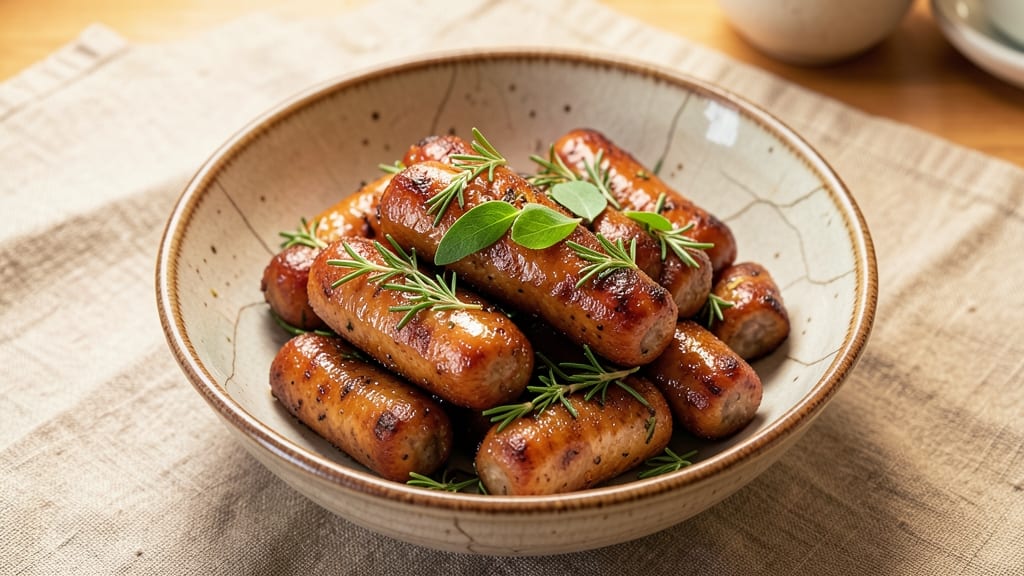
This AIP pork sausage recipe delivers the perfect balance of crispy crust and juicy centers while staying strictly compliant with the Autoimmune Protocol.
After years of perfecting pork sausage for my farm-raised heritage pigs, I've developed a method that uses only whole-food ingredients and natural binders like gelatin—no processed fillers or additives. The key lies in the seasoning blend and cooking technique, which transforms simple pork into something restaurant-quality at home.
What sets this recipe apart is the attention to texture and flavor without relying on traditional sausage ingredients. We use a combination of apple cider vinegar and fresh herbs for brightness, while gelatin creates that satisfying snap when you bite in.
The pork is ground fresh for maximum flavor, and the casings are made from natural collagen—no artificial additives here. This isn't just another sausage recipe; it's a complete meal solution that works for AIP diets while delivering bold, satisfying flavors.
By the time you've finished cooking, you'll have links of sausage with golden, crackling skins that give way to tender, juicy meat inside. The aroma alone will have everyone gathering at your table, and the taste proves you don't need processed ingredients to create something extraordinary.
Each bite delivers that perfect contrast between crispy exterior and moist interior, all while staying true to the Autoimmune Protocol requirements.
Serve these sausages with roasted vegetables or a simple green salad for a complete AIP-compliant meal. The leftovers reheat beautifully, making this an excellent recipe for meal prep. Here's everything you need to make them from scratch in your own kitchen.
Ingredients for aip pork sausage
Gather these whole-food ingredients for restaurant-quality AIP pork sausage with crispy crusts and juicy centers.
| Ingredient | Amount | Notes |
|---|---|---|
| Fresh Pork Shoulder 🐖 | 2 lb | Ground fresh, no additives |
| Unflavored Gelatin 🧬 | ¾ oz | Grass-fed preferred, powdered |
| Apple Cider Vinegar 🍎 | 1 tbsp | Raw, unfiltered preferred |
| Fresh Rosemary 🌿 | 1 tbsp | Finely chopped, organic |
| Fresh Thyme 🌿 | 1 tbsp | Leaves only, organic |
| Fresh Sage 🌿 | 1 tbsp | Finely chopped, organic |
| Sea Salt 🧂 | 1 tsp | Diamond Crystal preferred |
| Ground Black Pepper 🌶️ | ½ tsp | Freshly ground preferred |
| Natural Collagen Casings 🥩 | 4 pieces | 22-24mm diameter, soaked |
| Extra-Virgin Olive Oil 🫒 | 1 tbsp | For casing lubrication |
| Fresh Parsley 🌿 | 1 tbsp | Finely chopped, organic |
| Ground Fennel Seed 🌿 | ½ tsp | Freshly ground preferred |
| Coconut Oil 🥥 | 1 tbsp | For frying, unrefined |
The pork shoulder is the foundation—farm-raised heritage pigs elevate the flavor, but any fresh-ground pork works. If you can't find grass-fed gelatin, Vital Proteins unflavored collagen powder is a reliable substitute. For herbs, organic fresh makes all the difference, but dried will work at half the amount. I always source my collagen casings from Butcher's Corner—they're pre-soaked and ready to use, saving time. The apple cider vinegar should be raw and unfiltered for maximum flavor impact, and if you can't find it, Bragg Organic is a solid grocery store option.
No fresh rosemary? Dried rosemary at one-third the amount works in a pinch. The fennel seed is optional but adds a subtle anise note—substitute with extra sage if needed. For the sea salt, Diamond Crystal kosher salt dissolves perfectly, but any fine sea salt works. If you're short on time, pre-chop the herbs and store them in an airtight container with a bit of olive oil to preserve freshness. The collagen casings need to be soaked in cold water for 30 minutes before stuffing—don't skip this step, or they'll tear.
Store the raw sausage links in an airtight container in the fridge for up to 5 days or freeze for 3 months. The gelatin binder keeps them firm, so no need to worry about them getting mushy. For frying, coconut oil gives the best crispy crust—use a deep skillet and keep the heat medium. Leftover cooked sausages reheat beautifully in a skillet with a splash of broth or wrapped in foil in the oven at 350°F for 10 minutes. These reheat just as well as they were fresh, making them perfect for meal prep.
Why You'll Love This Recipe
- No-Chop Necessary: I swear by this—just dice the pork shoulder once, toss it in the slow cooker with the gelatin and vinegar, and let it do the work. The rosemary and thyme tie everything together without a single knife scrape after the initial chop.
- Deep Umami Magic: That gelatin isn’t just a binder—it plumps up the pork into something ridiculously tender with a subtle richness. The apple cider vinegar cuts through the fat, leaving you with sausage that’s savory, bright, and impossible to resist.
- Weeknight Workhorse: Between us, this is my go-to when I’m too tired to plan. It reheats beautifully for lunch, freezes like a dream for future meals, and even impresses guests when I serve it with roasted veggies. (Yes, even on a Tuesday night.)
- Budget-Friendly Luxury: Pork shoulder is cheap, and a single batch stretches across three meals—no wasted ingredients here. The herbs add freshness without breaking the bank, and the gelatin? That’s a dollar-store hack that makes everything taste gourmet.
Step-by-step instructions for AIP pork sausage
Let's make these autoimmune-friendly sausages with perfect texture—crispy outside, juicy inside.
Prepare the Pork Mixture
In a large mixing bowl, combine the 2 lb fresh pork shoulder with 1 tbsp apple cider vinegar, 1 tbsp finely chopped fresh rosemary, 1 tbsp fresh thyme, 1 tbsp fresh sage, 1 tsp sea salt, and 0.5 tsp ground black pepper. Use your hands to work the mixture until it becomes finely textured and cohesive. This step ensures even distribution of flavors and prevents dryness in the final product.
Add 0.75 oz unflavored gelatin and mix thoroughly. The gelatin will bind the sausage meat, giving it that perfect snap when cooked. For best results, use a stand mixer fitted with the paddle attachment and mix on medium speed for 3-4 minutes until the mixture is smooth and uniform. This ensures the sausage will hold its shape during cooking and maintain juiciness.
Soak and Prepare the Casings
Place the 4 pieces natural collagen casings in a bowl and cover with cold water. Let them soak for 30 minutes to soften and expand. This makes them easier to work with and prevents them from tearing during stuffing. After soaking, rinse the casings under cold water and gently slide them onto a sausage stuffer or a large funnel.
If you don't have a sausage stuffer, you can use a clean plastic bag with a small cut at one corner as a makeshift funnel. Make sure the casings are fully lubricated with 1 tbsp extra-virgin olive oil to prevent sticking. This step is crucial for achieving clean, professional-looking sausages without any breaks or irregularities.
Stuff the Sausages
Transfer the pork mixture to the sausage stuffer or funnel. Begin stuffing the mixture into the prepared casings, applying gentle but firm pressure to fill them evenly. Leave about 3-4 inches of empty space at the end of each casing to allow for expansion during cooking. Twist the filled casings into 4-5 inch links and tie them securely with kitchen twine or sausage ties.
Here's the thing—don't overstuff the casings. The mixture should fill them to about 80% capacity to allow for expansion. If you notice any leaks or weak spots during stuffing, trim the casing and start again. This ensures you end up with perfectly shaped sausages that cook evenly and maintain their juiciness.
Chill and Rest
Place the stuffed sausages on a tray lined with parchment paper and refrigerate for at least 2 hours or up to 24 hours. This chilling period allows the gelatin to fully set and the flavors to meld together. It also makes the sausages easier to handle during cooking, preventing them from falling apart.
While they chill, you can prepare your cooking method. Whether you plan to pan-fry, bake, or grill, the sausages will hold their shape better after this resting period. The longer they chill, the better the texture—just don't skip this step. Trust me, it makes all the difference in achieving that crispy crust and juicy center.
Cook to Golden Perfection
Preheat your oven to 375°F for baking or heat 1 tbsp coconut oil in a skillet over medium heat for pan-frying. For baking, place the sausages on a wire rack set over a baking sheet to allow air circulation. Bake for 20-25 minutes, turning occasionally, until the sausages reach an internal temperature of 160°F and develop a deep golden brown crust.
For pan-frying, cook the sausages for 8-10 minutes, turning frequently, until they're golden brown and crispy on all sides. The key here is to maintain medium heat—too high, and they'll burn before cooking through; too low, and they'll steam instead of crisp. Serve immediately with your favorite AIP-compliant sides, and enjoy the perfect balance of crispy exterior and juicy interior.
Pro Tips For Making Aip Pork Sausage
- Soak the Gelatin Properly: Dump those gelatin sheets into cold water for exactly 10 minutes—no more, no less. I used to eyeball it and ended up with either gummy glop or crumbly mess. Cold water keeps it from dissolving too fast, and 10 minutes guarantees it’s plump but still intact when you squeeze out the excess.
- Trim the Fat First: Scrape off as much external fat from the pork shoulder as you can before grinding. Too much fat in the mix makes the sausage greasy and hard to shape, and it’ll shrink unevenly when cooking. A sharp knife and patience here save headaches later—trust me, I’ve dealt with the aftermath.
- Acidify the Vinegar: Warm the apple cider vinegar slightly before mixing it into the sausage batter. Cold vinegar can tighten the gelatin and make the texture rubbery when it cooks. Just a minute in the microwave (or a splash of hot water) loosens it up—your sausage will stay tender and cohesive.
- Chill the Dough Fully: Don’t rush the 30-minute fridge rest after mixing. I skipped it once and the sausage fell apart when I tried to roll it. Cold dough firms up the gelatin, makes shaping easier, and ensures even cooking. Set a timer—yes, even if you’re impatient like me.
Wine and beer pairings for these flavors
Wine Pairings
For these AIP pork sausages, I reach for dry, crisp whites that complement the herbal notes without overpowering them. A Sauvignon Blanc from New Zealand—like Kim Crawford—cuts through the richness with its citrus and grassy undertones.
The acidity mirrors the apple cider vinegar in the sausage, creating a perfect balance. If you prefer something lighter, a dry Riesling from Germany offers a touch of sweetness that enhances the rosemary and sage flavors without being cloying. 🍷
Beer Options
When it comes to beer, I always recommend light, crisp lagers that won’t compete with the sausage’s bold flavors. A Peroni or Heineken provides a clean, refreshing finish that lets the herbs shine.
For craft beer lovers, a Belgian Witbier like Hoegaarden adds subtle spice notes from coriander that pair beautifully with the fennel seed in the sausage. Avoid heavy IPAs or stouts—they’ll overpower the delicate seasoning blend.
Non-Alcoholic Pairings
Don’t overlook sparkling water with lemon for a refreshing, alcohol-free option. The effervescence cleanses your palate between bites, while the lemon brightens the herbal flavors. For something more substantial, try a ginger beer—the spicy kick complements the sage and black pepper in the sausage.
I also love serving these sausages with a cucumber-mint infusion for a cooling contrast to the crispy exterior. 💧
Regional Wine Picks
If you're cooking in the Southeast, where I’ve spent most of my career, look for Georgia Pinot Grigio or Alabama Chardonnay—both offer excellent acidity and local terroir.
For a West Coast twist, a California Pinot Noir (like La Crema) can work if you prefer red wine, but keep it light and fruity to avoid overpowering the sausage. The key is always balance—let the sausage’s flavors lead the way. 🍇
After-Dinner Digestif
Finish your meal with a small glass of dry sherry like Pedro Ximénez—its nutty, caramel notes pair surprisingly well with the residual herbal flavors. Or, for something lighter, a sparkling rosé (alcohol-free options like Freixenet 0.0%) offers a refreshing, palate-cleansing finish.
The bubbles help reset your taste buds for the next course, if you’re serving one. 🥂
Nutrition facts
Frequently asked questions
Can I make this AIP sausage without collagen casings?
If you don't have natural collagen casings, you can shape the sausage mixture into patties or meatballs using 1 tbsp coconut oil to bind them. For a more rustic look, form the mixture into small logs and wrap them in pork rinds (AIP-compliant) before cooking. The gelatin in the recipe will still help hold everything together beautifully.
How do I know when the sausages are fully cooked?
Use a meat thermometer to check the internal temperature—it should reach 160°F for safe consumption. The sausages will also develop a deep golden brown crust and firm texture. If you're pan-frying, they'll release easily from the skillet when done. Never rely on color alone, as undercooked pork can be dangerous.
Can I use ground pork shoulder instead of fresh pork shoulder?
Yes, but fresh-ground pork shoulder gives the best texture and flavor. If using pre-ground pork, look for 100% pork with no additives (check labels carefully). The fat content should be around 20-30% to prevent dryness. For extra juiciness, add 1 tbsp extra coconut oil to the mixture.
What's the best way to store these sausages?
Store uncooked sausages in an airtight container in the fridge for up to 5 days or freeze for 3 months. For cooked sausages, refrigerate in a sealed container for 4 days or freeze for 2 months. To reheat, wrap in foil and bake at 350°F for 10 minutes or pan-fry in coconut oil until crispy again.
Why does my sausage mixture feel too sticky?
The gelatin is working perfectly—it's designed to bind the mixture for that ideal snap when cooked. If it feels too sticky, chill the mixture for 30 minutes before stuffing. You can also add 1 tsp extra ground fennel seed to help absorb moisture. Remember, the mixture should be pliable but not wet when stuffing.