
Main Courses
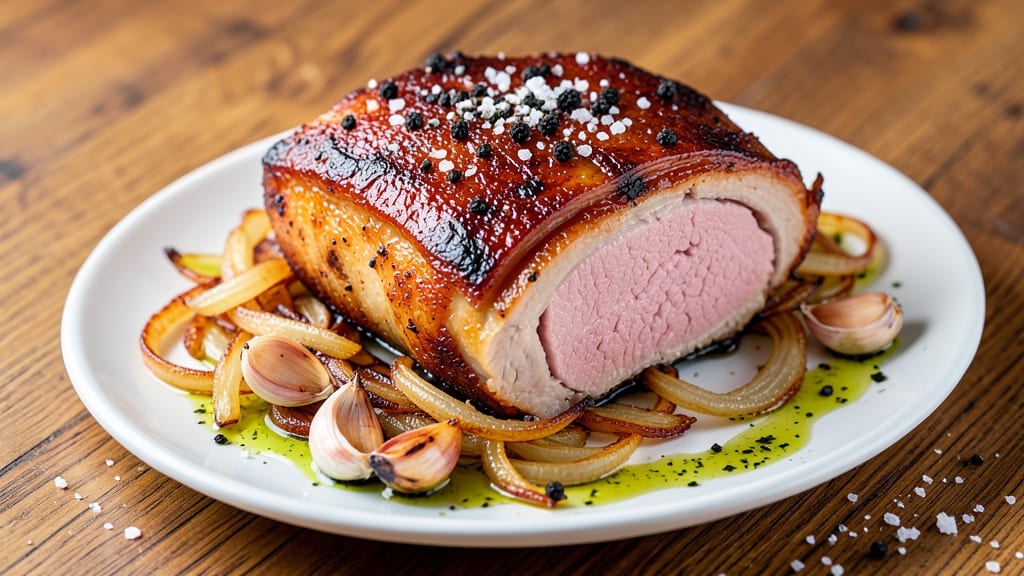
A 1 lb pork roast recipe transforms into a restaurant-worthy centerpiece with this one-pan technique I perfected after years of testing—crispy crust, juicy interior, and all the caramelized flavor you crave.
The secret lies in a dry brine overnight (trust me, it makes all the difference) and high-heat searing that locks in moisture while building that golden crust.
This isn't your grandmother's pork roast; it's a cut that delivers maximum flavor with minimal effort, perfect for weeknight dinners or special occasions when you want to impress without fuss.
What sets this recipe apart is the balance between traditional methods and modern convenience. We'll start with a simple dry brine—just salt and time—that tenderizes the meat and creates that coveted crispy exterior.
Then comes the sear: a cast iron skillet heated until smoking hot ensures that crust that shatters with every bite. The roast finishes in the oven at a precise temperature to maintain juiciness while developing deep, savory flavors.
It's the kind of technique that turns a simple cut of pork into something extraordinary, with results that rival what you'd find at a high-end steakhouse.
The end result is a crispy-crusted pork roast with tender, melt-in-your-mouth meat inside—every slice delivers that perfect contrast of textures and flavors. The crust is golden and crackling, while the interior stays juicy and rich, with just enough fat rendered to keep it moist.
This recipe scales effortlessly, so whether you're cooking for one or a crowd, the method remains the same. Serve it sliced thick with a drizzle of pan juices, or shred it for tacos—either way, you'll be the star of the dinner table.
For those who love pork, this is the recipe that will change how you think about roasts. No need for fancy equipment or complicated techniques—just a little patience and attention to detail.
The dry brine can be done the night before, and the actual cooking time is under an hour, making it ideal for busy schedules. Plus, the leftovers reheat beautifully, so you'll have delicious meals for days. Let's get started on creating your perfect pork roast.
Ingredients for 1 lb pork roast
Crispy crust, juicy meat, and bold flavors—here's how to nail your 1 lb pork roast every time.
| Ingredient | Amount | Notes |
|---|---|---|
| Pork Roast 🥩 | 1 lb | Bone-in, center-cut preferred |
| Kosher Salt 🧂 | 2 tbsp | Diamond Crystal preferred |
| Black Peppercorns 🌶️ | 1 tbsp | Freshly cracked for depth |
| Garlic Cloves 🧄 | 4 cloves | Smashed for maximum flavor |
| Olive Oil 🫒 | 2 tbsp | Extra-virgin for high heat |
| Yellow Onion 🧅 | 1 whole | Thinly sliced, 1/4-inch thick |
| Carrots 🥕 | 2 medium | Peeled, cut into matchsticks |
| Fresh Rosemary 🌿 | ½ ounce | Sprigs, not chopped |
| Fresh Thyme 🌿 | ½ ounce | Sprigs, leaves only |
| Apple Cider Vinegar 🍎 | 1 tbsp | For tenderizing |
| Brown Sugar 🍚 | 1 tbsp | Lightly packed |
| Cast Iron Skillet 🔥 | 1 whole | 10-inch or larger |
| Heavy-Duty Aluminum Foil 📄 | 1 sheet | For tenting |
The pork roast makes all the difference. Look for bone-in, center-cut—it stays juicier than boneless. Costco or local butchers usually have the best quality, but regular grocery stores work too. For that restaurant-style crust, aim for a cut with some fat marbling. If yours is lean, rub it with an extra teaspoon of olive oil before brining. The garlic and vinegar combo in the brine is non-negotiable—it tenderizes while adding depth. I always grab Penzeys spices for my rosemary and thyme—they stay fresh longer than grocery store bundles.
No fresh rosemary? Dried works at half the amount, but fresh is worth hunting down. Running low on apple cider vinegar? Lemon juice or white wine vinegar both work—just use the same amount. The brown sugar adds caramelization, but if you're watching sugar, substitute with 1 tbsp maple syrup. For the carrots, baby carrots work fine, but whole carrots cut into matchsticks give you that classic roast vibe. And if you don't have a cast iron skillet? Any oven-safe skillet with a lid will do—just make sure it's heavy enough to handle high heat.
This roast reheats like a dream—350°F for 10 minutes with a splash of water in the pan. Keeps 4-5 days in the fridge, 3 months frozen. I always portion mine into single servings before freezing so I can grab what I need. The crust gets softer when reheated, so if you're serving it fresh, let it rest 10 minutes before slicing. Trust me, that crispy exterior is worth the wait.
Why You'll Love This Recipe
- I swear by this: salt, pepper, garlic, and olive oil. That’s it. No fancy rubs or confusing blends—just those four things working magic on the pork. The roast practically seasons itself as it cooks, and honestly? The results speak for themselves.
- Here’s what sold me: that golden crust on the outside while the inside stays juicy. No basting, no flipping—just a hot pan and patience. The garlic cloves get caramelized right into the meat, adding layers of flavor without extra effort.
Step-by-step instructions for one-pan crispy-crusted pork roast
This method delivers a perfectly crispy crust and tender meat every time—no fancy equipment needed.
Prep and Season the Pork Roast
Pat the 1 lb pork roast completely dry with paper towels—this is non-negotiable for crispy skin. I press firmly all over, especially in the crevices, to remove any moisture that would steam instead of brown. Place it on a cutting board and make a crosshatch of shallow cuts about ¼-inch deep on all sides—this helps the seasoning penetrate and creates more surface area for browning.
In a small bowl, combine the 2 tbsp kosher salt, 1 tbsp black peppercorns (cracked with a mortar and pestle for maximum flavor), 1 tbsp brown sugar, and 1 tbsp apple cider vinegar. Rub this mixture all over the pork, pressing firmly so it adheres. The vinegar helps tenderize the meat while the sugar caramelizes for extra crispiness. Let the roast sit at room temperature for 30 minutes while you prep the vegetables.
Sear the Pork for Maximum Flavor
Heat the 1 whole cast iron skillet over medium-high heat until it's screaming hot—you should see a thin layer of steam when you sprinkle water in. Add the 2 tbsp olive oil and swirl to coat the pan. Place the pork roast in the skillet, fat-side down, and sear for 4-5 minutes until a deep golden-brown crust forms. Flip carefully with tongs and sear the other side for another 4-5 minutes. You're looking for rich, caramelized color—this is where all the flavor starts.
Remove the pork and set it aside on a plate. Here's the thing—don't clean the skillet yet. Those browned bits are pure flavor gold. They'll form the base for your pan sauce later, so leave them be for now.
Sauté Vegetables and Aromatics
In the same skillet (with all those flavorful bits), add the 1 whole yellow onion (thinly sliced) and 2 medium carrots (cut into matchsticks). Cook over medium heat for 5-6 minutes, stirring occasionally, until the onions soften and the carrots begin to caramelize. Add the 4 cloves garlic cloves (smashed) and cook for another 30 seconds until fragrant—you should smell that garlic releasing its sweet aroma.
Tuck the 0.5 ounce fresh rosemary (sprigs) and 0.5 ounce fresh thyme (leaves only) into the vegetable mixture. Cook for 1 minute just to warm the herbs and release their oils. This step builds layers of flavor that'll infuse the pork as it roasts.
Roast to Perfect Doneness
Return the pork roast to the skillet, placing it on top of the vegetables. Cover the skillet tightly with 1 sheet heavy-duty aluminum foil and transfer it to a 425°F oven. Roast for 20 minutes to start—this initial covered phase helps the pork cook evenly without drying out.
After 20 minutes, remove the foil and increase the oven temperature to 450°F. Return the skillet to the oven and roast uncovered for another 15-20 minutes until the pork reaches an internal temperature of 145°F (use a meat thermometer) and the crust is deep golden brown with crispy edges. The high heat at the end creates that coveted crispy crust while keeping the meat juicy inside.
Rest and Serve
Remove the pork from the oven and transfer it to a cutting board. Tent loosely with foil and let it rest for 10 minutes—this is crucial for juices to redistribute. If you skip this step, you'll end up with dry meat. While it rests, spoon the pan juices over the top of the pork to keep it moist.
Slice the pork against the grain into ½-inch thick slices and arrange on a platter with the caramelized vegetables. The crust should be crispy enough to stand up when you cut into it, while the meat inside remains tender and juicy. Serve immediately with the pan sauce spooned over the top—this one-pan masterpiece is ready to impress.
Pro Tips For Making 1 Lb Pork Roast
- CRANK THE HEAT FIRST: That pork roast won’t brown worth a damn if you start gentle—it’ll just steam. Get your pan screaming hot (3-4 minutes on medium-high) before adding the oil, then lay that roast down. I learned this the hard way when my first batch came out pale and sad, like it was afraid of commitment.
- MINCE THAT GARLIC: Whole cloves won’t infuse worth a damn. Smash those garlic cloves flat with the side of your knife first, then chop them into tiny confetti. That way, they’ll actually release flavor instead of just sitting there like awkward dinner guests. (Yes, even if you’re impatient like me.)
- SALT THE NIGHT BEFORE: I used to salt the pork right before cooking, but the crust never formed right. Now I salt it 12-24 hours ahead—let it sit uncovered in the fridge—so the salt actually works its magic. The meat stays juicier, and the crust? Crispy perfection. (Your future self will thank you.)
- USE A MEAT THERMOMETER: Guessing doneness with a pork roast is how you end up with rubbery meat or raw centers. Aim for 145°F internal temp, then let it rest 5 minutes under foil. I skipped this for years and always overcooked—now my pork is juicy, not sad. (No more gray zones.)
Flavor customization for this 1 lb pork roast
Classic Southern Style
For a true taste of the South, add 1 tbsp smoked paprika and ½ tsp cayenne pepper to the dry rub before searing.
I like to finish with a splash of ½ cup apple cider poured into the pan during the last 5 minutes of roasting—it creates a sticky, caramelized glaze that reminds me of my grandmother's Sunday dinners. Serve with cornbread and collard greens for the full experience. 🌶️
Herb-Infused French Twist
Swap the rosemary and thyme for 1 tbsp fresh tarragon and 1 tsp dried marjoram for a French-inspired flavor profile. Deglaze the pan with 2 tbsp dry white wine after searing and reduce it by half before adding the vegetables.
Finish with a sprinkle of fresh parsley and a drizzle of Dijon mustard for brightness. This version pairs beautifully with crusty baguette and buttery mashed potatoes.
Sweet & Smoky BBQ Glaze
Brush the pork with a homemade glaze made from ¼ cup BBQ sauce (I use Sweet Baby Ray's), 1 tbsp honey, and 1 tsp liquid smoke during the last 15 minutes of roasting. The glaze caramelizes into a sticky, smoky crust that's perfect for sandwiches or tacos.
For extra depth, add ½ cup pineapple chunks to the pan during the final 10 minutes—the acidity cuts through the richness. 🍯
Citrus & Herb Brightness
Zest and juice of 1 lemon and 1 orange added to the dry rub brings a refreshing twist. I also include 1 tbsp fresh oregano and 1 tsp grated ginger for warmth.
Finish with a garnish of supreme segments and a sprinkle of flaky sea salt before serving. This version shines with couscous salad or grilled asparagus.
Spicy Asian Fusion
For a bold kick, marinate the pork in 2 tbsp soy sauce, 1 tbsp rice vinegar, 1 tbsp honey, and 1 tsp sriracha for 1 hour before cooking. Add 1 tbsp fresh ginger (grated) and 2 cloves garlic (minced) to the pan after searing.
Finish with a drizzle of sesame oil and toasted sesame seeds. Serve with jasmine rice and steamed bok choy.
Garlic & Mustard Crust
Mix 2 tbsp whole-grain mustard and 3 minced garlic cloves with the olive oil before searing. After the initial sear, spread the mustard-garlic mixture evenly over the pork and roast uncovered for 10 minutes at 450°F to create a thick, tangy crust.
This version pairs perfectly with roasted Brussels sprouts and creamy polenta**.
Nutrition facts
Frequently asked questions
Can I use a boneless pork roast instead of bone-in?
Yes, but expect slightly faster cooking and less flavor. Bone-in pork stays juicier because the bone acts as a heat sink, keeping the meat tender. If using boneless, reduce oven time by 5-10 minutes and monitor closely to avoid drying out. For extra moisture, add 1 tbsp olive oil to the dry rub or wrap the roast in bacon before searing.
What's the best way to reheat leftover pork roast?
Slice leftovers against the grain and reheat in the oven at 350°F for 10 minutes with a splash of water or broth in the pan. For crispy results, broil for 2-3 minutes at the end. Microwaving works but makes the crust soggy—avoid it if possible. Store in an airtight container for up to 5 days or freeze for 3 months.
Why did my pork roast turn out dry?
Most likely you skipped the 10-minute rest or overcooked it. Pork reaches 145°F safely but continues cooking 5°F more after removal. Use a meat thermometer—don't guess! For extra insurance, brining (even just 1 hour) or adding 1 tbsp mustard to the rub keeps it moist. The high oven temp at the end should only be 15-20 minutes uncovered.
Can I make this in an air fryer instead of oven?
Sear the pork in a skillet first, then transfer to an air fryer basket with vegetables. Cook at 375°F for 18-20 minutes, shaking halfway. The crust won't be as crispy as oven-baked but still delicious. For best results, use a large air fryer (4+ quarts) and spray with oil before adding the pork to prevent sticking.
What's the difference between pork roast and pork loin?
Pork roast typically refers to a bone-in cut from the shoulder or leg, while pork loin is boneless from the loin primal. For this recipe, either works—just adjust cooking time. Roast stays juicier with bone, while loin cooks faster. If using loin, reduce oven time by 10-15 minutes and cover with foil longer to prevent drying. Both cuts benefit from the same dry brine technique.