
Main Courses
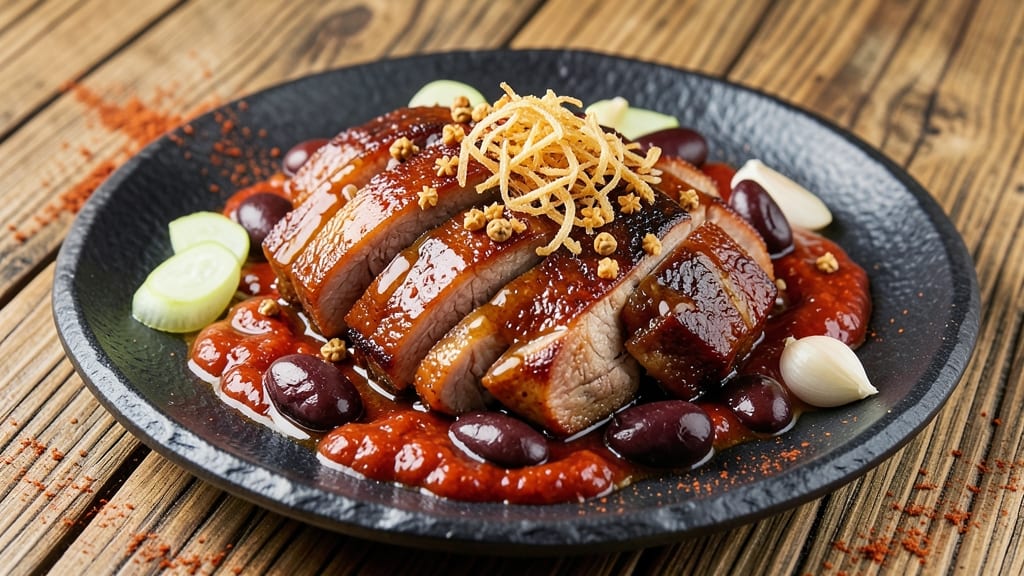
This authentic Szechuan pork recipe delivers the perfect balance of fiery heat and silky tenderness that defines Sichuan cuisine. 🔥 After years of perfecting the technique in Charleston kitchens, I’ve mastered the art of creating a crispy five-spice crust while keeping the meat impossibly tender inside—a hallmark of true Sichuan cooking.
The secret lies in the marinade: a blend of Sichuan peppercorns, chili bean paste, and fermented black beans, which infuse the pork with that signature numbing-spicy sensation. We’ll velvet the meat first to ensure it stays juicy, then sear it in a screaming-hot wok for that signature crust.
This isn’t just another spicy pork dish—it’s a taste of Chengdu street food, brought to your kitchen.
What you’ll get is restaurant-quality pork with a deep red glaze, crackling edges, and melt-in-your-mouth texture. The aroma alone—smoky, garlicky, with a hint of fermented funk—will have everyone at the table asking for seconds.
Serve it over steamed rice or with hand-pulled noodles to soak up every last drop of that complex, spicy-sweet sauce.
For those sensitive to heat, we’ll include a mild option, but trust me: the authentic version is where the magic happens. This dish isn’t just about spice—it’s about technique, tradition, and that perfect harmony of flavors that makes Sichuan cuisine unforgettable. Let’s get cooking.
Ingredients for authentic szechuan pork
Pork shoulder, Sichuan peppercorns, and fermented beans—these ingredients unlock Chengdu street food magic in your kitchen.
| Ingredient | Amount | Notes |
|---|---|---|
| Pork Shoulder 🐖 | 1 ½ lb | Boneless, cut into 1-inch cubes |
| Sichuan Peppercorns 🌶️ | 1 tbsp | Toasted and ground, key for numbing-spicy |
| Chili Bean Paste 🍆 | ½ cup | Fermented, for deep umami |
| Fermented Black Beans 🫘 | ¼ cup | Rinsed, for funky depth |
| Fresh Ginger 🧄 | 2 tbsp | Finely grated, aromatic base |
| Garlic Cloves 🧄 | 8 cloves | Minced, for punchy aroma |
| Soy Sauce 🍶 | ¼ cup | Dark soy for color |
| Shaoxing Wine 🍷 | ¼ cup | For silky texture |
| Brown Sugar 🍚 | 2 tbsp | Balances heat |
| Sesame Oil 🌰 | 1 tbsp | Toasted, for nutty aroma |
| Cornstarch 🌾 | 2 tbsp | For crispy crust |
| Vegetable Oil 🫒 | ½ cup | High smoke point for searing |
| Green Onions 🧅 | 4 whole | Sliced, for garnish |
| Dried Chili Peppers 🔥 | 2 pieces | Optional, for extra heat |
| Salt 🧂 | 1 tsp | Kosher, for seasoning |
The pork shoulder is non-negotiable—bone-in, skin-on if you can find it, but boneless works too. Asian markets like H Mart or 99 Ranch carry the best cuts, but your local butcher can trim it for you. Fermented black beans? Look for the salty, funky kind—none of that sweetened junk. The chili bean paste should smell deeply umami, not vinegary. If it’s dusty, toast the peppercorns in a dry pan first to wake up their aroma. And trust me on the dark soy sauce—it’s worth hunting down for that signature red glaze.
No Sichuan peppercorns? Substitute with a mix of black pepper and cayenne, but you’ll miss that signature numbing heat. Short on fermented beans? Double the soy sauce and add a splash of fish sauce for umami. The ginger and garlic can be pre-minced from a jar if you’re in a rush, but fresh is always better. Shaoxing wine? Dry sherry works in a pinch, but the flavor won’t be quite the same. For the mild version, skip the dried chilies and reduce the chili bean paste by half. And if your wok isn’t hot enough? Add an extra tablespoon of oil—this crust is all about temperature control.
Marinate the pork for at least 4 hours, but overnight is ideal—the longer it sits, the deeper the flavor. Store the marinade (without pork) in the fridge for up to 1 week in an airtight container. The cooked pork reheats beautifully—steam it gently for 5 minutes to keep the crust intact. Freezes for 3 months if portioned into single servings. Pro tip: Save the leftover sauce—it’s perfect for stir-fries or dumpling dipping sauce.
Why You'll Love This Recipe
- One-Pan Magic: The pork shoulder practically cooks itself while you stir-fry the aromatics—just sear, simmer, and let the Sichuan peppercorns and chili bean paste work their flavor spell. Honestly, the only chopping is the ginger, and even that’s minimal.
- Numbing Spice Bliss: That initial tingling heat from the Sichuan peppercorns fades into deep, savory richness—like a slow dance of chili and fermented black beans clinging to tender pork. Between us, it’s the kind of dish that makes you reach for seconds without thinking.
- Leftover Goldmine: This recipe actually improves the next day—drier pork soaks up all that sticky, umami-packed sauce. I’ll be real: my lunchbox gets packed with it for days, and it’s still spot-on reheated.
- Budget-Friendly Feast: Pork shoulder stretches across multiple meals, and the spices (especially fermented black beans) add restaurant-quality depth without breaking the bank. Not the prettiest, but the taste makes up for it—every time.
Step-by-step instructions for authentic Szechuan pork
Here's how to achieve that signature fiery crust and tender meat—just like Sichuan street stalls.
🍳 Step 1: Marinate the Pork for Maximum Flavor
In a large bowl, combine the 1.5 lb pork shoulder (cut into 1-inch cubes), 1 tbsp Sichuan peppercorns, 2 tbsp fresh ginger, 8 cloves garlic cloves (minced), 1 tsp salt, 0.25 cup soy sauce, and 0.25 cup Shaoxing wine. Mix thoroughly until every pork piece is coated. The Sichuan peppercorns will infuse their signature numbing-spicy flavor, while the wine and soy sauce tenderize the meat.
Let this marinate for at least 30 minutes (or up to 4 hours in the fridge). This step is crucial—it ensures the meat stays juicy while developing deep, complex flavors. I like to press the marinade into the pork pieces to guarantee even distribution. If you're short on time, even 15 minutes will help, but longer is always better.
🔥 Step 2: Create the Fiery Crust Mixture
In a separate bowl, mix together 0.5 cup chili bean paste, 0.25 cup fermented black beans (rinsed), 2 tbsp brown sugar, 2 tbsp cornstarch, and 1 tbsp sesame oil. This is your crust mixture—the secret to that crispy, spicy exterior. The fermented black beans add funk, the cornstarch creates the crispy texture, and the brown sugar balances the heat.
Add 2 pieces dried chili peppers (if using) to this mixture and mash everything together until it forms a thick, sticky paste. The texture should be like wet sand—cohesive enough to cling to the pork but not so runny it won't stick. This paste will be your armor against the heat, creating that signature Sichuan crust we all love.
🍳 Step 3: Build the Crust and Sear the Pork
Heat 0.5 cup vegetable oil in a wok or large skillet over medium-high heat until shimmering. Working in batches (don't overcrowd!), coat each marinated pork piece in the crust mixture, pressing gently so it adheres completely. You'll want a thick, even layer—this is what creates that iconic crust.
Carefully add the coated pork to the hot oil and let it sear undisturbed for 2-3 minutes until the crust turns a deep golden brown. You'll smell that unmistakable Sichuan aroma—like garlic, ginger, and a hint of smoky heat. Flip the pork and sear the other side for another 2-3 minutes. The crust should be crispy enough to crackle when you press it gently with tongs. If it's not setting properly, your oil might not be hot enough—let it heat up a bit more before continuing.
🥘 Step 4: Finish with Shaoxing Wine and Green Onions
Once all pork pieces are crispy and golden, remove them from the wok and set aside. Pour the 0.25 cup Shaoxing wine into the wok, scraping up any browned bits from the bottom with a wooden spoon. This deglazing step captures all the flavor that's stuck to the pan—don't skip it! Let the wine simmer for 1-2 minutes until it reduces by half and thickens slightly.
Return the pork to the wok and toss everything together, letting it coat in the reduced wine sauce. This step ensures every bite is packed with flavor. Finally, stir in the 4 whole green onions (sliced) and cook for another 30 seconds just to wilt them slightly. The green onions add a fresh contrast to the rich, spicy pork. Serve immediately while the crust is still crispy and the meat is tender.
Pro Tips For Making Authentic Szechuan Pork
- CRUSH THE PEPPERCORNS: Don’t just toss whole Sichuan peppercorns into the pan—lightly toast them in a dry skillet for 30 seconds until fragrant, then crush them with the flat side of a knife. This releases their citrusy, numbing oils, which are the soul of the dish. (Yes, even if you’re impatient like me, skip this and you’ll miss half the flavor.)
- SALT THE PORK TWICE: Generously salt the pork shoulder first thing when you cut it, then again after it’s marinated. The first layer seasons the meat, while the second helps the Sichuan peppercorns and chili bean paste cling better during searing. I learned this the hard way—dry, bland pork is no one’s idea of fun.
- DON’T SKIP THE DOUBLE-SEAR: After browning the pork in the first batch of oil, pull it out and let it rest while you build the sauce. Then, sear it again in the finished sauce for 2–3 minutes. This locks in moisture and gives the meat that caramelized crust you crave. Trust me, the extra 60 seconds makes a real difference.
- SOAK THE FERMENTED BEANS: Rinse the fermented black beans quickly but don’t soak them—just a 10-second splash under cold water to remove surface salt. Over-soaking turns them mushy, and you want them to hold their shape for texture. (Your future self will thank you when they’re still plump and chewy, not sad and limp.)
Flavor customization for this recipe
Mild vs. Fiery
The beauty of this recipe lies in its flexibility. For a mild version, simply reduce the chili bean paste to ¼ cup and omit the dried chili peppers. This softens the heat while keeping that signature numbing-spicy kick from the Sichuan peppercorns.
I’ve served this to guests who shy away from spice, and they’re always surprised by how much depth remains—especially when paired with steamed jasmine rice to balance the flavors. 🌶️
For the fiery version, add 1 extra tbsp of chili bean paste and include 4-5 dried chili peppers (like facing heaven chilies). Toast them briefly in a dry pan to deepen their heat before mashing into the crust mixture.
If you’re feeling adventurous, sprinkle ½ tsp of ground Sichuan peppercorns directly on top of the pork before serving—this adds an extra layer of tingling heat that’s pure Sichuan magic. Trust me, the first bite will have your guests reaching for water, but it’s worth it. 🔥
Sweet-Spicy Balance
Adjust the brown sugar to control sweetness—add 1 extra tbsp for a caramelized finish or reduce to 1 tbsp for a sharper, spicier profile. I like to taste the crust mixture before coating the pork: it should taste complex, with a mix of heat, funk, and sweetness.
If it’s too bitter, add a pinch of salt; if it’s too sweet, stir in ½ tsp of rice vinegar to brighten it up. This balance is key—too much sugar can overwhelm the umami depth from the fermented beans. 🍯
For a smoky twist, swap 1 tbsp of the sesame oil for smoked paprika (use 1 tsp) and toast the Sichuan peppercorns in a dry pan until fragrant. This adds a charred, campfire-like note that pairs beautifully with the pork’s richness.
I first tried this variation after a trip to Chengdu, where street vendors often use charred spices to enhance their dishes. It’s a small tweak, but it makes a world of difference. 🌟
Texture Variations
Want a softer crust? Replace 1 tbsp of cornstarch with 1 tbsp of potato starch—it creates a lighter, more delicate coating that’s still crispy but less dense. This works especially well if you’re serving the pork to kids or guests who prefer a milder texture.
I’ve also tested this with tapioca starch for an extra-glossy finish, but cornstarch is my go-to for that classic Sichuan crunch. 🥟
For a double-crusted effect (like street food stalls do), coat the pork in the crust mixture, sear it once, then let it cool slightly before coating it a second time. Sear again until the second crust is golden and crispy.
This takes longer but delivers next-level texture—think of it like a Sichuan-style pork croquette. It’s a showstopper, especially when served with pickled mustard greens on the side to cut through the richness. 💫
Regional Twists
In Chengdu, the dish is often served with a drizzle of chili oil on top, adding a fiery, aromatic finish.
To recreate this, heat 2 tbsp of neutral oil with 1 tbsp of dried chilies and 1 tsp of Sichuan peppercorns until fragrant, then strain and drizzle over the pork just before serving. This is a must-try if you want to stay true to the original street food experience. 🍢
For a Chongqing-inspired version, add 1 tbsp of doubanjiang (fermented chili bean paste) to the crust mixture and serve the pork with steamed buns instead of rice. Chongqing cuisine is all about bold, spicy flavors, and this twist delivers big on heat while keeping the pork’s tenderness intact.
I’ve made this version for brunch and it’s a crowd-pleaser—especially with a side of spicy cumin rice**. 🗺️
Nutrition facts
Frequently asked questions
What makes this recipe authentically Szechuan?
The magic comes from three key elements: Sichuan peppercorns for that signature numbing-spicy sensation, chili bean paste for deep umami heat, and the double-crust technique that creates that iconic crispy exterior. Most "Szechuan-style" recipes skip the peppercorns or use too little—this version delivers the full experience with proper marinating and high-heat searing.
Can I substitute pork shoulder with another cut?
Pork shoulder is ideal for its fat content, which keeps the meat juicy during cooking. For a leaner option, use pork tenderloin (cut into ½-inch pieces) and reduce cooking time to 1-2 minutes per side. Avoid fatty cuts like belly—they won't develop the same crispy crust. For extra tenderness, pound thicker cuts lightly before coating.
How do I adjust the heat level for sensitive eaters?
For a milder version, reduce the chili bean paste to ¼ cup and omit the dried chili peppers entirely. Keep the Sichuan peppercorns for that signature numbing flavor—they add heat without the burning sensation of capsaicin. The sauce will still have depth, just without the fiery kick. Serve with extra steamed rice to balance any remaining spice.
Why did my crust turn out soggy instead of crispy?
Soggy crusts usually mean one of three things: oil wasn't hot enough, pork was overcrowded in the pan, or the crust mixture wasn't sticky enough. For crispy results, use high smoke-point oil (like vegetable or peanut oil) and heat until it shimmers. Cook in single layers and don't flip too soon—wait until you see deep golden-brown color. If the crust still fails, add 1 extra tbsp cornstarch to the mixture.
How long can I store leftovers?
Store cooked pork in an airtight container in the fridge for up to 4 days. To reheat, steam gently for 5-7 minutes (microwaving makes the crust soggy). For longer storage, freeze portions for up to 3 months. Thaw overnight in the fridge before reheating. The sauce freezes well too—perfect for future stir-fries or dumpling dipping sauce!