
Main Courses
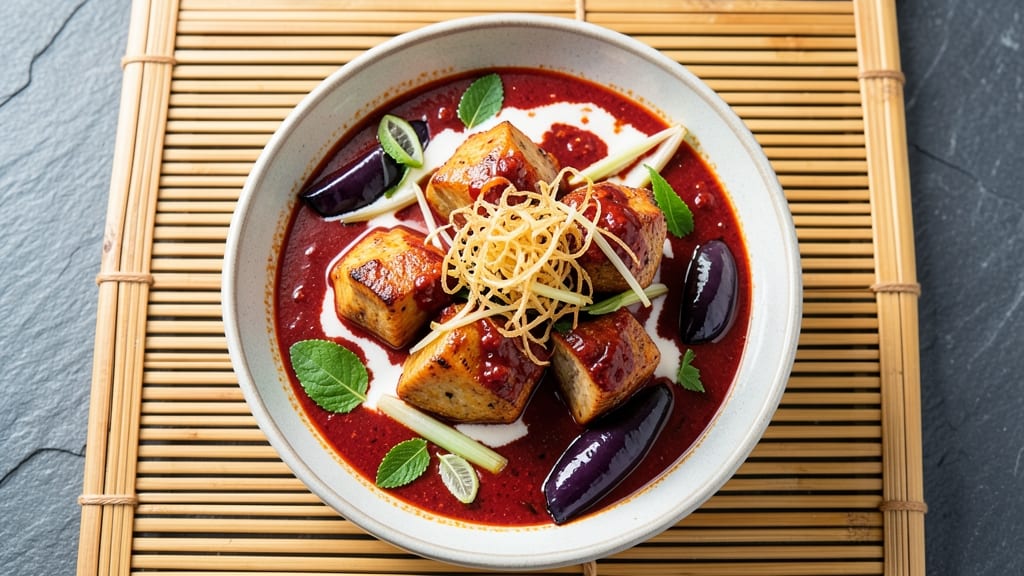
This authentic Thai red curry pork recipe brings the bold, aromatic flavors of street-side Thai kitchens straight to your stovetop.
After years of perfecting the balance between smoky, spicy, and sweet notes, I've developed a method that delivers tender, shredded pork swimming in a rich, fragrant curry sauce—just like the dish I first tasted in Bangkok.
The key lies in the curry paste, where toasted spices and fresh herbs create a complex foundation that transforms simple pork into something extraordinary.
What sets this recipe apart is the attention to authenticity without sacrificing home-cook simplicity.
You'll start with a homemade curry paste (or use high-quality store-bought paste for convenience), which we'll build layer by layer with aromatic spices, galangal, lemongrass, and kaffir lime leaves—each ingredient playing a crucial role in creating that signature Thai depth.
The pork marinates overnight in a simple but effective blend of coconut milk and spices, ensuring it stays tender while absorbing maximum flavor.
By the time you're done, you'll have perfectly shredded pork that falls apart at the touch of a fork, bathed in a vibrant red curry sauce that's rich, slightly sweet, and packed with heat.
The sauce clings to the pork beautifully, creating each bite into a perfect harmony of textures and flavors. This is the kind of dish that transforms a simple weeknight dinner into an authentic taste of Thailand—no takeout required.
Serve it with steamed jasmine rice to soak up every last drop of that fragrant sauce, and garnish with fresh cilantro and Thai basil for brightness.
For those who prefer a milder heat, I've included adjustments in the instructions, but trust me—this is the version that delivers that authentic spicy-kick you crave. Let's get cooking!
Ingredients for authentic thai red curry pork
Pantry staples meet Thai market finds for this bold, aromatic curry pork.
| Ingredient | Amount | Notes |
|---|---|---|
| Pork Shoulder 🐖 | 1 ½ lb | Cut into 1-inch cubes |
| Red Curry Paste 🌶️ | ½ cup | Homemade or high-quality store-bought |
| Coconut Milk 🥥 | 13 ½ oz | Full-fat canned preferred |
| Fresh Galangal 🌿 | 1 piece | 3-inch, peeled and sliced |
| Lemongrass 🌿 | 3 stalks | White part only, cut into 2-inch pieces |
| Kaffir Lime Leaves 🍋 | 4 leaves | Torn into quarters |
| Thai Bird's Eye Chilies 🌶️ | 2 whole | Adjust for heat preference |
| Fish Sauce 🍶 | 2 tbsp | Red Boat preferred |
| Palm Sugar 🍯 | 2 tbsp | Or substitute brown sugar |
| Jasmine Rice 🍚 | 1 ½ cups | Uncooked, for serving |
| Fresh Cilantro 🌿 | ¼ cup | Chopped, for garnish |
| Thai Basil 🌿 | ¼ cup | Chopped, optional garnish |
| Vegetable Oil 🫒 | 2 tbsp | For cooking pork |
| Salt 🧂 | 1 tsp | Kosher or sea salt |
| Black Pepper 🌶️ | ½ tsp | Freshly ground |
The pork shoulder is a game-changer here—it stays tender while absorbing all that fragrant curry flavor. Look for bone-in cuts at Asian markets if you can find them, as they add extra depth. For the curry paste, Maesri or Thai Kitchen brands are my go-to if you're not making it from scratch. Fresh galangal and lemongrass are non-negotiable for authentic flavor—most Asian grocery stores carry them, or you can find frozen galangal in some places. Kaffir lime leaves? Check the produce section near the herbs, or order online if your store doesn't carry them. The Thai chilies are the heat source—adjust the quantity based on your spice tolerance.
No galangal? Ginger at half the amount gets you close, though it's not the same. Running low on lemongrass? Substitute extra lime zest plus a splash of lime juice. Palm sugar unavailable? Brown sugar works perfectly. For the fish sauce, Red Boat is the gold standard, but any good-quality brand will do. The coconut milk should be full-fat—light versions won't give you that rich, creamy sauce. If you can't find jasmine rice, long-grain white rice is fine, though the aroma won't be quite the same. The cilantro and Thai basil are just for garnish, so use whatever fresh herbs you have on hand.
This curry tastes even better the next day—make extra if you can. Store leftovers in an airtight container in the fridge for 4-5 days, or freeze for 3 months. The sauce thickens as it cools, so add a splash of water or coconut milk when reheating. For meal prep, portion the curry into containers with rice—it reheats beautifully and makes for quick lunches all week. If you're serving a crowd, double the recipe—this curry scales perfectly.
Why You'll Love This Recipe
- One-Pot Magic: I swear by this—no chopping boards full of mess, just one pot, a few stirs, and that rich red curry smell fills my kitchen. The pork shoulder practically melts into tender perfection while the galangal and lemongrass infuse the coconut milk with layers of warmth.
- Flavor Bomb: That first spoonful of red curry paste—smoky, spicy, with a hint of sweetness—is the soul of this dish. The pork shoulder gets caramelized edges while staying juicy, and the coconut milk balances it all into something dangerously addictive.
- Weeknight to Party: Honestly, I make this for lazy Tuesdays and when friends drop by—just add rice and a quick cucumber salad. The leftovers? Even better the next day, especially reheated with a splash of water to loosen it up.
- Budget Stretch: Pork shoulder is my go-to for affordable protein, and red curry paste lasts forever in the freezer. A single batch feeds four, and the flavors only deepen as it sits—meaning less takeout and more flavor for my wallet.
Step-by-step instructions for authentic Thai red curry pork
Let's build this vibrant curry from scratch—where every aromatic layer comes together in one pot.
Sear the Pork Shoulder for Deep Flavor
Heat the 2 tablespoons vegetable oil in a large, heavy pot over medium-high heat. Add the 1.5 lb pork shoulder cut into 1-inch cubes, arranging them in a single layer. Let them sear undisturbed for 3-4 minutes until they develop a rich golden crust on all sides.
Here's the thing—this initial sear locks in juices and builds the foundation for that authentic umami depth. I like to work in batches if needed, but don't overcrowd the pot or the pork will steam instead of brown. Once all pieces are golden, remove them and set aside on a plate.
Build the Curry Base with Aromatics
In the same pot, reduce heat to medium and add the 0.5 cup red curry paste, stirring constantly for 1-2 minutes until it darkens slightly and releases its fragrant oils. This is where the magic happens—those toasted spices will form the flavor backbone of your curry.
Add the 1 piece fresh galangal (sliced), 3 stalks lemongrass (white parts only), 4 leaves kaffir lime leaves (torn), and 2 whole Thai bird's eye chilies (whole for easier removal). Cook for 30 seconds until the galangal softens slightly and the lemongrass releases its citrusy aroma. Be careful not to burn the chilies—they pack serious heat.
Simmer the Curry with Coconut Milk
Pour in the 13.5 oz coconut milk and stir to combine with the paste and aromatics. Return the seared pork to the pot, along with 2 tablespoons fish sauce and 2 tablespoons palm sugar. Bring to a gentle simmer over medium-low heat, then reduce to low heat and cover partially.
Let it cook for 45-50 minutes, stirring occasionally, until the pork is fork-tender and easily shreds with two forks. The curry should have thickened slightly, with a rich, velvety texture. If it's too thin, uncover and simmer longer—just don't let it boil vigorously or the coconut milk will separate. I check for doneness by piercing a pork piece with a fork—it should shred easily with no resistance.
Finish and Garnish for Authentic Presentation
Once the pork is tender, discard the lemongrass stalks, galangal slices, and kaffir lime leaves (they've done their job). Taste and adjust seasoning—add more salt if needed, or a touch more palm sugar for balance. The curry should be vibrant red, aromatic, and packed with layers of spicy, sweet, and savory flavors.
Divide the 1.5 cups jasmine rice among serving bowls, then ladle the curry generously over the rice. Garnish with 0.25 cup fresh cilantro and 0.25 cup Thai basil just before serving. The fresh herbs add a bright contrast to the rich, spicy curry. Serve immediately while the pork is still tender and the aromas are at their peak!
Pro Tips For Making Authentic Thai Red Curry Pork
- Bloom the Paste First: I learned this the hard way—skipping this step makes your curry taste like it’s wearing a heavy coat. Fry the red curry paste in oil for 2-3 minutes until it’s fragrant and slightly darkened. This releases the flavors and prevents a raw, bitter aftertaste when you add the coconut milk.
- Slice Pork Thin After Cooking: Cutting pork shoulder thin before cooking turns it into tough, chewy shreds. Cook it whole or in large chunks, then slice against the grain after it’s tender. The fibers will separate cleanly, and you’ll get that perfect, melt-in-your-mouth texture.
- Strain the Coconut Milk: Sounds weird, but it works—straining full-fat coconut milk through a fine-mesh sieve removes the gritty bits that make your curry taste like you’re chewing sand. Use a nut milk bag or cheesecloth for the smoothest result, especially if you’re using canned milk.
- Simmer Low and Slow: After adding coconut milk, resist the urge to crank the heat. A gentle simmer (small bubbles, occasional swirls) for 45-60 minutes lets the flavors meld without curdling. High heat now = broken curry later. (Yes, even if you’re impatient like me.)
Wine and beer pairings for this authentic thai red curry pork
Thai White Wine Pairings
A crisp Thai white wine like Riesling from Thailand or a Sauvignon Blanc from New Zealand cuts through the curry's richness while complementing its aromatic spices. I love a Thai Riesling from Chateau Thai Winery—its citrus and floral notes mirror the lemongrass and kaffir lime in the curry.
The slight sweetness balances the heat, making each bite more harmonious. 🍷
Light-Bodied Red Wines
For those who prefer red, a Pinot Noir with bright acidity works beautifully. Look for a Thai Pinot Noir from Chateau Thai—it’s light enough to avoid overpowering the dish while adding subtle earthiness that pairs with the pork’s umami.
A French Beaujolais also brings fruity notes that harmonize with the palm sugar’s sweetness.
Beer Pairings for Bold Flavors
A Thai lager like Singha or Chang is a classic choice—its clean, crisp profile refreshes your palate between spicy bites. For craft beer lovers, a hoppy IPA with citrus notes (like Thai Pale Ale) can stand up to the curry’s complexity.
Just avoid heavy stouts—they’ll clash with the dish’s brightness. 🍺
Non-Alcoholic Options
For a refreshing non-alcoholic match, try Thai iced tea—sweet, creamy, and slightly spiced, it mirrors the curry’s depth. Or sip on sparkling limeade with a hint of chili powder to echo the dish’s heat. Both options cleanse your palate without overpowering the flavors.
Pro Tip for Pairing
Serve wine or beer slightly chilled—around 50-55°F for whites and 55-60°F for reds—to enhance their brightness against the curry’s warmth. I always pour a small glass first to taste the harmony before diving in. Trust me, the right pairing elevates the dish to restaurant-level perfection. ✨
Nutrition facts
Frequently asked questions
Why does authentic Thai red curry need galangal and kaffir lime leaves?
These ingredients are flavor powerhouses! Galangal adds a citrusy, peppery depth that's impossible to replicate with ginger, while kaffir lime leaves bring a floral, almost herbal aroma that brightens the dish. Together, they create the signature complexity that separates authentic Thai curry from other spicy coconut dishes. Skip them, and you'll miss that authentic "wow" factor.
Can I make this curry less spicy?
Remove the seeds from the Thai chilies before adding them to the pot, or reduce the quantity to just 1 chili instead of 2. For extra mildness, strain out the chilies completely after cooking. The curry paste already contains some heat, so adjust gradually—you can always add more sugar or coconut milk to balance the flavors.
What's the best way to store leftovers?
Store in an airtight container in the fridge for 4-5 days, or freeze for 3 months. The sauce will thicken as it cools, so add a splash of water or coconut milk when reheating. For meal prep, portion with rice—it reheats beautifully and makes quick lunches all week. Pro tip: The flavors actually deepen overnight!
Can I substitute chicken or tofu for the pork?
Yes, but with adjustments! For chicken, use 1.5 lbs boneless thighs (they stay juicier) and reduce cooking time to 25-30 minutes. For tofu, press extra-firm tofu for 30 minutes, cube it, and pan-fry until golden before adding to the curry. The cooking time remains similar, but tofu absorbs flavors differently—consider marinating it for 15 minutes first.
How do I know when the pork is perfectly tender?
Use the fork test: Pierce a pork piece—it should shred easily with two forks and have no resistance. The internal temperature should reach 195°F (well-done for shredding). If it's not quite there, cover and cook 10 more minutes. Overcooking can make it dry, so aim for tender but not falling-apart texture.