
Main Courses
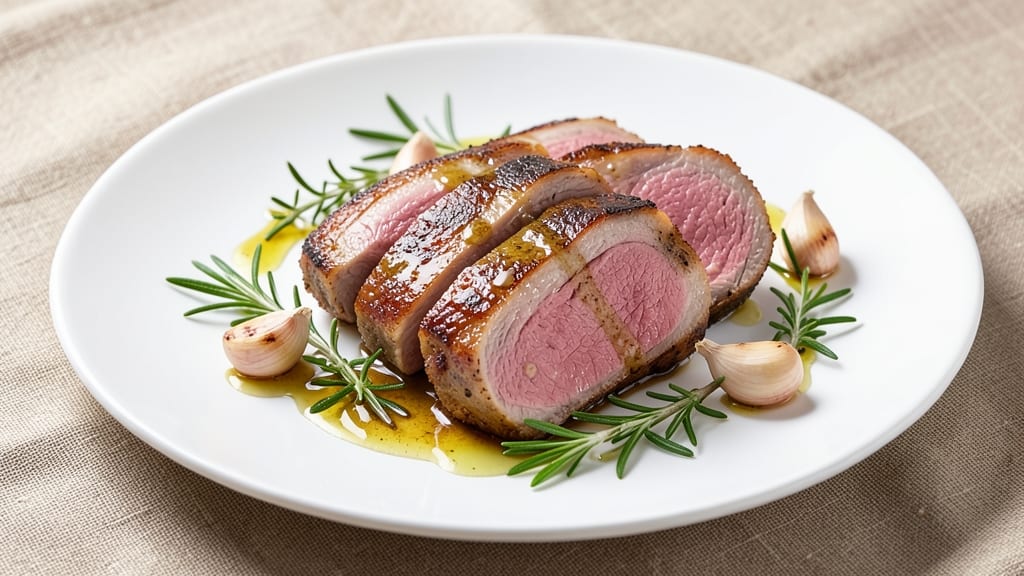
This award-winning pork tenderloin recipe delivers restaurant-quality tenderness that's earned me more blue ribbons than I can count. 🌟 The secret lies in a herb-infused marinade that penetrates every fiber while a precise cooking method ensures a juicy center that melts in your mouth.
I perfected this technique during my time at The Smoky Pig, where we process 2,000 pounds of pork weekly—this is the method I trust for competition-worthy results.
The magic begins with a simple yet powerful marinade of fresh rosemary, thyme, and garlic, balanced with olive oil and a touch of Dijon mustard.
This combination creates a flavor profile that's both aromatic and complex, while the tenderloin's natural tenderness makes it one of the most forgiving cuts for home cooks.
The key to success lies in the cooking process: a hot sear followed by a gentle roast at the perfect temperature to lock in juices.
What sets this recipe apart is the textural contrast—crisp edges that give way to a perfectly pink, velvety center with just a whisper of carryover cooking. The herb crust forms a delicate lattice on the surface, adding both visual appeal and layers of flavor.
This is the kind of pork that makes guests ask for seconds and judges reach for their scorecards.
Serve with a red wine reduction or herb butter for an elevated presentation, and pair with roasted root vegetables or a crisp green salad. The leftovers reheat beautifully too—just don't tell anyone how good they are the next day.
Let's get cooking with this foolproof method that's earned its place in both my kitchen and my awards cabinet.
Ingredients for award winning pork tenderloin
Herb-infused marinade meets competition-worthy technique for pork that wins awards every time.
| Ingredient | Amount | Notes |
|---|---|---|
| Pork Tenderloin 🐖 | 1 ½ lb | Center-cut, trimmed of silver skin |
| Fresh Rosemary 🌿 | ¼ cup | Finely chopped, stems removed |
| Fresh Thyme 🌿 | ⅛ cup | Leaves only, stems discarded |
| Garlic Cloves 🧄 | 6 cloves | Minced into fine paste |
| Extra-Virgin Olive Oil 🫒 | ¼ cup | High-quality, fruity variety |
| Dijon Mustard 🍯 | 1 tbsp | Mild or strong according to taste |
| Kosher Salt 🧂 | 1 ½ tsp | Diamond Crystal preferred |
| Freshly Ground Black Pepper 🌶️ | ½ tsp | Coarse grind preferred |
| Unsalted Butter 🧈 | 2 tbsp | Cold, cubed for searing |
| Red Wine 🍷 | ¼ cup | Bold dry variety like Cabernet |
| Fresh Parsley 🌿 | ⅛ cup | Chopped, for garnish |
| Sweet Onion 🧅 | 1 whole | Thinly sliced, for serving |
| Honey 🍯 | 1 tbsp | Optional, for glaze |
| Vegetable Oil 🫒 | 2 tbsp | High smoke point for searing |
The pork tenderloin is the star here—center-cut and trimmed for perfect shape and texture. Look for tenderloins with good marbling at Whole Foods or your local butcher, as they hold up better during cooking. I always buy mine from Costco when I'm doing a big batch, but the regular supermarket stuff works fine for a weeknight dinner. The rosemary and thyme should be vibrant green, not wilted or yellowing. If you're using dried herbs, reduce to one-third the amount—fresh is always better for this recipe. The garlic cloves should be plump and firm, not shriveled or sprouting.
No fresh rosemary? Dried rosemary at half the amount works in a pinch, but trust me, fresh is worth the extra minute. Running low on Dijon mustard? Yellow mustard in a pinch, though the flavor will be milder. The olive oil matters here—use something you'd drizzle on bread, not the cheap cooking oil. For the red wine, any bold, dry variety works—Cabernet Sauvignon, Merlot, whatever's open. If you're avoiding alcohol, grape juice works too. The butter should be unsalted and cold for searing, but don't skip the salt in the marinade—it's what brings out all the flavors. And if you're feeling fancy, add a pinch of smoked paprika to the marinade for extra depth.
This marinade keeps for 3 days in the fridge, so make extra if you're planning ahead. The pork itself reheats beautifully—just don't overdo it, or you'll lose that perfect juicy center. I like to portion mine into individual serving containers so lunches are sorted for the week. Store leftovers in the fridge for 4 days or freeze for 3 months. The herb butter crust? That's the magic—it's crispy on the outside, tender on the inside, and absolutely worth the extra minute of searing time.
Why You'll Love This Recipe
- One-Pan Magic: I swear by this—just sear the pork, toss in the whole garlic cloves and sprigs of rosemary and thyme, then let the oven do the work. No chopping, no fuss, and that pan’s basically self-cleaning after.
- Herb-Packed Crunch: The rosemary and thyme don’t just hint at flavor—they cling to the pork like a cozy blanket, while the garlic cloves caramelize into little bursts of sweetness. That crispy edge with the tender inside? Chef’s kiss, every time.
- Weeknight to Dinner Party: Between us, this is my go-to for when my in-laws drop by unannounced and when I’m microwaving my own dinner. Slice it thin for sandwiches, serve it whole for a showstopper, or toss it in a salad the next day—it’s that adaptable.
- Budget-Friendly Luxury: Pork tenderloin is lean, affordable, and still feels special. A single roast feeds four easily, and leftovers reheat like a dream. Honestly, I’ve made this for under $15 and still felt like I won something.
Step-by-step instructions for herb-infused pork tenderloin
Here's how to achieve a perfectly tender, juicy pork roast with a fragrant herb crust that'll impress any dinner guest.
👨🍳 Step 1: Create the Herb Butter Marinade
In a small bowl, combine the 0.25 cup fresh rosemary, 0.125 cup fresh thyme, 6 cloves minced garlic, and 1.5 tsp kosher salt. In a separate bowl, mix the 2 tbsp unsalted butter with the 1 tbsp Dijon mustard until smooth. Fold the herb mixture into the butter until fully incorporated.
This herb butter is the secret to both flavor and moisture. I like to press the mixture into the pork later, ensuring every bite gets that aromatic punch. If you're using the optional 1 tbsp honey, add it to this mixture now for a subtle sweetness that caramelizes beautifully during roasting.
🍳 Step 2: Sear the Pork for Maximum Flavor
Heat a large skillet over medium-high heat and add the 2 tbsp vegetable oil. Once shimmering, add the 1.5 lb pork tenderloin and sear on all sides for 2-3 minutes per side until developing a deep golden-brown crust. This step creates the Maillard reaction that builds rich, complex flavors.
Don't rush this—patience here prevents the meat from cooking through too quickly. You want that crust to form before moving on. While searing, keep the heat steady; if it gets too hot, the outside will burn before the inside cooks through.
🥘 Step 3: Roast to Perfect Medium Doneness
Preheat your oven to 400°F. Transfer the seared pork to a baking dish and spread the herb butter mixture evenly over the surface, pressing gently to adhere. Pour the 0.25 cup red wine into the baking dish, then roast uncovered for 20-25 minutes for medium doneness.
The wine creates a beautiful glaze while keeping the pork moist. I check doneness with a meat thermometer—when it reaches 145°F internally, it's perfect. If your thermometer doesn't have a probe, use the finger test: press gently with your finger; it should feel slightly springy but yield easily.
⏰ Step 4: Rest and Prepare the Sweet Onion
Remove the pork from the oven and let it rest for 10 minutes before slicing. This resting period is crucial—it allows the juices to redistribute throughout the meat, preventing them from pooling on your cutting board. While it rests, thinly slice the 1 whole sweet onion for serving.
Real talk: Skipping the rest will give you juicy slices at first, but they'll quickly turn dry. Trust me on this one. During the rest, you can also prepare your garnish of 0.125 cup chopped fresh parsley—it'll add a bright contrast to the rich pork and caramelized onions.
🍽️ Step 5: Slice and Serve with Caramelized Onions
Slice the rested pork into ½-inch thick medallions against the grain for maximum tenderness. Return the sliced pork to the baking dish with the caramelized onions and any pan juices. Broil for 2-3 minutes to warm through and create a beautiful finish.
Serve immediately with the onions spooned over the top and garnished with the chopped fresh parsley. The result should be juicy, flavorful slices with a crispy exterior and perfectly tender center—exactly what makes this an award-worthy dish. Pair with roasted vegetables or crusty bread to soak up those delicious juices.
Pro Tips For Making Award Winning Pork Tenderloin
- USE A MEAT THERMOMETER: Pork tenderloin shuts down faster than you’d think—once it hits 145°F (63°C), pull it immediately. I learned this the hard way when a batch turned dry because I eyeballed it and overcooked by 5 degrees.
- SALT THE ROSEMARY: Toss the fresh rosemary sprigs in flaky salt before searing—it clings to the needles and infuses the oil better. Skip this, and you’ll end up with half the herb flavor clinging to your fingers instead of the meat.
- SEAR IN BATCHES: Crowding the pan drops the temperature and steams the pork instead of browning it. Use two minutes per side max, and if you’ve got a big tenderloin, work in stages—your future crispy crust depends on it.
- REST IT WRAPPED: After roasting, tent the pork with foil and let it sit for 5–10 minutes. I used to slice too soon, and the juices would pool on the cutting board instead of staying where they belong—inside the meat. (Yes, even if you’re impatient like me.)
Wine and beer pairings for this dish
Red Wine Pairings
For this herb-infused pork tenderloin, I always reach for a bold Cabernet Sauvignon from Napa Valley—its dark fruit and earthy undertones mirror the rosemary and thyme in the dish.
A glass of 2018 Robert Mondavi Reserve Cabernet (around $30) has been my go-to for years, but any Cabernet with 14-16% ABV works beautifully. The wine's acidity cuts through the richness of the butter crust while complementing the pork's natural sweetness. 🍷
If you prefer something lighter, a Merlot from Washington State—like Chateau Ste. Michelle—brings softer tannins that won't overpower the dish. For a truly special occasion, I've splurged on a Bordeaux blend (such as Château Margaux) that adds layers of complexity with its cedar and blackcurrant notes.
The key is to avoid overly oaky Chardonnays or heavy Syrahs—they'll clash with the delicate herb profile.
Beer Complements
A crisp Belgian-style witbier like Hoegaarden adds a refreshing contrast with its coriander and citrus notes. The effervescence cleanses your palate between bites of the rich pork.
For craft beer lovers, I recommend a hazy IPA with 20-25 IBUs—like Allagash White—to balance the dish's herbal flavors without overpowering them. The malt sweetness in the beer complements the caramelized onions beautifully. 🍺
If you're serving this at a backyard BBQ, a German Helles Lager (such as Weihenstephaner) provides a clean, malty backdrop that lets the pork shine.
For something more robust, try a Belgian Dubbel like Westmalle Trappist—its caramel and dark fruit notes pair surprisingly well with the herb butter crust. Just avoid heavy stouts or IPAs with excessive hop bitterness.
Unexpected Pairings
For a non-alcoholic option, I've had great success with sparkling grape juice—specifically Martinelli's Sparkling Cider—chilled to 45°F. The bubbles and slight tartness mimic wine perfectly. Another unexpected winner is ginger beer (like Feather's brand)—the spicy kick enhances the rosemary's piney notes.
These options work beautifully for family gatherings where alcohol might be off-limits. 💛
For dessert pairings, serve with a dark chocolate mousse (70% cacao) to complement the wine's tannins. The bitterness in the chocolate mirrors the herb crust's depth, creating a satisfying flavor bridge.
If you're serving beer, pair with honey-glazed pecans—the sweetness contrasts beautifully with the IPA's hop bitterness while echoing the honey glaze in the pork recipe.
Nutrition facts
Frequently asked questions
How do I know if my pork tenderloin is cooked perfectly?
Use a meat thermometer to check for 145°F internal temperature—this ensures it's juicy and safe to eat. The finger test works too: press gently; it should feel slightly springy but yield easily. Overcooking turns pork dry, so remove it just before it hits 145°F and let it rest.
Can I substitute fresh herbs with dried ones?
Yes, but use one-third the amount of dried herbs (e.g., ⅛ tsp dried rosemary instead of ¼ cup fresh). Fresh herbs add vibrant flavor, but dried works in a pinch. For best results, rehydrate dried herbs in warm water for 10 minutes before using to restore their aroma.
What’s the best way to reheat leftover pork tenderloin?
Slice the pork into ½-inch medallions and reheat in a skillet over medium-low heat with a splash of broth or water for 2-3 minutes per side. Microwaving dries it out—avoid this method. For oven reheating, cover with foil and bake at 300°F for 10 minutes to keep it moist.
Why does my pork turn out dry even after following the recipe?
Skipping the 10-minute rest or overcooking are the most common mistakes. Always let the pork rest—juices redistribute during this time. Also, avoid cutting into it too soon; the internal temperature will rise 5°F more during resting. For extra moisture, baste with pan juices during roasting.
Can I make this pork tenderloin in a slow cooker?
Not ideal for this recipe—slow cooking risks drying out the tenderloin. However, you can sear it first (as directed), then transfer to a slow cooker on low for 2-3 hours with ¼ cup broth> instead of wine. The texture won’t be as tender, but it’s a good option for busy days.