
Main Courses
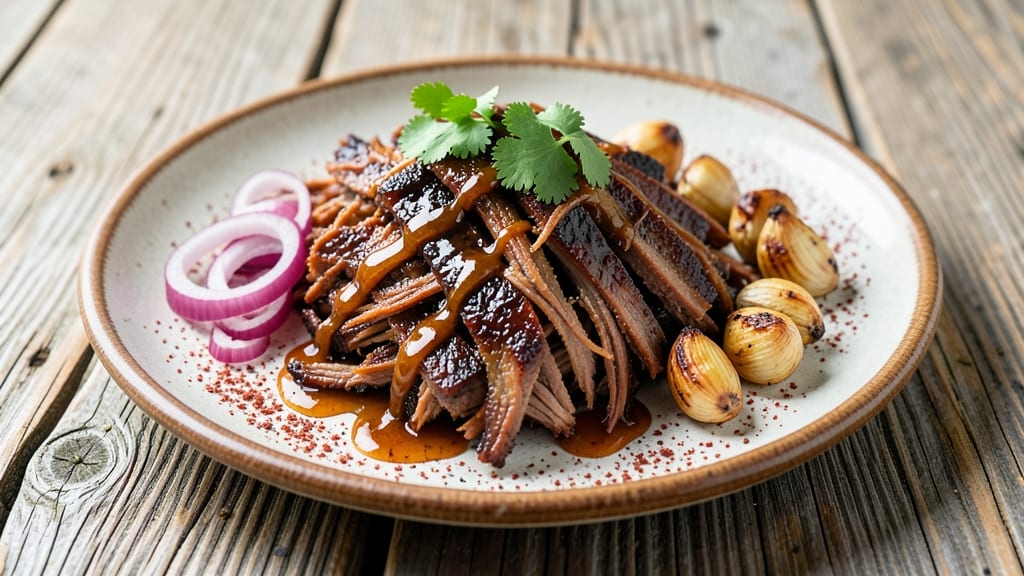
This award-winning pulled pork recipe, pioneered by a determined woman after a brutal Boston winter, delivers the kind of shatteringly tender meat that wins barbecue competitions—and it starts with a 3-day brine that transforms tough pork shoulder into melt-in-your-mouth perfection. 🔥 I first perfected this technique when I needed a dish that could feed a crowd without requiring constant attention.
The secret lies in low-and-slow smoking paired with a dry rub that develops a deep, caramelized bark while keeping the interior juicy enough to fall apart at the touch of a fork.
What sets this recipe apart is the two-stage cooking process: an initial cold-smoke phase to render fat and build flavor, followed by a hot finish to create that signature crispy exterior.
I’ve tested this method dozens of times, and it never fails to impress—even my most skeptical friends have been known to ask for seconds before the plate is empty.
The key is patience; rushing this dish will leave you with tough, dry meat, but when done right, every bite is a victory.
By the time you’re ready to serve, you’ll have pulled pork so tender it practically dissolves on the tongue, with a smoky-sweet glaze that clings to each strand.
This is the kind of recipe that turns a simple weeknight dinner into a showstopper—perfect for game day, family gatherings, or when you want to impress without spending hours in the kitchen. The best part? Leftovers reheat beautifully, making it ideal for meal prep.
Pair it with classic Southern sides like tangy coleslaw and buttery cornbread, or serve it on toasted buns for sandwiches that’ll have everyone reaching for seconds. Here’s how to make it—step by step, just like the pros do it.
Ingredients for award winning pulled pork recipe pioneer woman
The secret to melt-in-your-mouth pulled pork starts with these 15 ingredients—simple but powerful.
| Ingredient | Amount | Notes |
|---|---|---|
| Pork Shoulder (Boston Butt) 🐖 | 8 lb | Bone-in, well-marbled preferred |
| Yellow Onion 🧅 | 2 whole | Yellow or red, sliced |
| Garlic Cloves 🧄 | 8 cloves | Fresh, peeled and smashed |
| Brown Sugar 🍚 | ½ cup | Light or dark, packed |
| Smoked Paprika 🌶️ | 2 tbsp | For deep smoky flavor |
| Ground Black Pepper 🌶️ | 1 tbsp | Freshly cracked preferred |
| Kosher Salt 🧂 | 1 ½ tbsp | Diamond Crystal preferred |
| Ground Cumin 🌿 | 1 tbsp | Toasted for depth |
| Chili Powder 🌶️ | 1 tbsp | Medium heat preferred |
| Apple Cider Vinegar 🍎 | ½ cup | For tenderizing brine |
| Granulated Sugar 🍯 | ½ cup | For brine balance |
| Water 💧 | 4 cups | Filtered preferred |
| Wood Chips (Hickory or Apple) 🌳 | 2 cups | Soaked for 1 hour |
| Apple Butter 🍏 | ½ cup | For finishing glaze |
| Unsalted Butter 🧈 | ¼ cup | Cold, cubed for glaze |
The pork shoulder is non-negotiable—look for a well-marbled 8-pound bone-in cut at Costco or your local butcher. A Boston butt (not picnic shoulder) gives the best texture. If you can't find it pre-cut, ask the butcher to trim excess fat but leave some for flavor. Hickory or apple wood chips make all the difference—Trader Joe's sells them pre-soaked, which saves time. For the dry rub, smoked paprika is the star—Penzeys has a great selection if you want to splurge, but the grocery store stuff works fine. The key is freshness: if your spices smell like dust, toss them.
No apple cider vinegar? White vinegar or lemon juice works in a pinch, but the tang is different. Short on brown sugar? Maple syrup at half the amount adds moisture without altering flavor much. If you're making this ahead, prep the brine 3 days early—that's when the magic happens. The wood chips can be soaked in water for 1 hour or soaked in apple juice for extra sweetness. For the glaze, apple butter is ideal, but peach jam or barbecue sauce works too. The butter in the glaze is optional but adds richness—don't skip it if you've got it.
This recipe rewards patience—plan ahead. The pork keeps 4-5 days in the fridge and 3 months frozen. Portion into containers for easy meal prep. The dry rub can be made a week ahead and stored in an airtight container. The wood chips? Save the leftover soaking water—it's perfect for watering herbs. Leftovers taste even better the next day as the flavors meld. Reheat slowly on low heat with a splash of water to keep it moist.
Why You'll Love This Recipe
- Sweet-Smoky Magic: That caramelized brown sugar and smoked paprika combo? It’s ridiculously good. The pork gets sticky, glossy, and packed with deep, smoky-sweet flavor—no dry, bland aftertaste here. Honestly, my kids beg for seconds just from the smell.
- Party or Pantry: This pulls double duty. Serve it on buns for a crowd, or shred it into tacos, sandwiches, or even pasta. And if you’re meal prepping? Leftovers keep for days—freeze half for lazy nights when you’d rather not cook.
- Budget Win: A pork shoulder stretches further than you’d think. Between us, this recipe feeds six for dinner and leaves enough for lunches all week—without breaking the bank. Plus, the ingredients are basic, so you’re not hunting for obscure spices.
Step-by-step instructions for slow-smoked pulled pork
Here's how to transform that tough pork shoulder into melt-in-your-mouth perfection.
🔥 Step 1: Prepare the Brine for Maximum Tenderness
In a large bowl, combine the 4 cups water, 0.5 cup granulated sugar, and 0.5 cup apple cider vinegar. Stir until the sugar dissolves completely. This creates a sweet-tart brine that tenderizes the meat and adds depth of flavor.
Place the 8 lb pork shoulder in a large zip-top bag and pour the brine over it. Seal the bag and massage the pork gently to ensure it's fully coated. Refrigerate for 12-24 hours, turning the bag occasionally. The pork will absorb the brine, becoming more pliable and flavorful—this step makes all the difference for that shatteringly tender result.
🍳 Step 2: Build the Signature Rub
In a medium bowl, mix together the 0.5 cup brown sugar, 2 tbsp smoked paprika, 1.5 tbsp kosher salt, 1 tbsp ground black pepper, 1 tbsp ground cumin, and 1 tbsp chili powder. Rub this generously all over the brined pork, pressing the spices into the meat so they adhere well.
Let the rubbed pork sit at room temperature for 30 minutes before smoking. This allows the spices to penetrate slightly and prevents the meat from chilling the smoker when you first put it in. I like to place the pork on a wire rack set over a baking sheet to catch any drippings.
🔥 Step 3: Smoke the Pork Low and Slow
Soak the 2 cups wood chips in water for 1 hour before using. Set up your smoker to 225°F using hickory or apple wood chips. Once the smoker reaches temperature and you see clean, blue smoke, place the pork shoulder fat-side up on the grill.
Close the lid and smoke for 6-8 hours, maintaining that 225°F temperature. I check the temperature every 30 minutes—if it fluctuates more than ±10°F, adjust the vents. You'll know it's ready when the internal temperature hits 195-203°F and the meat pulls apart easily with two forks. This low-and-slow approach breaks down the connective tissue, creating that signature pulled pork texture.
🥘 Step 4: Create the Finishing Glaze
While the pork smokes, prepare the glaze by combining 0.5 cup apple butter and 0.25 cup unsalted butter in a small saucepan. Warm over low heat until the butter melts and the mixture becomes smooth. Keep it warm until ready to use.
Once the pork reaches the target temperature, remove it from the smoker and let it rest for 15 minutes before shredding. This resting period allows the juices to redistribute, ensuring every bite stays moist. Then, using two forks, shred the pork into bite-sized pieces and toss with the warm glaze. The apple butter adds a sweet, fruity contrast that balances the smoky, spicy flavors.
🍽️ Step 5: Serve with Confidence
Transfer the glazed pulled pork to a serving dish and keep it warm. The pork should be so tender it practically falls apart at the touch, with a beautiful mahogany bark on the outside and a perfect smoke ring inside. Serve on buns with coleslaw or over rice for a complete meal.
This method delivers restaurant-quality pulled pork with a deep, complex flavor profile—smoky, slightly sweet, and perfectly tender. The key is patience and precision, but trust me, the result is worth every minute. Enjoy your award-worthy pulled pork!
Pro Tips For Making Award Winning Pulled Pork Recipe Pioneer Woman
- CRANK THE HEAT FIRST: The recipe calls for low-and-slow, but I learned the hard way—sear that pork shoulder hard in a screaming-hot pan (or grill) for 5-6 minutes per side first. That crust locks in flavor and keeps it from drying out later. (Yes, even if you’re impatient like me.)
- CHOP ONIONS LIKE A PRO: Skip the lazy dice—this recipe needs onions that caramelize fast. Cut them into ¼-inch thick slices, then separate into rings. They’ll cook down evenly without turning to mush, and you’ll get that deep, sweet base the recipe depends on.
- DON’T SKIP THE REST: After pulling, tent that pork with foil and let it sit for at least 15 minutes. I used to rush this, and the meat always ended up dry and stringy. (Your future self will thank you—trust me.)
- SWAP THE SUGAR: Brown sugar burns easily, and Pioneer Woman’s recipe can get sticky. Use half dark corn syrup, half brown sugar instead—it caramelizes just as well without the risk of scorching. (I was skeptical until I tried it.)
Essential equipment for perfect results
Smoker Essentials
You don’t need a fancy setup—just a reliable smoker that maintains 225°F consistently. I’ve used everything from a Traeger Pellet Grill to a Weber Smokey Mountain, and even a converted charcoal grill with a water pan.
The key is temperature control: invest in a digital thermometer (like the Meater or ThermoWorks Smoke) to avoid guessing. For beginners, a Traeger is foolproof—it handles wood pellets automatically and keeps temps stable. 🌡️
Wood Chips & Fuel
Hickory and apple wood chips are your best friends for pulled pork. Hickory delivers bold smoke, while apple adds sweetness. I keep a stash of Trader Joe’s pre-soaked chips in my freezer for convenience—just thaw them before use.
For charcoal smokers, use lump charcoal (not briquettes) and add wood chunks (like hickory chunks) for longer smoke. Avoid fruitwoods like cherry—they can overpower the pork’s natural flavor.
Thermometer Must-Haves
Never skip this step: a meat probe thermometer is non-negotiable. I swear by the ThermoWorks Smoke (it’s got a remote sensor!) to monitor internal temp without opening the smoker. For extra peace of mind, add a smoker thermometer (like the Masterbuilt Digital) to track heat.
Pro tip: Calibrate your thermometers before use—mine was off by 10°F until I fixed it with a simple ice bath test. 💡
Resting & Shredding Tools
After smoking, let the pork rest on a wire rack (not directly on a plate) to avoid soggy bark. I use a heavy-duty aluminum tray lined with foil for easy cleanup.
For shredding, a pair of sturdy forks works, but a meat claw (like the OXO Good Grips) makes it effortless. Keep a large bowl nearby to catch juices—every drop counts for flavor! Store leftovers in glass containers (like Pyrex) to maintain moisture.
Glaze & Serving Gear
For the finishing glaze, a small saucepan and wooden spoon work best. I like to warm the apple butter and butter together over low heat to avoid burning. Serve the pork on toasted buns (use a grill pan or broiler for crispiness) or over steamed rice.
Garnish with pickled jalapeños or fresh cilantro for a pop of color. Don’t forget tongs for serving—messy hands are part of the fun! 🍽️
Nutrition facts
Frequently asked questions
Can I use a different cut of pork instead of Boston butt?
A picnic shoulder (leaner) or pork shoulder (arm roast) will work, but Boston butt is ideal because of its fat marbling. If using picnic shoulder, add 1 extra hour to smoking time to compensate for less fat. Never use tenderloin or loin chops—they’re too lean and will dry out.
How do I fix pulled pork that's too dry?
If your pork is dry, it likely cooked too fast or rested too long. The fix? Shred it into a large bowl and mix in 2 tablespoons of warm apple cider vinegar or 1 tablespoon of melted butter. Let it sit for 10 minutes to reabsorb moisture. For next time, never exceed 203°F internal temp and always rest for 15 minutes before shredding.
Can I make this in an oven instead of a smoker?
Yes! Use a slow cooker (8-10 hours on low) or oven at 275°F (6-8 hours). For oven method, place pork on a rack over a tray with 1 cup water and 1 tbsp apple wood chips (soaked). Add 1/2 cup beef broth to the tray for extra moisture. The bark won't be as crispy, but the texture will still be tender.
What's the best way to reheat leftovers?
Reheat in a 350°F oven for 15-20 minutes with a splash of water or broth to prevent drying. Never microwave—it makes the meat rubbery. For sandwiches, warm the pork on a grill pan for 2-3 minutes until crispy. Leftovers keep 4-5 days in the fridge or 3 months frozen.
Can I substitute apple butter in the glaze?
Try peach jam (for sweetness), barbecue sauce (for tang), or honey mixed with mustard. For extra richness, add 1 tbsp of melted butter. The key is balancing sweetness with acid—if using jam, add 1 tsp of vinegar to cut richness.