
Side Dishes
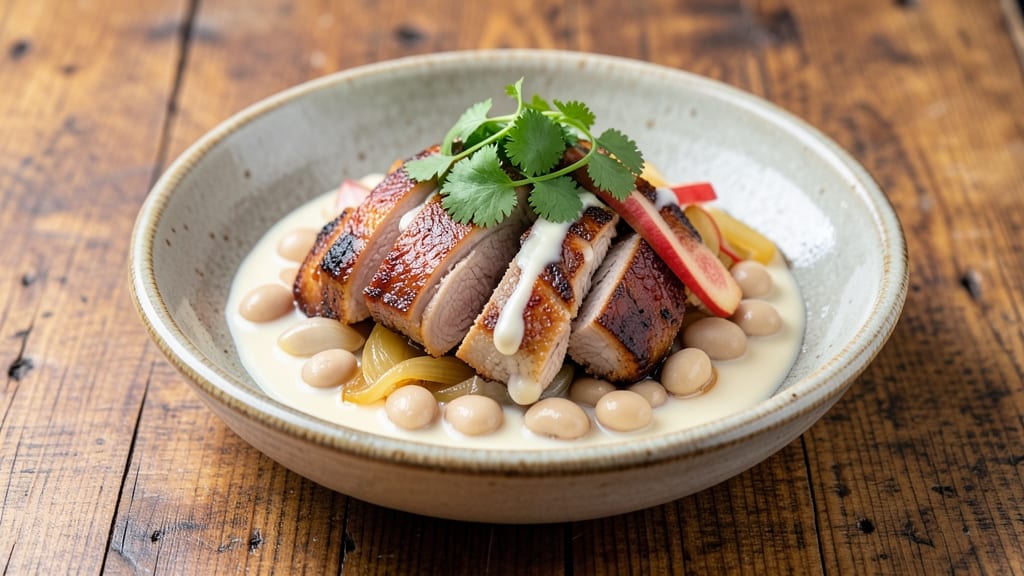
This Baguio beans with pork recipe brings the smoky, hearty flavors of the Philippines' mountain regions to your kitchen. 🌟 The secret lies in slow-cooking tender pork until it falls apart, then simmering it with earthy Baguio beans until the flavors meld into a rich, comforting stew.
I first discovered this dish during a trip to the Cordilleras, where it's a staple in mountain homes—simple, nourishing, and deeply satisfying.
The recipe begins with crispy pork chunks—either pan-fried or braised—before they're simmered in a fragrant broth with garlic, ginger, and bay leaves. The Baguio beans, known for their nutty flavor, absorb the pork's smoky richness while developing their own tender texture.
Traditional techniques like layering flavors and slow cooking ensure every bite is packed with depth, making this more than just a side dish—it's a meal.
What sets this apart is the balance of textures: tender pork, creamy beans, and a sauce that's both savory and slightly sweet. The dish is traditionally served with steamed rice, but it's hearty enough to stand alone.
Garnish with fresh herbs or a sprinkle of chili flakes for a touch of brightness that cuts through the richness.
Perfect for family dinners or gatherings, this recipe delivers restaurant-quality results with minimal fuss. The slow-cooking process means you can prepare it ahead, letting the flavors deepen over time. Let's bring a taste of the Philippines' mountain cuisine to your table.
Ingredients for baguio beans with pork
Pantry staples meet mountain cuisine in this hearty stew of tender pork and nutty Baguio beans.
| Ingredient | Amount | Notes |
|---|---|---|
| Pork Shoulder 🥓 | 1 ½ lb | Cut into 1.5-inch chunks |
| Dried Baguio Beans 🌱 | 1 ½ cups | Soaked overnight, drained |
| Garlic Cloves 🧄 | 6 cloves | Minced for aroma |
| Fresh Ginger 🌿 | ½ cup | Grated, skinless |
| Yellow Onion 🧅 | 1 whole | Chopped, medium size |
| Coconut Milk 🥥 | 1 can | Full-fat, 13.5 oz |
| Bay Leaves 🌿 | 2 whole | Dried for infusion |
| Black Peppercorns 🌶️ | 1 tsp | Ground fresh |
| Salt 🧂 | 1 ½ tsp | Kosher or sea salt |
| Olive Oil 🫒 | 2 tbsp | For searing pork |
| Soy Sauce 🍶 | 2 tbsp | For umami depth |
| Brown Sugar 🍚 | 1 tbsp | Lightly packed |
| Fresh Chili Peppers 🌶️ | 1 whole | Optional, sliced |
The pork shoulder is non-negotiable here—its fat content renders down beautifully during slow cooking, creating a rich sauce. Look for well-marbled cuts at your local butcher or Costco for the best texture. If you can't find Baguio beans, substitute large white beans or kidney beans, but soak them overnight for similar texture. For the coconut milk, full-fat is a must—it adds creaminess that lighter versions can't match. The bay leaves should be fresh if possible, but dried works fine too. I always grab mine from the bulk section at Whole Foods—they stay potent longer.
No fresh ginger? Powdered works at half the amount, but the flavor won't be as vibrant. The soy sauce can be swapped for fish sauce if you prefer, though traditional recipes use soy. For a touch of sweetness, maple syrup or agave works in a pinch, though brown sugar gives that classic caramelized depth. The chili peppers are optional but add a nice kick—sichuan peppers would be perfect if you can find them. If you're short on time, pre-cooked bacon can replace some of the pork chunks for convenience, though it won't be as tender.
This stew tastes even better the next day as the flavors meld. Store leftovers in an airtight container in the fridge for up to 5 days, or freeze for 3 months for quick meals. I like to portion it into individual containers so I can grab a serving straight from the freezer. The beans and pork will thicken as they cool, so add a splash of water or coconut milk when reheating. Serve with steamed rice to soak up all that delicious sauce—it's worth the extra minute.
Why You'll Love This Recipe
- Here’s what sold me: the pork shoulder. When braised just right with ginger and garlic, it turns shatteringly tender—like pulling apart a cloud. The beans stay firm but soak up all that savory broth, making every bite hearty and satisfying. (Yes, even on a Tuesday night.)
- Fewer Ingredients, Bigger Payoff: Honestly, I’m always skeptical of recipes with long ingredient lists. This one nails it with just five core things—pork shoulder, those little dried Baguio beans, garlic, ginger, and onion. The beans soak overnight (easy!), then you toss everything in one pot. That’s it. No fancy prep, no last-minute grocery runs.
- Pork So Tender It Falls Apart: Here’s what sold me: the pork shoulder. When braised just right with ginger and garlic, it turns shatteringly tender—like pulling apart a cloud. The beans stay firm but soak up all that savory broth, making every bite hearty and satisfying. (Yes, even on a Tuesday night.)
- Leftovers That Taste Better: Between us, my freezer’s full of meals I won’t touch again. Not this one. The flavors deepen after reheating—better the next day, honestly. I portion it into containers and grab it for lunches all week. No sad, dry leftovers here.
Step-by-step instructions for mountain-style pork and Baguio bean stew
Here's how to transform simple ingredients into a rich, smoky stew with tender pork and hearty beans.
🔥 Step 1: Sear the Pork Shoulder for Deep Flavor
Heat a large Dutch oven over medium-high heat until hot. Add the 2 tbsp olive oil and swirl to coat the bottom. Working in batches to avoid crowding, add the 1.5 lb pork shoulder cut into 1.5-inch chunks and sear for 3-4 minutes per side until deep golden brown and crispy in spots.
This step builds the foundation of your stew. The Maillard reaction happening here creates complex flavors that will infuse throughout the dish. Don't rush this—well-browned pork equals better-tasting stew. Once all pork is seared, transfer it to a plate and set aside.
👨🍳 Step 2: Sauté Aromatics Until Fragrant
In the same Dutch oven, reduce heat to medium and add the 1 whole yellow onion chopped, 0.5 cup fresh ginger grated, and 6 cloves garlic cloves minced. Cook for 5-6 minutes stirring occasionally until the onion is soft and translucent and the mixture smells intensely aromatic.
Here's the thing—don't let the ginger burn. It turns bitter quickly, and that bitter flavor will ruin your stew. If it starts to darken too much, reduce heat slightly. The aromatics should be soft but not browned. Add the 1 tsp black peppercorns and cook for another 30 seconds to toast them lightly.
🍳 Step 3: Build the Stew Base with Beans and Seasonings
Return the seared pork to the Dutch oven. Add the 1.5 cups dried baguio beans (already soaked overnight and drained), 2 tbsp soy sauce, 1 tbsp brown sugar, and 1.5 tsp salt. Stir everything together to combine, making sure the beans are well-coated with the aromatic mixture.
Now pour in 4 cups water (enough to cover the ingredients by about 1 inch). The water should be just hot enough to warm the stew quickly but not boiling. Add the 2 whole bay leaves and bring to a gentle simmer. The mixture should bubble softly—if it boils vigorously, reduce heat to maintain the simmer.
⏰ Step 4: Simmer Until Pork is Tender
Cover the Dutch oven and simmer for 1.5 hours, maintaining a gentle bubble. Stir occasionally to prevent the beans from sticking to the bottom. The pork should become fork-tender and easily pull apart with minimal resistance.
After the initial hour, check the liquid level. If it's reduced too much and the beans aren't fully submerged, add ½ cup hot water. This ensures the beans cook evenly without drying out. The stew should have a rich, earthy aroma with porky undertones developing.
🥘 Step 5: Finish with Coconut Milk and Chili
Once the pork is tender, stir in the 1 can coconut milk (full-fat, 13.5 oz). If using, slice the 1 whole fresh chili peppers and add them now. Simmer uncovered for another 15-20 minutes until the coconut milk is fully incorporated and the stew has thickened slightly.
Taste and adjust seasoning if needed. The coconut milk should create a creamy, velvety texture that balances the earthy beans and rich pork. Remove the bay leaves before serving. This mountain-style stew is best enjoyed hot, with the flavors developing even more as it sits for 10-15 minutes off the heat.
Pro Tips For Making Baguio Beans With Pork
- SOAK BEANS OVERNIGHT: I learned this the hard way—skipping the soak makes the beans tough as boot leather. Cover them in water by at least 3 inches, add a pinch of baking soda (trust me), and let them sit 8+ hours. The longer they soak, the creamier the final texture.
- SEAR PORK IN BATCHES: Crowding the pan turns your pork into soggy rubber. Cut the shoulder into 1-inch chunks and cook in two batches over medium-high heat—this gives you that golden crust without steaming the meat. (Yes, even if you're impatient like me.)
- GINGER SHOULD BE GRATED: That jarred minced ginger? Skip it. Freshly grated ginger adds depth the jarred version can’t match. Use about 2 tablespoons, but taste it first—it’s way stronger than you think. (Pro tip: Zest the skin too—it’s where the flavor hides.)
- LOW AND SLOW WINS: After browning the pork, drop the heat to low and cover the pot. Walk away. The beans need 45–60 minutes of gentle simmering to break down properly. Peek at 30 minutes—if the liquid isn’t reduced by half, keep it going. (This isn’t the prettiest method, but it’s the tastiest.)
Troubleshooting great baguio beans with pork
Pork Too Tough
If your pork chunks remain tough after simmering, you likely didn't cook them long enough. The key is patience—pork shoulder needs at least 1.5 hours of gentle simmering to break down properly. I've seen home cooks rush this step and end up with chewy results.
Use a meat thermometer to check internal temperature—it should reach 203°F for perfect tenderness. If you're short on time, try a pressure cooker instead, which cuts cooking time to about 45 minutes while maintaining texture. 💡
Beans Staying Hard
Hard beans usually mean they weren't soaked long enough or the cooking liquid wasn't acidic enough. Always soak dried Baguio beans overnight (at least 8 hours) before using. For extra insurance, add 1 tbsp vinegar or lemon juice to the cooking water—this helps soften the beans faster.
If you're substituting beans, choose varieties like kidney beans or cannellini beans, which tend to soften more easily than others. I've found that adding a pinch of baking soda (¼ tsp) to the soaking water also helps, but don't overdo it—too much can make beans mushy.
Broth Too Thin
A watery stew often happens when too much liquid is added or the beans release excess starch. Start with just enough water to cover the ingredients by 1 inch, then reduce heat to maintain a gentle simmer.
If the broth gets too thin during cooking, remove the lid and simmer uncovered for 10-15 minutes to evaporate excess liquid. For extra thickness, mash a few cooked beans with a fork and stir them back in—they'll release starch that thickens the sauce naturally.
If you're using a Dutch oven, make sure it's the right size—too large a pot will dilute the flavors. 🥘
Burnt Aromatics
Burnt garlic or ginger ruins the delicate balance of flavors in this dish. The secret is low-and-slow cooking for aromatics—keep heat at medium and stir frequently. If you see the bottom of your pan darkening, immediately reduce heat to low and add 1 tbsp water or coconut milk to deglaze.
I like to toast my garlic and ginger separately in a dry pan for 30 seconds before adding them to the stew—this intensifies their flavor without burning. For extra protection, use a heavy-bottomed pot like a Le Creuset Dutch oven—it distributes heat more evenly and prevents hot spots.
Overpowering Coconut Flavor
Too much coconut milk can make the stew taste like dessert rather than savory comfort food. The recipe calls for just 1 can (13.5 oz), but if you prefer a lighter texture, reduce to ½ can and stir in ¼ cup heavy cream instead.
For a more balanced flavor, let the coconut milk simmer uncovered for the final 10 minutes—this allows some of the water content to evaporate, concentrating the creaminess. If you're using a lighter coconut milk, add 1 tbsp cornstarch mixed with water to thicken it before incorporating.
Always taste as you go—this is the only way to get the balance just right. 🌿
Nutrition facts
Frequently asked questions about Baguio beans with pork
What makes Baguio beans special compared to other beans?
Baguio beans grow at high altitudes in the Philippines, giving them a distinctive nutty, earthy flavor that's more robust than regular beans. Their thick skins hold up well during cooking, making them perfect for hearty stews. The beans also absorb flavors beautifully, which is why they're ideal for this pork dish.
Can I substitute Baguio beans with other types?
Yes, but with adjustments! Use large white beans or kidney beans as substitutes, but soak them overnight (at least 8 hours) for similar texture. For extra tenderness, add ¼ tsp baking soda to the soaking water. However, the flavor won't be identical—Baguio beans have that unique mountain-grown character.
How do I know when the pork is perfectly tender?
The pork should easily pull apart with a fork and reach an internal temperature of 203°F. If it's still slightly resistant, keep simmering for another 15-20 minutes. For foolproof results, use a meat thermometer. The longer you cook it, the more flavorful it becomes—don't rush this step!
Can I make this recipe in a slow cooker?
Brown the pork first, then transfer everything to your slow cooker. Cook on low for 6-7 hours or high for 3-4 hours until the pork is tender. Add the coconut milk during the last 30 minutes of cooking. The slow cooker's gentle heat helps develop deep, rich flavors without monitoring.
What's the best way to serve this dish?
This hearty stew pairs perfectly with steamed jasmine rice to soak up all the delicious sauce. For extra flair, garnish with fresh cilantro, sliced green onions, or a sprinkle of chili flakes. It's also great served with crusty bread for dipping. Leftovers taste even better the next day!