
Main Courses
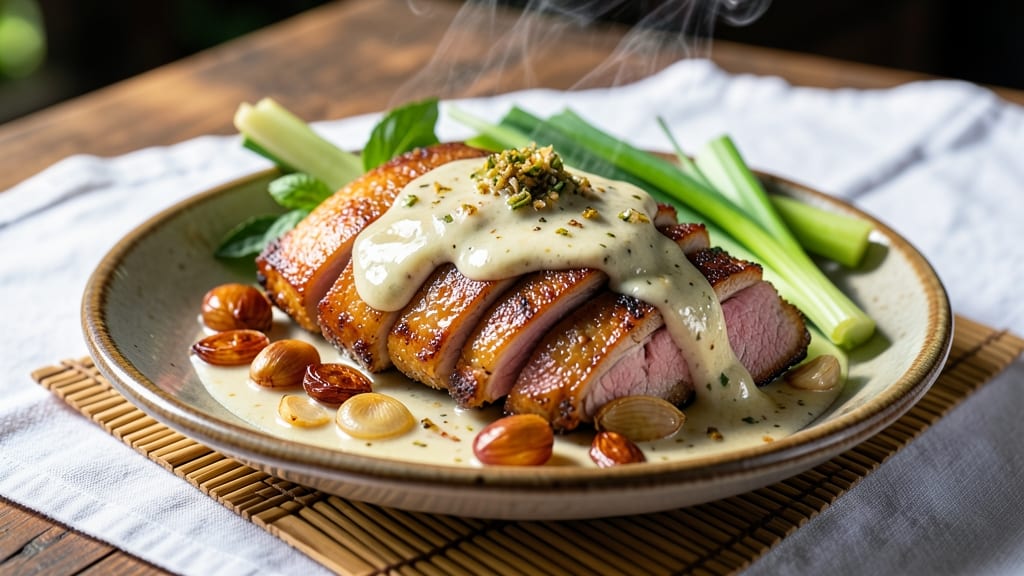
Balinese pork recipe brings the aromatic flavors of Indonesia to your kitchen with this coconut curry that marries tender pork, fragrant lemongrass, and earthy galangal. ✨ As someone who's cooked pork for thousands of hours in my Atlanta smokehouse, I can tell you this dish delivers the same rich, complex flavors you'd find in Bali's finest warungs—just with a few key techniques I've perfected over years of experimentation.
The secret lies in the marinade: a blend of turmeric, coriander, and shallots that infuses the pork with vibrant color and depth before it simmers in coconut milk. We'll use a slow cooking method to render the meat perfectly tender while allowing all those aromatic spices to meld together.
The galangal and lemongrass create that signature Balinese brightness that sets this dish apart from other curries.
What you'll end up with is a dish that's equally at home on a weeknight dinner table or as the centerpiece of a special gathering. The pork emerges fork-tender, swimming in a velvety coconut sauce that's fragrant with lemongrass and galangal.
The aroma alone will transport you to Bali—imagine the steam rising from a bustling market stall, carrying those same exotic spices through the air.
This recipe serves 6 and pairs beautifully with steamed jasmine rice and a side of sambal for those who like their heat. The leftovers reheat wonderfully, making it perfect for meal prep.
Let's bring the flavors of Bali to your kitchen with this authentic pork curry that's sure to become a family favorite.
Ingredients for balinese pork
Six aromatic ingredients transform simple pork into Bali's richest curry experience.
| Ingredient | Amount | Notes |
|---|---|---|
| Pork Shoulder 🍖 | 3 lb | Bone-in for flavor, cut into 2-inch cubes |
| Coconut Milk 🥥 | 2 cans | Full-fat, unsweetened (13.5 oz each) |
| Lemongrass Stalks 🌿 | 4 whole | Bruised, bottom 4 inches only |
| Galangal Root 🧅 | 1 piece | About 3 oz, peeled and sliced (substitute ginger if needed) |
| Shallots 🧅 | 6 whole | Minced, about 0.5 cup |
| Garlic Cloves 🧄 | 8 cloves | Minced, about 2 tbsp |
| Turmeric Powder 🌶️ | 1 tbsp | Freshly ground preferred |
| Ground Coriander 🌿 | 1 tbsp | Toasted for depth |
| Chili Paste 🌶️ | 2 tbsp | Balinese sambal oelek or red curry paste |
| Fish Sauce 🍶 | 2 tbsp | Red Boat preferred |
| Brown Sugar 🍬 | 2 tbsp | Light or dark, packed |
| Olive Oil 🫒 | 2 tbsp | For searing pork |
| Salt 🧂 | 1 ½ tsp | Diamond Crystal kosher |
| Black Pepper 🌶️ | 1 tsp | Freshly cracked |
| Kaffir Lime Leaves 🍋 | 4 whole | Bruised, for aroma (substitute lime zest if needed) |
The pork shoulder is your secret weapon here—bone-in stays juicier and absorbs flavors better. Look for well-marbled cuts at the butcher counter or Costco for the best value. If you can't find galangal, ginger works in a pinch (double the amount), though it won't be quite the same. Lemongrass is key—Thai markets usually sell the freshest stalks, but the frozen kind in the Asian foods aisle at Walmart works too. For the fish sauce, Red Boat is my go-to—it's clean and flavorful without overpowering. The kaffir lime leaves add that signature Balinese aroma, but if you can't find them, lime zest plus a splash of lime juice brings some of that citrusy brightness.
No lemongrass? Double the ginger and add 1 tsp lime zest for a close substitute. Running low on galangal? Turmeric plus ginger (1 tsp each) mimics some of the earthiness. The chili paste can be swapped for 1 tbsp sriracha plus 1 tsp sugar, though it won't have the same depth. For the coconut milk, full-fat is non-negotiable—light versions won't give you that creamy texture. If you're making this ahead, prep the marinade a day early and let the spices bloom in the fridge. The pork cubes should be uniform size—2 inches max—so they cook evenly. And trust me, don't skip the bruising the lemongrass and galangal—it releases those essential oils that make this dish sing.
This curry tastes even better the next day as the flavors meld, so make a double batch if you're feeding a crowd. Store leftovers in an airtight container with a splash of coconut milk on top to prevent drying. Keeps 4-5 days in the fridge or 3 months frozen. For serving, I like to garnish with fresh cilantro and lime wedges right before eating. The rice? Jasmine rice is traditional, but basmati works too—just don't skimp on the steaming. This reheats beautifully—low heat only—so it's perfect for meal prep. The sauce thickens as it cools, so add a splash of coconut milk when reheating if it's too thick for your taste.
Why You'll Love This Recipe
- One-Pot Magic: I swear by this recipe when I’m too tired to scrub a million dishes. The pork shoulder practically falls apart in that rich coconut milk, and the lemongrass and galangal do all the flavor work for you—no fancy techniques needed.
- Flavor Bomb: That first bite? It’s like a party in your mouth—creamy, aromatic, with a subtle kick from the galangal that lingers just right. The shallots add this sweet, caramelized depth that makes it taste like you slaved over it for hours.
- Weeknight Hero: Between us, this is my go-to when I’ve got friends over but zero energy. It’s hearty enough for a crowd but simple enough to make while scrolling through my phone. Plus, the leftovers? Even better the next day.
- Budget Stretch: Pork shoulder is cheap, coconut milk is a pantry staple, and you’re not using rare spices here. Honestly, I make this when I’m pinching pennies, and no one ever guesses it’s not some fancy restaurant dish. Win-win.
Step-by-step instructions for Balinese pork curry
Transform simple ingredients into rich, aromatic Balinese pork with this foolproof method.
🔥 Step 1: Sear the Pork Shoulder for Maximum Flavor
Heat a large Dutch oven over medium-high heat and add the 2 tablespoons olive oil. Once shimmering, add the 3 lb pork shoulder cut into 2-inch cubes in a single layer. Let them sear undisturbed for 4-5 minutes until deep golden brown on all sides.
This initial sear creates a flavorful crust that prevents the meat from drying out during the long simmer. I like to work in batches if needed—just be sure to return all the pork to the pot later. Once browned, remove the pork and set it aside on a plate.
👨🍳 Step 2: Build the Aromatic Base
In the same Dutch oven, add the 6 whole shallots and 8 cloves garlic cloves (both minced). Cook for 3-4 minutes until the shallots soften and become translucent. Here's where the magic happens—add the 1 piece galangal root (sliced) and 4 whole lemongrass stalks (bruised bottom 4 inches).
Cook these aromatics for another 2 minutes until fragrant. The galangal should release its piney aroma and the lemongrass its citrusy notes. Sprinkle in the 1 tbsp turmeric powder and 1 tbsp ground coriander, stirring constantly for 30 seconds to toast the spices lightly—this deepens their flavor.
🍳 Step 3: Develop the Curry Paste and Balance Flavors
Stir in the 2 tbsp chili paste, 2 tbsp fish sauce, and 2 tbsp brown sugar. Cook for 1-2 minutes until the mixture darkens slightly and becomes sticky. This is your flavor foundation—don't rush this step. The chili paste will deepen in color, the fish sauce will mellow, and the sugar will caramelize just enough to balance the heat.
Pour in 1 can (13.5 oz) coconut milk, stirring vigorously to combine with the paste. Let it simmer for 3-4 minutes until slightly thickened. Then add the 1.5 tsp salt and 1 tsp black pepper, along with the 4 whole kaffir lime leaves (bruised). The lime leaves will infuse their citrusy aroma without overpowering the dish.
🥘 Step 4: Simmer the Pork Until Tender
Return the seared pork shoulder to the Dutch oven along with any accumulated juices. Pour in the remaining 1 can (13.5 oz) coconut milk and bring to a gentle simmer. Here's the key: cover the pot and cook over low heat for 2-2.5 hours until the pork is fork-tender.
Check the liquid level occasionally and add 2-3 tablespoons water if it reduces too much. The pork is done when it easily pulls apart with two forks. The sauce should coat the back of a spoon but still be slightly loose. If it thickens too much, stir in a splash of water or coconut milk to reach your desired consistency.
⏰ Step 5: Rest and Serve with Confidence
Remove the kaffir lime leaves and let the curry rest for 10 minutes before serving. This resting period allows the flavors to meld completely and the pork to absorb any remaining juices. Taste and adjust seasoning—you might want to add a splash more fish sauce for saltiness or a touch of sugar to balance the acidity.
Serve the Balinese pork curry over steamed jasmine rice, garnished with fresh cilantro and lime wedges. Each bite should deliver tender pork, rich coconut cream, and layers of aromatic spices. The galangal and lemongrass will give it that authentic Balinese character that sets it apart from regular curries.
Pro Tips For Making Balinese Pork
- CHAR THE SHALLOTS FIRST: I learned this the hard way—when you toss raw shallots into the pot with the galangal and lemongrass, they’ll just sit there like shy guests at a party. Sauté them in oil until they’re deep golden and slightly caramelized (about 5-6 minutes) before adding anything else. This builds the base flavor that makes the whole dish sing.
- SLICE THE GALANGAL THIN: Thick chunks of galangal? Nope. Thin slices or even a quick grating (yes, even if it looks weird) releases the flavor into the coconut milk instead of hiding in stubborn chunks. My grandmother swore by this, and she was right: the broth ends up aromatic and bright, not just "meh" background spice.
- LOW AND SLOW AFTER BOIL: The first 10 minutes of simmering should be a gentle boil to draw out the pork’s juices, but once you add the coconut milk, drop the heat to the lowest setting you can tolerate. I used to rush this, and the milk would curdle or split—now I just let it bubble softly, like a lazy Sunday morning. Patience here means creamy, dreamy sauce.
- USE TWO CANS OF COCONUT MILK: One can? That’s how you end up with a sad, thin sauce. Two cans (one full-fat, one light) gives you the richness of full-fat with the lighter body that balances the pork’s fat. (Yes, even if the recipe says one—trust me, your future self will thank you.) Stir in the second can halfway through cooking to thicken it properly.
Serving suggestions for this balinese pork
Rice Pairings
Steamed jasmine rice is the traditional choice for this dish—its delicate floral aroma complements the coconut and lemongrass beautifully. I like to cook 2 cups jasmine rice in a rice cooker with 2.5 cups water, adding a pinch of salt for extra depth.
For a heartier option, try brown rice—it takes 45 minutes to cook and adds a nutty contrast to the rich curry. 🌱
If you're feeling adventurous, serve it over black rice for a striking visual contrast. The deep purple hue pairs wonderfully with the golden curry, and the slightly nutty flavor balances the coconut's sweetness. Just
Vegetable Sides
A simple stir-fried bok choy with garlic and soy sauce adds freshness to cut through the richness. Toss 2 heads bok choy (cut into wedges) with 1 tbsp soy sauce, 1 tsp sesame oil, and 2 minced garlic cloves for 3 minutes on high heat. The crisp-tender greens provide a perfect balance to the creamy curry. 🥬
For something more substantial, try blanched green beans with lime zest. Cook 1 lb green beans in boiling water for 3 minutes, then shock in ice water. Toss with 1 tbsp lime zest, 1 tbsp butter, and a sprinkle of toasted sesame seeds.
The bright acidity lifts the flavors of the pork curry.
Spicy Sambal
No Balinese meal is complete without sambal—I recommend a Balinese sambal oelek for its perfect balance of heat and tang. Serve it on the side in small bowls so everyone can adjust their spice level.
For a quick version, blend 1 cup red chilies, 2 shallots, 1 tbsp shrimp paste, and 1 tbsp vinegar until smooth. 🌶️
If you can't find sambal oelek, make a simple sambal matah by pounding 5 red chilies, 1 shallot, 1 clove garlic, and 1 tsp salt in a mortar. The texture is rustic but adds incredible depth. A squeeze of lime brightens it up even more.
Garnishes That Elevate
Fresh cilantro and lime wedges are my go-to garnishes—they add a pop of color and freshness. Sprinkle ¼ cup chopped cilantro over each serving just before eating, and serve lime wedges on the side for squeezing. The citrus cuts through the richness and enhances the lemongrass flavors. 🍋
For an extra touch of luxury, add crispy fried shallots on top. Fry 6 thinly sliced shallots in 2 tbsp oil until golden and crisp, then drain on paper towels. Their crunch contrasts perfectly with the silky curry.
A drizzle of chili oil (mix 2 tbsp oil with 1 tsp red pepper flakes) adds another layer of heat and aroma.
Drink Pairings
An es kopi—Indonesian sweet coffee—is the traditional pairing. Brew 2 cups strong coffee, then mix with ½ cup condensed milk and 1 cup hot water. The sweetness balances the spicy, savory flavors beautifully. ☕
For a refreshing alternative, try a lychee spritzer. Mix 1 cup lychee juice with 1 cup sparkling water and a splash of lime juice. The floral notes of the lychee complement the lemongrass in the curry, while the bubbles cleanse the palate.
For a boozy option, add 1 oz gin to the spritzer for a tropical twist.
Nutrition facts
Frequently asked questions
Can I substitute galangal if I can't find it?
Yes, you can use ginger as a substitute, but double the amount (about 2 tbsp grated ginger for 1 piece galangal). For extra depth, add ½ tsp turmeric to mimic galangal's earthy notes. The flavor won't be identical, but it'll still taste delicious.
How do I make this recipe less spicy?
Reduce the chili paste to 1 tbsp instead of 2 tbsp and omit the red pepper flakes if using. For a milder sambal, blend fewer chilies or add 1 tsp sugar to balance the heat. Always taste as you go!
Why is my pork still tough after cooking?
Pork shoulder needs low and slow cooking—don't rush the 2-2.5 hour simmer. If it's still tough, try braising longer or using a meat thermometer (pork should reach 203°F internally). Another trick: add ½ cup water and cook uncovered for 15 minutes to tenderize.
Can I make this in a slow cooker?
Sear the pork first, then transfer everything to a 6-quart slow cooker. Cook on low for 7-8 hours or high for 4-5 hours. The slow cooker's gentle heat ensures tender pork without drying it out. Just skip the final resting time—it's not needed.
What's the best way to reheat leftovers?
Reheat gently in a saucepan over low heat with 2 tbsp coconut milk to prevent drying. Avoid microwaving—it can make the sauce watery. For best results, reheat just until warmed through (3-5 minutes) and serve immediately. Leftovers keep 4-5 days in the fridge.