
Main Courses
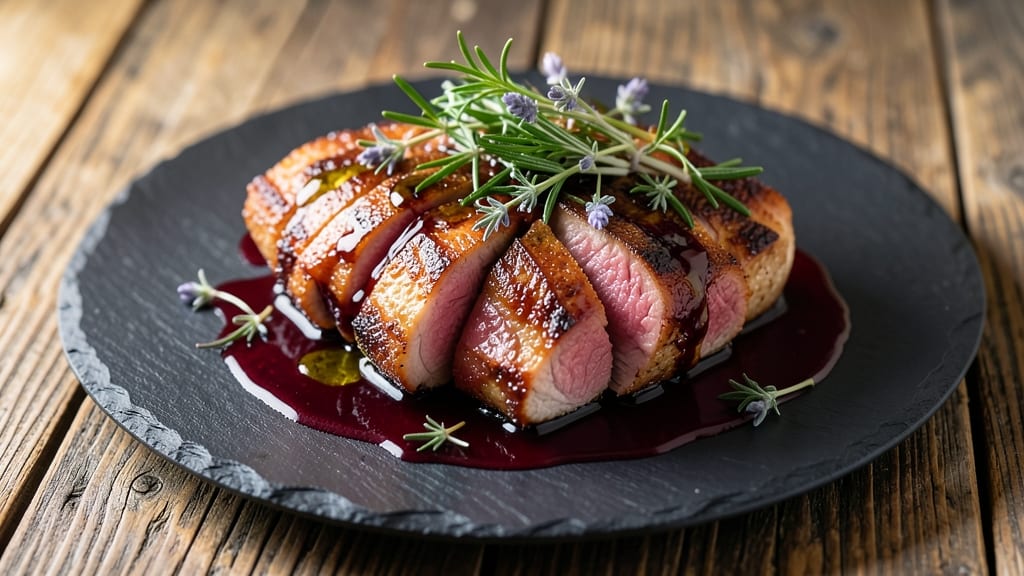
This balsamic marinated pork tenderloin transforms simple pork into a restaurant-worthy centerpiece with just a few hours of hands-off prep. ✨ The secret lies in the marinade—a perfect balance of sweet balsamic, tangy vinegar, and aromatic herbs that tenderize the meat while building layers of flavor.
As someone who's cooked thousands of pounds of pork, I can tell you this method guarantees perfectly juicy, caramelized pork with a glaze that clings like liquid gold.
The process starts with a 24-hour marinade that works its magic while you sleep, followed by a quick sear in a hot pan or oven. The real magic happens when you reduce that marinade into a glossy, syrupy glaze that coats every bite.
This isn't just another pork recipe—it's a technique that elevates humble pork tenderloin to something special enough for dinner guests or a weeknight treat.
What you'll end up with is tender, melt-in-your-mouth pork with a glossy, sweet-tart glaze that caresses your palate. The exterior develops a beautiful caramelized crust from the reduction, while the inside remains juicy and perfectly cooked.
The aroma alone will have everyone gathering at the table, and the first bite delivers that perfect harmony of sweet, tangy, and savory flavors.
Serve with roasted vegetables, mashed potatoes, or a fresh salad to balance the richness. The glaze works wonders as a drizzle over grilled asparagus or as a finishing touch for roasted Brussels sprouts.
This recipe delivers professional-quality results with minimal effort—perfect for when you want to impress without spending hours in the kitchen.
Ingredients for balsamic marinated pork tenderloin
Sweet-tart glaze magic starts with these 12 ingredients—each playing its part to transform simple pork into a showstopper.
| Ingredient | Amount | Notes |
|---|---|---|
| Pork Tenderloin 🥩 | 1 ½ lb | Center-cut, trimmed of fat |
| Balsamic Vinegar 🍷 | ½ cup | Aged, high-quality preferred |
| Red Wine Vinegar 🍷 | ¼ cup | For tangy depth |
| Extra-Virgin Olive Oil 🫒 | ⅓ cup | Light, fruity variety |
| Fresh Rosemary 🌿 | ¼ cup | Chopped, stems removed |
| Fresh Thyme 🌿 | ¼ cup | Leaves only, stems removed |
| Garlic Cloves 🧄 | 6 cloves | Peeled, smashed slightly |
| Honey 🍯 | ¼ cup | Wildflower preferred |
| Dijon Mustard 🥬 | 1 tbsp | For subtle tang |
| Salt 🧂 | 1 ½ tsp | Diamond Crystal kosher |
| Black Pepper 🌶️ | 1 tsp | Freshly cracked |
| Brown Sugar 🍚 | 1 tbsp | Light, for caramelization |
The pork tenderloin is your canvas here—center-cut, trimmed of fat for even cooking. I always grab mine from Whole Foods or my local butcher; look for pieces that are firm to the touch and a vibrant pink color. The balsamic vinegar? Don't skimp on quality—aged balsamic from Italy (like San Giorgio) gives that rich, complex flavor. Fresh herbs are non-negotiable—they brighten the glaze and keep it from being too heavy. If you're using dried, double the amount but know it won't have the same punch. The honey should be wildflower for depth, and the olive oil? Light and fruity—none of that bitter stuff.
No aged balsamic? Substitute with 1/4 cup red wine vinegar plus 1/4 cup maple syrup—it won't be identical, but it'll work in a pinch. Short on fresh rosemary? Thyme alone works, but add 1 tsp dried rosemary. The garlic can be roasted (microwave 30 seconds with a splash of water) for a sweeter glaze. Want more caramelization? Add 1 tbsp molasses to the marinade. The Dijon mustard is key—skip it if you dislike tang, but it balances the sweetness beautifully. For a smokier profile, add 1/2 tsp smoked paprika to the marinade. If you're prepping ahead, marinate the pork for up to 48 hours—just don't exceed that or the meat gets mushy.
This glaze is best made fresh, but you can prep the marinade 3 days ahead and store it in the fridge. The pork itself keeps 2 days in the fridge post-cooking, but the glaze? That's the star—transfer it to a jar and it'll last 2 weeks in the fridge. Freeze the glaze in ice cube trays for 6 months—perfect for quick drizzles on roasted veggies or grilled chicken. The pork reheats beautifully—warm in a skillet with a splash of water to keep it juicy. Leftovers? Slice thin and serve on crostini—it's even better the next day.
Why You'll Love This Recipe
- Five-Ingredient Magic: I swear, this is one of those recipes where you look at the pantry and think, "I already have all that?" Pork tenderloin stays lean and tender on its own, but the balsamic and red wine vinegar duo cuts through the richness while the rosemary adds that earthy punch—no fancy herbs needed, just a sprig from the garden or a jar.
- Crispy-Creamy Payoff: That balsamic glaze? It’s not just for dipping. When you sear the pork first, the edges get this caramelized crust, but the inside stays juicy—like a perfect balance of restaurant-worthy texture. Honestly, the first time I made this, my husband asked if I’d hired a chef.
- Weeknight to Dinner Party: Between us, this is my go-to when I need something impressive but still easy. Marinate it in the morning, throw it in the oven while I chop veggies, and boom—dinner’s ready. (Yes, even on a Tuesday night.) The leftovers? Just as good cold in sandwiches the next day.
- Budget-Friendly Protein: Pork tenderloin is one of the most affordable cuts that still feels special. A single tenderloin feeds four, and the marinade stretches into two uses—meaning less waste and more flavor for your money. I’ll be real: I’ve made this for date nights, family dinners, and lazy Sundays, and it never lets me down.
Step-by-step instructions for balsamic marinated pork tenderloin
Here's the method that transforms simple pork into melt-in-your-mouth perfection.
👨🍳 Step 1: Create the Irresistible Marinade
In a medium bowl, whisk together the 0.5 cup balsamic vinegar, 0.25 cup red wine vinegar, 0.33 cup extra-virgin olive oil, 0.25 cup honey, 1 tbsp Dijon mustard, 1 tbsp brown sugar, 1.5 tsp salt, and 1 tsp black pepper. I like to start with a quick mix to combine all the wet ingredients before adding the herbs.
Next, add the 0.25 cup chopped fresh rosemary, 0.25 cup fresh thyme leaves, and 6 smashed garlic cloves. Stir gently to incorporate the herbs while keeping the garlic pieces intact—this ensures they infuse flavor without turning to mush. The marinade should have a thick, syrupy consistency that will cling beautifully to the pork.
🥘 Step 2: Marinate the Pork for Maximum Flavor
Place the 1.5 lb pork tenderloin in a resealable plastic bag or large container. Pour the marinade over the pork, making sure it's completely coated. Here's the thing—pork tenderloin cooks quickly, so we want that marinade to work its magic while keeping the meat tender. Seal the bag or cover the container and refrigerate for at least 4 hours, but overnight is ideal for maximum flavor penetration.
I know it's tempting to skip the marinating time, but this step is non-negotiable for that perfect balance of sweet, tangy, and herby flavors. The acidity in the vinegars helps tenderize the meat while the honey and brown sugar create a beautiful caramelized crust during cooking.
🔥 Step 3: Preheat and Sear for Perfect Texture
Remove the pork from the refrigerator and let it sit at room temperature for 20-30 minutes before cooking. This ensures even cooking throughout. Preheat your oven to 400°F and heat a large oven-safe skillet over medium-high heat. Add the marinated pork to the skillet and sear for 2-3 minutes per side until you see a deep golden-brown crust forming.
Don't walk away during this step—the crust is what gives this dish its restaurant-quality appeal. The pork should release easily from the skillet when ready to flip. The marinade will bubble and sizzle, creating those beautiful caramelized spots that make everything taste better.
🔥 Step 4: Roast to Juicy Perfection
Transfer the skillet to the preheated oven and roast for 15-20 minutes or until the internal temperature reaches 145°F when measured with a meat thermometer. This is the sweet spot for pork tenderloin—juicy on the inside with that perfect crust on the outside. The marinade will bubble and reduce slightly, creating a glossy glaze that coats the pork beautifully.
Here's where precision matters: if you pull it out too early, it'll be tough; too late, and it'll dry out. The 145°F internal temperature is your golden number. Let the pork rest for 5-10 minutes before slicing—this resting time is crucial for redistributing those juices throughout the meat.
🍽️ Step 5: Serve with the Glazed Marinade
While the pork rests, spoon the reduced marinade from the skillet into a small saucepan. Simmer over medium heat for 2-3 minutes until it thickens slightly into a glossy glaze. This step intensifies the flavors and gives you that perfect sauce consistency that clings beautifully to the pork.
Slice the pork into ½-inch thick medallions and arrange on a serving platter. Drizzle generously with the reduced marinade glaze and garnish with additional fresh rosemary sprigs. Each bite should deliver that perfect balance of sweet, tangy, and herby flavors with tender, juicy pork that practically melts in your mouth.
Pro Tips For Making Balsamic Marinated Pork Tenderloin
- Trim the Fat First: Pork tenderloin is lean, but any surface fat will turn your pan into grease hell. Use kitchen shears to snip off the thin layer of fat along the seam—it’s faster than scraping and keeps your sear crisp instead of soggy.
- Marinate Overnight (No Exceptions): I used to rush this step, thinking 30 minutes would do. Wrong. The acid in balsamic and red wine vinegar needs 8–12 hours to tenderize the pork properly—otherwise, you’re fighting chewy meat. Cover and refrigerate, no excuses.
- Reduce the Marinade: After removing the pork, simmer the leftover marinade (vinegars, oil, rosemary) in a small saucepan for 5–7 minutes until it thickens slightly. This turns it into a glossy glaze that sticks to the meat instead of pooling in the pan.
- Sear in Two Batches: Crowding the pan drops the temperature fast, and you’ll end up with steamed pork instead of a golden crust. Sear half the tenderloin first, then set it aside before adding the second batch—your future self will thank you for the extra effort.
Essential equipment for this dish
Skillet Essentials
You'll need a large, oven-safe skillet with a heavy base—I swear by my Lodge cast iron (10-inch or larger) for even heat distribution and that perfect sear. The skillet must handle both stovetop searing and oven roasting, so avoid thin, flimsy pans.
A meat thermometer is non-negotiable for hitting that 145°F internal temp without overcooking. I keep my ThermoWorks Smoke on hand for all pork dishes—it's the only one that's never let me down. 🌡️
Marinade Tools
For the marinade, grab a medium mixing bowl (glass or stainless steel) and a whisk to combine ingredients smoothly. I use resealable plastic bags (like Ziploc gallon bags) for marinating—just poke a few holes in the bag if you're worried about the pork sitting in liquid.
A fine-mesh strainer comes in handy if you want to strain the marinade before using it as a glaze (though I usually leave the herbs in for texture).
Reduction Station
Your small saucepan (2-3 quart capacity) is where the magic happens for reducing the marinade into a glossy glaze. I prefer stainless steel for better heat control, but any heavy-bottomed pan works. A wooden spoon helps stir without scratching the pan during reduction.
Pro tip: Keep a small bowl nearby to test the glaze consistency—it should coat the back of a spoon when ready. 💫
Prep Extras
Gather kitchen twine (butcher's twine) if you want to tie the pork tenderloin for even cooking—though it's not strictly necessary for this cut. A sharp chef's knife (8-inch) and cutting board are essential for trimming fat and slicing the pork.
I keep parchment paper handy for easy transfer between skillet and oven. For presentation, fresh rosemary sprigs and a serving platter complete the setup—nothing fancy needed, just clean and sturdy.
Optional Upgrades
Want to take it to the next level? A meat mallet helps tenderize thicker pork cuts if you ever adjust the recipe. For smoky flavor, I sometimes add a few wood chips (apple or cherry) to the skillet during searing—just soak them first.
A digital scale ensures you get that 1.5 lb pork tenderloin precisely. And if you're feeling fancy, a pastry brush helps spread the glaze evenly on the finished pork for that restaurant-worthy presentation. 🔥
Nutrition facts
Frequently asked questions
Can I use a smaller pork tenderloin for this recipe?
This recipe works beautifully with a 1 lb pork tenderloin—just reduce the marinade by 30% (about 0.3 cup balsamic vinegar instead of 0.5 cup). The cooking time will also decrease to 12-15 minutes in the oven. For even smaller portions (½ lb), cut the marinade in half and cook for 8-10 minutes. The key is maintaining the 145°F internal temperature.
How do I make this recipe ahead of time?
You can prep this dish 2 days ahead! Marinate the pork for 48 hours max, then cook it as directed. Store the fully cooked pork in the fridge and reheat in a skillet with 1 tbsp water over medium heat for 3-4 minutes until warmed through. The glaze can be made 3 days ahead and stored in the fridge—simply reheat it gently before serving.
What's the best way to reheat leftover pork?
Leftover pork reheats best in a skillet with 1 tbsp water or broth over medium-low heat for 5-6 minutes. This prevents drying out. For extra flavor, add 1 tsp balsamic vinegar to the pan. Avoid microwaving—it turns the pork rubbery. Slice thin and serve on crostini or with roasted vegetables for a quick meal.
Can I grill this instead of oven-roasting?
Yes! Sear the pork in a hot skillet first, then transfer to a grill with medium-high heat. Cook for 8-10 minutes, turning occasionally, until it reaches 145°F internally. Brush with extra marinade during grilling for a smoky-sweet flavor. The glaze reduction step remains the same—simmer the marinade in a saucepan until thickened.
What if my pork turns out dry?
Overcooking is the most common cause. Always use a meat thermometer and remove the pork at 145°F. If it's slightly dry, slice thin and serve with a sauce reduction (simmer 0.25 cup balsamic vinegar + 1 tbsp honey for 3 minutes) or as a sandwich filling. For future attempts, marinate for no more than 24 hours and avoid cutting into the meat before resting.