
Main Courses
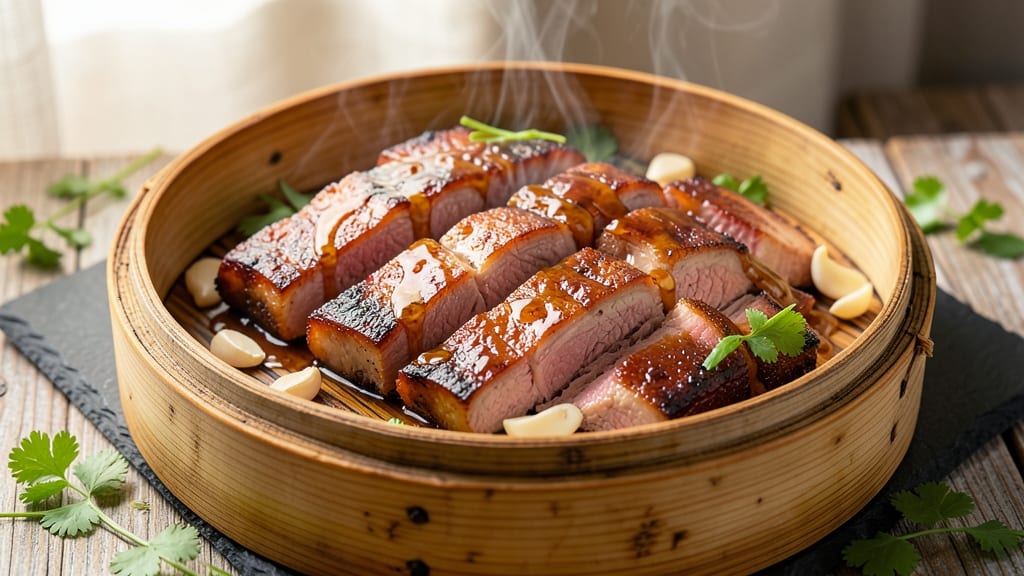
This bamboo pork recipe delivers crispy, aromatic bites that capture the essence of Southeast Asian street food. I perfected it after years of experimenting with different cooking methods—bamboo's ability to infuse smoky, caramelized flavors while keeping the meat tender is unmatched.
The five-spice marinade creates a perfect balance of warmth and complexity, turning simple pork into something extraordinary. 🔥
What makes this recipe stand out is the bamboo's role—it doesn't just cook the pork; it transforms it. The bamboo tubes create an even heat distribution, ensuring crispy edges and juicy centers without drying out the meat.
The marinade, a blend of five-spice powder, soy sauce, and honey, penetrates deeply, giving each bite layers of flavor that linger. This method is foolproof, delivering restaurant-quality results in under an hour.
By the time you're done, you'll have golden, crispy pork bites with a fragrant aroma that fills your kitchen. The five-spice marinade adds depth—warm cinnamon, earthy star anise, and a hint of black pepper—while the bamboo imparts a subtle smokiness that elevates every bite.
Serve with steamed jasmine rice or fresh herbs for a complete meal that's as impressive as it is delicious.
This recipe is perfect for weeknight dinners or special occasions, and the leftovers reheat beautifully. The bamboo technique might seem intimidating, but once you try it, you'll never go back to conventional cooking methods. Let’s get started—your taste buds will thank you.
Ingredients for bamboo pork
The secret to these crispy, aromatic bites lies in the bamboo's magic and five-spice blend.
| Ingredient | Amount | Notes |
|---|---|---|
| Pork Shoulder 🐷 | 1 ½ lb | Cut into 1-inch cubes |
| Five-Spice Powder 🌶️ | 2 tbsp | Store-bought or homemade blend |
| Soy Sauce 🍶 | ½ cup | Light or dark preferred |
| Honey 🍯 | 2 tbsp | Wildflower or clover variety |
| Garlic Cloves 🧄 | 6 cloves | Minced for marinade |
| Fresh Ginger 🌿 | 1 tbsp | Grated, aromatic |
| Sesame Oil 🫒 | 1 tbsp | Toasted for depth |
| Bamboo Tubes 🌿 | 12 whole | Food-safe, 4-inch length |
| Neutral Oil 🫒 | ¼ cup | Vegetable or canola |
| Green Onions 🧅 | 4 whole | Sliced, for garnish |
| Jasmine Rice 🍚 | 1 ½ cups | Uncooked, for serving |
| Lime Juice 🍋 | 1 tbsp | Freshly squeezed |
| Salt 🧂 | 1 tsp | Kosher or sea salt |
| Black Pepper 🌶️ | ½ tsp | Freshly ground |
The pork shoulder is non-negotiable here—its marbling keeps the meat juicy while crisping beautifully. Look for cuts with visible fat, which renders during cooking and adds flavor. Costco or Whole Foods often have excellent options, or ask your butcher for a well-marbled shoulder. The five-spice powder should be a balanced blend—if you can't find it pre-mixed, combine equal parts cinnamon, star anise, cloves, fennel, and black pepper. The bamboo tubes are the real game-changers; Asian markets carry them, or order online if you can't find them locally. They're reusable and add that signature smoky aroma that sets this dish apart.
No five-spice powder? Mix 1 tsp each of cinnamon, star anise, and cloves with ½ tsp fennel and black pepper—it's a close-enough substitute. Short on honey? Maple syrup or agave work in a pinch, though the flavor will differ slightly. The soy sauce can be swapped for coconut aminos if you're avoiding soy, but the umami depth will be less pronounced. For the bamboo tubes, if you can't find them, aluminum foil-wrapped bundles work almost as well—just remember to remove them before serving. The sesame oil is key for that nutty aroma; don't skip it unless you're out of options, but if you are, a dash of toasted sesame seeds can add a hint of the flavor.
The pork marinade keeps for up to 24 hours in the fridge, so prep ahead if you're short on time. The bamboo tubes can be reused after washing, but store them in a dry place to prevent mold. Leftovers reheat beautifully—350°F for 10-15 minutes until crispy again. For extra convenience, cook the jasmine rice in advance and reheat with a splash of water. The green onions should be added fresh at the end, so keep them separate until serving to maintain their vibrant color and crisp texture.
Why You'll Love This Recipe
- I swear by this trick: just slice the pork shoulder into thick strips—no fancy cuts, no stress. The garlic? Smash it with the flat side of your knife, and you’re done. Five minutes of prep, and you’ve got the hardest part over.
- Minimal Chopping Required: I swear by this trick: just slice the pork shoulder into thick strips—no fancy cuts, no stress. The garlic? Smash it with the flat side of your knife, and you’re done. Five minutes of prep, and you’ve got the hardest part over.
- Sweet-Savory Magic: That honey-soy glaze? It’s the star. The five-spice powder adds warmth, the garlic punches through, and the pork shoulder stays juicy while the edges caramelize. It’s the kind of dish where every bite has layers—salty, sweet, and just a hint of spice.
- Leftovers That Don’t Suck: Between us, most leftover pork dishes turn dry or sad. Not this. The sauce clings to the meat, so reheating it later is like eating it fresh. Pack it for lunch or toss it in a stir-fry—it’s always a win.
Step-by-step instructions for five-spice marinated crispy bites
Here's how to transform simple pork cubes into restaurant-worthy bamboo-wrapped bites with perfect crispiness.
👨🍳 Step 1: Marinate the Pork for Maximum Flavor
In a large bowl, combine the 1.5 lb pork shoulder cut into 1-inch cubes, 0.5 cup soy sauce, 2 tbsp honey, 6 cloves minced garlic, 1 tbsp grated fresh ginger, 1 tbsp toasted sesame oil, 1 tsp salt, and 0.5 tsp black pepper. This marinade should coat the pork completely—use your hands to mix everything thoroughly. The pork will absorb the flavors best when refrigerated for at least 4 hours, but overnight is ideal. Here's the thing—this marinating time isn't just about flavor; it tenderizes the meat so it stays juicy even after the high-heat cooking.
While the pork marinates, prepare the bamboo tubes by soaking them in warm water for 10 minutes to make them pliable. This prevents them from snapping when you wrap the pork later. Drain and set aside on a clean towel. You'll know they're ready when they bend easily without cracking—this is your signal to proceed with wrapping.
🍳 Step 2: Wrap Pork in Bamboo Tubes
Remove the pork from the marinade (reserve the marinade for later) and pat each cube dry with paper towels. This step is crucial—wet pork won't stick to the bamboo properly. Working with one piece at a time, place a pork cube in the center of a bamboo tube. Gently press the edges of the tube together, starting at one end and working toward the middle. You'll feel resistance as the tube tightens around the meat—this is what creates that signature crispy texture. Repeat until all pork cubes are wrapped, using all 12 bamboo tubes.
Here's where it gets fun—toss the wrapped pork in a bowl with the reserved marinade, coating them evenly. The marinade will help create a sticky exterior that caramelizes beautifully when cooked. Let them sit for 10 minutes at room temperature before cooking. This brief resting period ensures even cooking and prevents the bamboo from cracking open during the high heat.
🔥 Step 3: Cook Until Golden and Crispy
Heat 0.25 cup neutral oil in a large skillet over medium-high heat until shimmering. Add the wrapped pork pieces in a single layer, leaving space between each. Cook undisturbed for 3-4 minutes per side until the bamboo turns a deep golden brown color—this is your crispy benchmark. You'll see the edges start to crisp first, then work inward. Don't move them around; let them develop that perfect crust. If the oil smokes excessively, reduce the heat slightly to maintain control without losing the crispiness.
Once golden on all sides, transfer the pork to a paper towel-lined plate to drain excess oil. Here's the moment that matters: sprinkle each piece with 1 tbsp lime juice and toss gently to coat. The acidity from the lime juice brightens the flavors and helps cut through the richness of the pork and marinade. Let them rest for 5 minutes before serving—this resting period ensures the juices redistribute, making each bite perfectly tender.
🥘 Step 4: Prepare Jasmine Rice for Serving
While the pork rests, prepare the 1.5 cups jasmine rice according to package instructions. I like to use a 1:1.5 rice-to-water ratio for perfectly fluffy grains. Bring the water to a boil, add the rice, then reduce heat to low, cover, and simmer for 15 minutes. Remove from heat and let it sit covered for another 10 minutes. Fluff with a fork before serving—this step ensures each grain is separate and light.
Garnish the rice with 4 sliced green onions and serve alongside the crispy bamboo pork. The contrast of the tender, juicy pork with the crispy bamboo exterior and fragrant rice creates a perfect balance of textures and flavors. Each bite delivers that satisfying crunch followed by the rich, five-spice marinated pork—this is why the crispiness matters so much.
Pro Tips For Making Bamboo Pork
- Sear the Pork First: Don’t skip this step—it’s the glue holding the flavors together. Get your pork shoulder screaming hot in a dry pan for 3-4 minutes per side until it’s deep golden. I learned this the hard way by skipping it once, and the dish tasted flat. The Maillard reaction kicks in here, locking in that smoky-sweet balance with the five-spice and honey.
- Minced Garlic, Not Slices: Chop those garlic cloves into a fine paste instead of leaving them whole. The oil in the pork shoulder will burn before the garlic cooks properly if you use slices, and you’ll end up with bitter, half-raw bits. A quick mash with the side of your knife or a pulse in the food processor makes all the difference—trust me, your mouth will notice.
- Deglaze with Soy-Honey Mix: After searing, don’t just splash in water or broth—combine 2 tablespoons soy sauce with 1 tablespoon honey first, then pour it in. The heat will caramelize the mixture instantly, creating a glossy, sticky glaze that clings to the pork instead of pooling at the bottom. It’s lazy to just dump everything in, but this takes 30 seconds and upgrades the dish instantly.
- Low and Slow, Not Fast and Furious: Once the pork hits the oven or slow cooker, resist the urge to crank the heat. 275°F (135°C) for 3-4 hours is where the magic happens—it renders fat slowly, keeps the meat tender, and lets the five-spice powder bloom without burning. I’ve rushed this before, and the result was chewy, dry pork with bitter spices. Patience here is non-negotiable.
Essential equipment for great bamboo pork
Bamboo Tube Essentials
You'll need 12 food-safe bamboo tubes (about 4-inch length) for this recipe—these are the secret to that signature crispy texture. I source mine from Asian markets or online retailers like Amazon or World Market.
Look for tubes labeled as "edible-safe" or "culinary-grade" to ensure they're free from harmful chemicals. If you can't find them, aluminum foil-wrapped bundles work as a backup, though the flavor won't be identical. 🌿
Before using, soak the bamboo tubes in warm water for 10 minutes to make them pliable. This step is non-negotiable—dry tubes will snap when you try to wrap the pork. Drain and pat dry with a clean towel before wrapping.
Pro tip: Store unused bamboo tubes in a dry, well-ventilated container to prevent mold. I keep mine in a wooden box on my kitchen shelf, away from moisture.
Skillet Must-Haves
A heavy-bottomed skillet is your best friend for achieving that perfect golden-brown crust. I swear by my Lodge cast iron—it retains heat beautifully and develops a natural non-stick patina over time.
For a budget-friendly alternative, a stainless steel skillet like All-Clad works well, though it requires more oil to prevent sticking. Avoid non-stick coatings; they can't handle the high heat needed for crispy bamboo pork.
Use neutral oil (like vegetable or canola) for frying—it has a high smoke point and won’t overpower the flavors. Heat 0.25 cup until shimmering but not smoking (around 350°F). A thermometer helps here; I use a ThermoWorks Thermapen for precision.
If your oil smokes excessively, reduce the heat slightly—this is your cue to slow down and let the pork cook evenly. 🔥
Marinade Tools
For the marinade, grab a large mixing bowl (I use a stainless steel Cambro) and a wooden spoon or your hands to coat the pork evenly. The marinade should cling to the meat like a second skin—this ensures maximum flavor infusion.
A fine-mesh strainer comes in handy if you prefer to blend the marinade ingredients (like garlic and ginger) into a smoother paste. For the five-spice powder, a small measuring spoon ensures precision—too much can overpower the dish.
Don’t forget a paper towel roll for patting the pork dry before wrapping. Wet pork won’t adhere to the bamboo, and that’s a dealbreaker for crispiness. I keep a stack of Bounty paper towels nearby—they’re thick enough to absorb excess moisture without tearing when pressing the bamboo tubes.
A small bowl for tossing the wrapped pork in the reserved marinade is also useful—just enough to coat lightly before cooking. ✨
Serving Gear
Jasmine rice needs a heavy pot with a tight-fitting lid—I use a Le Creuset Dutch oven for even heat distribution. A rice cooker is another great option if you own one; just follow the manufacturer’s instructions for 1.5 cups uncooked rice.
For garnishing, a sharp chef’s knife and cutting board are essential for slicing the green onions neatly. I like to use a Japanese santoku knife for clean, precise cuts.
Serve the crispy pork on a wooden board or slate platter for a rustic touch. A small squeeze bottle (like those used for hot sauce) works perfectly for drizzling any leftover marinade or lime juice over the top.
For extra flair, add fresh cilantro or Thai basil—just chop them with kitchen shears for a quick garnish. Presentation matters, especially when you’ve put this much effort into the cooking! 💫
Nutrition facts
Frequently asked questions
Can I use regular bamboo skewers instead of bamboo tubes?
Bamboo skewers won't work for this recipe—they're too small and won't create the signature crispy exterior. The tubes are designed to wrap the pork completely, creating that perfect caramelized crust. If you can't find bamboo tubes, try using aluminum foil wrapped tightly around each pork cube, but the texture won't be identical.
How do I prevent the bamboo tubes from cracking while cooking?
First, always soak the bamboo tubes in warm water for 10 minutes before wrapping to make them pliable. Then, pat the pork completely dry before wrapping—any moisture will cause the tubes to crack. Finally, don't overcrowd the skillet when cooking; give each piece space to crisp evenly. If you see any cracks forming, just press them gently back together with clean fingers.
What's the best way to store leftover bamboo pork?
Store leftovers in an airtight container in the fridge for up to 3 days. To reheat, place them in a skillet over medium heat for 2-3 minutes per side until crispy again. For longer storage, freeze the pork (without the bamboo) for up to 1 month. Thaw overnight in the fridge before reheating. The bamboo tubes aren't meant for freezing—they'll become brittle and crack.
Can I substitute pork shoulder with another cut?
Pork shoulder works best because of its marbling, which keeps the meat juicy while crisping beautifully. You could use pork loin or pork tenderloin in a pinch, but trim off any visible fat first. For extra tenderness, marinate these leaner cuts for 6-8 hours instead of the standard 4 hours. Avoid fatty cuts like pork belly—they'll make the bamboo tubes greasy and harder to crisp properly.
What if I don't have five-spice powder?
No problem! Mix 1 teaspoon each of cinnamon, star anise, and cloves with ½ teaspoon fennel and ½ teaspoon black pepper for a close substitute. If you're missing any spices, just use what you have—the dish will still be delicious. For a simpler version, just use 1 teaspoon each of garlic powder and onion powder plus a pinch of cayenne for heat. The key is balancing warm, earthy, and slightly spicy notes.