
Main Courses
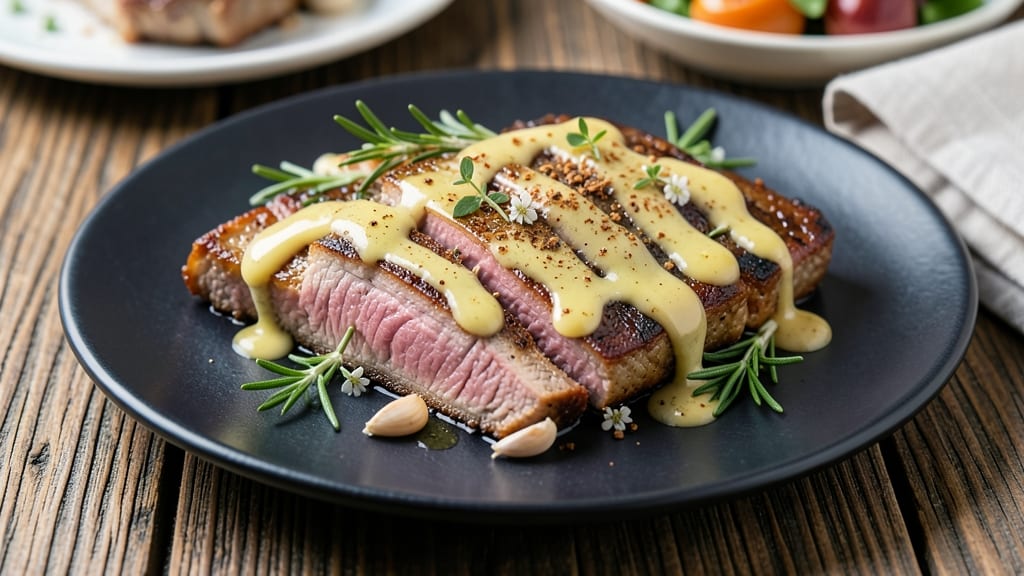
This boneless pork cube steak recipe delivers restaurant-quality results with minimal effort—juicy, tender meat infused with garlic-herb flavor, all in a single pan. 🔥 As someone who's cooked thousands of pounds of pork, I know the secret lies in the sear-and-braise technique that locks in moisture while building deep, savory flavors.
The cube steak's unique shape makes it perfect for quick cooking without sacrificing tenderness, and this method ensures every bite is perfectly balanced between crisp edges and melt-in-your-mouth centers.
The process starts with a simple garlic-herb marinade that works its magic while you prep the rest of your meal. After a quick sear in a hot pan, the pork slow-braises until reaching the ideal internal temperature of 145°F, where the connective tissues break down into silky perfection.
This approach transforms what could be a tough cut into something so tender it practically falls apart—no matter how busy your schedule might be.
What you'll end up with is a dish that's equally at home on a weeknight dinner table or a weekend feast.
The aromatic garlic and herbs create layers of flavor that pair beautifully with classic sides like creamy mashed potatoes or roasted root vegetables, while a simple pan gravy ties everything together. The best part?
This method works equally well whether you're cooking on the stovetop, in the oven, or even on the grill.
For those who love to experiment, this recipe adapts effortlessly to modern twists—swap the herbs for fresh rosemary and thyme, or add a splash of apple cider to the marinade for a subtle sweetness.
The technique itself remains the same, proving that great results don't require complicated methods. Let's get cooking—your taste buds will thank you.
Ingredients for boneless pork cube steak
Restaurant-quality pork cube steak with juicy, tender meat and aromatic garlic-herb flavor—all in one pan.
| Ingredient | Amount | Notes |
|---|---|---|
| Boneless Pork Cube Steak 🥩 | 1 ½ lb | Evenly sized cubes, 1-1.5 inches |
| Extra-Virgin Olive Oil 🫒 | 2 tbsp | High smoke point preferred |
| Garlic Cloves 🧄 | 4 cloves | Minced, fresh preferred |
| Fresh Rosemary 🌿 | ¼ cup | Finely chopped, stems removed |
| Fresh Thyme Leaves 🌿 | ¼ cup | Or 1 tbsp dried thyme |
| Dried Oregano 🍃 | 1 tsp | Crumbled between fingers |
| Kosher Salt 🧂 | 1 ½ tsp | Diamond Crystal preferred |
| Ground Black Pepper 🌶️ | ½ tsp | Freshly cracked |
| Beef Broth 💧 | 1 cup | Low-sodium preferred |
| Apple Cider Vinegar 🍎 | 1 tbsp | Optional for brightness |
| All-Purpose Flour 🌾 | 1 tbsp | For gravy thickening |
| Unsalted Butter 🧈 | 1 tbsp | Cold, for gravy |
The pork cube steak makes this recipe shine—look for pre-cut cubes at your butcher or grocery store's meat counter. Costco or Whole Foods often carry them pre-portioned, which saves time. If you're buying a whole cut, ask for it to be cubed to 1-1.5 inches—this ensures even cooking. Fresh herbs are ideal here, but dried thyme works in a pinch (use one-third the amount). The beef broth should be low-sodium to control seasoning, but you can always adjust salt later. I always grab extra rosemary—I use half for the marinade and save the rest for garnish.
No fresh rosemary? Dried rosemary at half the amount gets you close, though it won't have the same vibrant flavor. Short on beef broth? Chicken broth or vegetable broth works just fine—just remember this is pork we're cooking. The apple cider vinegar adds a subtle tang that brightens everything up, but it's optional if you're in a hurry. For the gravy, all-purpose flour is your best friend—it thickens beautifully without altering the flavor. If you're feeling fancy, you can even make a Dijon mustard gravy by whisking in 1 teaspoon of Dijon after thickening.
This dish reheats like a dream—honestly better the next day as the flavors meld. Store leftovers in an airtight container for up to 4 days in the fridge or freeze for 3 months. The gravy can be made ahead and reheated separately. Pro tip: Portion the pork into meal prep containers with a little extra gravy on top—it keeps everything moist and makes lunches a breeze. The herbs in the marinade also make great garnishes for other dishes, so don't toss the stems!
Why You'll Love This Recipe
- One-Pan Magic: Between us, this recipe is my lazy-day hero—just toss the cube steaks in olive oil with crushed garlic, rosemary sprigs, and thyme, then let the oven do the work. No flipping, no fussing, no extra dishes beyond the pan you already used for lunch.
- Crispy-Creamy Perfection: Honestly, the secret’s in the sear: golden edges on the outside, tender and juicy inside, all thanks to that olive oil and garlic. The herbs? They infuse just enough to make every bite feel like a little Italian vacation.
- Leftover Reinvention: I’ll be real—this makes way more than I need for one meal, but that’s why it’s genius. Cold slices in a sandwich? Wrapped in tortillas for tacos? Tossed into pasta the next night? It’s the ultimate meal extender.
- Budget-Friendly Protein: Pork cube steaks are the unsung hero of affordable meals—cheaper than chicken breasts but just as satisfying. A few cloves of garlic, a sprig of rosemary, and you’ve got a dish that feeds four for under $10. (Yes, even on a Tuesday night.)
Step-by-step instructions for one-pan garlic-herb pork cube steak
Here's how to transform tough pork into melt-in-your-mouth tenderness with minimal effort.
🔥 Step 1: Sear the Pork for Maximum Flavor
Heat a large oven-safe skillet over medium-high heat until it's very hot. Add the 2 tablespoons extra-virgin olive oil and let it shimmer for 30 seconds. This high heat is crucial—it creates that golden crust we're after.
Working in batches if needed, add the 1.5 lb boneless pork cube steak to the skillet. Press down gently on each piece with a spatula for 10 seconds to ensure even contact with the hot pan. Let them sear undisturbed for 2-3 minutes per side until they develop a deep golden brown crust. Here's the thing—don't rush this step. You'll know it's ready when the edges are deep brown and the pork releases easily from the pan.
👨🍳 Step 2: Build the Herb and Garlic Base
Once the pork is browned, reduce heat to medium and add the 4 minced garlic cloves, ¼ cup fresh rosemary, ¼ cup fresh thyme leaves, and 1 teaspoon dried oregano. Stir everything together for 1 minute until the herbs release their aromatic oils and the garlic becomes fragrant but doesn't burn.
Here's where the magic happens: Sprinkle the pork evenly with the 1½ teaspoons kosher salt and ½ teaspoon ground black pepper. Toss everything together gently to coat the meat in the herb mixture. The salt will penetrate the meat during the slow cook, while the herbs infuse their flavors deep into the pork.
🍳 Step 3: Deglaze and Create the Braising Liquid
Pour in the 1 cup beef broth and 1 tablespoon apple cider vinegar. The vinegar adds brightness that cuts through the richness of the pork. Scrape up any browned bits from the bottom of the pan with a wooden spoon—these contain concentrated flavor that will make your sauce richer.
Bring the liquid to a gentle simmer, then reduce heat to low. The liquid should barely bubble—you want it to simmer gently enough to cook the pork slowly without boiling it dry. If the liquid reduces too quickly, add 1-2 tablespoons water to maintain a thin sauce. Cover the skillet and let it cook for 1 hour, checking occasionally to ensure the liquid doesn't evaporate completely.
⏰ Step 4: Finish with Flour and Butter for Rich Gravy
After 1 hour, the pork should be fork-tender. Remove the lid and increase heat to medium. Sprinkle the 1 tablespoon all-purpose flour evenly over the pork and sauce. Stir everything together for 1-2 minutes until the flour is fully incorporated and the sauce begins to thicken.
Reduce heat to low and add the 1 tablespoon cold unsalted butter, stirring until melted and incorporated. The butter adds richness and helps create a velvety sauce. Taste and adjust seasoning with additional salt or pepper if needed. The pork is ready when it's fork-tender with juices that run clear when pierced.
Pro Tips For Making Boneless Pork Cube Steak
- CRANK THE HEAT FIRST: Start your olive oil over medium-high heat until it shimmers—you’ll hear a faint sizzle before adding the pork. I used to cook this on medium, and the steaks would steam instead of sear, leaving them dull and unevenly browned. That first minute of high heat locks in juices while building flavor.
- SLICE THE GARLIC THIN: Mince those cloves into paper-thin slivers, not rough chunks. Thyme leaves should be torn, not chopped—this keeps their delicate texture. I learned this the hard way when my garlic burned into bitter bits before the pork even browned.
- DON’T OVERCROWDLE THE PAN: Cook the pork in a single layer, even if it means two batches. Piling them on will turn your pan into a sauna, and the steaks will boil in their juices instead of developing a crust. Trust me, your future self will curse the lazy batch that came out gray and soggy.
- REST IT UNDER FOIL: Once the pork hits 140°F (medium-rare), transfer it to a plate, tent loosely with foil, and let it sit for 5 minutes. Skipping this step means dry, stringy meat—no matter how perfect the sear looks. (Yes, even if you’re impatient like me.)
Essential equipment for this recipe
Skillet Essentials
Start with a 12-inch cast-iron skillet—it retains heat like magic and transitions seamlessly from stovetop to oven. I swear by my Lodge Pre-Seasoned Cast Iron skillet (it's been with me since my Charleston days), but any heavy, oven-safe skillet will work.
The key is even heat distribution, which cast iron delivers perfectly. 🔥
For the sear, you'll need a long-handled silicone spatula (like OXO Good Grips) to press the pork cubes without burning your fingers, and a wooden spoon for deglazing later.
A meat thermometer is non-negotiable—ThermoWorks Epic is my go-to for accuracy. Trust me, you don't want to guess when it comes to pork's internal temperature.
Herb Prep Tools
Fresh herbs make all the difference, so grab a sharp chef's knife (I use Wüsthof Classic) and a cutting board—preferably Teakha bamboo for gentle herb handling. For mincing garlic, a garlic press saves time, but a knife works too if you're quick.
Store-bought minced garlic lacks freshness, so I always mince my own. The stems from rosemary and thyme can be saved for garnishes or future stocks.
Marinade Mixers
You'll need a small mixing bowl for combining the marinade ingredients. A whisk helps distribute the olive oil evenly, but a fork works in a pinch. For measuring, I recommend Weigh & Measure Kitchen Scale for accuracy with herbs—especially when using dried substitutes.
The apple cider vinegar should be Bragg Organic for the best quality, but any good brand will do.
Gravy Finishing
The flour and butter require precise timing, so keep a small bowl nearby for the all-purpose flour and a small ramekin for the cold unsalted butter (I prefer Plugrá European-style).
A fine-mesh strainer isn't necessary unless you want ultra-smooth gravy, but it's handy for removing herb stems if you prefer a cleaner sauce. For serving, ladles with strainers make gravy application effortless.
Optional Upgrades
Want to take it pro? A meat mallet (like Mercer Culinary) helps tenderize the pork cubes if they feel tough. For extra flavor depth, smoked paprika or ground coriander can be added to the marinade.
And if you're serving this on a special occasion, gold leaf or edible flowers elevate the presentation beautifully. 💫
Nutrition facts
Frequently asked questions
Why does this recipe use cube steak instead of regular pork chops?
The cube steak's unique cut comes from the shoulder, making it more tender and flavorful than traditional pork chops. Its size and shape allow for even cooking and better absorption of marinades, while the connective tissue breaks down beautifully during the slow braise for melt-in-your-mouth results. The cubes also make it perfect for one-pan cooking—no flipping or turning required!
Can I cook this on the grill instead of stovetop?
Preheat your grill to medium-high heat and follow the same searing method. After browning, transfer the pork to a grill-safe dish, add the broth and herbs, then cover and cook for 30-40 minutes until tender. Finish with the flour-butter gravy on the stovetop. For extra smoky flavor, add ½ teaspoon smoked paprika to the marinade.
What if my pork cubes are different sizes?
No problem! The recipe accounts for variation. Larger cubes may need 5-10 extra minutes of braising time, while smaller ones will cook faster. Use a meat thermometer to check for 145°F internal temperature—this is the true test of doneness, not just time. The sauce will compensate for any size differences beautifully.
How can I make this dish ahead of time?
This recipe actually tastes better the next day! Cook the pork as directed, then store in an airtight container with the sauce. Reheat gently in the skillet over low heat for 10-15 minutes, adding 1-2 tablespoons water if needed. The flavors meld overnight, creating deeper, richer results. Perfect for meal prep—just portion with extra gravy for easy lunches!
What sides pair best with this dish?
Classic options include creamy mashed potatoes, buttery cornbread, or roasted root vegetables. For a lighter touch, try a crisp green salad with a tangy vinaigrette. The rich pork pairs beautifully with anything that balances its heartiness—think steamed asparagus or sautéed spinach. Don't forget the pan gravy—it's the perfect sauce for dipping bread!