
Main Courses
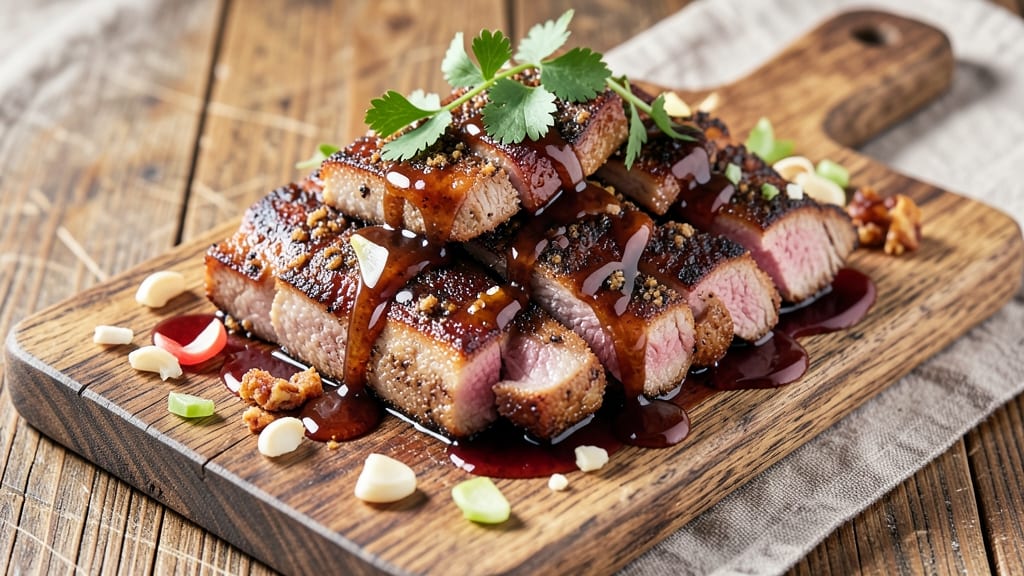
This barbecued pork strips recipe delivers smoky-sweet caramelized bites that transform simple pork into a showstopping main course. 🔥 After years of perfecting my pitmaster techniques, I've developed a method that combines tender meat with a balanced sauce—no fancy equipment required.
The secret lies in marinating overnight and cooking low and slow, ensuring every strip is juicy inside with a caramelized crust outside.
What sets this recipe apart is the one-pan simplicity—no flipping, no stress, just perfectly seasoned pork strips that develop deep flavor from the marinade and caramelization.
The sauce, a blend of tangy vinegar, rich molasses, and aromatic spices, clings to each bite, creating that perfect balance of sweet, smoky, and savory notes. Even beginners will achieve restaurant-quality results with this foolproof technique.
By the time you're done, you'll have tender, caramelized pork strips that practically melt in your mouth, all ready to serve over a bed of fluffy rice or alongside roasted vegetables.
The aroma alone will have everyone gathering around the table, and the first bite will silence any doubts about homemade barbecue being better than takeout.
This recipe scales beautifully for gatherings, making it perfect for game day, family dinners, or when you want to impress without spending hours in the kitchen. Let's get started—your taste buds will thank you.
Ingredients for barbecued pork strips
Sixteen ingredients, one pan, unforgettable smoky-sweet pork that rivals any BBQ joint.
| Ingredient | Amount | Notes |
|---|---|---|
| Boneless Pork Loin Chops 🥩 | 2 ½ lb | Cut into 1-inch strips, pounded thin |
| Dry Rub Spice Blend 🌶️ | ¼ cup | Homemade or store-bought BBQ rub |
| Apple Cider Vinegar 🍎 | ½ cup | For marinade tanginess |
| Molasses 🍯 | ¼ cup | Dark molasses for depth |
| Garlic Cloves 🧄 | 6 cloves | Minced for marinade |
| Fresh Ginger 🌿 | 1 tbsp | Finely grated, aromatic kick |
| Extra-Virgin Olive Oil 🫒 | ¼ cup | For marinade richness |
| Brown Sugar 🍚 | ¼ cup | Light or dark preferred |
| Smoked Paprika 🌶️ | 1 tbsp | For smoky depth |
| Ground Black Pepper 🌶️ | 1 tsp | Freshly cracked |
| Kosher Salt 🧂 | 2 tsp | Diamond Crystal preferred |
| Yellow Onion 🧅 | 1 whole | Thinly sliced for caramelization |
| Honey 🍯 | 1 tbsp | For sauce glaze |
| Fresh Cilantro 🌿 | ¼ cup | Chopped, for garnish |
The pork loin chops are your canvas here. Look for well-marbled cuts at Costco or Whole Foods—they stay juicier during cooking. Pound the strips thin (about 1/4-inch) for even cooking, and don't skip this step. The dry rub blend is non-negotiable for that perfect bark; I make my own with smoked paprika, brown sugar, and cayenne, but McCormick's BBQ rub works in a pinch. For the vinegar, Bragg's apple cider vinegar has that perfect balance of sweet and tart, but any good-quality brand will do.
No molasses? Substitute with dark corn syrup—it won't be identical, but it'll get you close. Fresh ginger is ideal, but ground ginger at half the amount works if you're in a hurry. The onion is for caramelization, so yellow or red onions both work—just slice them thin. For the honey, agave nectar is a 1:1 swap if you're avoiding refined sugar. And if you're out of cilantro, parsley or green onion adds a nice fresh finish. Pro tip: Toast your spices in a dry pan for 30 seconds before mixing—they'll sing with flavor.
Marinate the pork for at least 4 hours (overnight is best), then refrigerate uncovered for the last 30 minutes to help dry the surface for better searing. The strips keep in the fridge for 3 days before cooking, but they're best fresh. Once cooked, they reheat beautifully—just toss them in a hot pan with a splash of apple cider vinegar for 2-3 minutes. For leftovers, store in an airtight container with the sauce—it'll keep for 4 days in the fridge or 3 months frozen. Portion into single servings for easy grab-and-go meals.
Why You'll Love This Recipe
- One-Pan Magic: The pork strips go straight from fridge to pan—no fancy prep, no chopping. Just slice, rub, and let the vinegar and molasses work their magic while you sip your coffee.
- Sweet-Savory Bang: That molasses and apple cider vinegar combo? It’s like a hug for your taste buds—smoky, tangy, and just sweet enough to make you lick the plate.
- Tailgate to Tuesday: Grill for summer BBQs or simmer on the stovetop when you’re too tired to light up the smoker. Even my picky college-aged son inhales these—no complaints.
- Budget Leftovers: Pork loin stretches far, and the rub keeps flavors bold even reheated. I’ve turned last night’s dinner into tomorrow’s lunch with zero guilt.
Step-by-step instructions for smoky-sweet caramelized pork strips
Here's how to transform simple pork strips into restaurant-quality caramelized bites with deep smoky-sweet flavors.
👨🍳 Step 1: Create the Marinade and Prep the Pork
In a large bowl, whisk together the 0.5 cup apple cider vinegar, 0.25 cup molasses, 0.25 cup extra-virgin olive oil, 0.25 cup brown sugar, 1 tbsp smoked paprika, 1 tsp ground black pepper, 2 tsp kosher salt, the 6 cloves minced garlic, and the 1 tbsp finely grated fresh ginger until fully combined. The mixture should be thick and syrupy with visible sugar crystals.
Place the 2.5 lb boneless pork loin chops in a resealable plastic bag and pour the marinade over them. Seal the bag and massage the marinade into the pork, ensuring every strip is thoroughly coated. Let it marinate in the refrigerator for at least 4 hours (overnight is even better), turning the bag occasionally. This step infuses the pork with maximum flavor and tenderizes the meat.
🔥 Step 2: Sear the Pork Strips for Maximum Flavor
Remove the pork from the marinade (reserve the marinade for later) and pat the strips dry with paper towels. Heat a large oven-safe skillet over medium-high heat until it's very hot. Add the pork strips in a single layer and let them sear undisturbed for 2-3 minutes per side until they develop a deep golden-brown crust. You'll see the edges begin to crisp—that's your signal to flip.
Once all sides are browned, transfer the skillet to a 400°F preheated oven. This two-stage cooking method ensures the pork gets that perfect sear on the stovetop while finishing through in the oven. Bake for 8-10 minutes until the internal temperature reaches 145°F and the pork is cooked through but still juicy.
🍳 Step 3: Build the Caramelized Sauce
While the pork bakes, return the skillet to the stovetop over medium heat. Add the 1 whole yellow onion (thinly sliced) and cook for 5-6 minutes until softened and beginning to caramelize. Pour in the reserved marinade and scrape up any browned bits from the bottom of the pan with a wooden spoon.
Bring the mixture to a gentle simmer and cook for 5-7 minutes until it reduces slightly and becomes syrupy. The sauce should coat the back of a spoon and have a thick, glossy consistency. Stir in the 1 tbsp honey and cook for another 1 minute to incorporate. This step creates the signature sweet-savory glaze that makes these pork strips irresistible.
🥘 Step 4: Finish and Serve with Fresh Garnish
Remove the pork strips from the oven and pour the caramelized sauce over them in the skillet. Toss everything together gently to coat the pork evenly in the sauce. Let it sit for 2 minutes off the heat so the pork can absorb all that delicious flavor. The strips should be coated in a glossy, sticky glaze with caramelized onions throughout.
Transfer the pork strips to a serving platter and garnish with the 0.25 cup chopped fresh cilantro. The bright herb provides a beautiful contrast to the deep smoky-sweet flavors. Serve immediately with toothpicks for easy handling, and enjoy these caramelized bites while they're hot and sticky. The combination of tender pork, rich sauce, and fresh garnish makes this a showstopper dish every time.
Pro Tips For Making Barbecued Pork Strips
- Trim the Fat First: Pork loin chops can get greasy fast—pat them bone-dry and trim any visible fat before applying the dry rub. I used to skip this, and my strips always ended up slick and unevenly coated. Five minutes with paper towels makes all the difference.
- Marinate Overnight (Yes, Really): Toss the chops in a mix of apple cider vinegar, molasses, and minced garlic at least 12 hours ahead. The acid tenderizes the meat while the molasses caramelizes—rushing this step means tougher strips. I know, I know, but trust the process.
- Two-Zone Heat Zone: Start searing the strips over direct high heat for 2 minutes per side, then move them to indirect heat to finish. Crowding the grill or oven skillet keeps them steaming instead of caramelizing. Sounds weird, but it works—your strips will have a proper crust.
- Rest Before Slicing: Let the cooked strips sit under foil for 5-10 minutes before cutting. I learned this the hard way—slicing too soon turns them into sad, dry rectangles. The juices redistribute, and you’ll get that perfect pull-apart texture.
Wine and beer pairings for this barbecued pork strips
Red Wine Pairings
For these smoky-sweet pork strips, I always reach for a bold red wine that can stand up to the deep caramelization and molasses notes. A Zinfandel from California—like the Ravenswood Old Vine—is my go-to because its jammy fruit and peppery finish mirror the dish's complexity.
The wine's natural acidity cuts through the richness, cleansing your palate between bites. If you prefer something smoother, try a Syrah from Washington State like Chateau Ste. Michelle—its dark berry flavors complement the smoky undertones beautifully. 🍷
Light Beer Options
When I'm craving something crisp and refreshing, I turn to American-style lagers that won't overpower the pork's flavors. A Mexican lager like Modelo Especial or Pacifico works perfectly—its subtle malt sweetness enhances the caramelized glaze without competing.
For craft beer lovers, a Belgian witbier such as Hoegaarden adds a citrusy brightness that pairs wonderfully with the vinegar-marinated pork. The effervescence also helps cut through the sauce's stickiness. 🍺
Smoky Stout Contrast
If you're serving these pork strips as part of a hearty meal, consider a smoked porter or stout to create an unexpected but delicious contrast. I love pairing them with Founders Kentucky Breakfast Stout—its coffee and chocolate notes play off the molasses and smoked paprika in the rub.
The beer's roasted maltiness actually enhances the dish's smoky depth, creating a satisfying balance. This combo is perfect for cooler evenings or when you want to impress with a bold flavor match. 🔥
White Wine Surprise
Don't overlook white wines—especially when you want to highlight the dish's bright, tangy elements. A dry Riesling from Germany, like Dr. Loosen Blue Slate, brings crisp acidity and subtle stone fruit notes that complement the apple cider vinegar in the marinade.
The wine's minerality also enhances the pork's natural sweetness. For a lighter option, try a Sauvignon Blanc from New Zealand—its citrus and herbal notes provide a refreshing contrast to the rich, caramelized flavors. 💫
Cider Pairing
When I'm cooking outdoors or hosting a casual gathering, I often reach for hard cider to keep things simple yet flavorful. A dry, crisp cider like Angry Orchard Crisp Apple works beautifully—its tartness mirrors the vinegar in the marinade while the apple notes echo the apple cider vinegar.
For something stronger, try a hard apple cider like Woodchuck Hard Cider—its balanced sweetness and acidity make it a perfect match for the smoky-sweet pork. This pairing feels festive and approachable. 🍎
Nutrition facts
Frequently asked questions
Can I use pork shoulder instead of pork loin for this recipe?
Yes, but you'll need to adjust the cooking time. Pork shoulder is more tender and fattier, so cut it into 1-inch strips and cook it at 350°F for 12-15 minutes after searing. The extra fat adds richness, but watch for overcooking—it should reach 145°F internally. For best results, trim excess fat before cooking to avoid flare-ups.
How do I keep the pork strips from sticking to the pan?
Pat the strips very dry with paper towels before searing, and make sure your skillet is ripping hot over medium-high heat. A light coat of neutral oil (like avocado or grapeseed) on the pan helps too. Never move them while they're cooking—wait until you see a deep golden crust form before flipping. This ensures that perfect caramelization without sticking.
Can I make this recipe in a slow cooker?
Sear the pork strips first (as in the recipe), then transfer them to a slow cooker with the marinade and sliced onions. Cook on low for 3-4 hours until tender. Finish by adding the honey and simmering on high for 15 minutes to thicken the sauce. The slow cooker keeps the meat incredibly tender, but you'll lose some of the caramelized crust.
What's the best way to reheat leftovers?
Reheat in a skillet over medium heat with a splash of apple cider vinegar (about 1 tablespoon) for 2-3 minutes until warmed through. This prevents drying and revives the sauce's glossy texture. Microwaving is possible, but it makes the sauce watery—always add a little extra marinade or sauce to keep things moist. Store leftovers in an airtight container for up to 4 days.
Can I grill these pork strips instead of pan-searing?
Yes! Preheat your grill to medium-high heat (400°F) and oil the grates well. Cook the pork strips for 3-4 minutes per side until browned, then move them to indirect heat and cover. Cook for another 8-10 minutes until the internal temperature reaches 145°F. Finish by brushing with the caramelized sauce and serving immediately. Grilling adds beautiful grill marks and a smokier flavor.