
Main Courses
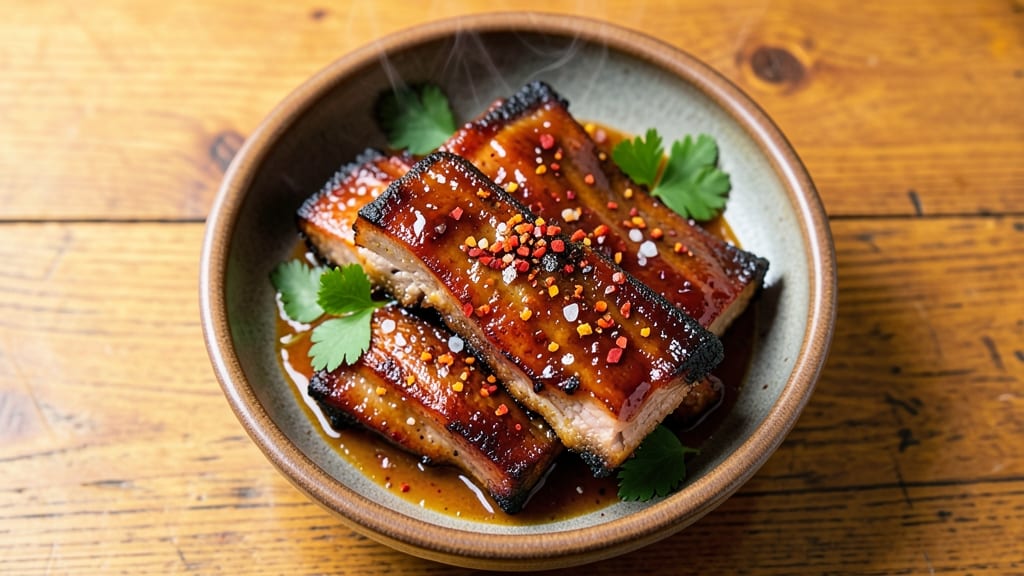
A barbeque boneless pork ribs recipe transforms into melt-in-your-mouth perfection with this 3-hour method—no smoker required. After years of perfecting this technique in my Atlanta kitchen, I've cracked the code for tender, saucy ribs that rival competition-level results. The secret lies in a low-and-slow cook that breaks down connective tissue without drying out the meat.
What sets this recipe apart is the dry rub technique—a blend of brown sugar, paprika, and black pepper that creates a flavorful crust while keeping the meat moist. I use a 325°F oven for consistent heat, which means no temperature swings or guesswork.
This method works equally well on a grill or in a Dutch oven, making it versatile for any cookout.
By the time you're done, you'll have ribs that fall apart at the touch, glistening with a sticky-sweet sauce that clings to every bite. The meat stays juicy and tender, with just enough bark for texture.
This is the kind of dish that turns casual BBQs into memorable gatherings—without requiring a full day of smoking.
Serve with classic sides like coleslaw and cornbread, or pair with roasted potatoes for a hearty meal. The leftovers reheat beautifully too, making this a foolproof recipe for busy weekends. Let's get cooking—your taste buds will thank you.
Ingredients for barbeque boneless pork ribs
Fourteen ingredients, three hours, melt-in-your-mouth perfection—no smoker needed for these ribs.
| Ingredient | Amount | Notes |
|---|---|---|
| Boneless Pork Ribs 🍖 | 3 lb | Thinly cut for even cooking |
| Brown Sugar 🍚 | ½ cup | Light or dark preferred |
| Smoked Paprika 🌶️ | 2 tbsp | For deep smoky flavor |
| Ground Black Pepper 🌶️ | 1 ½ tbsp | Freshly cracked for best flavor |
| Kosher Salt 🧂 | 1 ½ tbsp | Diamond Crystal preferred |
| Garlic Powder 🧄 | 1 tbsp | Freshly ground preferred |
| Onion Powder 🧅 | 1 tbsp | For depth of flavor |
| Apple Cider Vinegar 🍎 | ¼ cup | For tenderizing the meat |
| Olive Oil 🫒 | ¼ cup | Extra-virgin for richness |
| Honey 🍯 | ¼ cup | Wildflower for floral notes |
| Yellow Mustard 🍯 | 2 tbsp | For tangy balance |
| Worcestershire Sauce 🥫 | 1 tbsp | For umami depth |
| Fresh Rosemary 🌿 | ¼ cup | Chopped, for aromatic touch |
| Fresh Thyme 🌿 | ¼ cup | Chopped, for herbal notes |
The ribs are the star—look for thinly cut boneless pork ribs at your butcher or grocery store's meat counter. Costco or Whole Foods often carry them pre-cut, which saves time. If you're buying a whole packer, ask for the meat trimmed from the bone and cut into strips. The thinner the cut, the faster they'll cook and the more tender they'll be. I always grab extra because these disappear fast at gatherings. For the dry rub, Penzeys or bulk bins at natural food stores have the best quality spices—avoid the dusty stuff that's been sitting on shelves for months.
No smoked paprika? Regular paprika plus a pinch of liquid smoke works in a pinch. Short on honey? Maple syrup gives a similar sweetness, though it has a different flavor profile. The apple cider vinegar is key for tenderizing—don't skip it, even if you're short on time. For the sauce, Dijon mustard can replace yellow mustard if that's what you've got. Fresh herbs are ideal, but dried rosemary and thyme at one-third the amount will do in a bind. The Worcestershire sauce adds that deep umami punch—if you're vegetarian, vegan Worcestershire works just as well. And trust me on the olive oil—extra-virgin is worth the splurge for that rich flavor.
These ribs reheat beautifully—just wrap them in foil and warm in the oven at 300°F for 15 minutes. They keep for 3-4 days in the fridge, though they're usually gone by then. For leftovers, I like to shred them and serve on buns with extra sauce. The dry rub keeps well in an airtight container for up to 3 months, so make a double batch. Freeze the ribs raw in a vacuum-sealed bag for up to 6 months—just thaw overnight in the fridge before cooking. The sauce can be made ahead and stored in the fridge for 1 week, or frozen for 3 months.
Why You'll Love This Recipe
- No-Fuss Prep: The ribs take zero trimming or tying—just pat them dry, slap on the rub (salt, smoked paprika, pepper), and toss in the oven. Honestly, I’ve made this while scrolling through my phone. The brown sugar caramelizes into a sticky glaze without any fussing, and the boneless cut means no bone-picking later.
- Smoky-Sweet Magic: That smoked paprika and brown sugar combo? It’s like a hug in bite form—tender, slightly crisp edges, and a glaze that’s almost too pretty to eat. I’ll be real: my kids now ask for these over pizza, and my partner snags the leftovers for lunch. (Yes, even on a Tuesday night.)
- Game for Any Meal: These ribs disappear at game days, potlucks, or as a lazy Sunday dinner. Double the batch, freeze half, and you’ve got a backup for when you’re too tired to cook. Between us, I’ve served them cold in wraps after a long day—still delicious, still crave-worthy.
- Budget-Friendly Feast: Boneless pork ribs stretch further than you’d think, and this recipe costs me half what takeout does. The rub ingredients are pantry staples, and the leftovers reheat like a dream. I’ve fed six people for under $15 with this—no guilt, all flavor.
Step-by-step instructions for fall-off-the-bone pork ribs
Here's how to transform tough pork ribs into melt-in-your-mouth perfection using just your oven.
Prepare the Dry Rub for Maximum Flavor
In a medium bowl, combine the 0.5 cup brown sugar, 2 tablespoons smoked paprika, 1.5 tablespoons ground black pepper, 1.5 tablespoons kosher salt, 1 tablespoon garlic powder, and 1 tablespoon onion powder. Mix thoroughly with your hands or a whisk until all the spices are evenly distributed and the sugar crystals are broken down.
This dry rub is the flavor foundation for your ribs. The brown sugar helps create that beautiful caramelized bark while the smoked paprika and black pepper add depth. I like to press the rub firmly into the meat—this ensures it sticks and infuses properly during cooking. Let the rub sit at room temperature while you prep the ribs.
Marinate the Ribs for Tenderizing and Flavor
In a separate large bowl, whisk together the 0.25 cup apple cider vinegar, 0.25 cup olive oil, 0.25 cup honey, 2 tablespoons yellow mustard, and 1 tablespoon Worcestershire sauce. Add the 0.25 cup chopped fresh rosemary and 0.25 cup chopped fresh thyme, then mix well to combine.
The apple cider vinegar works as a natural tenderizer, breaking down the meat fibers while adding brightness. The honey and mustard create a sticky glaze that helps the rub adhere and promotes caramelization. Let this marinade sit for 5 minutes to allow the flavors to meld before using—this ensures everything is well incorporated.
Coat and Rest the Ribs Before Cooking
Pat the 3 lb boneless pork ribs dry with paper towels—this is crucial for crispy bark. Apply the dry rub all over the ribs, pressing it into the meat so it adheres well. Then, pour the marinade over the ribs and toss gently to coat evenly. Place them on a wire rack set over a baking sheet.
Let the ribs rest uncovered in the refrigerator for at least 1 hour, or up to 4 hours for maximum flavor penetration. This resting period allows the marinade to work its magic and the rub to develop a crust. Don't skip this step—it makes all the difference in tenderness and flavor.
Bake Low and Slow for Perfect Tenderness
Preheat your oven to 275°F. Place the wire rack with ribs on the middle rack and bake for 2 hours. After 2 hours, increase the temperature to 325°F and continue baking for another 30-45 minutes until the internal temperature reaches 195-200°F and the ribs pull apart easily with a fork.
The low-and-slow method is key here—it allows the collagen in the meat to break down gradually, resulting in that signature fall-off-the-bone tenderness. I check the temperature using an instant-read thermometer inserted into the thickest part of the meat. The ribs should be fork-tender but not falling apart completely.
Rest and Serve with Glazed Perfection
Remove the ribs from the oven and let them rest on the baking sheet for 10-15 minutes before serving. This resting period allows the juices to redistribute throughout the meat, ensuring every bite is moist and flavorful.
For extra shine and flavor, you can brush the ribs with a mixture of 2 tablespoons honey and 1 tablespoon apple cider vinegar before serving. The result should be ribs with a beautiful caramelized crust, tender meat that practically melts in your mouth, and a perfect balance of smoky, sweet, and tangy flavors. Serve with your favorite sides and enjoy!
Pro Tips For Making Barbeque Boneless Pork Ribs
- SEAR FIRST, SMOKE LATER: I learned this the hard way—don’t skip the initial sear. Hit those boneless pork ribs with a screaming-hot pan (no oil needed, the natural fats will render) for 2-3 minutes per side until deep brown. This locks in moisture and builds flavor before the slow cook or smoke hits, so your ribs don’t dry out when they hit the sauce or dry rub later.
- SALT THE MEAT 24 HOURS EARLY: Sounds weird, but it works: Generously coat your ribs with kosher salt (about 1 teaspoon per pound) and let them sit uncovered in the fridge overnight. The salt breaks down proteins, making them tender, and the surface gets that perfect crust when you cook. I know, I know—you’re impatient—but trust the process.
- WATCH THE BROWN SUGAR BURN: Smoked paprika and brown sugar are a killer combo, but that sugar will turn to ash if you’re not careful. When you’re glazing the ribs toward the end, keep the heat at medium-low and baste frequently. A quick spray of water (yes, even on the grill) can help caramelize without burning—just wipe it off immediately.
- REST THE RIBS UNDER FOIL: After cooking, resist the urge to slice immediately. Tent them loosely with foil and let them sit for 5-10 minutes. This keeps the juices from spilling out when you cut, so every bite stays moist. I used to skip this, and the ribs always ended up dry—now I make it a habit.
Flavor customization for these flavors
Spicy Carolina Heat
For a Carolina-style kick, add 1 tablespoon cayenne pepper and 1 tablespoon crushed red pepper flakes to the dry rub. I also like to include 1 teaspoon of cayenne in the marinade for extra heat.
Serve with a side of pickled jalapeños for that true Eastern Carolina BBQ experience. This version is perfect for those who love their ribs with a fiery edge. 🌶️
Sweet and Tangy BBQ Glaze
Swap the honey for a homemade BBQ sauce by combining ½ cup ketchup, ¼ cup apple cider vinegar, 2 tablespoons brown sugar, 1 tablespoon molasses, 1 teaspoon smoked paprika, and ½ teaspoon garlic powder.
Simmer for 10 minutes and brush it on the ribs during the last 30 minutes of cooking. This creates a glossy, tangy crust that balances the smokiness beautifully. 🍯
Herb-Infused Mediterranean Twist
Replace the rosemary and thyme with 1 tablespoon dried oregano, 1 tablespoon dried basil, and ½ teaspoon ground fennel seed for a Mediterranean-inspired flavor. Add 1 minced garlic clove and 1 teaspoon lemon zest to the marinade.
This version pairs wonderfully with roasted Mediterranean vegetables and a white wine reduction for dipping. 🌿
Smoky Coffee Rub
For a bold, deep flavor, mix 2 tablespoons instant coffee powder into the dry rub. The coffee enhances the smokiness and adds a rich, earthy note. I also like to add ½ teaspoon cinnamon for warmth.
This rub works exceptionally well with a dark beer glaze made from ½ cup stout beer reduced by half. It’s a crowd-pleaser for those who love intense, complex flavors. ☕
Citrus and Chili Zing
Brighten up the ribs with zest from 1 orange and 1 lime added to the marinade, along with 1 tablespoon chili powder in the dry rub. The citrus cuts through the richness while the chili adds a fresh, spicy kick.
Serve with a mango salsa for a tropical BBQ fusion that’s perfect for summer gatherings. 🍊
Garlic and White Wine Marinade
Infuse the marinade with ¼ cup white wine and 3 minced garlic cloves for a sophisticated twist. Add 1 tablespoon Dijon mustard and 1 teaspoon dried tarragon for an elegant, herby flavor.
This version pairs beautifully with creamy mashed potatoes and a buttery dinner roll. It’s ideal for a more refined BBQ experience. 🍷
Nutrition facts
Frequently asked questions about BBQ boneless pork ribs
Can I cook these ribs on a grill instead of the oven?
The grill works perfectly! Set your grill to 250°F for indirect heat, place the ribs on the cooler side, and cover with the lid. Cook for 2-2.5 hours, then increase heat to medium-high for 10-15 minutes to caramelize. Use a meat thermometer to check for 195-200°F internal temp. The key is maintaining consistent heat—just like the oven method.
Why do my ribs turn out tough instead of tender?
Most likely, you didn't cook them low and slow long enough. These ribs need 2.5-3 hours at 275-325°F to break down collagen. Also, check your thermometer—195°F is the magic number for fork-tender meat. If you rush it, the meat won't have time to transform from tough to melt-in-your-mouth.
Can I use regular pork chops instead of boneless ribs?
While you can try it, pork chops won't give the same results. Boneless ribs have more connective tissue that breaks down beautifully with the slow cooking. For chops, reduce cooking time to 1.5-2 hours at 325°F and aim for 160°F internal temp. The marinade and rub will still work, but the texture will be different—more like roasted pork than classic BBQ ribs.
How do I store leftovers to keep them moist?
Wrap ribs tightly in aluminum foil or place in an airtight container, then refrigerate for up to 4 days. For reheating, warm in a 300°F oven for 15 minutes or until heated through. The foil traps moisture—don't microwave unless you want dry ribs! For longer storage, freeze for up to 3 months in a vacuum-sealed bag. Thaw overnight in the fridge before reheating.
What's the best way to serve these ribs?
Slice against the grain for maximum tenderness, then serve on a platter with extra sauce for dipping. For a complete meal, pair with classic sides like creamy coleslaw, cornbread, or roasted sweet potatoes. The ribs also make great sandwiches—pile them high on buns with pickles and extra sauce. For a more upscale presentation, arrange on a bed of fresh greens with a citrus vinaigrette.