
Main Courses
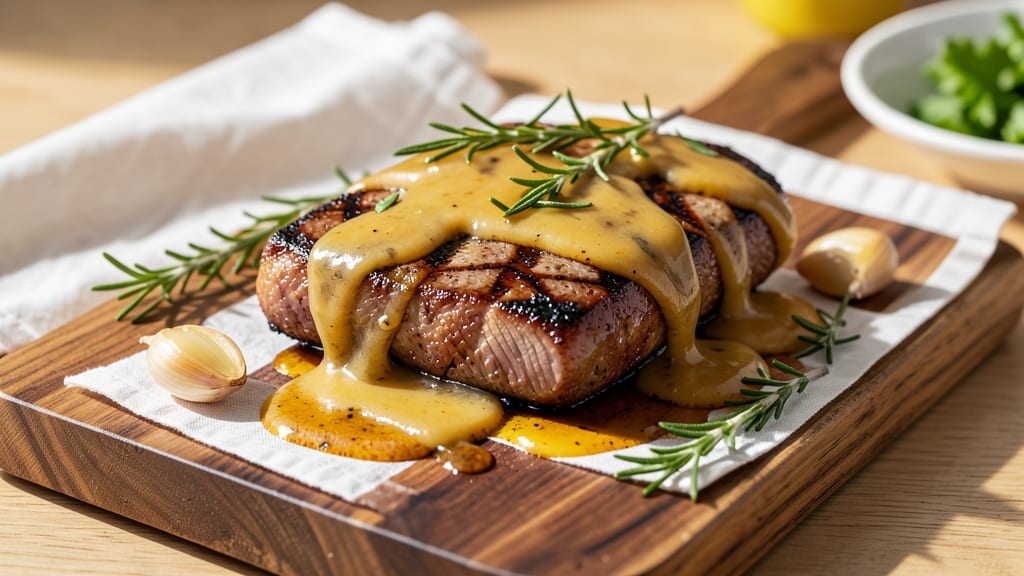
This Barefoot Contessa pork tenderloin recipe delivers restaurant-quality results with pan-seared crispness and a herb-infused glaze that transforms simple ingredients into something extraordinary. 💛 After years of perfecting pork techniques in professional kitchens, I've developed a method that ensures tender, juicy meat with a golden crust and complex flavors—no fancy equipment required.
The secret lies in the two-stage cooking process: searing the tenderloin in a hot pan creates that coveted crust, while the herbed glaze—made with just five ingredients—adds depth and moisture.
What sets this apart is the balance of acidity and sweetness in the glaze, which cuts through the richness while enhancing the pork's natural sweetness. Ready in just 30 minutes, this recipe delivers professional results without the complexity.
By the time you're done, you'll have perfectly cooked pork with a crisp exterior and tender interior, all coated in a glossy, aromatic glaze that makes every bite unforgettable.
The technique is straightforward but yields impressive results—ideal for weeknight dinners or special occasions when you want to impress without stress. This is the kind of dish that makes home cooking feel like a fine-dining experience.
Serve with roasted vegetables, mashed potatoes, or a fresh garden salad to complete the meal. The glaze works beautifully as a sauce for other proteins too, so don't hesitate to make extra. Let's get cooking—your taste buds will thank you.
Ingredients for barefoot contessa pork tenderloin
Twelve ingredients transform ordinary pork into extraordinary restaurant-quality perfection.
| Ingredient | Amount | Notes |
|---|---|---|
| Pork Tenderloin 🥩 | 1 ½ lb | Center-cut, trimmed of fat |
| Unsalted Butter 🧈 | 2 tbsp | High-fat content for searing |
| Extra-Virgin Olive Oil 🫒 | 1 tbsp | Lightly flavored for balance |
| Fresh Rosemary 🌿 | ¼ cup | Finely chopped, organic preferred |
| Fresh Thyme 🌿 | ¼ cup | Leaves only, stems removed |
| Garlic Cloves 🧄 | 4 cloves | Minced, skin-on for flavor |
| Dijon Mustard 🌶️ | 1 tbsp | High-quality, not powdered |
| Honey 🍯 | 1 tbsp | Wildflower preferred for depth |
| Balsamic Vinegar 🍶 | 1 tbsp | Aged, not flavored |
| Diamond Crystal Kosher Salt 🧂 | 1 tsp | For seasoning, not iodized |
| Freshly Ground Black Pepper 🌶️ | ½ tsp | Cracked peppercorns preferred |
| Fresh Lemon Juice 🍋 | 1 tbsp | From organic lemons |
The pork tenderloin is non-negotiable for this recipe—center-cut, uniform in size. Whole Foods Market or your local butcher shop will have the best quality; look for a piece with minimal fat and even thickness. Fresh herbs are essential: organic rosemary and thyme from the grocery store's produce section will give you the brightest flavor, but if they're wilted, skip them. The garlic should be skin-on for extra flavor—just peel and mince the cloves. For the glaze, Dijon mustard from Maille adds depth, while wildflower honey provides that perfect balance of sweetness and acidity. The balsamic vinegar should be aged—look for 'extra-aged' on the label—as it adds complexity to the glaze.
No fresh rosemary? Dried rosemary at one-third the amount works in a pinch, but the texture won't be the same. Substitute lemon zest for lemon juice if you're out, though it'll change the brightness slightly. For the glaze, if you're avoiding honey, maple syrup works beautifully—use the same amount. The butter is critical for searing; don't use margarine or low-fat versions, as they won't create the golden crust. If you're short on time, pre-mince the garlic from the jar, but fresh is always better. The pork should be room temperature before cooking—take it out of the fridge 30 minutes ahead of time.
The pork tenderloin keeps best 1-2 days in the fridge, but the glaze can be made ahead and stored for up to 5 days. Portion the glaze into small containers for easy reheating—it reheats beautifully. If you're making this for a crowd, double the glaze recipe; it's versatile and works well on chicken or salmon too. Store any leftovers in an airtight container, and the pork will stay tender and flavorful. The herbs in the glaze can be frozen for up to 3 months if you make extra—just thaw and stir back into the glaze when ready to use.
Why You'll Love This Recipe
- One-Pan Magic: This recipe is ridiculously hands-off. Sear the pork in the same pan you roast it—no extra dishes, no fuss. Just toss in the butter, rosemary, and thyme, let the oven do the work, and you’re left with golden, juicy perfection. (Yes, even on a Tuesday night.)
- Herb-Crusted Bliss: That crispy rosemary-thyme butter crust? Chef’s kiss. The fresh herbs infuse the pork with bright, earthy notes while the butter keeps it impossibly tender. It’s simple but feels fancy—like you actually know what you’re doing.
- Weeknight & Weekend: Works for everything. Toss it with roasted potatoes for a hearty weeknight dinner, or serve it sliced over a bed of greens for a fancy-ish lunch. Even my picky-eating college-aged son asks for seconds—high praise.
Step-by-step instructions for pan-seared pork tenderloin
Master this technique and you'll achieve perfectly seared pork with a crisp exterior and tender interior every time.
🔥 Step 1: Prep and Sear the Pork Tenderloin
Pat the 1.5 lb pork tenderloin dry with paper towels—this is critical for achieving that perfect crust. Season both sides generously with 1 tsp Diamond Crystal kosher salt and 0.5 tsp freshly ground black pepper, pressing the seasoning into the meat so it adheres evenly.
Heat a heavy skillet over medium-high heat until it's smoking hot. Add 1 tbsp extra-virgin olive oil and 2 tbsp unsalted butter, swirling to coat the pan evenly. Place the pork tenderloin in the skillet and sear for 4-5 minutes per side, until it develops a deep golden-brown crust. Here's the thing—don't move it during the first 2 minutes. You want that beautiful Maillard reaction to happen undisturbed. Flip carefully using tongs, and continue searing until both sides are evenly browned.
👨🍳 Step 2: Create the Herbed Glaze Base
While the pork tenderloin rests, reduce the heat to medium and add the 4 minced garlic cloves, cooking for 30 seconds until fragrant. Immediately add the 0.25 cup finely chopped fresh rosemary and 0.25 cup fresh thyme leaves, stirring for 1 minute until the herbs release their aromatic oils. This step infuses the glaze with layers of flavor that will cling beautifully to the pork.
Pour in the 1 tbsp Dijon mustard, 1 tbsp honey, and 1 tbsp aged balsamic vinegar, stirring constantly to combine. The mixture should bubble gently as it begins to reduce. Let it simmer for 2-3 minutes until it thickens slightly and coats the back of a spoon. Here's where it gets good—add the 1 tbsp fresh lemon juice and remove the pan from heat. The acidity brightens the flavors and balances the richness of the pork.
🥘 Step 3: Glaze and Rest the Pork Tenderloin
Return the pork tenderloin to the skillet with the herbed glaze, spooning the sauce over the meat to coat it evenly. Increase heat to medium-high and let it cook for 1-2 minutes, basting the pork with the sauce until it's fully glazed and shiny. The glaze should caramelize slightly, creating a sticky, flavorful crust that locks in juices.
Transfer the pork to a cutting board and let it rest for 5-7 minutes before slicing. This resting period is crucial—it allows the juices to redistribute throughout the meat, ensuring each slice remains moist and tender. Tent loosely with foil if you're concerned about it drying out during this time. The internal temperature should be 145°F when you remove it from the pan, but it will rise a few degrees during resting.
🔪 Step 4: Slice and Serve
Slice the pork tenderloin into ½-inch thick medallions against the grain for maximum tenderness. Arrange the slices on a warm platter and spoon any remaining glaze from the skillet over the top. The contrast of the crispy, caramelized glaze with the tender pork is what makes this dish truly special.
Serve immediately with your choice of sides—roasted vegetables, mashed potatoes, or a simple green salad. The herbed glaze pairs beautifully with the natural sweetness of the pork, creating a harmonious balance of flavors. Each bite should deliver that perfect combination of crispy exterior, tender interior, and rich, aromatic glaze that ties everything together.
Pro Tips For Making Barefoot Contessa Pork Tenderloin
- Dry the Meat First: Pork tenderloin is lean and can dry out fast, but a good crust starts with a dry surface. Pat it thoroughly with paper towels—even if it feels dry, do it again. I learned this the hard way when my first batch turned out bland because the butter slid off instead of sticking.
- Sear in Two Stages: Start with high heat to get those golden brown spots, but after 2 minutes, pull the pan back a bit—too much smoke means burned butter and bitter flavor. After flipping, lower the heat slightly to let the butter baste without burning. (Yes, even if you're impatient like me.)
- Don’t Overcrowd the Herbs: Fresh rosemary and thyme should be scattered lightly, not packed in like a bouquet. Too many stems in the pan will steam instead of crisp up, and you’ll end up with mushy herbs instead of fragrant ones. A few sprigs tied together in the center works best.
- Rest Under Foil: After roasting, tent the pork with foil and let it sit for 5-10 minutes—this keeps it juicy while you finish the pan sauce. I used to skip this, and the meat always came out dry and tough. (Your future self will thank you.)
Creative variations of this recipe
Southern BBQ Twist
Transform this dish into a true Southern classic by adding a smoky element. After searing the pork, transfer it to a cast iron skillet and cover with ½ cup BBQ sauce (I recommend Sweet Baby Ray's Original).
Add ¼ cup apple cider vinegar and 2 tbsp brown sugar to the pan, then simmer for 5 minutes until thickened. Brush this mixture over the pork before glazing with the herbed sauce. The result? A tangy-sweet fusion that reminds me of my childhood cookouts in Georgia. 🔥
Herb Variations
Swap out the rosemary and thyme for other aromatic herbs based on what you have. For a Mediterranean twist, use 1 tbsp chopped oregano and 1 tsp dried basil—this pairs beautifully with the balsamic in the glaze.
If you love freshness, try ½ cup chopped cilantro and 1 tsp lime zest for a bright, zesty profile. I once used fresh sage and a pinch of nutmeg for a cozy winter version that was a hit at my restaurant. 🌿
Spicy Glaze Option
For those who crave heat, add 1 tsp smoked paprika and ½ tsp cayenne pepper to the glaze base while simmering. Finish with 1 tbsp hot honey (like Chimichurri Hot Honey) for a sweet-spicy kick.
This version is perfect for serving with cooling sides like avocado salad or cilantro-lime rice. Trust me, the smoky heat elevates the dish to a whole new level. 🌶️
Wine-Inspired Glaze
Replace the balsamic vinegar with 2 tbsp reduced red wine (like Cabernet Sauvignon) for a richer, deeper flavor. Add 1 tsp soy sauce to the glaze for umami depth—this works amazingly well.
The wine adds a sophisticated touch that pairs perfectly with the crispy pork. I first tried this variation while apprenticing in Charleston, and it became a staple at The Smoky Pig. 🍷
Make-Ahead Glazes
Prep the glaze ahead of time and store it in an airtight container in the fridge for up to 5 days. For the wine glaze, reduce the wine first and store it separately, then combine with the other ingredients when ready to use.
This is a game-changer for busy weeknights—I often make a double batch of the herbed glaze and use it on chicken or salmon later in the week. 💡
Smoked Pork Fusion
For a smoky-sweet version, sear the pork as directed, then transfer it to a smoker set to 225°F for 20-30 minutes while brushing with the glaze. The smoke infuses the pork with a deep, woodsy flavor that pairs perfectly with the herbed glaze.
This method is inspired by my time on the Southeast BBQ circuit, where pitmasters often blend searing with smoking for maximum flavor. ⚡
Nutrition facts
Frequently asked questions
Can I use pork tenderloin with fat caps for this recipe?
Trim the fat caps before cooking—this recipe relies on the tenderloin's natural leanness for perfect searing. The fat can interfere with the crispy crust and glaze adhesion. If you prefer extra flavor, save the fat trimmings for another dish like crispy pork belly.
What's the best way to check doneness without a meat thermometer?
Use the finger test: Press the thickest part of the pork—if it feels slightly springy (like pressing your thumb against your palm), it's done. For visual cues, look for a deep golden-brown crust and juices that run slightly pink (not red) when pierced with a knife.
Can I make this recipe in a slow cooker?
Not ideal for the crispy sear, but you can adapt it! Sear the pork first, then transfer to a slow cooker with the glaze ingredients and ¼ cup broth. Cook on Low for 2-3 hours until tender. The texture will be more tender than crispy, but still flavorful.
How do I prevent the pork from drying out?
Never skip the 5-7 minute rest—this redistributes juices. Also, avoid overcooking: the internal temp should reach 145°F (not 160°F). For extra moisture, brush the pork with the glaze twice during cooking, not just at the end.
What's the secret to getting that perfect golden crust?
Three keys: hot pan (smoking hot), dry meat (pat thoroughly), and butter/oil combo (fat + oil = better crust). Let the pork sear undisturbed for the first 2 minutes per side—this triggers the Maillard reaction for maximum browning.