
Main Courses
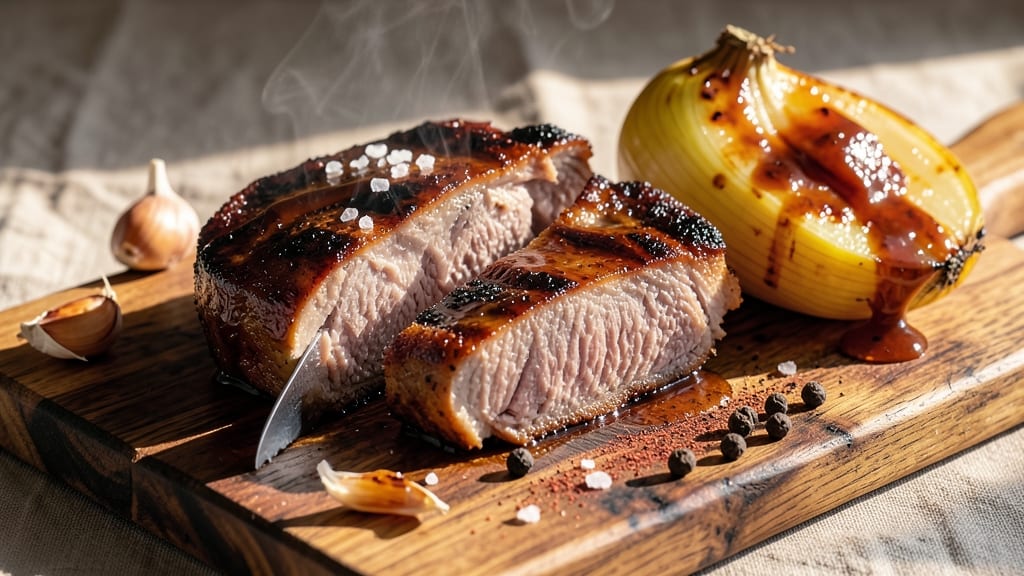
This BBQ pork shoulder steak recipe delivers the perfect marriage of smoky crispy edges and melt-in-your-mouth tenderness that turns every bite into a revelation. 🔥 After years of perfecting the balance between bark and moisture, I've cracked the code for achieving restaurant-quality results at home—no fancy equipment required. The secret lies in a two-stage cooking process that builds deep flavor while preserving that coveted fall-apart texture.
What sets this recipe apart is the combination of a dry rub that forms a flavorful crust and a cooking method that ensures even moisture distribution. We're talking about a foolproof technique that works whether you're using a smoker, grill, or even your oven.
The key is patience—letting the meat work with the heat to develop that signature BBQ texture while maintaining tender, juicy centers that practically dissolve on your tongue.
By the time you're done, you'll have pork shoulder steaks with a crispy exterior that shatters at every bite, giving way to meat so tender it falls apart at the slightest touch.
The aroma alone will have everyone gathering around your table, but the first bite delivers on that promise of smoky, savory perfection that defines great BBQ. This is the kind of dish that transforms ordinary weeknights into memorable feasts.
The beauty of this recipe is its versatility—serve it as a main course with classic sides or turn it into tacos, sandwiches, or loaded nachos. Here's everything you need to create BBQ pork shoulder steaks that will have your guests asking for seconds before they even finish their first plate.
Ingredients for bbq pork shoulder steak
Six pounds of pork shoulder steak plus a dry rub that locks in smoky flavor and crispy perfection.
| Ingredient | Amount | Notes |
|---|---|---|
| Pork Shoulder Steak 🥩 | 4 lb | Bone-in for flavor, 1.5-inch thick slices |
| Yellow Onion 🧅 | 1 whole | Large, sliced into rings |
| Garlic Cloves 🧄 | 8 cloves | Fresh, peeled and minced |
| Brown Sugar 🍚 | ½ cup | Light or dark variety |
| Smoked Paprika 🌶️ | 2 tbsp | For deep smoky flavor |
| Ground Black Pepper 🌶️ | 1 ½ tbsp | Freshly ground preferred |
| Kosher Salt 🧂 | 1 ½ tbsp | Diamond Crystal preferred |
| Granulated Garlic 🧄 | 1 tbsp | For extra punch |
| Onion Powder 🧅 | 1 tbsp | Enhances savory depth |
| Apple Cider Vinegar 🍎 | ¼ cup | For tangy balance |
| Honey 🍯 | ¼ cup | Wildflower preferred |
| Yellow Mustard 🥬 | 2 tbsp | For moisture and tang |
| Vegetable Oil 🫒 | 2 tbsp | For searing |
| Black Coffee ☕ | ½ cup | Cold brew for depth |
The pork shoulder is the star—look for cuts with good marbling and a thick, even slice. Costco or local butchers often have the best quality, but the grocery store meat department works too. Bone-in pieces add flavor, and 1.5-inch thickness ensures even cooking. If you can't find bone-in, go bone-less but don't skip the extra 10 minutes of searing to build that crust. Smoked paprika is non-negotiable here—Penzeys or the bulk bins at Whole Foods have the best quality. The brown sugar should be light unless you want a deeper caramelized crust, but either works.
No smoked paprika? Regular paprika plus a pinch of liquid smoke gets you close. Short on honey? Maple syrup works 1:1. The apple cider vinegar can be swapped for white vinegar, but you'll lose some depth. For the dry rub, toast the spices in a dry pan for 1 minute before mixing—wakes up the flavors. If you're making this ahead, prep the rub and store it in an airtight container for up to 2 weeks. The coffee adds a subtle depth that pairs perfectly with the smoky rub, but if you're not a coffee drinker, skip it—it's not essential.
The pork steaks keep best in the fridge for 2 days before cooking, but you can freeze them for up to 3 months. Once cooked, they reheat beautifully—wrap tightly in foil and bake at 300°F for 15 minutes. For leftovers, slice against the grain and serve on buns, in tacos, or with roasted potatoes. The dry rub also makes an amazing seasoning for chicken or ribs—just halve the quantities and use it as a coating.
Why You'll Love This Recipe
- One-Pan Magic: I swear by this for nights when I’d rather not wash a million dishes. Slice the pork, toss it with onions and garlic, and let the smoky paprika do its thing—no flipping, no fuss, just melty, caramelized perfection on one sheet.
- Sweet-Smoky Bomb: That brown sugar and smoked paprika combo? It’s like a hug for your taste buds. The pork gets sticky-sweet on the outside with a tender pull that begs for another bite—my kids actually finish their plates with this one.
- Leftovers That Shine: Make a double batch and thank me later. The flavor only gets better the next day—slice it thin for tacos, toss it in sandwiches, or reheat it in a skillet for breakfast. It’s the ultimate lazy meal lifesaver.
- Budget-Friendly Feast: Pork shoulder is my wallet’s best friend—cheap, hearty, and never lets me down. A single cut feeds four, stretches into lunches, and still tastes like you slaved over it. Honestly, this recipe makes me feel fancy without the price tag.
Step-by-step instructions for smoky crispy pork shoulder steak
Here's how to transform tough pork into melt-in-your-mouth perfection with that perfect smoky crust.
👨🍳 Step 1: Prepare the Dry Rub and Marinate
In a medium bowl, combine the 0.5 cup brown sugar, 2 tbsp smoked paprika, 1.5 tbsp ground black pepper, 1.5 tbsp kosher salt, 1 tbsp granulated garlic, and 1 tbsp onion powder. Mix thoroughly with your hands until you get a fine, even powder—this is your flavor bomb. Pat the 4 lb pork shoulder steak completely dry with paper towels (moisture is the enemy of crispy skin), then rub this mixture all over the meat, pressing it into every nook. Here's the thing—don't be shy with the rub. You want a thick, flavorful crust that'll stick to the meat like glue.
Place the rubbed pork in a large resealable bag and let it marinate in the refrigerator for at least 4 hours (overnight is even better). The longer it sits, the deeper the flavor penetration. While it marinates, slice the 1 whole yellow onion into rings and mince the 8 cloves garlic—you'll need these for the glaze later. The onion rings will caramelize beautifully during cooking, adding sweetness that balances the smoky flavors.
🔥 Step 2: Sear the Pork for Maximum Flavor
Heat 2 tbsp vegetable oil in a large cast-iron skillet over medium-high heat until it shimmers. Add the pork shoulder steak and sear for 4-5 minutes per side until it develops a deep golden-brown crust. You're not cooking it through here—just creating that foundational flavor and texture. Press down gently on the pork during the first minute to prevent curling, which ensures even contact with the hot pan. The crust you build now will become the crispy exterior we're after.
Transfer the seared pork to a plate and let it rest for 5 minutes while you prepare the glaze. This resting period keeps the juices from spilling out when you slice later. While it rests, whisk together 0.25 cup apple cider vinegar, 0.25 cup honey, 2 tbsp yellow mustard, and 0.5 cup black coffee in a small saucepan. The coffee adds depth that cuts through the sweetness—trust me, it works. Bring this mixture to a gentle simmer over medium heat for 3-4 minutes until it thickens slightly and becomes syrupy.
🍳 Step 3: Glaze and Caramelize for Perfect Texture
Return the pork to the skillet (no need to clean it—the browned bits are flavor gold) and pour the glaze mixture evenly over the top. Spoon it around to coat all sides. Now here's where the magic happens: reduce the heat to medium-low and let the pork cook uncovered for 20-25 minutes, spooning the glaze over it every 5 minutes. You're looking for two things—first, the glaze should caramelize and form a sticky, glossy coating, and second, the onion rings should become deep golden brown and slightly crispy around the edges. This dual process creates that perfect balance of textures we're after.
As the glaze reduces, you'll notice the pork releasing juices that bubble up. This is normal and actually helps create a self-basting effect. The pork is ready when it reaches an internal temperature of 195-200°F at its thickest part. You'll know it's done because a meat thermometer inserted into the center should slide in like butter, and the juices should run clear. The exterior should have a glossy, caramelized crust that's crispy when you press it gently with tongs.
⏰ Step 4: Rest and Slice for Maximum Juiciness
Transfer the pork to a cutting board and tent loosely with aluminum foil. Let it rest for 15-20 minutes before slicing. This resting period is CRITICAL—it allows the juices to redistribute throughout the meat instead of pooling in the center. Don't skip this step (I learned the hard way), or you'll end up with dry, sad slices. While it rests, preheat your oven to 200°F—this warm environment helps keep everything juicy during the final step.
Slice the pork against the grain into ½-inch thick slices. The grain runs lengthwise through the meat, so cutting perpendicular to these lines gives you tender, bite-sized pieces that melt in your mouth. Arrange the slices on a baking sheet and place them in the preheated oven for 5-10 minutes to keep them warm while you serve. The residual heat will help maintain that perfect balance between crispy exterior and tender interior.
Pro Tips For Making Bbq Pork Shoulder Steak
- Sear the Shoulder First: Hit that pork shoulder with a screaming-hot pan—no skimp here. A 3-4 minute sear on each side before slow cooking locks in flavor and gives you that caramelized crust you’ll actually notice when you slice it. (Yes, even if you’re impatient like me.)
- Char the Onions: Don’t just dice those yellow onions—let them sit in the pan until they’re deep golden, almost jammy. The sugar in the onions will caramelize and mingle with the smoked paprika, adding a sweet depth that dry-sautéed onions miss. (This isn’t the prettiest method, but it’s the tastiest.)
- Skip the Wet Brine: I used to soak the pork shoulder in a marinade or water, but it’s unnecessary and makes the meat soggy. Instead, pat it dry, then rub it with salt, garlic, and smoked paprika right before cooking. The crust will form better, and the meat stays juicier. (Your future self will thank you.)
- Finish with Brown Sugar: Sprinkle that brown sugar after the pork shoulder is mostly cooked, not at the start. The heat will turn it into a sticky, glossy glaze that clings to the meat instead of burning into a bitter crust. (Sounds weird, but it works—trust the process.)
Common mistakes when making your bbq pork shoulder steak
Skipping the Rest
I can't stress this enough—never skip the rest after cooking your pork shoulder steak. That 15-20 minute rest is when the juices redistribute from the center to the edges, ensuring every bite is moist and flavorful.
I've ruined more pork than I'd like to admit by slicing too soon, and the result? Dry, sad meat that falls apart at the wrong time. The first time I forgot, I ended up with slices that crumbled like overcooked chicken—total disaster. 💔
Uneven Slicing
Always slice against the grain, not with it. The grain in pork shoulder runs lengthwise, so cutting perpendicular gives you tender, bite-sized pieces. If you slice with the grain, you'll end up with tough, chewy bites that defeat the whole purpose of slow cooking.
I learned this the hard way when I was in a hurry and sliced carelessly—my guests could taste the difference immediately. Use a sharp knife and take your time to cut cleanly through the meat. 🔪
Overcrowding the Pan
When searing the pork, never overcrowd the pan. If you pile too much meat in there at once, the temperature will drop, and you'll end up with greasy, undercooked pork instead of that beautiful golden-brown crust.
I once tried to sear four steaks at once in a small skillet, and the result was a sad, uneven cook. Work in batches if needed—patience here pays off with perfect texture. 🍳
Ignoring Internal Temp
Using a meat thermometer is non-negotiable. Pork shoulder steak should reach an internal temperature of 195-200°F for that perfect pull-apart tenderness. Without one, you're guessing, and that's how you end up with meat that's either raw in the center or overcooked and dry.
I keep a ThermoWorks Smoke thermometer on hand at all times—it's worth every penny for foolproof results. 🌡️
Skimp on the Rub
Don't be shy with the dry rub—this is what creates that flavorful crust that makes your pork stand out. I've seen people use half the amount, and it shows in the final dish. The rub needs to stick to the meat like glue to develop that deep, smoky flavor.
Mix it thoroughly and press it into every nook of the pork. Trust me, the extra effort is worth it when you take that first bite. 🌶️
Rushing the Glaze
When glazing the pork, don't rush the process. The glaze needs time to caramelize and form a sticky, glossy coating that locks in moisture and adds sweetness. If you rush it, you'll end up with a thin, watery glaze that doesn't enhance the flavor.
Spoon the glaze over the pork every 5 minutes and let it reduce naturally—this is where the magic happens. 🍯
Nutrition facts
Frequently asked questions
Can I use pork shoulder instead of pork shoulder steak?
Yes! While this recipe calls for pork shoulder steak (thick-cut slices), you can absolutely use a whole pork shoulder butt (also called pork butt) by slow-cooking it until tender (203°F internal temp) and then slicing it. For the steak version, look for 1.5-inch thick slices with bone-in for best flavor. If you use bone-in steaks, just add 10-15 minutes to your cooking time to account for the bone's heat retention.
How long can I marinate the pork before cooking? You can marinate the pork for up to 24 hours in the refrigerator for maximum flavor penetration. The longer it marinates, the deeper the rub's flavors will become. Just
Can I make this recipe without a smoker or grill?
This recipe works perfectly in your oven. After searing, transfer the pork to a baking dish, pour the glaze over it, and bake at 300°F for 45-60 minutes, spooning glaze every 15 minutes. For extra crispiness, broil for 2-3 minutes at the end. The oven method is especially great for beginners—just use a meat thermometer to hit 195-200°F internal temp.
What's the best way to reheat leftover pork shoulder steak?
Wrap slices tightly in foil and reheat at 300°F for 15-20 minutes until warmed through. For sandwiches or tacos, warm in a skillet over medium heat for 2-3 minutes per side to restore crispiness. Never microwave—it turns the meat rubbery. The oven method keeps the texture perfect while maintaining that smoky flavor.
Can I substitute any of the glaze ingredients?
Yes! Swap honey for maple syrup (1:1 ratio), apple cider vinegar for white vinegar, or skip the coffee if you dislike it—it's not essential. For extra heat, add ½ tsp cayenne to the glaze. The key is balancing sweetness and acidity. If you're making this for kids, reduce the vinegar to 1 tbsp and add 1 tbsp extra honey for a milder flavor.