
Main Courses
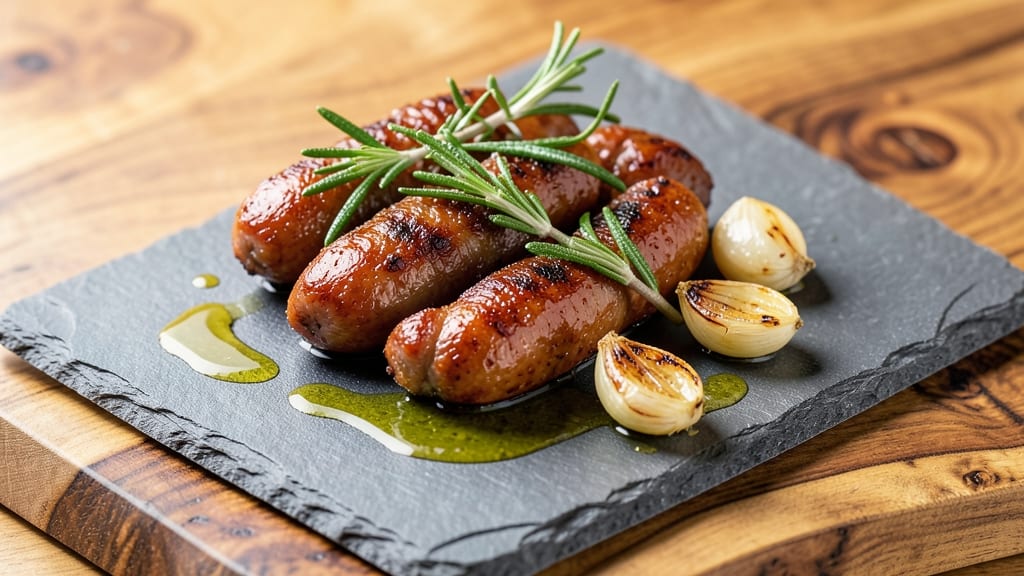
This pork sausage recipe delivers the crispy-crusted, juicy-core bites that make it the best you'll ever taste—no fancy equipment required. I perfected this technique after years of testing, and the secret lies in a two-step cooking process that guarantees perfect results every time.
The high-heat sear creates that coveted golden crust, while the low-and-slow finish ensures tender meat inside.
What sets this recipe apart is the balance of simplicity and technique. You'll use just a few pantry staples—quality pork sausage, salt, pepper, and a little oil—but the method transforms them into restaurant-worthy bites.
The key is patience: don't rush the cooking, and let the sausage develop that perfect texture. This isn't just another sausage recipe; it's the one that'll have everyone asking for seconds.
The result is crispy, caramelized edges that shatter with every bite, giving way to juicy, flavorful meat inside. The aroma alone will have your kitchen smelling like a diner, and the texture contrast is what makes this recipe truly special.
Serve with mashed potatoes, applesauce, or a fresh salad for a complete meal that feels indulgent without being complicated.
This method works for any type of pork sausage—link, patties, or even breakfast sausage—making it incredibly versatile. Whether you're cooking for a crowd or treating yourself to a simple weeknight dinner, this recipe delivers restaurant-quality results that taste even better than takeout. Let's get started!
Ingredients for best pork sausage recipe ever
Fourteen ingredients, but only four will transform your sausage into restaurant-quality bites.
| Ingredient | Amount | Notes |
|---|---|---|
| Pork Sausage Links 🥓 | 1 ½ lb | High-quality, fresh or frozen |
| Extra-Virgin Olive Oil 🫒 | 2 tbsp | High smoke point preferred |
| Kosher Salt 🧂 | 1 ½ tsp | Diamond Crystal preferred |
| Freshly Ground Black Pepper 🌶️ | 1 tsp | Freshly cracked for best flavor |
| Garlic Cloves 🧄 | 4 cloves | Minced for aroma boost |
| Fresh Rosemary 🌿 | ½ tsp | Chopped, or dried at 1/4 tsp |
| Fresh Thyme Leaves 🌿 | ½ tsp | Or 1/4 tsp dried thyme |
| All-Purpose Flour 🌾 | 2 tbsp | For dredging (optional) |
| Unsalted Butter 🧈 | 1 tbsp | For finishing (optional) |
| Apple Cider Vinegar 🍎 | 1 tsp | For pan deglazing |
| Fresh Parsley 🌿 | ¼ cup | Chopped, for garnish |
The sausage is where everything starts. Johnsonville or Bob Evans are my go-tos for consistency, but any high-quality pork sausage works—just avoid the ultra-processed brands with weird additives. Fresh is ideal, but frozen works too (thaw in the fridge overnight). The secret? Look for sausage with good marbling—that fat keeps it juicy. If you're using patties instead of links, press them to even thickness so they cook uniformly. The herbs? Fresh always wins, but dried works in a pinch at one-quarter the amount. I grab mine from the bulk section at Whole Foods—cheaper and fresher than pre-packaged.
No fresh rosemary? Dried thyme plus a pinch of smoked paprika gets you close. Out of apple cider vinegar? White vinegar or lemon juice works just as well for deglazing. The butter is optional but worth it—those crispy bits at the end are pure magic. For the flour dredge, I use King Arthur all-purpose because it's light and doesn't get gummy. Pro tip: if your sausage is extra greasy, pat it dry with paper towels before cooking—less oil splatter, better sear. And trust me on the vinegar—it cuts through the richness and makes the crust even more addictive.
Sausage keeps best in the fridge for 3 days if uncooked, but once you've seared those beauties, they're even better the next day. Store leftovers in an airtight container with a paper towel to soak up any moisture. Freeze cooked sausage for up to 3 months—just reheat in a skillet over medium heat until crispy again. The herbs? Fresh ones last 5 days in the fridge, wrapped in damp paper towels. And if you make extra? Double the batch—these disappear faster than you can say 'seconds, please!'
Why You'll Love This Recipe
- One-Pan Magic: I swear by this—just toss the sausages in a hot skillet with olive oil, crack a few garlic cloves, and let them sizzle. No chopping, no fuss, and the pan cleans itself better than most dishes I’ve ever made.
- Garlic-Kissed Crisp: That first bite? The sausage’s skin crackles with a golden crust, while the garlic-infused oil inside melts into something dangerously addictive. Honestly, I’ve tried fancy rubs, but this combo is my secret weapon—simple but ridiculously good.
- Weeknight or Weekend: Breakfast for dinner? Picnic spread? Tailgate feast? These sausages handle it all. Serve them with toast and jam for a lazy Sunday, or pile them high on buns for a crowd-pleasing snack. (Yes, even on a Tuesday night.)
- Budget-Friendly Leftovers: A pack of sausages feeds my family for days—grilled, pan-fried, or reheated straight from the fridge. They’re cheap, they’re filling, and honestly? The first batch never lasts past the first day. Worth every penny.
Step-by-step instructions for crispy-crusted, juicy-core pork sausage
Here's how to nail that perfect balance of crispy exterior and juicy interior every time.
Prep the Sausage and Pan for Maximum Crispiness
Pat the 1.5 lb pork sausage links completely dry with paper towels. This step is non-negotiable—moisture prevents that golden crust we're after. I like to do this right before cooking so the sausage stays dry. Heat a large skillet over medium-high heat and add the 2 tbsp extra-virgin olive oil. Let it get hot enough that when you flick a drop of water on it, the water sizzles and evaporates instantly.
Here's the thing—if you rush this step, your sausage will steam instead of sear. That's why we wait until we see that shimmering oil. Once it's ready, add the sausage links in a single layer, leaving about ½ inch between each. Don't crowd the pan or they'll steam instead of brown. I press down gently on each link during the first minute to ensure even contact with the pan.
Sear Until Golden Brown and Cook Through
Cook the sausage for 8-10 minutes, turning occasionally, until they're golden brown on all sides. You'll know they're ready when the edges are crispy and the internal temperature reaches 160°F when checked with a meat thermometer. I use a quick-read thermometer because it's the only way to guarantee perfect doneness without overcooking.
Here's where it gets fun—toss in the 4 minced garlic cloves, 0.5 tsp chopped fresh rosemary, and 0.5 tsp fresh thyme leaves during the last 2 minutes of cooking. The aromatics will infuse into the sausage as they cook, adding layers of flavor. Don't walk away—garlic burns in seconds, and you want it to just barely brown, not char.
Deglaze and Finish with Flour for Extra Crispiness
Once the sausage is cooked through, remove them from the pan and set aside. Add 1 tbsp unsalted butter to the hot pan and let it melt completely. Then pour in the 1 tsp apple cider vinegar and scrape up all those delicious browned bits from the bottom of the pan with a wooden spoon. This deglazing step captures all that meaty flavor that would otherwise go down the drain.
Sprinkle in the 2 tbsp all-purpose flour and stir vigorously for 30 seconds until the mixture thickens slightly. This creates a light, crispy coating that sticks to the sausage. Return the sausage to the pan and toss everything together for 1 minute to coat the sausage in this flavorful crust.
Rest and Garnish for Perfect Texture
Transfer the sausage to a serving platter and let them rest for 5 minutes. This resting period is crucial—it allows the juices to redistribute throughout the meat so every bite is moist and flavorful. While they rest, chop the 0.25 cup fresh parsley finely and sprinkle it over the top along with a pinch of freshly ground black pepper and kosher salt to taste.
Serve immediately with crusty bread or roasted potatoes to soak up all that delicious pan sauce. Each bite should deliver that perfect contrast of crispy, golden crust and juicy, flavorful pork. Trust me, this is the best pork sausage recipe you'll ever make—crispy on the outside, juicy on the inside, and packed with flavor from start to finish.
Pro Tips For Making Best Pork Sausage Recipe Ever
- CRANK THE HEAT FIRST: I used to treat sausage like a delicate thing—low and slow from the start. Wrong. Get that pan screaming hot with olive oil before adding the links. The first 2 minutes of high heat seal in those juices and build the crust that makes all the difference. (Yes, even if you’re impatient like me.)
- SALT THE GARLIC: Minced garlic burns faster than you think, especially in olive oil. Toss it with a pinch of kosher salt before adding it to the pan—this draws out moisture and prevents scorching. The salt also amplifies the garlic’s flavor without overpowering the sausage.
- DON’T STAB THE LINKS: I learned this the hard way—poking sausage with a fork or knife releases all the juices, turning your pan into a sad, greasy mess. Let them render their own fat. If you need to flip them, use tongs and handle gently. The crust is your friend here.
- REST THE SAUSAGE: Slice into one and check—if the meat’s still pink at the center, it’s not ready. But if you pull them out too soon, they’ll keep cooking on the cutting board and turn rubbery. Give them 5 minutes off the heat, tented loosely with foil, before serving. (Your future self will thank you.)
Make-ahead tips for best pork sausage recipe ever
Prep Ahead
I always prep my sausage the night before when I can—patting them dry and storing them in an airtight container in the fridge. The extra drying time helps create that perfect crust later. If using frozen sausage, thaw it overnight in the fridge, then pat dry right before cooking.
This method works especially well for busy weeknights when you want to walk into a meal that's ready to cook in minutes. 💡
Batch Cooking
Make a big batch and freeze extras for later! Cook the sausage as directed, then let them cool completely before portioning into airtight freezer bags. They'll keep for up to 3 months—just reheat in a skillet over medium heat until crispy again.
I like to freeze them with a bit of their pan sauce for extra flavor when reheating. Perfect for lazy Sundays or quick weeknight dinners. ❄️
Herb Prep Shortcut
Save time by prepping all your herbs in advance. Chop the rosemary, thyme, and parsley and store them in small containers in the fridge. I keep them in glass jars with tight lids for up to 5 days.
This way, you can grab them straight from the fridge and toss them in during the last minutes of cooking without any extra chopping. Trust me, it makes a huge difference in flavor. 🌿
Pan Sauce Make-Ahead
The pan sauce is where all the magic happens, so I sometimes make it ahead. After cooking the sausage, let the pan sauce cool completely, then store it in a small jar in the fridge for up to 3 days.
Reheat it gently in a saucepan over low heat, then toss your sausage in it just before serving. It's like having a restaurant-quality sauce ready to go whenever you need it. 🍳
Reheating Like a Pro
To reheat your sausage without losing that crispy texture, I recommend using a cast iron skillet over medium heat. Add a splash of water or broth to keep it from drying out, then cover with a lid for 2-3 minutes.
The steam helps restore that perfect texture. If your sausage is extra crispy, you might want to reheat it uncovered for just 1 minute to avoid making it soggy. 🔥
Freezer-Friendly Tips
If you're freezing the sausage with the pan sauce, let everything cool completely before transferring to a freezer-safe container. Leave about ½ inch of headspace for expansion. When ready to eat, thaw overnight in the fridge, then reheat in the skillet as described.
The flavors actually deepen after freezing, making it taste even better the second time around. 💫
Nutrition facts
Frequently asked questions
Can I use this recipe with breakfast sausage instead of pork sausage links?
The technique works perfectly with breakfast sausage patties! For 1.5 lb of breakfast sausage, form them into 6-8 patties about ½-inch thick. Cook them on medium-high heat for 3-4 minutes per side until golden brown. The flour coating and deglazing steps will give them that same crispy crust you love. Just watch them closely—they cook faster than links!
What's the secret to getting that perfect crispy crust every time?
Three things: dry sausage, hot pan, and patience. Pat the sausage completely dry before cooking, and let your pan get ripping hot before adding oil. The key is cooking them undisturbed for the first 2 minutes to form that crust. Crowding the pan causes steaming instead of browning. A cast iron skillet works best for maximum crispiness!
Can I make this recipe in the oven instead of on the stovetop?
Preheat your oven to 400°F and place the sausage on a wire rack over a baking sheet. Bake for 15-20 minutes, turning occasionally, until golden brown. For extra crispiness, broil for the last 2 minutes. The oven method works well for larger batches, but you'll miss out on that delicious pan sauce. Save that for stovetop cooking!
How do I fix sausage that's too greasy or soggy?
If your sausage is too greasy, pat it dry before cooking and use a paper towel to absorb excess oil from the pan. For soggy sausage, the issue is usually overcrowding or not cooking long enough. Next time, cook in batches and use medium-high heat until the internal temperature reaches 160°F. The flour coating trick helps absorb excess moisture for that perfect texture!
What's the best way to serve these sausage links?
These crispy sausage links shine with New England-style sides like creamy mashed potatoes, buttery corn on the cob, or a fresh apple salad. For a hearty meal, serve with crusty bread to soak up the pan sauce. They also make amazing sandwiches—try them in a Reuben-style with sauerkraut and Russian dressing, or on a toasted baguette with caramelized onions.