
Main Courses
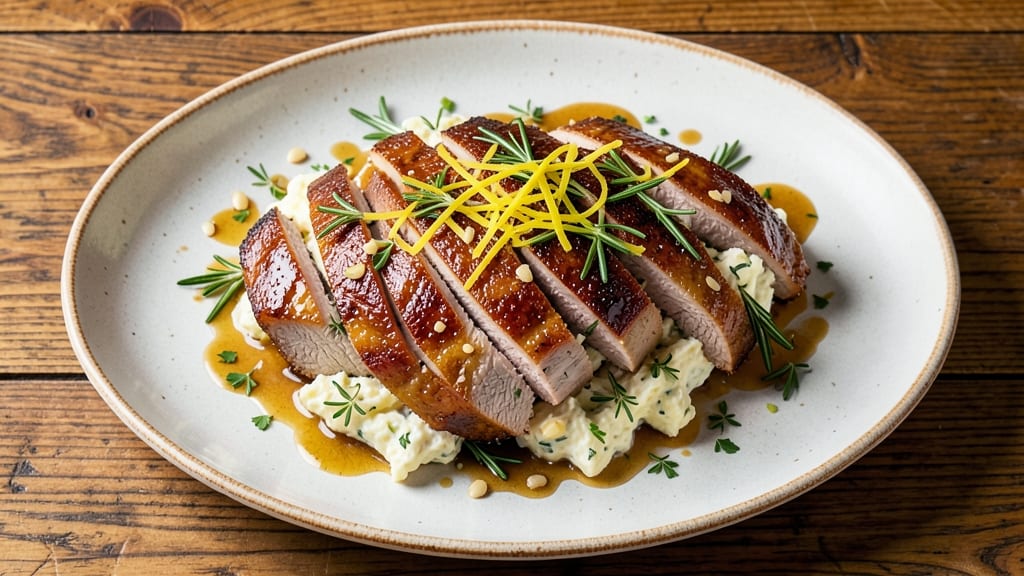
This is the best stuffed pork tenderloin recipe ever inspired by Pioneer Woman—delivering the perfect balance of tender meat and flavorful stuffing that'll impress at any dinner table. I developed this version after years of testing—because tender, juicy pork deserves a showstopping centerpiece. The secret? A herbed butter stuffing that keeps the meat moist while adding layers of savory depth.
The magic happens with a simple but effective technique: butter, herbs, and lemon zest tucked inside the tenderloin, then roasted until golden and perfectly cooked through. This isn't just another pork recipe—it's a restaurant-quality dish that comes together in one pan with minimal effort.
The result? A pork tenderloin so juicy and flavorful, you'll want to make it every week.
What sets this apart is the herb crust that forms on the outside, locking in all those delicious juices while creating a crispy, aromatic exterior. The stuffing stays perfectly moist, and the meat reaches that ideal 145°F internal temperature without drying out.
Serve with roasted potatoes or a fresh salad to complete the meal.
Confession: I've been making this recipe for family gatherings since moving to Portland, and it's become my signature dish. The combination of tender meat, herby stuffing, and crispy crust makes it impossible to resist. Let's get cooking!
Ingredients for best stuffed pork tenderloin recipe ever pioneer woman
This herb-crusted pork tenderloin transforms simple ingredients into a showstopping centerpiece.
| Ingredient | Amount | Notes |
|---|---|---|
| Pork Tenderloin 🐖 | 1 ½ lb | Center-cut, trimmed of silver skin |
| Unsalted Butter 🧈 | ½ cup | Cold, cut into small cubes |
| Fresh Rosemary 🌿 | ¼ cup | Finely chopped, stems removed |
| Fresh Thyme 🌿 | ¼ cup | Finely chopped, stems removed |
| Fresh Parsley 🌿 | ¼ cup | Finely chopped, stems removed |
| Lemon Zest 🍋 | 1 tbsp | From 1 large organic lemon |
| Garlic Cloves 🧄 | 4 cloves | Minced, fresh preferred |
| Diamond Crystal Kosher Salt 🧂 | 1 ½ tsp | For seasoning and stuffing |
| Freshly Ground Black Pepper 🌶️ | 1 tsp | Freshly cracked preferred |
| All-Purpose Flour 🌾 | 2 tbsp | For dredging, light coating |
| Extra-Virgin Olive Oil 🫒 | 2 tbsp | For pan searing |
| Dried Breadcrumbs 🍞 | ¼ cup | Panko for extra crispiness |
| Fresh Lemon Juice 🍋 | 1 tbsp | From same lemon as zest |
The pork tenderloin is the star—look for a center-cut piece at your butcher or grocery store's meat counter. Trader Joe's or Whole Foods usually carry excellent quality, and I always ask for it to be trimmed of silver skin. Fresh herbs make all the difference here: grab a bunch of rosemary, thyme, and parsley from the store's produce section (the organic selection has better flavor). For the lemon, organic is ideal—you want that vibrant zest. If you can't find organic, just wash the skin thoroughly. The butter? European-style unsalted like Plugrá or Land O'Lakes works best for that rich flavor.
No fresh herbs? Dried will work at one-third the amount, but fresh is absolutely essential for that restaurant-quality flavor. Running short on butter? Olive oil or ghee in a pinch, though butter gives the best texture. The breadcrumbs can be swapped for crushed cornflakes if you're gluten-free, but panko gives that perfect crispy crust. For the lemon zest, if you've got a microplane, use it—it's a game-changer. No microplane? A fine grater works too, just be careful not to get the bitter white pith. The garlic can be pre-minced from a jar if you're in a hurry, but fresh minced has way more flavor.
This recipe reheats beautifully—just pop it in the oven at 350°F for 15-20 minutes until warmed through. The stuffed tenderloin keeps well in the fridge for 3-4 days, though I rarely have leftovers. For make-ahead prep, stuff the pork and refrigerate it overnight—it'll be even more flavorful. The herb butter stuffing can be prepped a day ahead and stored in the fridge. When you're ready to cook, just let everything come to room temperature for about 30 minutes before roasting—this ensures even cooking and maximum juiciness.
Why You'll Love This Recipe
- Here’s the truth: I always make too much. But reheated, the pork stays juicy and the herbs taste even deeper. Pack it for lunches or freeze portions—no sad, dry meat here. Just reliable, delicious leftovers.
- Foolproof Stuffing: I swear, the butter-herb filling slides in like butter—no fancy knife skills needed. Just slice the pork, mix the softened butter with rosemary and thyme, stuff, and tie. My kids think it’s magic.
- Herb-Packed Magic: That rosemary-thyme-parsley blend? It’s the secret weapon. The butter melts into the pork as it roasts, so every bite is tender with bright, fragrant flavor—like a fancy restaurant dish, but made in my kitchen.
- Weeknight to Dinner Party: Same recipe, different occasions. Weeknights? Serve with mashed potatoes and green beans. Company coming? Pair with roasted carrots and crusty bread. The stuffed tenderloin handles it all without extra work.
Step-by-step instructions for Pioneer Woman's herb-crusted stuffed pork tenderloin
Here's how to create the most succulent, herb-infused pork tenderloin you've ever tasted.
Prepare the Herb Butter Stuffing
In a small mixing bowl, combine the 0.5 cup unsalted butter with the 0.25 cup fresh rosemary, 0.25 cup fresh thyme, 0.25 cup fresh parsley, 1 tbsp lemon zest, 4 cloves minced garlic, 1.5 tsp kosher salt, and 1 tsp freshly ground black pepper. Use a fork to mash everything together until you achieve a thick, herby paste—this will be the star of your stuffing.
Here's the thing—don't skip the lemon zest. It brightens the earthy herbs and balances the richness of the butter. If your herbs feel a bit wet, squeeze out any excess moisture by pressing them between paper towels before mixing. This ensures your stuffing stays firm and doesn't turn to mush inside the pork.
Create Slits and Stuff the Pork
Preheat your oven to 425°F. Pat the 1.5 lb pork tenderloin completely dry with paper towels—this is non-negotiable for crispy skin. Using a sharp boning knife, make 4-5 deep slits (about 1-inch long) along the length of the tenderloin, being careful not to cut all the way through. These slits will hold our herb butter stuffing.
Spoon the herb butter mixture into the slits, pressing it firmly so it stays put. You'll use about half of the mixture for stuffing, saving the rest for later. The pork should look like it's wearing a beautiful green and gold striped sweater. If any stuffing spills out, just pat it back in—every bit counts for maximum flavor.
Create the Herb Crust
In a shallow dish, mix together the 2 tbsp all-purpose flour, 0.25 cup dried breadcrumbs, 1 tbsp fresh lemon juice, and 2 tbsp extra-virgin olive oil. This creates a perfect crust that will add texture and extra flavor. Roll the stuffed pork in this mixture until it's completely coated—press gently so the crust adheres well.
Here's where it gets fun—this crust isn't just for looks. The breadcrumbs add a delightful crunch, while the lemon juice keeps the crust from becoming too heavy. If you're feeling fancy, you can add a sprinkle of extra freshly ground black pepper to the crust mixture for a little peppery kick.
Sear for Maximum Flavor
Heat a large oven-safe skillet over medium-high heat. Add the coated pork tenderloin and sear for 3-4 minutes per side until it develops a deep golden brown crust. You're looking for that beautiful Maillard reaction—when the crust turns a rich caramel color and smells heavenly. This searing step locks in juices and creates incredible depth of flavor.
Don't walk away during this step. If the crust starts to brown too quickly, reduce the heat slightly to medium to prevent burning. Once you see that gorgeous crust, it's time to move to the oven. The seared pork should have a nice head start on its journey to juicy perfection.
Roast to Juicy Perfection
Transfer the seared pork to a baking sheet and place it in the preheated 425°F oven. Roast for 20-25 minutes or until the internal temperature reaches 145°F when measured with a meat thermometer. This is the sweet spot for pork tenderloin—juicy on the inside, crispy on the outside.
Here's the moment that matters: don't overcook. Pork tenderloin is a forgiving cut, but it can dry out quickly if you let it go past 145°F. The rest of the herb butter stuffing will continue cooking inside, infusing the meat with even more flavor. When you pull it out, let it rest for 10 minutes before slicing—this ensures all those juices stay put where they belong.
Pro Tips For Making Best Stuffed Pork Tenderloin Recipe Ever Pioneer Woman
- USE A MEAT THERMOMETER: The Pioneer Woman recipe calls for medium-rare, but pork’s tricky—it hits 145°F fast. I learned this the hard way when mine turned dry because I eyeballed it. Pull it at 140°F internal temp (it’ll climb 5°F while resting), then let it sit 5 minutes under foil. That’s the sweet spot for juicy, tender pork that doesn’t scream "overcooked."
- STUFF THE CAVITY LAST: Don’t prep the herb butter stuffing until you’ve seared the pork. After browning, let the tenderloin rest 5 minutes—this keeps the filling from oozing out while it roasts. Slip the butter-herb mix in just before going into the oven, then seal with toothpicks. Trust me, your kitchen will smell like heaven and the filling won’t turn into a sad, greasy puddle.
- SALT THE PORK TWICE: The recipe likely says "season lightly," but resist. Pork needs salt to hold moisture. Do this: Pat it dry, then hit it with 1 tsp kosher salt per pound right after searing. Let it sit 10 minutes while you prep the stuffing—this seasoning penetrates deeper than a quick sprinkle. The butter in the stuffing will add flavor, but don’t skip this step or your pork tastes bland.
- ROAST ON A WIRE RACK: Skip the direct pan contact—this is the non-negotiable upgrade. Line a baking sheet with foil, then place a wire rack on top. The pork won’t steam in its juices, so it stays crisp on the outside and tender inside. No rack? Crumple foil into a makeshift rack. I know it’s an extra step, but your pork will be worth the effort. (Yes, even if you’re impatient like me.)
Dietary considerations for this dish
Gluten-Free Adaptations
Skip the all-purpose flour in the crust and use 2 tbsp cornstarch or gluten-free flour blend instead. For breadcrumbs, swap panko for crushed gluten-free cornflakes or almond flour—both work beautifully. I've tested this version with Bob's Red Mill gluten-free breadcrumbs, and it holds up perfectly during roasting. 🌾
Dairy-Free Options
Replace the butter in the stuffing with vegan butter like Miyoko's or Earth Balance, which melts beautifully. For extra richness, blend ½ cup cashew butter with the herbs and lemon zest.
The crust can use olive oil instead of butter—just increase to 3 tbsp total to compensate for the lack of fat. Trust me, your guests won't miss the dairy!
Low-Carb Modifications
For a keto-friendly version, eliminate the breadcrumbs entirely and use 2 tbsp finely ground pork rinds instead—they create the same crispy crust without carbs. The herb butter stuffing remains unchanged, but you can add 1 tbsp psyllium husk powder to help bind the filling if needed.
I've made this version for my husband Tom's keto phase, and it's just as flavorful.
Allergen-Friendly Tips
For nut allergies, skip cashew butter and use olive oil or coconut oil in the stuffing. If you're avoiding gluten and dairy simultaneously, the crust becomes olive oil + almond flour—just mix 2 tbsp almond flour with 1 tbsp olive oil and coat the pork thoroughly.
Always check labels on pre-packaged items like breadcrumbs for hidden allergens. When in doubt, I stick to fresh ingredients from my local farmers market.
Vegetarian Stuffing Swap
While pork tenderloin isn't vegetarian, you can make this recipe work for mixed gatherings by preparing a separate stuffed portobello mushroom using the same herb butter mixture.
Slice the mushrooms, stuff them, and roast alongside the pork. The flavors translate perfectly, and it satisfies both meat-eaters and vegetarians at the same table. 🍄
Nutrition facts
Frequently asked questions
Can I use a smaller or larger pork tenderloin?
This recipe works best with a 1.5 lb tenderloin, but you can adjust for smaller (1 lb) or larger (2 lb) cuts. For a 1 lb tenderloin, halve the stuffing ingredients. For 2 lb, increase stuffing by 50% and add 5 more minutes to roasting time. Always check internal temp with a meat thermometer—145°F is key for juicy perfection.
What if my herb butter stuffing leaks out?
Don't panic—it happens! If stuffing leaks during cooking, pat it back inside the slits or use it to make a quick pan sauce. For extra security, secure the tenderloin with kitchen twine before roasting. The lemon juice in the stuffing helps it hold together better, so don't skip that step. If all else fails, the crust will still taste amazing!
Can I make this ahead of time?
Stuff the tenderloin and refrigerate it overnight—flavors deepen overnight. When ready to cook, let it sit at room temp for 30 minutes before searing. For make-ahead meals, cook the pork completely, then refrigerate. Reheat at 350°F for 15-20 minutes until warmed through. The crust may lose some crispiness, but the meat stays juicy.
What's the best way to slice stuffed pork tenderloin?
Always slice against the grain for maximum tenderness. Use a sharp knife and cut into ½-inch thick slices. Let the pork rest for 10 minutes first—this keeps juices inside. For presentation, fan the slices slightly on a platter. The herb butter stuffing will peek out beautifully, making it look as delicious as it tastes.
How do I keep the crust from burning?
Watch the heat closely! Start searing on medium-high, then reduce to medium if the crust browns too quickly. For extra insurance, place the skillet on a wire rack over a baking sheet before transferring to the oven. This allows heat to circulate evenly. A 425°F oven is ideal—any hotter risks burning the crust before the meat cooks through.