
Main Courses
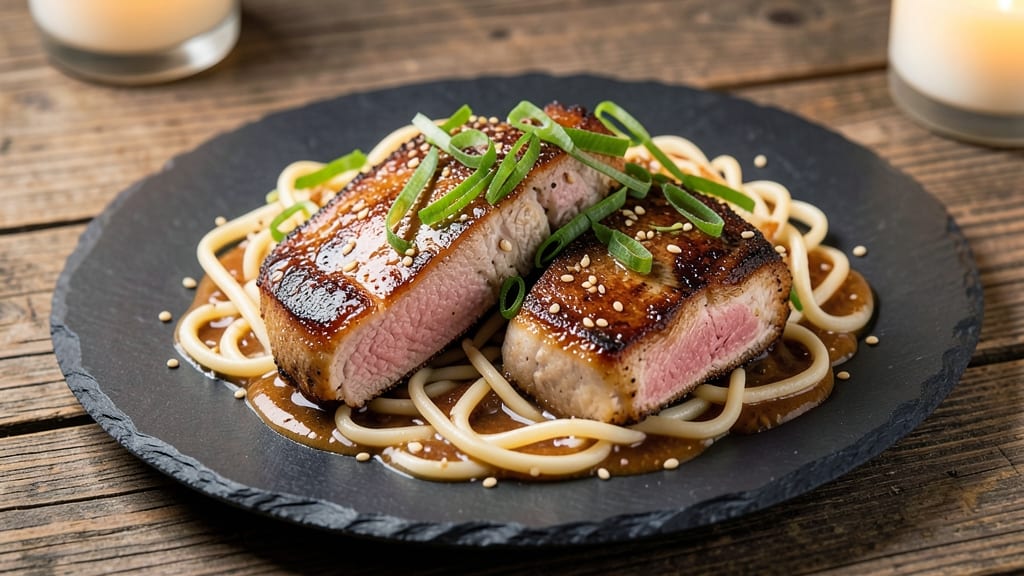
Betty Crocker’s pork chop suey delivers that nostalgic wok-fried magic with tender pork bites and savory noodles—just like the classic you loved as a kid. 🔥 The secret lies in properly searing the pork chops first (never overcooking!) before tossing them with crisp-tender egg noodles and a rich, umami-packed sauce.
I’ve adapted this recipe to keep Betty’s signature gravy consistency while making it approachable for home cooks.
What sets this version apart is the balance of flavors—sweet, tangy, and slightly spicy—achieved through a modern twist on the traditional suey sauce. The pork chops stay juicy thanks to a quick sear in a hot wok, while the noodles absorb just enough sauce to coat them perfectly.
This isn’t your grandmother’s version; it’s a restaurant-quality dish that still feels like comfort food.
By the time you plate it—pork over noodles, garnished with green onions and sesame seeds—you’ll have a dish that’s restaurant-quality but made with simple techniques. The sauce clings to every bite, the pork stays fork-tender, and the noodles hold their texture without turning mushy.
It’s the kind of meal that disappears faster than you can say “second helping.”
Serve it with steamed jasmine rice on the side for soaking up every last bit of sauce, or keep it as-is for a hearty main course. The best part? This recipe scales effortlessly—whether you’re feeding a family or just treating yourself to a weeknight feast.
Ingredients for betty crocker pork chop suey
Pork chops, egg noodles, and a few pantry staples—this nostalgic dish comes together faster than you think.
| Ingredient | Amount | Notes |
|---|---|---|
| Boneless Pork Chops 🥩 | 1 ½ lb | Cut into 1-inch cubes |
| Egg Noodles 🍜 | 8 oz | Fresh or dried, medium width |
| Green Onions 🧅 | ½ cup | Sliced, white and green parts |
| Sesame Seeds 🌾 | 1 tbsp | Toasted for garnish |
| Vegetable Oil 🫒 | ½ cup | High smoke point |
| Soy Sauce 🍶 | ½ cup | Low-sodium preferred |
| Brown Sugar 🍯 | ¼ cup | Packed firmly |
| Rice Vinegar 🍶 | 2 tbsp | White or seasoned |
| Garlic Cloves 🧄 | 4 cloves | Minced finely |
| Ginger Root 🌿 | 1 tbsp | Freshly grated |
| Red Pepper Flakes 🌶️ | ½ tsp | Adjust to taste |
| Salt 🧂 | 1 tsp | Kosher or sea salt |
| Black Pepper 🌶️ | ½ tsp | Freshly ground |
| Cornstarch 🌾 | 1 tbsp | For sauce thickening |
| Water 💧 | ½ cup | For cornstarch slurry |
The pork chops are the star here, so look for boneless cuts with good marbling—ask the butcher for chops around 1-inch thick. Costco or Whole Foods usually have great options, but the regular grocery store meat counter works too. If you can't find boneless, just bone them yourself—it's easier than it looks. The cubes should be roughly 1-inch, no bigger or they'll dry out. Trust me, the difference between tender and tough pork is all in the sear time—don't rush this part.
No egg noodles? Ramen noodles work in a pinch, but they'll be chewier. Fresh ginger is ideal, but dried works at half the amount—just toast it first for extra flavor. The sauce is where the magic happens—Kikkoman soy sauce gives the best balance, but any good brand does. For extra depth, add a splash of hoisin sauce (about 1 tbsp). The cornstarch slurry is key—mix it well and add it slowly to avoid lumps. If you're watching sodium, use low-sodium soy sauce and cut the added salt to ½ tsp.
Pork cubes keep 2 days in the fridge if prepped ahead—store in an airtight container. The sauce can be made a day in advance and reheated gently. Freeze portions for up to 3 months—just thaw overnight in the fridge. For leftovers, I always double the sauce and freeze half—it's perfect for quick stir-fries later. Garnish with sesame seeds right before serving so they stay crisp. And pro tip: serve with extra hot sauce on the side for those who like it spicier.
Why You'll Love This Recipe
- I’ll be real: this is my go-to for meal prep. The noodles hold up perfectly in containers, and the sauce doesn’t get soggy. Pack it for work or school, and you’ve got a satisfying, warm meal that’s way better than takeout.
- One-Pan Magic: Honestly, I swear by this recipe because it’s that simple—just sear the pork chops in vegetable oil, toss in the egg noodles and green onions, and let the Betty Crocker sauce do the rest. No fancy gadgets, no stress, just a sizzle and a stir.
- Umami Bomb: Between us, that pork chop suey sauce packs a flavor punch you won’t find in basic stir-fry recipes. The sesame seeds add a nutty crunch, while the pork stays juicy—crispy edges, tender inside. It’s the kind of dish that makes you go back for seconds without even thinking.
- Lunchbox Hero: I’ll be real: this is my go-to for meal prep. The noodles hold up perfectly in containers, and the sauce doesn’t get soggy. Pack it for work or school, and you’ve got a satisfying, warm meal that’s way better than takeout.
Step-by-step instructions for Betty Crocker-style pork chop suey
Here's how to make this classic stir-fry with perfectly tender pork and chewy noodles.
🔥 Step 1: Cube and Marinate the Pork
Cut the 1.5 lb boneless pork chops into 1-inch cubes—this size ensures they cook quickly and evenly in the wok. Transfer the pork to a bowl and add 0.5 cup soy sauce, 0.25 cup packed brown sugar, 2 tbsp rice vinegar, 1 tbsp freshly grated ginger root, and 0.5 tsp red pepper flakes. Mix well until the pork is fully coated. Let it marinate for at least 15 minutes at room temperature—this helps tenderize the meat and infuse flavor.
I like to press the marinade into the pork cubes with my fingers so they absorb all the sweet-savory goodness. If you're short on time, even 10 minutes will work, but longer marinating gives better flavor. Don't skip this step—it makes a huge difference in tenderness.
🍳 Step 2: Prep the Noodles and Aromatics
Cook the 8 oz egg noodles according to package instructions until al dente (usually 4-5 minutes in boiling water). Drain and rinse briefly with cold water to stop cooking, then toss with 1 tbsp vegetable oil to prevent sticking. Set aside while you cook the pork.
In a separate bowl, mix the 4 minced garlic cloves, 0.5 cup sliced green onions (white and green parts separated), and 1 tsp salt. Keep the green onion whites for stir-frying later and reserve the green parts for garnish. I like to slice the onions thinly so they cook quickly and stay crisp.
🔥 Step 3: Stir-Fry the Pork to Golden Perfection
Heat 0.25 cup vegetable oil in a large wok or skillet over medium-high heat until shimmering. Add the marinated pork cubes and stir-fry for 3-4 minutes until they turn golden brown on all sides. The pork should release easily from the pan—this means it's cooked through but still juicy.
Here's the thing—don't overcrowd the pan. Cook in batches if needed, so the pork gets a nice sear instead of steaming. Once golden, remove the pork and set it aside. You'll add it back later for the final toss.
🍳 Step 4: Build the Sauce and Combine Everything
In the same wok, add the remaining 0.25 cup vegetable oil and the reserved white parts of the green onions. Stir-fry for 30 seconds until fragrant. Add the 1 tbsp cornstarch and stir for 1 minute to cook off the raw taste.
Slowly pour in the 0.5 cup water while stirring constantly. Let the mixture simmer for 1-2 minutes until it thickens into a glossy sauce. Return the pork to the wok and toss everything together. Add the cooked noodles and stir-fry for another 2 minutes until everything is well-coated and heated through.
🥘 Step 5: Finish and Garnish
Taste and adjust seasoning with 0.5 tsp black pepper if needed. The sauce should be slightly sticky but not too thick—add a splash of water if it's too dry. Transfer the pork chop suey to serving plates and garnish with the reserved green onion tops and 1 tbsp toasted sesame seeds. Serve immediately while everything is hot and the noodles are still chewy.
This dish tastes even better the next day, but the noodles will soften more. For extra crispness, serve with a side of steamed bok choy or a simple cucumber salad. Enjoy your homemade Betty Crocker-style pork chop suey!
Pro Tips For Making Betty Crocker Pork Chop Suey
- SEAR THE CHOPS FIRST: Betty Crocker’s recipe might have you tossing everything in one pot, but I learned the hard way—pork chops need a quick sear in oil first. Hit a screaming-hot pan with 1 tablespoon of vegetable oil (yes, even if the recipe says otherwise) and cook the chops 2-3 minutes per side until golden. That crust locks in flavor better than any stir-fry sauce ever will.
- SLICE CHOPS THIN: The recipe calls for boneless pork chops, but if yours are thick (like 1-inch cuts), slice them in half horizontally before cooking. You’ll get even cooking and tender results—no more chewy centers. (Pro move: Pat them dry first with paper towels, or the oil won’t stick.)
- DON’T BOIL THE NOODLES: Egg noodles from a box are forgiving, but overcooking turns them mushy. Boil them just until al dente (about 2 minutes less than the package says), then drain and rinse briefly under cold water. Toss them back into the pan with the pork chops and sauce to finish cooking—this keeps them firm and soaks up flavor instead of turning to paste.
- SAVE THE GREEN ONIONS FOR LATER: The recipe might say to chop all the green onions at once, but I’ve ruined too many dishes by adding them early. Reserve half the chopped green onions until the very end—stir them in for the last 30 seconds of cooking. This keeps them bright and crisp, not wilted into oblivion. (Yes, it’s a small detail, but it makes a real difference.)
Best sauces and condiments for this recipe
Classic Suey Sauce
Betty Crocker's signature sauce blends sweet, tangy, and savory notes perfectly. Start with ½ cup soy sauce (I prefer Kikkoman for authentic depth) and ¼ cup packed brown sugar—this creates the classic caramelized sweetness. Add 2 tbsp rice vinegar for tang and 1 tbsp freshly grated ginger for warmth.
The cornstarch slurry (1 tbsp cornstarch + ½ cup water) thickens it just enough to coat the noodles without making them soggy. 🌶️
For extra depth, I add 1 tbsp hoisin sauce—it gives that familiar Betty Crocker flavor without needing special ingredients. If you want to keep it simple, just use the basic ingredients and adjust the sugar to taste. The sauce should be glossy but not runny when finished.
Spicy Kick Options
For heat lovers, add ½ tsp red pepper flakes directly to the sauce or serve sriracha on the side. I keep it mild in the recipe but always have hot sauce available.
For a smoky twist, add ½ tsp smoked paprika when building the sauce—it gives a subtle BBQ note that pairs beautifully with the pork. 🔥
If you want to make it extra spicy, swap the red pepper flakes for 1 tsp gochujang (Korean chili paste) and add it with the cornstarch slurry. This adds a fermented depth that balances the sweetness perfectly.
Umami Boosters
For richer flavor, stir in 1 tbsp oyster sauce or 1 tsp fish sauce when building the sauce. Both add that deep, savory umami that makes the dish taste restaurant-quality. I also like adding 1 clove minced garlic and ½ tsp sesame oil at the end for extra aroma.
The sesame oil should be added last so it doesn't burn during cooking.
For a vegetarian option, replace the pork with mushrooms or tofu and boost the umami with 1 tbsp mushroom powder or 1 tsp MSG. The sauce will still taste rich and satisfying without meat.
Sweet Variations
If you prefer a sweeter sauce, increase the brown sugar to ⅓ cup and add 1 tbsp honey. This works especially well with pork, as the sweetness caramelizes beautifully during cooking.
For a fruitier twist, add 1 tbsp pineapple juice to the sauce—it adds a bright, tropical note that surprises guests. 🍯
For a caramelized finish, let the sauce reduce for an extra 1-2 minutes after adding the cornstarch slurry. This deepens the flavor and gives the noodles a glossy, sticky coating that's irresistible.
Thickening Tips
If your sauce is too thin after cooking, mix ½ tsp more cornstarch with 1 tbsp water and stir it in. For a smoother texture, blend the sauce briefly with an immersion blender after cooking—this removes any lumps and gives it a silky finish.
If it's too thick, thin it with 1 tsp hot water at a time until it reaches the perfect consistency. 💡
For a gluten-free version, use tapioca starch instead of cornstarch—it thickens just as well and works perfectly with the sauce. Just remember that tapioca starch needs slightly less water to achieve the same thickness.
Nutrition facts
Frequently asked questions
Can I use chicken or beef instead of pork chops?
Chicken breast works well—cut it into 1-inch cubes and marinate for 10-15 minutes in the same sauce. For beef, use sirloin or flank steak, sliced thinly against the grain. The cooking time will be slightly shorter for chicken (2-3 minutes per side) and beef (3-4 minutes per side). Adjust the sauce quantity if using larger portions of meat.
Why does the sauce turn runny after adding the noodles?
This happens when the sauce absorbs into the noodles too quickly. To fix it, reduce the sauce slightly before adding noodles—simmer it for an extra 1-2 minutes until it thickens. Or, add the noodles first to the wok, then pour the sauce over them. For extra insurance, make the sauce slightly thicker initially (use 1.5 tbsp cornstarch instead of 1 tbsp).
How do I make this recipe gluten-free?
Swap the soy sauce for tamari or coconut aminos (use ½ cup) and replace cornstarch with tapioca starch (1 tbsp). For extra flavor, add 1 tbsp gluten-free hoisin sauce. Keep the rice vinegar and other ingredients the same. The texture will be slightly different but still delicious. Always check labels to avoid hidden gluten in sauces.
Can I prep the pork marinade ahead of time?
Yes! The pork marinade keeps well in the fridge for up to 24 hours in an airtight container. For best results, marinate the pork cubes for 15-30 minutes before cooking (even if prepped earlier). If storing longer, freeze the marinade in portions—thaw overnight in the fridge before using. The flavors develop more deeply over time, but don't exceed 48 hours in the fridge.
What's the best way to reheat leftovers?
Reheat gently in a skillet over low-medium heat with 1 tbsp water or broth to prevent drying. Stir frequently for 3-4 minutes until warmed through. Avoid microwaving—it makes the noodles soggy. For crispier pork, reheat in a wok with ½ tsp oil for 2 minutes. Leftovers keep for 3-4 days in the fridge or 3 months frozen.