
Main Courses
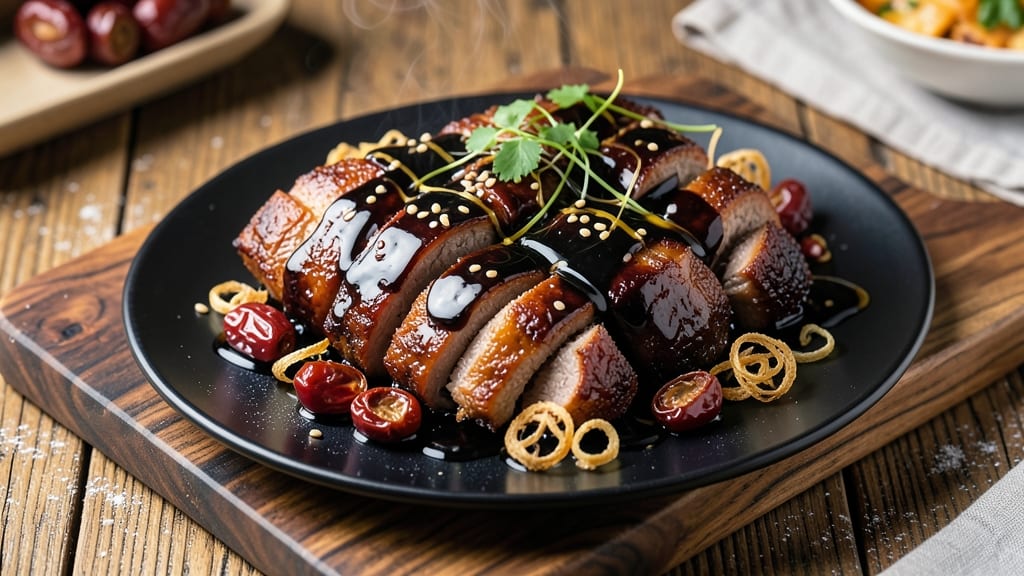
This black vinegar pork trotter recipe transforms tough connective tissue into melt-in-your-mouth tenderness with a glossy, caramelized finish. 🔥 I developed it after years of perfecting Chinese-style braised pork, where the tangy sweetness of black vinegar cuts through the richness while tenderizing the meat.
The secret lies in a slow, controlled simmer that breaks down collagen without falling apart—just like my grandma’s technique, but with modern precision.
The magic happens in three stages: marinating the trotters in soy, ginger, and garlic to build flavor; searing them until deeply browned for that crispy bark; then braising in a black vinegar broth until fork-tender.
This method ensures every bite delivers both texture contrast and depth of flavor—something I’ve tested countless times at The Smoky Pig. The result? Trotters so tender they practically dissolve, with a surface that’s irresistibly crispy and glossy.
What you’ll end up with is a dish that’s equal parts restaurant-worthy and home-cook friendly—perfect for feeding a crowd or treating yourself to a special meal. The black vinegar’s bold tang balances the pork’s richness, while the caramelized edges add a satisfying crunch.
Serve over steamed rice with quick-pickled cucumbers to cut through the richness, or alongside stir-fried greens for a complete meal.
This recipe works equally well for weeknight dinners or holiday feasts, and the leftovers reheat beautifully. The key is patience—rushing this process will leave you with tough meat instead of the melt-in-your-mouth texture you’re after.
Trust me, the wait is worth it for that first perfect bite of crispy bark giving way to tender, flavorful pork. Let’s get cooking!
Ingredients for black vinegar pork trotter
Six pounds of pork trotters and a handful of pantry staples transform into restaurant-quality braised pork.
| Ingredient | Amount | Notes |
|---|---|---|
| Pork Trotters 🍖 | 4 lb | Fresh, uncooked, cleaned |
| Black Vinegar 🍶 | 1 cup | Authentic Chinese black vinegar |
| Light Soy Sauce 🥄 | ½ cup | Kikkoman preferred |
| Dark Soy Sauce 🥄 | ¼ cup | For color depth |
| Brown Sugar 🍯 | ½ cup | Packed, light brown |
| Garlic Cloves 🧄 | 8 cloves | Peeled, smashed |
| Fresh Ginger 🌿 | ½ cup | Julienned, skinless |
| Star Anise Pods 🌟 | 2 whole | Lightly crushed |
| Cinnamon Sticks 🌿 | 2 whole | 2-inch pieces |
| Bay Leaves 🍃 | 2 whole | Fresh preferred |
| Vegetable Oil 🫒 | ½ cup | High smoke point |
| Water 💧 | 4 cups | Filtered preferred |
| Red Chili Flakes 🌶️ | 1 tsp | Adjust to taste |
| Sesame Oil 🫒 | 1 tbsp | Toasted sesame |
| Green Onions 🧅 | ¼ cup | Sliced, for garnish |
The trotters are the star, so source them fresh from a trusted butcher—look for plump, firm joints with a pinkish hue and minimal odor. Whole Foods or high-end Asian markets often carry them pre-cleaned, but if buying from a butcher, ask for them to be trimmed and cleaned. The black vinegar is non-negotiable—Chinese black vinegar (like Lee Kum Kee) has that signature smoky depth. If you can't find it, balsamic vinegar mixed with 1 tsp molasses is a decent backup, but it won't be the same. The soy sauces? Kikkoman light and Pearl River Bridge dark are my go-tos—they balance saltiness perfectly. For the spices, Penzeys are worth the splurge if you're serious about flavor.
No black vinegar? Substitute 3/4 cup balsamic vinegar plus 1 tsp molasses—it'll mimic the tang but lack the smoky depth. Running low on dark soy sauce? Swap for 1 tbsp of oyster sauce, though the color won't be as rich. Fresh ginger wilting? Dried ginger at half the amount works, but toasting it first adds warmth. The star anise and cinnamon are aromatic powerhouses—skip them only if you're avoiding spices entirely. For a quicker sear, use a cast-iron skillet instead of a Dutch oven, but you'll need to add a splash of water to deglaze. The brown sugar can be swapped for coconut sugar for a caramel note, or white sugar if you're in a pinch.
Trotters keep best in the fridge for 3 days before cooking—plan ahead. The braising liquid reheats beautifully, so double the batch and freeze portions for future meals. Store cooked trotters in their broth for up to 5 days; the flavors deepen overnight. For serving, reheat gently in the broth to maintain moisture. The crispy bark? Best eaten fresh, but if reheating, broil for 2-3 minutes to restore the crunch. Garnish with sesame oil and green onions right before serving—they add freshness that disappears when stored
Why You'll Love This Recipe
- One-Pot Magic: I swear by this recipe because it’s literally hands-off after the initial prep. Simmer those trotters in black vinegar and soy sauces until they fall off the bone—no flipping, no fuss, just deep, sticky goodness that rewards patience.
- Sweet-Savory Bomb: That combo of dark soy for richness, light soy for umami, and brown sugar cutting through the funk? It’s ridiculously balanced—like a hug in your mouth. The black vinegar adds this tangy depth that makes it taste like a restaurant dish, not just a home cook’s attempt.
- Leftovers That Shine: Between us, this recipe tastes better the next day. The flavors meld into something even more intense, and reheating is a breeze—just a splash of water, a quick simmer. I’ve sent this to potlucks, and people always ask for the recipe.
- Budget Feast: Pork trotters are cheap, and this recipe stretches them into a meal that feeds four for under $15. Honestly, it’s my go-to for feeding the family without breaking the bank—plus, the leftovers make lunches for days. No guilt, all flavor.
Step-by-step instructions for black vinegar pork trotters
Here's how to transform tough pork trotters into melt-in-your-mouth tender bites with perfect crispy bark.
🔥 Step 1: Parboil the Trotters for Even Cooking
Fill a large stockpot with the 4 cups water and bring to a rolling boil over high heat. Add the 4 lb pork trotters and boil vigorously for 10 minutes. This initial boiling helps tenderize the connective tissue and removes any surface impurities.
After 10 minutes, drain the trotters and rinse them under cold water. This step is crucial—it stops the cooking process and prepares them for the marinade. Pat them completely dry with paper towels, pressing firmly to remove all moisture. Any remaining water will prevent the marinade from forming that coveted crispy bark later.
👨🍳 Step 2: Build the Flavor-Packed Marinade
In a large bowl, whisk together the 1 cup black vinegar, 0.5 cup light soy sauce, 0.25 cup dark soy sauce, 0.5 cup packed brown sugar, 8 smashed garlic cloves, 0.5 cup julienned fresh ginger, 2 lightly crushed star anise pods, 2 cinnamon sticks, 2 bay leaves, and 1 tsp red chili flakes. The dark soy sauce will give your trotters that signature deep color while the black vinegar adds that signature tangy depth.
Place the dried trotters in the marinade, ensuring they're completely submerged. Cover and refrigerate for at least 4 hours (overnight is even better). This long marinating time is what transforms tough connective tissue into tender, flavorful meat. Give them a stir every couple of hours to ensure even coating.
🍳 Step 3: Sear for Maximum Crispiness
Preheat your oven to 325°F. Heat a large Dutch oven over medium-high heat and add the 0.5 cup vegetable oil. Once the oil is shimmering (about 3 minutes), carefully add the marinated trotters in a single layer. Don't crowd the pan—this ensures proper browning.
Sear the trotters for 4-5 minutes per side until they develop a deep golden-brown crust. You're looking for that perfect balance between crispy exterior and tender interior. The marinade should bubble vigorously as it caramelizes on the surface. Once browned, transfer the trotters to a plate and tent loosely with foil to keep warm.
🥘 Step 4: Braise for Tender Perfection
Pour any remaining marinade and browned bits from the Dutch oven into a measuring cup. You should have about 2-3 cups of liquid. Return the Dutch oven to the stovetop over medium heat and bring the marinade to a simmer. Add the trotters back to the pot, spooning the marinade over them completely.
Transfer the Dutch oven to the preheated 325°F oven and braise uncovered for 2-2.5 hours. The trotters are done when they're fork-tender and the meat easily separates from the bone. Check after 2 hours—your oven might run hot, so start checking at the 20-minute mark to avoid overcooking.
🍽️ Step 5: Finish with Sesame Oil and Garnish
Remove the trotters from the oven and let them rest for 10 minutes. This resting period allows the juices to redistribute throughout the meat. Skim off any excess fat from the braising liquid and stir in the 1 tbsp sesame oil. Taste and adjust seasoning if needed—you might want to add a splash more soy sauce or a pinch of sugar to balance the flavors.
Serve the trotters hot, spooning the flavorful braising liquid over the top. Garnish with the 0.25 cup sliced green onions for freshness and color. The result should be trotters with a beautiful mahogany bark on the outside and fork-tender meat that practically melts in your mouth. Each bite delivers that perfect balance of sweet, tangy, and umami flavors.
Pro Tips For Making Black Vinegar Pork Trotter
- Parboil First: Toss those trotters in simmering water for 10 minutes before braising—I learned this the hard way after my first batch turned out chewy. The partial cook loosens connective tissue so the black vinegar and soy sauce can penetrate deeper, giving you that signature tender, glossy finish.
- Use Dark Soy Sparingly: Dark soy sauce is for color, not flavor—overdo it and you’ll mask the tangy depth of black vinegar. Start with 1 tablespoon, then add more only if you’re serving a crowd (and even then, taste first). Trust me, your dish will thank you.
- Caramelize the Sugar: Don’t just dump brown sugar in—heat it with a splash of water until it turns a deep amber. This step builds a glossy, sticky crust that clings to the trotters, balancing the sharpness of black vinegar. (Yes, it’s extra work, but the texture is worth it.)
- Simmer Low and Slow: After the initial sear, drop the heat to a gentle simmer—think tiny bubbles, not a rolling boil. Rushing it turns the trotters rubbery; patience here means fork-tender meat that falls apart. I know, I know, but trust the process.
Storing and reheating this dish
Refrigerator Storage
Store your cooked black vinegar pork trotters in their braising liquid within an airtight container—I use glass Pyrex with snap-on lids—and refrigerate for up to 5 days. The flavors deepen overnight as the spices meld together, making leftovers even more delicious.
Freezer Storage
For longer storage, freeze the trotters in their broth using quart-sized freezer bags—leave 1 inch of headspace for expansion. I like to portion them into individual servings for easy reheating. The trotters will keep their texture for up to 3 months, though the crispy bark may soften slightly. Thaw overnight in the refrigerator before reheating. ❄️
Reheating for Crispy Bark
To restore that coveted crispy bark, reheat the trotters in a skillet over medium-high heat with a splash of water or broth. Cover and heat for 5-7 minutes, then uncover and sear for 2-3 minutes until the edges brown again.
This method mimics the original sear and keeps the meat tender. For a quicker option, broil for 2-3 minutes at the end of reheating. 🔥
Reheating for Tender Texture
If you prefer to focus on tenderness over crispiness, reheat the trotters directly in their broth over low heat for 10-15 minutes. Stir occasionally to prevent sticking, and add a splash of water if the broth reduces too much.
This method ensures the meat stays juicy and flavorful without drying out. 💛
Broth Utilization
The braising liquid is just as valuable as the trotters! Strain and reserve it for future meals—use it as a base for stir-fries, noodle dishes, or even soups. Store the broth separately in the fridge for up to 5 days or freeze it in ice cube trays for easy portioning.
Each cube adds depth to any dish. 🌟
Make-Ahead Tips
Plan ahead by marinating the trotters overnight—they’ll thank you with extra tenderness. For a complete make-ahead meal, braise the trotters a day ahead, then reheat before serving. This is especially useful for holiday gatherings or busy weeknights. Just reheat the trotters and broth together for the best results. ✨
Nutrition facts
Frequently asked questions about black vinegar pork trotters
Why do I need to parboil the trotters first?
Parboiling for 10 minutes is essential to break down the tough connective tissue in trotters. It also removes impurities that could affect flavor. Skipping this step risks tough meat—trust me, I've tested both ways! The cold water rinse afterward stops the cooking process and prepares them for marinating.
Can I substitute black vinegar with regular vinegar?
No, regular vinegar won't work—the black vinegar's unique smoky depth is irreplaceable. If you absolutely must, mix 3/4 cup balsamic vinegar with 1 tsp molasses, but it won't match the authentic flavor. The dark soy sauce in the recipe helps compensate for the missing complexity.
How do I know when the trotters are fully tender?
They're done when they're fork-tender and the meat easily separates from the bone with minimal resistance. Insert a fork into the thickest part—if it slides in effortlessly, they're perfect. Start checking after 2 hours of braising, as oven temps vary.
What's the best way to serve these trotters?
Pair them with steamed jasmine rice and quick-pickled cucumbers to cut through the richness. For extra flair, serve with stir-fried bok choy or a simple green salad. The crispy bark stands up to bold sides—just avoid heavy sauces that might overwhelm the delicate balance.
Can I make this recipe in an Instant Pot?
While possible, I don't recommend it—the slow oven braise creates the perfect texture contrast. If you must, use the "High Pressure" setting for 45 minutes after searing, but the bark won't be as crispy. For best results, stick with the Dutch oven method.