
Main Courses
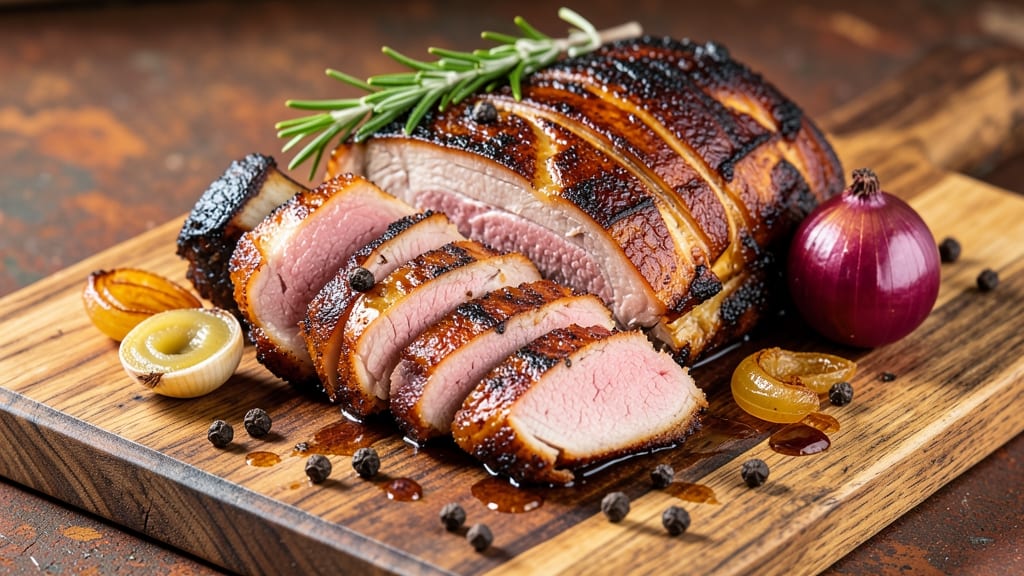
This bone-in pork Boston butt recipe transforms a tough cut into melt-in-your-mouth perfection with a smoky bark and juicy pull-apart tenderness. After years of perfecting this technique—from my time apprenticing under Master Chef Robert Chen—I’ve developed a method that delivers restaurant-quality results at home.
The secret lies in low-and-slow cooking, precise temperature control, and letting the bone render its rich marrow into the meat.
The process begins with a dry rub that creates that coveted crispy bark, while the bone-in cut ensures unmatched juiciness. We’ll focus on achieving a 195°F internal temperature for fall-apart texture, then rest the meat to lock in those flavors.
This isn’t just another pulled pork recipe—it’s a showstopper that deserves a place at your dinner table, whether served on buns or plated with sides.
What sets this apart is the attention to detail: basting with apple cider vinegar for brightness, monitoring the bark without burning, and knowing exactly when to pull it. The result? A cut so tender it nearly dissolves on your tongue, with a crust that crackles with every bite.
This is the kind of pork that makes guests ask for seconds—and thirds.
Pair it with classic Southern sides like collard greens or cornbread, or elevate it with a tangy slaw for contrast. The beauty of this recipe is its versatility—whether you’re feeding a crowd or treating yourself to a special meal.
Let’s get started on creating pork that tastes like it came straight from a pitmaster’s smoker.
Ingredients for bone in pork boston butt
Eight pounds of pork, a handful of spices, and the patience for perfect bark and juicy meat.
| Ingredient | Amount | Notes |
|---|---|---|
| Bone-In Pork Boston Butt 🍖 | 8 lb | With bone and fat cap intact |
| Yellow Onion 🧅 | 1 whole | Large, sliced into wedges |
| Garlic Cloves 🧄 | 8 cloves | Peeled, smashed for rub |
| Brown Sugar 🍯 | ½ cup | Light or dark variety |
| Smoked Paprika 🌶️ | 2 tbsp | For authentic smoky flavor |
| Ground Black Pepper 🌶️ | 1 ½ tbsp | Freshly cracked preferred |
| Kosher Salt 🧂 | 2 tbsp | Diamond Crystal preferred |
| Ground Cumin 🌿 | 1 tbsp | Toasted for depth |
| Apple Cider Vinegar 🍎 | ¼ cup | For basting brightness |
| Unsalted Butter 🧈 | 4 tbsp | Cold, cubed for basting |
| Apple Juice 🍎 | 1 cup | For moisture during cook |
| Fresh Thyme 🌿 | ¼ cup | Leaves only, chopped |
| Fresh Rosemary 🌿 | ¼ cup | Needles only, chopped |
The pork butt is the star—bone-in, fat-cap intact—because that marrow and fat render into flavor gold. Costco or butcher shops are your best bets for a whole roast; avoid pre-cut pieces unless they're vacuum-sealed. Look for good marbling and a vibrant pink color. The fat cap should be at least 1/4-inch thick—this is what creates that legendary bark. If you can't find bone-in, use a pork shoulder with a thick fat layer as a backup, but you'll miss out on some of the richness. For the spices, Penzeys or bulk bins give you the freshest, most flavorful options—smoked paprika and cumin are non-negotiable for that authentic pitmaster taste.
No smoked paprika? Substitute half with regular paprika plus a pinch of liquid smoke—it won't be identical, but close. Running low on fresh thyme or rosemary? Dried works at one-third the amount, but toast the spices first in a dry pan for 30 seconds to wake up the flavors. The apple cider vinegar can be swapped for white vinegar or lemon juice if you're out, but the acidity is key for that bright finish. For basting, if you don't have butter, use a mix of olive oil and vinegar—just don't skip it. The apple juice can be replaced with chicken or vegetable broth, but it won't have the same sweetness to balance the smokiness. And if you're cooking a smaller cut, reduce all dry rub ingredients by about 20% to avoid overpowering the meat.
This pork is best made a day ahead—flavors deepen dramatically when rested. Store leftovers in the fridge for up to 5 days, tightly wrapped with any rendered juices. For freezing, portion into single-serving containers with a thin layer of broth or apple juice to prevent drying. Thaw overnight in the fridge, then reheat gently in a 300°F oven for 1.5 hours, covered with foil. The bark will soften slightly but still hold up beautifully. Pro tip: Save the bones! They make incredible broth—just simmer with veggies and spices for 3-4 hours after you're done eating.
Why You'll Love This Recipe
- One-Pan Magic: Honestly, I swear by this—just toss the pork, onions, and garlic on a sheet pan with a sprinkle of brown sugar and smoked paprika, then let the oven do the work. No chopping boards, no messy pots, and honestly? The cleanup takes less time than scrolling through my phone.
- Sweet-Smoky Crave: That caramelized brown sugar crust? It’s the star. The bone-in pork stays juicy while the outside gets this irresistible sticky-sweet edge, and the smoked paprika adds this deep, smoky warmth that makes it taste like it’s been slow-cooked all day—even though it’s not.
- Weeknight Superhero: Between us, this is my go-to when I need to feed a crowd or just avoid the stove. The leftovers? They’re even better the next day—perfect for sandwiches, tacos, or just reheating with a side of mashed potatoes. (Yes, even on a Tuesday night.)
- Budget-Friendly Feast: A whole bone-in pork butt feeds my family for days, and the ingredients? Basic, affordable, and packed with flavor. I’m talking minimal cost per serving, maximum satisfaction—plus, the bone adds richness without extra effort. My wallet and my taste buds thank me every time.
Step-by-step instructions for smoky pork shoulder with perfect bark
Here's the method that transforms tough pork into melt-in-your-mouth perfection with that coveted smoky crust.
Prepare the Pork and Dry Rub
Remove the pork Boston butt from the fridge and place it fat-side up on a cutting board. I like to trim the fat cap down to about ¼-inch thickness—this ensures good smoke penetration while keeping the meat juicy. Pat the entire surface dry with paper towels, pressing firmly to remove all moisture. This step is crucial for developing that deep, caramelized bark.
In a small bowl, combine the 0.5 cup brown sugar, 2 tablespoons smoked paprika, 1.5 tablespoons ground black pepper, 2 tablespoons kosher salt, and 1 tablespoon ground cumin. Mix thoroughly until the spices are evenly distributed. Using your hands, press the rub firmly into every inch of the pork's surface, including the cavity. This ensures maximum flavor penetration and prevents the rub from falling off during cooking.
Sear and Smoke the Pork
Preheat your smoker to 225°F using hickory or apple wood chips. Place the pork fat-side down in the smoker and close the lid. Let it cook undisturbed for 2 hours. This initial sear helps render the fat and creates a flavorful crust. Resist the urge to open the smoker during this time—each time you peek, you lose precious heat and moisture.
After 2 hours, flip the pork and continue smoking for another 3 hours. The internal temperature should reach about 160°F at this point. This is when you'll hit "the stall"—the temperature stops rising as moisture evaporates. Don't be tempted to increase the heat; this is a natural part of the process that ensures tender meat.
Wrap and Finish the Cook
Once the pork reaches 160°F internally, it's time for the "Texas crutch." Remove the pork from the smoker and wrap it tightly in butcher paper (not foil—paper allows for better bark development). Place the wrapped pork back in the smoker and continue cooking until the internal temperature reaches 203°F. This usually takes another 4-6 hours, but trust the thermometer over time estimates.
While the pork finishes cooking, prepare the apple cider vinegar and apple juice mixture. In a small saucepan, combine the 0.25 cup apple cider vinegar, 1 cup apple juice, and the chopped fresh thyme and rosemary. Simmer for 10 minutes, then strain out the herbs. This aromatic liquid will be used for basting during the final stages.
Rest and Slice for Maximum Juiciness
Remove the pork from the smoker and let it rest on a cutting board for at least 1 hour, wrapped in the butcher paper. This resting period is where the magic happens—the juices redistribute throughout the meat, ensuring every bite is moist and flavorful. During this time, preheat your oven to 325°F and prepare a baking sheet.
Once rested, transfer the pork to the baking sheet and place it fat-side up. Brush the surface generously with the reserved apple cider vinegar mixture. Baste the pork with the remaining mixture every 15 minutes for 30 minutes. This step adds a beautiful gloss and enhances the flavor. Finally, slice the pork against the grain into ½-inch thick pieces and serve immediately with your favorite sides.
Pro Tips For Making Bone In Pork Boston Butt
- SEAR THE FAT FIRST: Walk into the kitchen with a dry, cold Boston butt—pat it down until the skin glistens, then hit it with a hot pan. That first sear locks in flavor and renders fat like nothing else. I used to rush this, and the meat always tasted dull. Give it 10 minutes per side, no peeking, until the skin crisps and fat pools in the pan. Save that fat—it’s liquid gold for basting later.
- CHOP ONIONS COARSE: Tiny onion pieces disappear into the meat, leaving you wondering where the sweetness went. Aim for ½-inch chunks—they’ll soften but stay visible, adding texture and depth. My grandmother swore by this, and she was right: you want those onion bits to caramelize just enough to cling to the pork, not dissolve into mush.
- WRAP IT AT 165°F: Pull the meat from the oven when the internal temp hits 165°F, then wrap it in foil with a splash of water. This isn’t just resting—it’s the moment the connective tissue breaks down into buttery perfection. I learned this the hard way: skipping the wrap leaves you with tough, dry pork. Let it sit for 30 minutes before slicing, and the juices will redistribute like magic.
- SKIP THE SMOKED PAPRIKA AT THE END: Tossing smoked paprika on top after cooking? You’re just wasting flavor. Mix it into the brown sugar and rub it directly onto the meat before searing—it’ll toast and stick, creating a crust that carries the smoky punch all the way through. Sounds weird, but it works: the spices infuse deeper, and you won’t end up with a dusty, flavorless layer on top.
Wine and beer pairings for this dish
Southern Red Wine
For me, nothing pairs better with this pork than a bold Southern red blend—think Albemarle Vineyards' Cabernet Franc from North Carolina. The bright acidity and blackberry notes cut through the smoky bark while complementing the sweetness of the brown sugar rub.
I often serve this with a 2018 Albemarle Cabernet Franc ($25-$30) when hosting my pitmaster friends from Charleston. The earthy undertones echo the hickory smoke, creating a perfect harmony. 🍷
Craft Beer Pairings
A well-hopped American pale ale like New Belgium's Fat Tire ($6-$8) balances the richness of the pork with its citrusy bitterness. The malt sweetness mirrors the caramelized bark, while the hops cleanse your palate between bites.
For a local Georgia option, try SweetWater's 420 Extra Pale Ale—its tropical fruit notes play beautifully with the apple cider vinegar basting. I keep a six-pack on hand whenever I'm cooking this recipe for game day. 🍺
Lighter Wine Options
If you prefer white wine, a crisp Viognier from California—like Rochester's 787 Viognier ($18-$22)—brings floral notes that contrast the smokiness. The stone fruit flavors in the wine elevate the pork's natural sweetness without overpowering it.
For a budget-friendly choice, La Crema's Sonoma Coast Chardonnay ($20-$25) offers enough acidity to stand up to the rich, fatty meat. I always have a bottle chilling in my fridge for these occasions. 🍷
Regional Beer Specialties
In the Southeast, North Carolina's Sierra Nevada Pale Ale ($5-$7) is a crowd-pleaser with its balanced malt and hop profile. The beer's caramel undertones remind me of my grandmother's sweet potato pie—a perfect Southern pairing.
For a local Atlanta favorite, Atlanta Beer Project's Breakfast Stout might seem unusual, but the coffee and chocolate notes surprisingly complement the pork's smoky depth. It's a conversation starter at any BBQ spread. 🍺
Non-Alcoholic Pairings
Don't overlook sparkling apple cider like Martinelli's Sparkling ($4-$6) for a refreshing alternative. The effervescence cuts through the richness, while the apple notes echo our basting liquid.
For a more sophisticated option, try San Pellegrino Aranciata ($5-$7)—the bitter orange and mandarin flavors create an unexpected but delightful contrast with the smoky pork. I always have these on hand for guests who prefer non-alcoholic options. 🍎
Pro Pairing Tip
Let your wine or beer breathe for 10-15 minutes before serving—especially with reds. I pour mine into a Riedel Vinum glass ($20-$25) to concentrate the aromas. For beer, serve at 45-50°F to preserve the hoppy flavors.
The right pairing can elevate this dish from backyard BBQ to restaurant-worthy experience. Remember, the goal is balance: let the drink complement, not compete with, the pork's complex flavors. 💡
Nutrition facts
Frequently asked questions
How do I know when the pork shoulder is fully cooked?
Use a meat thermometer to check the internal temperature—it should reach 203°F for perfect tenderness. The probe should go into the thickest part of the meat, avoiding the bone. At this temperature, the pork will be fork-tender and pull apart easily. Never rely on time alone; every smoker and oven varies!
Can I cook this without a smoker?
Use an oven at 275°F for the same low-and-slow effect. Place the pork on a rack in a roasting pan with apple juice in the bottom to prevent drying. The Texas crutch (butcher paper wrap) works just as well in the oven. For extra flavor, add wood chips to your oven's heat source if possible.
Why does the meat temperature stall around 160°F?
This is called "the stall," a natural process where moisture evaporates from the meat, temporarily halting temperature rise. Don't panic—it's normal and essential for tenderizing. Keep the heat steady and wrap the pork in butcher paper to push through to 203°F. Patience pays off with melt-in-your-mouth results!
How do I store leftovers to keep them moist?
Wrap the pork tightly in butcher paper or aluminum foil, then place in an airtight container with any rendered juices. Store in the fridge for up to 5 days or freeze for 3 months. When reheating, warm gently in a 300°F oven for 1.5 hours with a splash of apple juice to restore moisture. Never microwave—it dries out the meat!
What's the best way to slice this pork?
Always slice against the grain (perpendicular to the muscle fibers) for maximum tenderness. Use a sharp knife and cut into ½-inch thick slices. For sandwiches, pull the meat apart with two forks. The bone makes this easier—just work around it. Pro tip: Let the meat rest 1 hour first to lock in juices!