
Main Courses
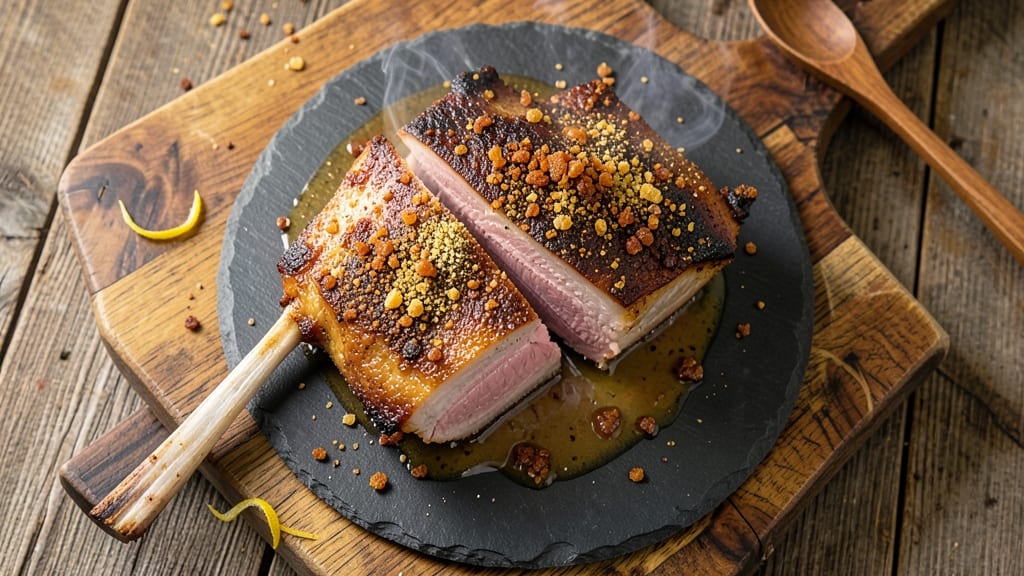
This bone-in pork loin smoker recipe delivers the kind of tender, smoky perfection that transforms a simple cut into a showstopping centerpiece. I've been perfecting this technique for years—starting with my first whole-hog cook in Charleston—and the secret lies in the bone and slow smoke. That marrow stays juicy while the meat develops a crispy, flavorful bark that'll have your guests asking for seconds.
The key to success is patience and precision: a 225°F smoke for 6-8 hours until the internal temp hits 195°F, with a well-seasoned rub that clings to every inch. I use a mix of brown sugar, smoked paprika, and garlic powder for that perfect balance of sweetness and heat.
The bone acts as a natural thermometer, ensuring the meat cooks evenly without drying out.
What you'll end up with is pork so tender it practically melts in your mouth, with a rich, smoky flavor that comes from hours of low-and-slow cooking. The bark is crispy enough to hold up to a fork but still tender underneath—exactly what you want in a smoked pork loin.
This is the kind of dish that makes your smoker worth every inch of space in your backyard.
Serve with classic sides like creamy mac and cheese or a fresh slaw to balance the richness. The leftovers? Even better the next day, sliced thin for sandwiches or reheated with a splash of apple cider. Let's get smoking!
Ingredients for bone in pork loin smoker
Four pounds of pork, a smoker, and patience—this is all you need to create smoky perfection.
| Ingredient | Amount | Notes |
|---|---|---|
| Bone-In Pork Loin 🐖 | 4 lb | Center-cut, 1.5-2 inches thick |
| Brown Sugar 🍚 | ¼ cup | Light or dark, packed |
| Smoked Paprika 🌶️ | 2 tbsp | For deep smoky flavor |
| Garlic Powder 🧄 | 1 tbsp | Freshly ground preferred |
| Kosher Salt 🧂 | 1 ½ tbsp | Diamond Crystal preferred |
| Black Pepper 🌶️ | 1 tbsp | Freshly cracked |
| Onion Powder 🧅 | 1 tbsp | For subtle depth |
| Apple Juice Concentrate 🍎 | 2 tbsp | For sweetness balance |
| Yellow Mustard 🥬 | 1 tbsp | Dijon works too |
| Wood Chips (Hickory or Oak) 🌳 | 2 cups | Soaked for 30 minutes |
| Apple Cider Vinegar 🍏 | 1 tbsp | For bark development |
| Fresh Rosemary 🌿 | ¼ cup | Chopped, stems removed |
| Fresh Thyme 🌿 | ¼ cup | Leaves only |
| Olive Oil 🫒 | 1 tbsp | For rub adhesion |
The pork loin is the star, so look for bone-in center-cut—it stays juicier and adds flavor. Costco or local butchers usually carry the best cuts, but any grocery store should have it. Thickness matters too: 1.5-2 inches thick ensures even cooking. If your cut isn't uniform, trim it to an even shape before seasoning. The bone-in piece is worth seeking out—it keeps the meat moist and adds that extra richness when you crack into it. For extra insurance, pat it dry before applying the rub; this helps the seasoning stick and the bark form.
No smoked paprika? Regular paprika plus a pinch of liquid smoke works in a pinch. Swap apple juice concentrate for maple syrup or honey if you prefer, but keep it to the same amount. Fresh herbs? Dried thyme at one-third the amount gets you close. The mustard is key for bark—Dijon adds depth, but yellow mustard works too. For wood chips, hickory gives bold smoke, while oak is milder. If you can't find hickory, cherry or pecan are great alternatives. The apple cider vinegar might seem odd, but it helps develop that crispy bark without overpowering the flavor.
Leftovers? Slice thin for sandwiches or reheat with apple cider to keep them moist. Store in the fridge for 4-5 days or freeze for 3 months. I always make extra—this pork tastes even better the next day. For reheating, low and slow in the oven (275°F) keeps it tender. The rub itself? Make a double batch—it keeps for 6 months in an airtight container in your pantry. Trust me, you'll want it again.
Why You'll Love This Recipe
- Smokehouse Simplicity: I swear by this recipe because it’s literally three steps: rub, smoke, rest. No basting, no fussing—just that perfect crust from the brown sugar and smoked paprika while the bone keeps it juicy. My lazy Sundays thank me.
- Craving-Worthy Crust: That caramelized edge where the brown sugar meets the smoky paprika? It’s the kind of flavor that makes people pause mid-bite. The garlic powder sneaks in just enough warmth to keep it from being too sweet—trust me, it’s the balance I’ve been searching for.
- Weeknight to Holiday: Between us, this is my go-to for game days, potlucks, or when I’m too tired to cook. Slice it thin for sandwiches, serve it whole for a showstopper, or even toss leftover chunks into fried rice. It’s the one recipe that actually works for everything.
- Leftovers That Don’t Suck: Smoked pork loin stays tender for days, and honestly? The flavor gets better as it rests. I’ll wrap slices in tortillas for breakfast burritos or shred it into tacos—no one ever complains when I pull this out of the fridge. Budget-friendly? Absolutely. Wasteful? Never.
Step-by-step instructions for smoky bone-in pork loin
Transform your smoker into a flavor factory with this juicy, bark-crusted pork loin recipe.
Prepare the Dry Rub and Prep the Pork
In a medium bowl, combine the 0.25 cup brown sugar, 2 tablespoons smoked paprika, 1 tablespoon garlic powder, 1.5 tablespoons kosher salt, 1 tablespoon black pepper, and 1 tablespoon onion powder. Mix thoroughly until the sugar dissolves and the spices are evenly distributed. This sweet-savory blend will create that coveted smoky bark.
Pat the 4 lb bone-in pork loin completely dry with paper towels—this is non-negotiable for crispy bark. Then rub the spice mixture all over the meat, pressing firmly so it adheres. The sugar will caramelize during smoking, creating that beautiful crust. Let the pork sit at room temperature for 30 minutes while you prepare your smoker.
Set Up the Smoker for Perfect Low-and-Slow Cooking
Soak the 2 cups wood chips (hickory or oak) in water for 30 minutes to prevent flare-ups. When ready, add them to your smoker and heat to 225°F. The smoke should be thin and blue—thick white smoke means you need to clean your firebox. Once at temperature, add 1 tablespoon apple cider vinegar to the water pan (if using) to enhance bark development.
Place the pork loin directly on the smoker grates, fat-side up. The fat will render and baste the meat as it cooks. Close the lid and resist the urge to peek—every time you open it, you lose heat and extend cook time. Let it smoke undisturbed for 2 hours before checking the internal temperature.
Monitor Temperature and Apply the Mustard Glaze
After 2 hours, the pork's internal temperature should reach 145°F. If it hasn't, continue smoking. When ready, brush the pork with a mixture of 1 tablespoon yellow mustard and 2 tablespoons apple juice concentrate (thinned with 1 tablespoon water). This glaze adds sweetness and helps develop a glossy bark.
Return the pork to the smoker and continue cooking until the internal temperature reaches 160°F (about 1-2 more hours). The bark should be deep mahogany with a crisp texture. If the bark isn't forming as expected, add another 1 tablespoon apple cider vinegar to the water pan for extra moisture and bark development.
Rest and Slice for Maximum Juiciness
Once the pork reaches 160°F, remove it from the smoker and let it rest for 15-20 minutes before slicing. This resting period allows the juices to redistribute, ensuring every bite is tender and flavorful. Tent loosely with foil to keep warm.
Slice the pork loin against the grain into ½-inch thick portions. The bone-in cut means you'll have rich, flavorful marrow to enjoy. Serve with extra smoked paprika and fresh rosemary for garnish. The result? A perfectly balanced blend of smoky, sweet, and savory flavors with a juicy interior and crispy bark.
Pro Tips For Making Bone In Pork Loin Smoker
- Trim the Fat Cap: That thick layer of fat on the bone side? Don’t fight it—trim it down to about ¼-inch. Too much fat renders unevenly on the smoker, leaving you with greasy smoke and a crust that won’t form properly. I learned this after my first batch turned into a soggy mess of rendered pork.
- Salt Before You Smoke: Apply kosher salt at least 4 hours ahead (overnight is better). The salt needs time to work its magic into the meat, not just sit on top. Skip this, and you’ll end up with a dry, flavorless loin—trust me, I’ve done it twice.
- Two-Zone Heat Control: Start with your smoker at 250°F for the first hour, then bump it to 275°F for the rest. The lower temp lets the brown sugar caramelize into a sticky glaze without burning, while the higher temp finishes the meat faster. Sounds like extra work, but it’s the difference between a decent cut and a showstopper.
- Wrap in Foil at 160°F: Once the internal temp hits 160°F, wrap the loin tightly in double-layered foil with a splash of water. This locks in moisture while the meat rests—no more dry, stringy pork. I used to pull it too early, and the results were disappointing. (Your future self will thank you.)
Essential equipment for bone in pork loin smoker
Smoker Must-Haves
First things first: you need a smoker that can maintain a steady 225°F temperature. I swear by my Traeger Pellet Grill for consistency, but a Weber SmokeFire or Masterbuilt Digital Electric Smoker work just as well.
For charcoal smokers, a Traeger Big Easy or Camp Chef Woodwind are my top picks—they give you that authentic wood-fired flavor. If you're just starting out, a Masterbuilt 200715 is a budget-friendly electric option that still delivers great results. 🔥
Probe Thermometer
Invest in a high-quality meat probe thermometer—this is non-negotiable for perfect pork. I use the ThermoWorks Smoke because it's durable and gives instant readings. The probe should reach the thickest part of the pork loin to monitor internal temperature without touching the bone.
A bluetooth thermometer like the Meater lets you monitor from your phone, which is handy when you're not standing by the smoker. Never guess—always measure!
Wood Chips & Soaker
You'll need hickory or oak wood chips for that classic smoky flavor. I keep a 10-pound bag of hickory from Traeger on hand for all my smoking projects. A wood chip soaker (or even a simple metal bucket with holes drilled in the bottom) is essential to prevent flare-ups.
Soak your chips for 30 minutes before using—this keeps the smoke steady and prevents burning. For variety, I sometimes mix in apple or cherry wood chips for a sweeter profile.
Heat-Resistant Gloves
Protect those hands with heat-resistant gloves rated for at least 500°F. I use Oven Mitts by Farberware—they're thick, durable, and let me handle hot racks or adjust wood chips without burning myself.
A good pair makes all the difference when you're working near an open flame or hot coals. Don't skimp here—trust me, you'll thank yourself later.
Basting Brush & Spray Bottle
A silicone basting brush (like the OXO Good Grips) helps apply your mustard glaze evenly without tearing the bark. For extra moisture, keep a spray bottle with apple cider vinegar or water handy to mist the pork if the bark starts drying out.
I also like to have a small bowl of water nearby to dampen my hands when handling sticky rubs or glaze. These little tools make all the difference in keeping your pork juicy and flavorful.
Resting Tray & Aluminum Foil
After smoking, you'll need a large tray or cutting board to rest the pork. I use a stainless steel tray from Restaurant Depot—it's sturdy and easy to clean. Wrap the pork loosely in heavy-duty aluminum foil (like Reynolds Wrap) to keep it warm while it rests.
Pro tip: Tent the foil loosely so steam can escape—this prevents soggy meat. A meat mallet (like the Victorinox) comes in handy if you need to tenderize thicker cuts, though bone-in pork loin usually doesn't require it.
Nutrition facts
Frequently asked questions
Why does this recipe use bone-in pork loin instead of boneless?
The bone acts as a natural thermometer and moisture retainer, keeping the meat incredibly tender. The marrow stays juicy while the bone helps distribute heat evenly throughout the cut. Plus, the flavor is richer—cracking into that bone adds a special touch your guests will love!
Can I use a different wood chip besides hickory or oak?
For a sweeter profile, try apple or cherry wood chips. If you want something bolder, pecan works well. Just avoid fruit woods like mesquite—they can overpower the pork's delicate flavor. Always soak chips for 30 minutes before using to prevent flare-ups.
What if my pork loin isn't perfectly even in thickness?
No problem! Trim any uneven edges to create an even surface. This ensures the meat cooks uniformly and develops that perfect crispy bark. If your cut varies by more than ½ inch, consider slicing it into chops instead for even cooking. The bone helps balance temperature differences naturally.
How do I know when the pork is fully cooked?
Use a meat thermometer to check the thickest part of the loin (avoiding the bone). It's done when it reaches 160°F internally. The bark should be deep mahogany and crispy. If it's still pale, return it to the smoker for another 30-60 minutes. Never rely on time alone—temperature is key!
Can I make this recipe in an oven instead of a smoker?
Yes, but the flavor will be different. Set your oven to 225°F and use a water pan with wood chips on top. Add 1 tablespoon apple cider vinegar to the water for smoke flavor. Cook until 160°F internal temp, then broil for 5 minutes to crisp the bark. It won't be as smoky, but it'll still be tender and delicious!