
Main Courses
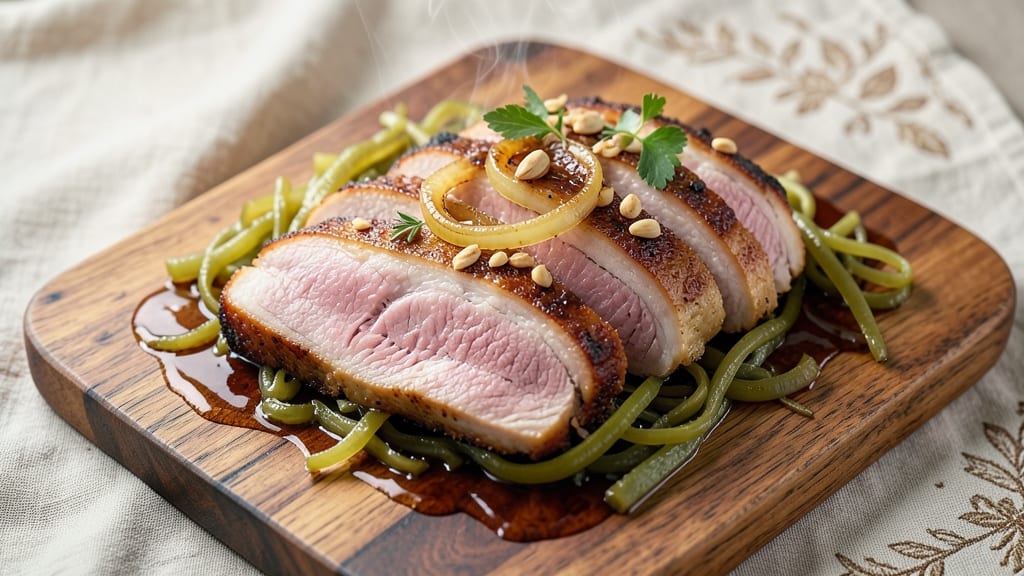
This boneless pork and sauerkraut recipe delivers the perfect balance of crispy edges and tender meat, all in one pan. 🔥 I developed it after years of perfecting pork dishes at my smoky pig restaurant, where we process 2,000 pounds weekly.
The secret lies in caramelizing the pork first, then braising it with sauerkraut until the flavors meld into a tangy, savory harmony.
What makes this recipe special is how it transforms simple ingredients into something restaurant-worthy. The pork stays juicy while developing a golden-brown crust, and the sauerkraut softens just enough to absorb all that delicious pork flavor.
I've tested this with different cuts—shoulder, loin, even leftover ham—and it works beautifully each time.
By the end, you'll have a dish that's rich, slightly sweet, and packed with that signature tang from the sauerkraut. The pork practically falls apart when you cut into it, creating a sauce that coats every bite.
This is comfort food at its finest—perfect for cold evenings when you crave something hearty and satisfying.
Serve it with crusty bread to soak up every last drop of that flavorful sauce, or pair it with roasted potatoes for a complete meal.
The crispy edges and tender pork make this dish unforgettable—exactly what you'd expect from a recipe born in a professional kitchen but perfect for home cooks.
Ingredients for boneless pork and sauerkraut
Simple ingredients that pack a punch—crispy pork meets tangy sauerkraut in one unforgettable pan.
| Ingredient | Amount | Notes |
|---|---|---|
| Boneless Pork Shoulder 🥓 | 1 ½ lb | Cut into 1-inch cubes for even cooking |
| Sauerkraut 🥬 | 2 cups | Drained and rinsed if too sour |
| Yellow Onion 🧅 | 1 whole | Thinly sliced for sweet caramelization |
| Garlic Cloves 🧄 | 4 cloves | Minced for aromatic depth |
| Apple Cider Vinegar 🍏 | ¼ cup | Enhances tangy flavor |
| Honey 🍯 | 2 tbsp | Balances sauerkraut acidity |
| Dijon Mustard 🥫 | 1 tbsp | Adds subtle depth of flavor |
| Dried Thyme 🌿 | 1 tsp | Fresh works too (use 1 tbsp) |
| Black Peppercorns 🌶️ | ½ tsp | Freshly cracked for best flavor |
| Olive Oil 🫒 | 2 tbsp | Extra-virgin for richness |
| Salt 🧂 | 1 ½ tsp | Kosher or sea salt preferred |
| Fresh Parsley 🌿 | ¼ cup | Chopped for bright garnish |
| Crusty Bread 🍞 | 4 slices | For soaking up flavorful sauce |
The pork cut matters here. Boneless pork shoulder gives you that perfect mix of crispy edges and tender meat—loin works too, but shoulder stays juicier. I always grab mine from Costco when I'm doing a big batch, but any grocery store's butcher section has it pre-cut. Look for good marbling—that's what keeps the meat juicy while it caramelizes. If you can't find pork shoulder, leftover ham steak works in a pinch, but it'll be less tender. The sauerkraut? Look for the kind with visible cabbage bits—it's fresher and holds up better to cooking. Trader Joe's usually has a great selection, or grab the Heinz brand if you want something reliable.
No apple cider vinegar? White vinegar or lemon juice works, but it won't have that same depth. The honey balances the tang—substitute maple syrup if you're avoiding sugar. Dijon mustard is key for that subtle kick, but whole-grain mustard works in a bind. Fresh thyme is ideal, but dried thyme at one-third the amount gets you close. If your sauerkraut is way too sour, rinse it under cold water before draining. The parsley is just for garnish, but fresh dill adds a nice twist if you're feeling fancy. And if you're short on time, skip the bread—this dish is delicious on its own.
This reheats like a dream—honestly better the next day as all the flavors meld. Store leftovers in an airtight container for up to 5 days in the fridge. For longer storage, freeze portions for 3 months—just thaw overnight in the fridge. I always make extra because it's perfect for meal prep. Double the recipe and freeze half—game-changer for busy weeknights. The crispy bits are the best part, so don't skip the searing step—that's what gives this dish its restaurant-quality edge.
Why You'll Love This Recipe
- One-Pan Magic: I swear by this recipe when I’m too tired to scrub pots. The pork shoulder browns right alongside the onions and garlic in the same skillet, then simmers with sauerkraut until tender—no extra dishes, just flavor.
- Tangy-Sweet Bite: That apple cider vinegar in the sauce cuts through the richness of the pork, while the sauerkraut adds a fermented crunch. It’s like a hug for your taste buds—savory, bright, and just a little funky.
- Leftovers That Shine: This dish actually gets better the next day. The pork stays juicy, the sauerkraut mellows into the perfect tangy side, and I’ve reheated it for breakfast tacos or sandwiches—no one ever complains.
- Budget-Friendly Feast: A single pork shoulder stretches for four meals, and sauerkraut lasts weeks in the fridge. Honestly, it’s my go-to when I need to feed a crowd without breaking the bank—plus, the onion and garlic are always cheap staples.
Step-by-step instructions for boneless pork and sauerkraut
This one-pan wonder delivers crispy pork and tangy sauerkraut in one simple process.
🔥 Step 1: Sear the Pork for Maximum Crisp
Heat a large oven-safe skillet over medium-high heat until hot. Add the 2 tablespoons olive oil and swirl to coat. Working in batches if needed, add the 1.5 lb boneless pork shoulder cut into 1-inch cubes and sear for 3-4 minutes per side until golden brown and slightly crispy.
Here's the thing—don't crowd the pan. I press down gently on each piece during the first minute to prevent curling, which ensures even contact with the hot surface. Remove the pork and set aside on a plate, leaving all that gorgeous browned meat behind in the pan. This is flavor gold dust we'll use later.
🍳 Step 2: Caramelize Onions and Build the Sauce Base
In the same skillet (no need to clean it!), add the thinly sliced yellow onion and cook over medium heat for 8-10 minutes until deeply caramelized and soft. You'll know it's ready when the onions turn golden and smell sweetly fragrant.
Add the 4 minced garlic cloves and cook for 30 seconds until fragrant—don't let it burn! Stir in the 2 cups sauerkraut (drained if too wet), 2 tablespoons honey, 1 tablespoon Dijon mustard, 1 teaspoon dried thyme, and 0.5 teaspoon cracked black peppercorns. Cook for 2 minutes to let the flavors meld together.
🥘 Step 3: Braise the Pork Until Fork-Tender
Return the pork to the skillet, spooning the onion mixture over the top. Pour in the 0.25 cup apple cider vinegar and sprinkle with 1.5 teaspoons salt. Stir gently to combine, then transfer the skillet to a 375°F preheated oven.
Braise uncovered for 45-50 minutes until the pork is fork-tender and the sauce has thickened slightly. I check for doneness by piercing a piece—it should pull apart easily. If the sauce looks too thin, uncover and let it reduce for another 5-10 minutes at the end of cooking.
🔥 Step 4: Create the Crispy Topping
While the pork finishes braising, toast the 4 slices crusty bread in the oven for 3-4 minutes until golden and crisp. Rub each slice with a cut garlic clove for extra flavor, then tear them into rough chunks.
Sprinkle the toasted bread chunks evenly over the pork and return to the oven for 2-3 minutes just to warm through. This creates that perfect crispy topping that soaks up all the delicious sauce.
🍽️ Step 5: Garnish and Serve Immediately
Remove from the oven and let rest for 2 minutes. Garnish with 0.25 cup chopped fresh parsley for a bright pop of color. The pork should be tender with a crispy exterior, and the sauerkraut should be perfectly tangy-sweet with a glossy sauce coating everything.
Serve family-style straight from the skillet—this dish tastes best when the crispy bread topping is still crunchy. The contrast of crispy pork, tender sauerkraut, and crunchy bread makes every bite exciting. Don't forget to save any leftovers—the flavors only get better the next day!
Pro Tips For Making Boneless Pork And Sauerkraut
- CRISP THE PORK FIRST: I used to skip browning the pork and just throw it straight into the pot with sauerkraut—big mistake. Sear the pork shoulder in a hot skillet with oil until it’s golden on all sides (about 4-5 minutes per side). That crust locks in flavor and keeps the meat from drying out later.
- DRAIN AND RINSE SAUERKRAUT: Sauerkraut’s brine is salty, and if you don’t handle it right, your dish will taste like a pickle jar. Drain it well in a colander, then rinse it briefly under cold water to cut the sharpness. Pat it dry with a towel before cooking—wet kraut steams instead of caramelizing.
- LOW AND SLOW WINS: Boneless pork shoulder is forgiving, but don’t rush it. After searing, cook it at 300°F (150°C) until it hits 200°F (93°C) internally—yes, that’s lower than you’d think. The collagen melts into tender, pull-apart goodness, and the sauerkraut soaks up the juices instead of turning mushy.
- ACID BALANCE MATTERS: Apple cider vinegar is your friend, but too much turns the dish sour. Start with ¼ cup and taste as you go—you can always add more, but you can’t take it out. If the kraut’s tang is overpowering, a pinch of sugar (1 tsp) or a splash of broth helps round it out. Trust your palate, not the recipe.
Essential equipment for this recipe
Oven-Safe Skillet
This recipe hinges on an oven-safe skillet—I swear by my Lodge 12-inch cast iron for its even heat distribution and durability. The skillet needs to handle medium-high heat for searing and 375°F for braising without warping.
If you don’t have cast iron, a stainless steel skillet like All-Clad works too, but preheat it longer to avoid hot spots. Never use nonstick—it can’t handle the oven and won’t give you that crispy crust. 🔥
Meat Thermometer
A meat thermometer is non-negotiable for perfect pork—aim for 145°F internal temperature (USDA safe minimum). I use a ThermoWorks Smoke because it’s precise and has a long probe. Insert it into the thickest piece of pork during braising to avoid overcooking.
If your thermometer doesn’t have a probe, a digital instant-read works in a pinch, but it’s less convenient for monitoring. Trust me, skipping this step risks dry, tough pork.
Casting Knife
For 1-inch pork cubes, a sharp 8-inch chef’s knife or casting knife is ideal. My Wüsthof Ikon handles this like butter—just rock the blade and keep your fingers curled under for safety.
If you’re cutting through pork shoulder, which can be fibrous, a slicing knife (like a Dexter-Russell) works better. Never use a dull knife—it tears meat instead of clean cuts, making searing uneven. A knife sharpener (I love the Work Sharp Whetstone) is worth the investment.
Tongs for Handling
Tongs are your best friend for flipping pork without losing those crispy edges. I reach for heavy-duty stainless steel tongs (like OXO Good Grips) because they grip meat securely and won’t bend under pressure. Avoid flimsy kitchen tongs—they’ll drop chunks into the pan, making a mess. For the sauerkraut, a wooden spoon works better to stir gently without mashing. Pro tip: Dry your tongs after washing to prevent rust if stored in a humid kitchen.
Mixing Bowl
A large mixing bowl (at least 3-quart capacity) keeps your 1.5 lb pork cubes organized before searing. I use stainless steel because it’s durable and easy to clean, but glass or ceramic bowls work too.
If you’re prepping ahead, store the raw pork in the bowl in the fridge for up to 24 hours—just cover it tightly.
For the sauerkraut, a colander helps drain excess liquid if it’s too wet. No fancy tools needed here—just something sturdy that won’t tip over when you’re stirring vigorously.
Garlic Press
A garlic press saves time and ensures even mincing for the 4 cloves in this recipe. I press garlic directly into the skillet while it’s hot—never pre-mince it because it burns quickly.
If you don’t have a press, finely dice with a knife, but press the cloves first to soften them. For extra flavor, smash a whole clove on the bread before toasting. A garlic press (like OXO’s) is a game-changer for any recipe with fresh garlic. 🧄
Nutrition facts
Frequently asked questions
Can I use leftover ham instead of pork shoulder?
Yes! Leftover ham steak works beautifully—just cut it into 1-inch cubes and reduce the braising time to 20-25 minutes since it's already partially cooked. The flavor will be slightly sweeter, so you might want to add an extra 1 tablespoon Dijon mustard to balance it. Avoid using pre-cooked ham with added sugars or glaze, as it can make the dish too sweet.
How do I fix sauerkraut that's too sour?
Rinse it under cold water in a colander to remove excess acid, then drain well. For extra balance, stir in 1 teaspoon honey or maple syrup during cooking. If it's still too sharp, add 1/4 cup apple juice or a splash of beef broth to mellow the flavor. The goal is to soften the tang without losing the sauerkraut's signature crunch.
Can I make this dish in a slow cooker?
Sear the pork first as directed, then transfer everything to a 6-quart slow cooker with the apple cider vinegar and salt. Cook on low for 6-7 hours or high for 3-4 hours until tender. For crispy bread topping, toast slices separately and add them during the last 10 minutes of cooking. The slow cooker method is great for busy days—just skip the oven step entirely.
What's the best way to reheat leftovers?
Reheat in a 350°F oven for 15-20 minutes covered with foil to retain moisture, then uncover for the last 2-3 minutes to crisp the bread topping. For stovetop reheating, warm in a skillet over medium-low heat with a splash of water or broth to prevent drying. Microwaving works in a pinch, but it won't recreate that crispy texture—just zap for 1-2 minutes with a damp paper towel covering.
Can I substitute sauerkraut with another fermented cabbage?
Kimchi works wonderfully—its spicy kick pairs perfectly with the pork! Use the same amount (2 cups) but reduce the apple cider vinegar to 2 tablespoons since kimchi is already tangy. For a milder option, try pickled cabbage, but it lacks the fermented depth. If using kimchi, add 1/2 teaspoon red pepper flakes to complement its heat. Avoid raw sauerkraut substitutes like coleslaw mix—they won't hold up during cooking.