
Main Courses
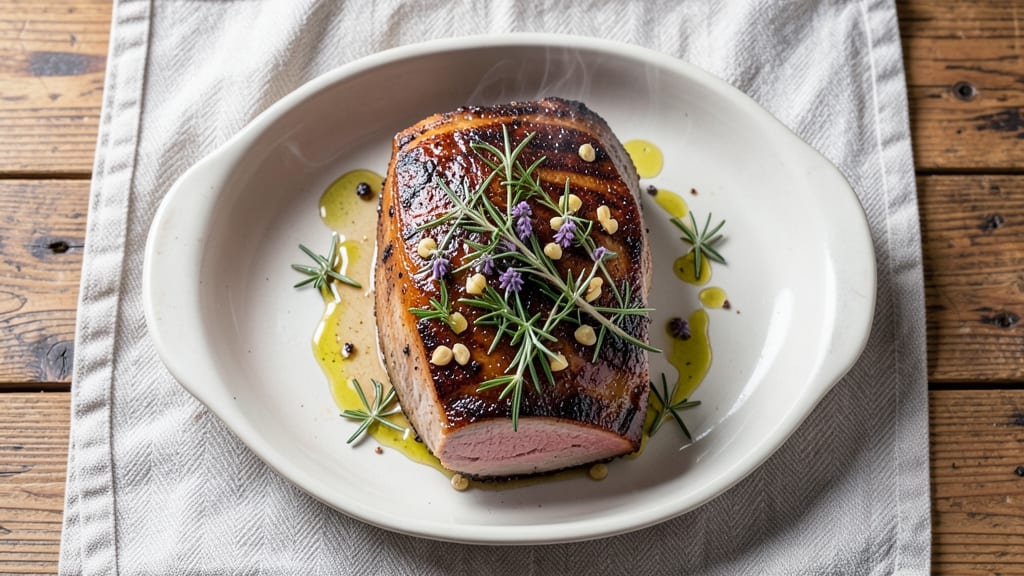
This boneless pork loin roast sous vide recipe transforms tough cuts into melt-in-your-mouth perfection with foolproof precision. After years of perfecting this method, I’ve cracked the code for restaurant-quality tenderness at home—no guesswork, no overcooking, just evenly cooked, juicy pork every time.
The secret lies in temperature control and vacuum sealing, ensuring your roast stays moist and flavorful from start to finish.
What sets this recipe apart is the simple yet effective seasoning blend that enhances the natural flavor of the pork without overpowering it. We’ll use a combination of herbs, garlic, and salt to create a subtle crust that seals in the juices during the sous vide process.
The magic happens at 145°F for 24 hours, allowing the pork to cook gently and evenly, resulting in a texture that’s tender yet firm—no dryness, no toughness.
Once your pork is perfectly cooked, we’ll sear it in a hot pan to create a caramelized crust that adds depth and visual appeal. Resting the roast properly ensures those juices redistribute, so every slice is juicy and flavorful.
This method isn’t just about cooking pork—it’s about mastering precision, and the results speak for themselves.
The best part? This recipe scales beautifully for gatherings or meal prep, and the leftovers reheat like a dream. Pair it with a simple roasted vegetable or a fresh salad to round out the meal.
Let’s get started on creating your most tender pork roast yet—no dry cuts in sight.
Ingredients for boneless pork loin roast recipe sous vide
Simple ingredients for restaurant-quality pork—no shortcuts, just precision and patience.
| Ingredient | Amount | Notes |
|---|---|---|
| Boneless Pork Loin Roast 🥩 | 3 lb | Center-cut, 1.5-inch thick |
| Extra-Virgin Olive Oil 🫒 | 2 tbsp | For vacuum sealing and searing |
| Kosher Salt 🧂 | 1 ½ tsp | Diamond Crystal preferred |
| Fresh Rosemary 🌿 | ¼ cup | Finely chopped, fresh preferred |
| Fresh Thyme 🌿 | ¼ cup | Leaves only, stems removed |
| Garlic Cloves 🧄 | 6 cloves | Smashed, not minced |
| Black Peppercorns 🌶️ | 1 ½ tsp | Freshly cracked, coarse grind |
| White Wine 🍷 | ½ cup | Dry, like Sauvignon Blanc |
| Unsalted Butter 🧈 | 4 tbsp | Cold, for searing crust |
| Vegetable Oil 🫒 | ¼ cup | High smoke point for searing |
| Fresh Parsley 🌿 | ⅛ cup | Chopped, for garnish |
The pork loin is the star here—center-cut and 1.5-inch thick for even cooking. Grab one from Whole Foods or your butcher, asking for the most marbled section (that's where the flavor hides). Fresh herbs make all the difference: rosemary and thyme from the grocery store's produce section should smell vibrant, not wilted. If you're using a vacuum sealer, pat the pork dry first—moisture creates steam and ruins the seal. For the wine, any dry white works, but Sauvignon Blanc or Pinot Grigio add brightness without overpowering.
No vacuum sealer? Plastic wrap and zip-top bags work in a pinch—just press out all the air before sealing. Short on fresh herbs? Dried rosemary at half the amount gets you close, but fresh is ideal. The garlic cloves should be smashed, not minced—this prevents them from turning to mush during the long cook. For the sear, high-smoke-point oil (like avocado or grapeseed) is key—olive oil burns too easily. If you're prepping ahead, season the pork 12 hours early—the flavors meld better.
Sous vide pork stays perfect for 3 days refrigerated or 2 months frozen. Sear it fresh for the best crust, but the cooked pork reheats beautifully—gentle oven at 275°F for 20 minutes keeps it juicy. Portion leftovers into meal-sized pieces for easy reheating. The crust? Use it all—it's the best part. Store extra butter in the freezer to prevent spoilage, and keep herbs wrapped in damp paper towels for 5 days max.
Why You'll Love This Recipe
- Herb-Perfect Every Time: The rosemary and thyme cling to the pork like a hug, and the olive oil keeps it juicy without drying out. That crispy skin after searing? It’s the kind of flavor that makes people ask, "What’s in this?"—and I get to say, "Just patience."
- Weeknight to Dinner Party: Same recipe, endless uses. Serve it sliced thin for sandwiches, shredded over salads, or as a whole roast for company. Between us, I’ve pulled this off for both my book club and my kid’s soccer team snacks—no one ever suspects it’s the same base.
- Leftovers That Don’t Suck: Sous vide pork stays tender for days, so I make a big batch and repurpose it. Cold slices in a grain bowl? Yes. Quick stir-fry with veggies? Absolutely. Even my picky teenager doesn’t complain—took me three tries to get the timing right, but now it’s my secret weapon.
Step-by-step instructions for sous vide pork loin roast
Here's how to achieve melt-in-your-mouth pork using precise sous vide technique.
Prep and Season the Pork Loin
Start by patting the 3 lb boneless pork loin roast completely dry with paper towels—this ensures maximum crispiness later. In a small bowl, combine the 1.5 teaspoons kosher salt, 1.5 teaspoons cracked black peppercorns, ¼ cup finely chopped fresh rosemary, and ¼ cup fresh thyme leaves. Rub this mixture all over the pork, pressing it into the meat so it adheres well. The seasoning should look evenly distributed, not just in clumps.
Let the seasoned pork rest at room temperature for 30 minutes while you prepare your sous vide setup. This step is crucial—it prevents temperature shock when the meat hits the water bath. I like to place it on a wire rack over a plate to allow air circulation on all sides.
Vacuum Seal with Olive Oil
Place the seasoned pork in a vacuum-sealing bag and add the 2 tablespoons extra-virgin olive oil. The oil helps create a protective barrier during cooking and adds subtle flavor. Seal the bag completely, removing as much air as possible. If you don't have a vacuum sealer, use the water displacement method: submerge the bag in water and seal it while submerged.
Check the seal carefully—you should see a strong vacuum pull when you try to separate the bag. This ensures even cooking and prevents surface drying. Place the sealed bag in the sous vide water bath set to 145°F for 24 hours. The low temperature breaks down collagen gently while keeping the meat incredibly tender.
Finish with Searing and Wine Reduction
After sous vide cooking, remove the pork from the bag and pat it dry again with paper towels. Heat ¼ cup vegetable oil and 4 tablespoons cold unsalted butter in a large skillet over medium-high heat until the butter foams. Sear the pork on all sides for 2-3 minutes per side until it develops a deep golden crust. The butter should bubble vigorously—this creates that coveted sear.
Once seared, remove the pork and pour the ½ cup dry white wine into the skillet. Scrape up all the browned bits from the bottom with a wooden spoon—this is where all the flavor lives. Simmer the wine for 3-4 minutes until reduced by half. The aroma should be rich and slightly nutty from the caramelized pork fond.
Rest and Serve with Fresh Herbs
Return the seared pork to the skillet and spoon the reduced wine sauce over it. Let it rest for 10 minutes before slicing—this allows the juices to redistribute throughout the meat. The internal temperature should reach about 150°F by the time you serve it.
Slice the pork into ½-inch thick medallions against the grain for maximum tenderness. Garnish each serving with 1 tablespoon chopped fresh parsley and drizzle with any remaining wine reduction. The result should be perfectly pink, ultra-tender pork with a crispy exterior and aromatic herb notes throughout.
Pro Tips For Making Boneless Pork Loin Roast Recipe Sous Vide
- Trim the Fat First: Pork loin can hide pockets of fat that ruin your vacuum seal—wipe it down with paper towels after trimming, then pat dry. I learned this the hard way when my first sous vide batch had an uneven texture because fat pockets created hot spots.
- Use 145°F for Medium: Pork loin hits peak tenderness at 145°F internal temp—any hotter and it dries out fast. My first few attempts at 150°F left me with rubbery meat, so I now stick to the USDA’s safe minimum and adjust seasoning to compensate.
- Bundle Herbs Loosely: Tie rosemary and thyme into a single bundle with kitchen twine, but leave it loose enough to release flavor—not so tight it turns into a flavor bomb. I used to crush stems directly on the meat, which made the herbs bitter and the oil turn muddy.
- Oil the Bag First: Coat the inside of your sous vide bag with olive oil before adding the pork—this prevents the meat from sticking to the plastic and makes searing later way easier. I was lazy about this for years until I realized it cut my post-sous vide sear time in half.
Essential equipment for perfect results
Sous Vide Machine
You absolutely need a reliable sous vide machine for this recipe—I recommend the Anova Precision Cooker for its precision and ease of use. It maintains water temperature within ±0.1°F, which is critical for consistent results.
For larger batches, the Breville Joule offers more capacity and advanced features like Wi-Fi control. If you're on a budget, the Zulay Sous Vide Immersion Circulator provides excellent value without sacrificing performance. 🌡️
Vacuum Sealer
A vacuum sealer is essential for creating an airtight environment that locks in moisture and flavors. I swear by the FoodSaver Vacuum Sealer System—it’s durable, easy to use, and handles everything from small herbs to large roasts.
For a more affordable option, the Nesco Food Saver works well for home cooks. If you don’t have one, you can use the water displacement method with heavy-duty zip-top bags and a bowl of water to remove air before sealing.
Precision Thermometer
Never skip this step—an instant-read thermometer is your best friend for checking doneness. The ThermoWorks ThermoPop is my go-to because it’s fast, accurate, and easy to clean. For sous vide cooking, I also use a probe thermometer like the Meater Plus to monitor the water bath temperature continuously.
These tools ensure your pork reaches the perfect 145°F internal temperature without guesswork. ⚡
Skillet and Tongs
For the sear, use a heavy-bottomed cast iron skillet—like a Lodge 10-inch—to distribute heat evenly and create that perfect crust. A pair of tongs makes flipping the pork easier, and I prefer OXO Good Grips for their comfort and durability.
If you don’t have cast iron, a stainless steel skillet like All-Clad works well too. Just avoid nonstick—it won’t give you the same crispy finish.
Optional: Sous Vide Bag
While you can use heavy-duty zip-top bags for sous vide cooking, I recommend sous vide-specific bags like those from Toppings Sous Vide Bags. They’re designed to withstand high temperatures and won’t leak or tear.
If you’re using zip-top bags, make sure they’re thick and food-grade—like Glad Press'n Seal—to prevent punctures during cooking. These bags make cleanup a breeze and ensure your pork stays perfectly sealed. 💫
Nutrition facts
Frequently asked questions
Can I use a thinner pork loin for this sous vide recipe?
Yes, but adjust the cooking time accordingly. For a 1-inch thick boneless pork loin, cook at 145°F for 12-16 hours instead of 24. Thinner cuts reach perfect doneness faster, but monitor closely to avoid overcooking. The key is maintaining that 145°F internal temperature—thickness just changes the timeline.
What if my sous vide machine doesn't maintain exact temperatures?
Even slight temperature fluctuations can affect texture, so use a probe thermometer to verify your water bath stays at 145°F. If your machine struggles, try adding 1 cup ice cubes to cool it down or adjusting the setting slightly. For best results, calibrate your device before starting. Precision matters most with sous vide!
How do I prevent the pork from drying out during the long cook?
The vacuum seal and olive oil create a moisture barrier, but patting the pork dry before searing is crucial. After sous vide, let it rest for 10 minutes before slicing—this keeps juices locked in. For extra insurance, add 1 tablespoon apple cider vinegar to the vacuum bag to tenderize the meat further.
Can I make this ahead of time for a dinner party?
Cook the pork 24 hours ahead and refrigerate in the vacuum bag. Sear and reduce the wine sauce just before serving. Reheat gently in a 275°F oven for 20 minutes to maintain tenderness. The flavors actually improve overnight as the seasonings meld. Perfect for stress-free entertaining!
What's the best way to serve this sous vide pork?
Pair it with complementary sides like roasted root vegetables or a creamy polenta to soak up the wine reduction. For a complete meal, add a simple arugula salad with lemon vinaigrette. The crispy sear and herb notes work beautifully with bright, acidic elements. Don't forget the extra wine sauce for drizzling!