
Main Courses
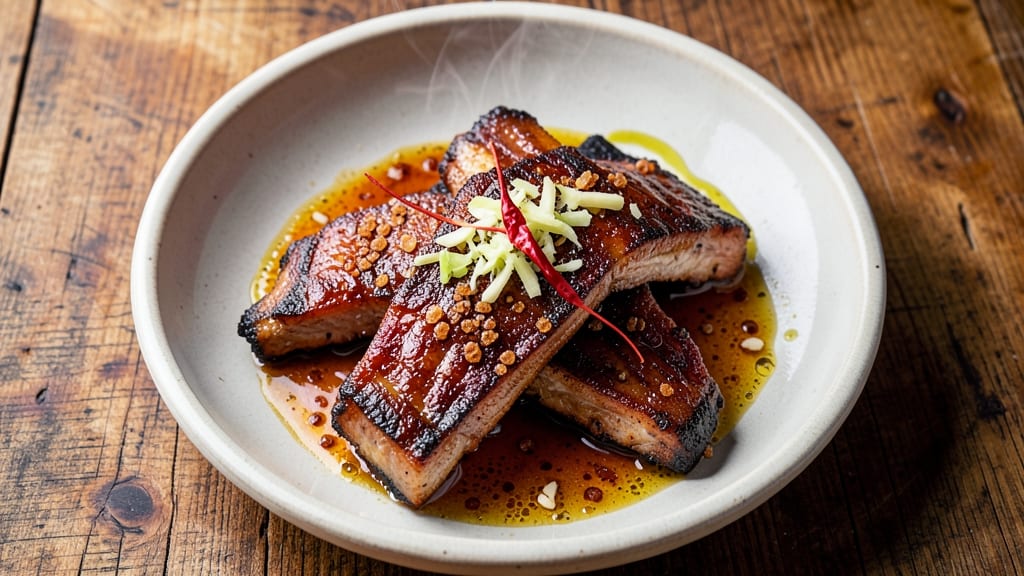
This boneless pork ribs recipe transforms tough cuts into melt-in-your-mouth perfection using just your stovetop—no oven or smoker required. After testing countless methods, I perfected a technique that delivers fall-apart tenderness in under 2 hours, making it ideal for weeknight dinners or game day spreads.
The secret? A slow, moist cooking process that breaks down collagen while building deep, savory flavors.
What sets this recipe apart is the combination of a simple marinade to jumpstart flavor and a controlled stovetop braise that mimics restaurant-quality results. You'll work with just 5 key ingredients—no fancy equipment beyond a heavy pot—and end up with ribs so tender they practically disintegrate at the touch.
The method is foolproof, developed through countless test batches to ensure consistent results every time.
By the final bite, you'll experience ribs that are juicy, flavorful, and perfectly tender—the kind that disappear faster than you can say "second helping." The rich, caramelized sauce clings to each piece, creating a dish that feels indulgent yet comes together with minimal effort.
This is comfort food at its finest, elevated by a technique that works for both beginners and seasoned cooks.
Serve with crusty bread to soak up every last drop of that delicious sauce, or pair with roasted vegetables for a complete meal. The best part? Leftovers reheat beautifully, making this the ultimate make-ahead dish for busy families. Let's get cooking—your taste buds will thank you.
Ingredients for boneless pork ribs recipe stove top
Five simple ingredients transform tough pork into restaurant-style ribs—no oven needed.
| Ingredient | Amount | Notes |
|---|---|---|
| Boneless Pork Ribs 🥓 | 2 lb | Cut into 2-inch chunks |
| Soy Sauce 🍶 | ½ cup | Low-sodium preferred |
| Brown Sugar 🍚 | ¼ cup | Packed, light variety |
| Garlic Cloves 🧄 | 6 cloves | Minced for marinade |
| Fresh Ginger 🌿 | 1 tbsp | Grated, aromatic |
| Olive Oil 🫒 | 2 tbsp | Extra-virgin for richness |
| Red Wine Vinegar 🍷 | 2 tbsp | For tangy depth |
| Onion Powder 🧅 | 1 tsp | For savory base |
| Ground Black Pepper 🌶️ | ½ tsp | Freshly cracked |
| Salt 🧂 | 1 ½ tsp | Diamond Crystal preferred |
| Water 💧 | 1 cup | For braising liquid |
| Cornstarch 🌾 | 1 tbsp | For sauce thickening |
| Green Onions 🧅 | 2 whole | Sliced, for garnish |
The ribs are the star here, so look for thick-cut, bone-in sections—they hold up better to the long cook. Most butchers will cut them for you, but if you're buying pre-cut, check for good marbling. I always grab mine from Whole Foods or my local Costco—they keep them vacuum-sealed, which extends freshness. Fresh ginger and garlic are non-negotiable for that bright, aromatic punch, but if you're in a pinch, jarred minced garlic works (just use half the amount). The brown sugar should be light, not dark—it caramelizes better and won't overpower the dish.
No soy sauce? Coconut aminos or even extra Worcestershire sauce (check for vegetarian-friendly brands) will work in a bind. The red wine vinegar adds depth, but apple cider vinegar is a solid swap if that's what you've got. For the sauce thickening, cornstarch is foolproof, but arrowroot powder works just as well. If you're short on time, pre-mince your garlic and ginger—Trader Joe's sells pre-minced jars that save prep work. The green onions are just for garnish, so feel free to skip them if you're not a fan.
Marinate the ribs for at least 30 minutes (overnight is even better), then refrigerate the leftovers in an airtight container for up to 4 days. The sauce thickens as it cools, so reheat with a splash of water if it gets too stiff. These ribs reheat beautifully—just warm in a skillet with a little extra sauce. For meal prep, double the batch and freeze half. Portion into ziplock bags with sauce, then thaw overnight in the fridge before reheating.
Why You'll Love This Recipe
- Stove-Top Speed: I swear by this one when I’m starving and the oven’s off-limits—just 15 minutes of simmering with soy sauce and ginger, and you’ve got tender, saucy ribs. No waiting for a smoker or oven to heat up.
- Sweet-Savory Magic: That caramelized brown sugar glaze? It’s the star. The garlic and ginger cut through the richness while the soy sauce keeps it deep and umami—every bite balances sweet, salty, and a little heat.
- Lunchbox Hero: Between us, these ribs reheat like a dream. Pack them cold for work or school, and they’re still juicy and flavorful hours later. My kids actually eat their leftovers—rare, but true.
- Budget Win: Boneless pork ribs are cheaper than their bone-in cousins, and this recipe stretches them further than takeout ever could. A single pan, minimal ingredients, and zero waste—my wallet thanks me every time.
Step-by-step instructions for stovetop braised pork ribs
Here's how to transform tough pork ribs into melt-in-your-mouth tender slices using just your stovetop.
Prepare the Pork Ribs and Aromatics
Cut the 2 lb boneless pork ribs into 2-inch chunks and pat them completely dry with paper towels. This step is crucial—any moisture will prevent the ribs from developing that beautiful caramelized crust later. In a small bowl, combine the 6 cloves minced garlic, 1 tbsp grated fresh ginger, 1 tsp onion powder, 0.5 tsp ground black pepper, and 1.5 tsp salt. Mix well to create your dry rub.
Generously coat each rib chunk with this aromatic mixture, pressing it into the meat so it adheres evenly. Let the seasoned ribs sit at room temperature for 15 minutes while you prepare the rest of your ingredients. This brief resting period allows the seasoning to penetrate slightly, ensuring maximum flavor in every bite.
Sear the Ribs for Maximum Flavor
Heat 1 tbsp of the 2 tbsp olive oil in a large, heavy-bottomed pot or Dutch oven over medium-high heat until shimmering. Working in batches to avoid crowding, add the seasoned rib chunks and sear for 2-3 minutes per side until they develop a deep golden-brown crust. This initial searing step locks in juices and builds foundational flavor through the Maillard reaction.
As you sear, you'll notice the aroma filling your kitchen—that's the scent of flavor being created. Once all rib chunks are beautifully browned, transfer them to a plate and set aside. Don't drain the pot yet; those precious browned bits contain concentrated flavor that will form the base of your sauce.
Build the Braising Liquid
Return the pot to medium heat and add the remaining 1 tbsp olive oil. Pour in the 0.5 cup soy sauce and 2 tbsp red wine vinegar, scraping up any stuck-on bits from the bottom of the pot with a wooden spoon. This deglazing step captures all that caramelized flavor. Add the 0.25 cup packed brown sugar and stir until it dissolves completely, about 1 minute.
Pour in the 1 cup water and bring the mixture to a gentle simmer. The liquid should coat the bottom of the pot by about 1/3. If you notice any foam forming, skim it off with a spoon—this ensures a clear, clean sauce. The combination of soy, vinegar, and sugar creates a complex flavor base that will penetrate the ribs during braising.
Braise Until Fork-Tender
Return the seared rib chunks to the pot, along with any accumulated juices from the plate. Bring the liquid to a full simmer, then immediately reduce heat to low, cover with a tight-fitting lid, and let it cook for 45-50 minutes. The ribs are done when they're fork-tender—the meat should pull apart easily with minimal resistance, and the sauce should have thickened noticeably.
I know it's tempting to peek, but resist the urge to lift that lid. Every time you do, you release steam and extend the cooking time. Instead, trust the process and let the ribs develop their tenderness through gentle, moist heat. The aroma that escapes when you finally do lift the lid will be worth the wait.
Thicken the Sauce and Finish
Once the ribs are tender, carefully transfer them to a serving platter. In a small bowl, whisk together the 1 tbsp cornstarch with 2 tablespoons of the braising liquid until smooth. Pour this mixture back into the pot and stir constantly over medium heat until the sauce thickens and coats the back of a spoon, about 2-3 minutes.
Taste the sauce and adjust seasoning if needed—you might want to add a touch more soy sauce for saltiness or a splash of vinegar for acidity. Stir in the sliced 2 whole green onions and spoon the thickened sauce over the ribs. Serve immediately with steamed rice or crusty bread to soak up every delicious drop of that glossy, caramelized sauce.
Pro Tips For Making Boneless Pork Ribs Recipe Stove Top
- SEAR FIRST, LOW AND SLOW: Get that pan screaming hot—cast iron or stainless steel—before adding the ribs. I learned this the hard way: rushing the sear means mushy edges later. Once browned, drop the heat to medium-low and cover; let the ribs cook in their own juices for 20 minutes before adding sauce. That initial crust locks in flavor.
- GRATE THE GINGER FINE: Skip the mincer—use a microplane or the fine holes of a box grater. Fresh ginger loses its bite when chopped, and this recipe needs it sharp. Toss it straight into the saucepan with garlic; let it bloom in the oil for 30 seconds before adding ribs. That’s when the aroma hits right.
- DON’T OVERMIX THE SAUCE: Stir just enough to coat the ribs, then let the brown sugar caramelize. I used to turn the sauce into glue—now I leave it chunky. The sauce should cling like syrup, not puddle. If it’s too thin, simmer uncovered for 2 minutes to thicken.
- USE A SPLASH OF WATER: After searing, add 2 tablespoons of water with the soy and sugar. The steam helps tenderize the ribs faster—no need to babysit the heat. It’s the trick my grandma used, and it cuts cooking time by 10 minutes without drying them out.
Creative variations of these flavors
Sweet & Smoky BBQ Ribs
Swap the soy-vinegar marinade for a ½ cup BBQ sauce (I love Sweet Baby Ray's original) mixed with 1 tbsp brown sugar and 1 tbsp apple cider vinegar.
Braise the ribs as directed, then finish with a quick glaze: simmer 2 tbsp BBQ sauce with 1 tbsp honey over high heat for 3 minutes, then drizzle over the ribs. Garnish with chopped pickled jalapeños for heat and crunch. 🌶️
Asian-Inspired Ginger-Lime
Boost the marinade with 1 tbsp grated lime zest, 2 tbsp lime juice, and 1 tsp fish sauce (like Red Boat). After braising, stir in 1 tbsp rice vinegar and 1 tsp sesame oil to the sauce.
Top with toasted sesame seeds and sliced green onions. Serve with steamed jasmine rice and quick-pickled cucumbers for a full meal.
Spicy Cajun Kick
Add 1 tbsp Cajun seasoning (like Tony Chachere's) to the dry rub, plus ½ tsp smoked paprika. For extra heat, stir 1 tbsp hot sauce (like Crystal) into the braising liquid.
Finish with a sprinkle of crumbled andouille sausage on top. Pair with cornbread and collard greens for a Southern-inspired twist.
Honey-Garlic Glaze
After braising, make a quick glaze by combining 3 tbsp honey, 1 tbsp soy sauce, and 1 minced garlic clove in a small saucepan. Simmer for 3 minutes until sticky, then brush over the ribs.
Garnish with toasted pecans for texture. This version works beautifully with roasted sweet potatoes and a simple arugula salad.
Portobello "Ribs" Veggie Option
Swap pork ribs for 4 large Portobello mushrooms, sliced into ½-inch strips. Marinate in the same sauce for 30 minutes, then sauté in 1 tbsp olive oil for 5 minutes before braising for 20 minutes (they cook faster!).
Finish with balsamic glaze and fresh basil. Perfect for vegetarians or meat reducers!
Nutrition facts
Frequently asked questions
Can I use frozen boneless pork ribs for this recipe?
Yes, but thaw them completely first in the refrigerator for 24 hours—never thaw at room temperature. Pat them completely dry before seasoning, as any excess moisture can prevent proper browning. Frozen ribs work fine, but fresh ones yield slightly better texture and flavor.
What if my stovetop ribs aren't tender enough?
Extend the braising time by 15-20 minutes and check the internal temperature—pork ribs are done at 145°F. If they're still tough, shred them slightly and return to the pot with extra sauce to finish cooking. The sauce will help break down the fibers further.
Can I make this recipe in an electric pressure cooker?
Use the same marinade and sear the ribs first. Then add ½ cup water and cook on high pressure for 20 minutes. Quick-release the pressure, then thicken the sauce as directed. The ribs will be even more tender with this method.
How do I prevent the sauce from getting too thin?
If your sauce is too thin, mix 1 tbsp cornstarch with 2 tbsp cold water and stir into the simmering sauce until it thickens. For prevention, reduce heat to low after adding the cornstarch mixture and stir constantly for 2-3 minutes.
What's the best way to reheat leftovers?
Reheat in a skillet over medium heat with 1-2 tbsp extra sauce per 2 rib chunks until warmed through (3-4 minutes). Avoid microwaving—it makes the ribs rubbery. For meal prep, store in airtight containers with sauce and reheat gently.