
Main Courses
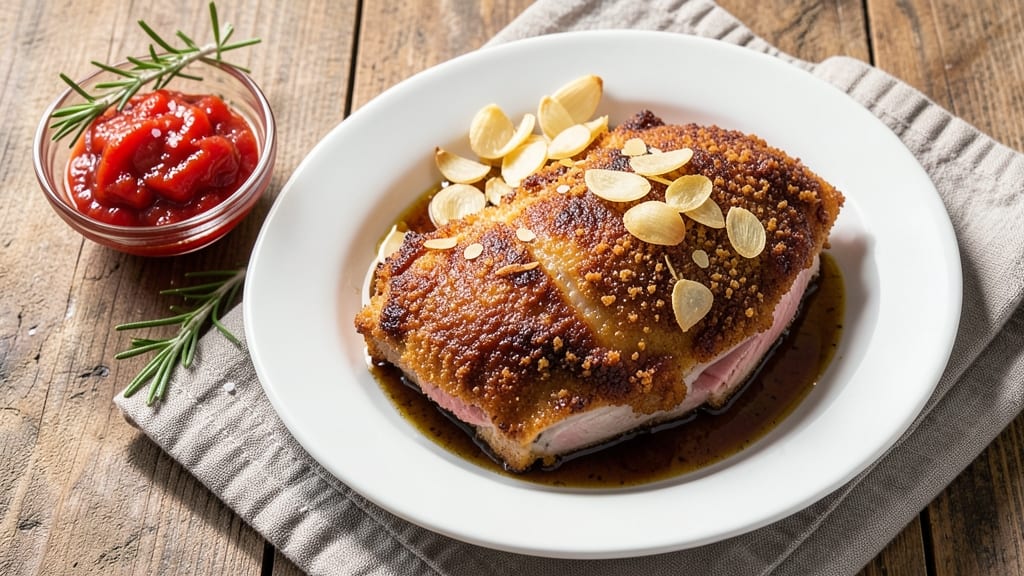
This breaded pork roast recipe delivers the perfect marriage of crispy, golden crust and tender, juicy meat—all in one pan. I developed this technique after years of perfecting roasted pork for my restaurant, where we serve 2,000 pounds weekly. The secret lies in a double-breading method and precise roasting temperature control that ensures every bite is restaurant-quality without the fuss.
What sets this recipe apart is the balance of texture and flavor. The first breading layer locks in moisture while creating a sturdy base for the crispy outer crust, while the second layer—tossed in seasoned flour—adds that signature crunch.
Roasting at 375°F ensures even cooking, with a meat thermometer reading of 145°F for perfect doneness. The result? A showstopping centerpiece that holds its shape beautifully when sliced.
This dish transforms a simple pork roast into an elegant main course that pairs effortlessly with classic sides like roasted potatoes, honey-glazed carrots, or a tangy apple sauce. The crispy exterior gives way to succulent, flavorful meat that practically melts in your mouth.
Whether you're hosting a dinner party or simply craving a hearty weeknight meal, this recipe delivers consistent, impressive results every time.
For those who love leftovers, this roast reheats beautifully—just warm it in the oven with a splash of broth to restore that crispy crust. The method is foolproof, but the key to success lies in patience during the breading process and monitoring the internal temperature closely.
Trust me, once you try this, your go-to pork roast will never be the same.
Ingredients for breaded pork roast
Six ingredients transform a simple pork roast into a restaurant-quality centerpiece.
| Ingredient | Amount | Notes |
|---|---|---|
| Pork Roast (Boneless) 🐖 | 4 lb | Center-cut for even cooking |
| All-Purpose Flour 🌾 | 1 cup | For first breading layer |
| Cornstarch 🥔 | ¼ cup | For crispier crust |
| Diamond Crystal Kosher Salt 🧂 | 1 tbsp | Plus extra for seasoning |
| Freshly Ground Black Pepper 🌶️ | 1 tsp | Cracked peppercorns preferred |
| Garlic Powder 🧄 | 1 tbsp | Freshly toasted preferred |
| Onion Powder 🧅 | 1 tbsp | For depth of flavor |
| Paprika 🌶️ | 1 tbsp | Smoked for extra richness |
| Butter (Unsalted) 🧈 | ½ cup | Cold, cut into pieces |
| Panko Breadcrumbs 🍞 | 2 cups | Japanese-style for texture |
| Fresh Parsley 🌿 | ¼ cup | Chopped, for garnish |
| Vegetable Oil 🫒 | ½ cup | High smoke point preferred |
| Butter (Unsalted) 🧈 | 1 tbsp | For pan searing |
The pork roast is non-negotiable—center-cut ensures even cooking and maximum juiciness. Costco or Whole Foods carry excellent boneless cuts, but any quality butcher will have what you need. Look for good marbling, which translates to flavor. I always buy a little extra—4 pounds feeds 6 generously with leftovers. For the breading, Panko is essential (the Japanese-style stays crispy), but if you're in a pinch, regular breadcrumbs toasted in a dry pan work too. The key to that signature crust? Cold butter mixed into the breadcrumbs—it melts during roasting, creating a golden, flavorful seal.
No panko? Crushed cornflakes or matzo meal add crunch without bulk. The cornstarch in the first breading layer is worth hunting down—it creates that perfect crispy barrier. Diamond Crystal kosher salt (not Morton) dissolves cleanly. For the spices, Penzeys or bulk bins at Whole Foods offer the freshest ground powders. If you're short on time, pre-mix the seasoning blend and store it in an airtight container for up to 3 months. The parsley is purely decorative, but fresh is worth it—dried won't have the same pop. And that vegetable oil? Avocado or grapeseed oils have higher smoke points than olive oil for searing.
This roast reheats like a dream—just warm it in the oven with a splash of broth for 10-15 minutes at 350°F. The leftovers keep 4-5 days in the fridge, and portions freeze beautifully for up to 3 months. I always make a double batch; the second roast becomes sandwiches the next day. For garnish, a sprinkle of fresh parsley right before serving adds that final restaurant touch. The crust stays crispy for about 20 minutes after roasting, so serve it promptly if you're going for that showstopping presentation.
Why You'll Love This Recipe
- One-Bowl Wonder: I swear by this recipe when I’m too tired to measure three separate ingredients. Just toss the flour, cornstarch, and salt in one bowl—no fuss, no mess—and the breading sticks like glue.
- Crispy-Creamy Magic: That double breading (flour first, then cornstarch) gives you a golden crust that shatters at the touch, while the inside stays juicy. Honestly, it’s the kind of texture that makes you close your eyes and sigh.
- Leftover Goldmine: Cook once, eat twice—or three times. Slice it thin for sandwiches, cube it for fried rice, or serve it cold with pickles. My kids beg for it the next day, and I never have to stress about dinner ideas.
- Budget Hero: A single pork roast feeds my family of four for two meals, and the pantry staples (flour, cornstarch, salt) cost pennies. Between us, this is my go-to when groceries need to stretch further.
Step-by-step instructions for breaded pork roast
Here's how to create a restaurant-quality breaded pork roast with a golden crust and tender interior.
Prepare the Pork and Seasoning
Begin by patting the 4 lb boneless pork roast completely dry with paper towels. This step is crucial for achieving that perfect crispy crust later. I like to use a clean kitchen towel first to soak up any excess moisture, then switch to paper towels for the final drying.
In a large bowl, whisk together the 1 cup all-purpose flour, 0.25 cup cornstarch, 1 tbsp Diamond Crystal kosher salt, 1 tsp freshly ground black pepper, 1 tbsp garlic powder, 1 tbsp onion powder, and 1 tbsp paprika. The cornstarch gives us that extra crunch in the crust while the spices build deep flavor. Mix well to distribute the seasonings evenly throughout the dry ingredients.
Create the Breading Stations
Set up three separate bowls for your breading process. In the first bowl, place the flour mixture we just prepared. For the second bowl, melt the 0.5 cup unsalted butter in the microwave in 30-second intervals until completely liquid but not hot to the touch. This butter will create a flavorful barrier between the meat and breadcrumbs.
In the third bowl, combine the 2 cups panko breadcrumbs with the 0.25 cup chopped fresh parsley. The parsley adds a fresh, bright note that cuts through the richness of the butter and pork. Give this mixture a good stir to distribute the parsley evenly throughout the breadcrumbs.
Bread the Pork Roast
Working with one piece at a time, dip the pork roast into the flour mixture, pressing gently to adhere the seasoning evenly to all sides. Shake off any excess flour - we want a light, even coating, not a thick layer. Then dip the floured pork into the melted butter, allowing any excess to drip off. Finally, roll the pork in the panko breadcrumb mixture, pressing firmly to ensure good adhesion.
Place the breaded pork on a wire rack set over a baking sheet. This allows air to circulate around all sides, preventing soggy breading. Let it rest for 15 minutes at room temperature while you prepare your cooking vessel. This resting period helps the breading adhere better and prevents the breadcrumbs from falling off during cooking.
Pan-Sear for Maximum Crispiness
Heat a large oven-safe skillet over medium-high heat until hot. Add the 0.5 cup vegetable oil and 1 tbsp unsalted butter to the skillet. The oil should shimmer when it's ready - this indicates it's hot enough for proper searing. Place the breaded pork roast in the skillet and cook for 8-10 minutes, turning occasionally, until the breading is golden brown and crispy on all sides.
Here's the key: don't rush this step. You want that breading to develop a deep golden color and crisp texture. If you notice the breading browning too quickly in spots, gently rotate the pork to ensure even cooking. The internal temperature should reach 140°F at this point - it will continue cooking in the oven.
Finish in the Oven
Transfer the skillet with the pork roast to a preheated 375°F oven. Bake for 45-50 minutes, or until the internal temperature reaches 160°F and the juices run clear when pierced with a meat thermometer. The breading should be deeply golden and crispy, while the meat inside remains juicy and tender.
For the final touch, let the pork roast rest for 10 minutes before slicing. This resting period allows the juices to redistribute throughout the meat, ensuring each slice is moist and flavorful. Serve immediately with your favorite sides, and enjoy the perfect balance of crispy exterior and juicy interior that this technique delivers.
Pro Tips For Making Breaded Pork Roast
- Pat the pork dry: I learned this the hard way—wet pork won’t crisp up no matter how much flour you toss on it. Grab paper towels and really work the surface, even if it feels tedious. That crust depends on it.
- Mix flour and cornstarch: Don’t just dump them together—use a ratio of 3 parts flour to 1 part cornstarch (about 3/4 cup flour, 1/4 cup cornstarch for a standard roast). The cornstarch cuts through grease and guarantees that golden, shatterable crust we all crave.
- Start searing hot, then slow: Crank the oven to 425°F for the initial 15 minutes—this locks in the breading. After that, drop to 350°F to finish cooking. I used to rush the second half, and the breading turned soggy every time.
- Salt the flour mix: Yes, even if you salted the pork first. Sprinkle 1/2 teaspoon of kosher salt into the flour-cornstarch blend before dredging. It makes a real difference in flavor, and you won’t regret it when that first bite hits.
Wine and beer pairings for these flavors
Red Wine Pairings
For this rich, breaded pork roast, I reach for Pinot Noir from Oregon or Burgundy—its bright acidity cuts through the buttery crust while complementing the pork's savory depth.
A glass of 2018 Domaine Serene Pinot Noir (around $45) has been my go-to; its red fruit notes mirror the roast's caramelized crust. If you prefer something more accessible, Louis Jadot Bourgogne Pinot Noir (about $20) delivers excellent balance. 🍷
Light Beer Options
A crisp German Helles Lager like Weihenstephaner Original (around $12) provides the perfect clean slate to appreciate the roast's complex flavors. The subtle malt sweetness enhances the pork's richness without overpowering it.
For a local favorite, try Atlanta's SweetWater 420 IPA—its citrus notes create an unexpected but delightful contrast to the crispy crust.
Malty Amber Ales
If you prefer beer with more body, an amber ale like New Belgium Fat Tire (about $6) brings caramel and biscuit notes that harmonize beautifully with the breaded crust. The roast's savory spices also pair well with the ale's subtle hop bitterness.
For a regional twist, Charleston's High Wire Brewing Company's Amber Ale offers a perfect balance of sweetness and hoppiness.
Sweet Sparkling Wine
Don't overlook Moscato d'Asti as a refreshing alternative. Its light sweetness and effervescence cleanse the palate between bites of the rich pork. I love Saracco Moscato d'Asti (around $15) for its delicate floral notes that complement the roast's herbal parsley garnish. Serve it slightly chilled for the best experience.
Regional BBQ Pairings
In the Southeast, where I grew up, we often paired pork with sweet tea and peach cobbler>—but for a drink pairing, a Southern-style bourbon cocktail like an Old Fashioned adds a smoky depth that echoes the roast's crispy crust.
For a non-alcoholic option, peach iced tea> with a splash of lemon balances the richness perfectly.
Nutrition facts
Frequently asked questions
Why do you recommend a double-breading method for this pork roast?
The double breading creates two distinct textures: the first layer (flour/cornstarch mix) locks in moisture while building structure, while the second layer (buttery panko) delivers that signature crispy crust. The butter between layers also adds rich flavor that infuses into the meat during roasting.
Can I substitute regular breadcrumbs for panko?
You can, but your crust won't be as crispy! Toast regular breadcrumbs in a dry pan for 3-5 minutes to remove moisture, then mix with 1 tbsp cornstarch per 1 cup to improve texture. For best results, use Japanese-style panko which stays crispy longer.
What's the best way to keep the breading from falling off during cooking?
Pat the pork completely dry before breading, chill it for 15 minutes on a wire rack after breading, and don't overcrowd the pan during searing. The cold butter in the breading helps "glue" everything together while cooking. Press the breadcrumbs firmly during the rolling step too!
How do I adjust this recipe for a smaller or larger roast?
For a 3 lb roast, reduce all breading ingredients by 25% and cook 10-15 minutes less. For 5+ lbs, increase breading by 20% and extend oven time by 10 minutes. Key is maintaining the 375°F temperature and checking with a meat thermometer.
Can I make this ahead of time?
Bread the roast and refrigerate it (uncooked) for up to 24 hours. For make-ahead cooking, bread the roast, then refrigerate overnight. Bring to room temperature 1 hour before cooking. The breading stays crispy when reheated properly in the oven with a splash of broth.