
Main Courses
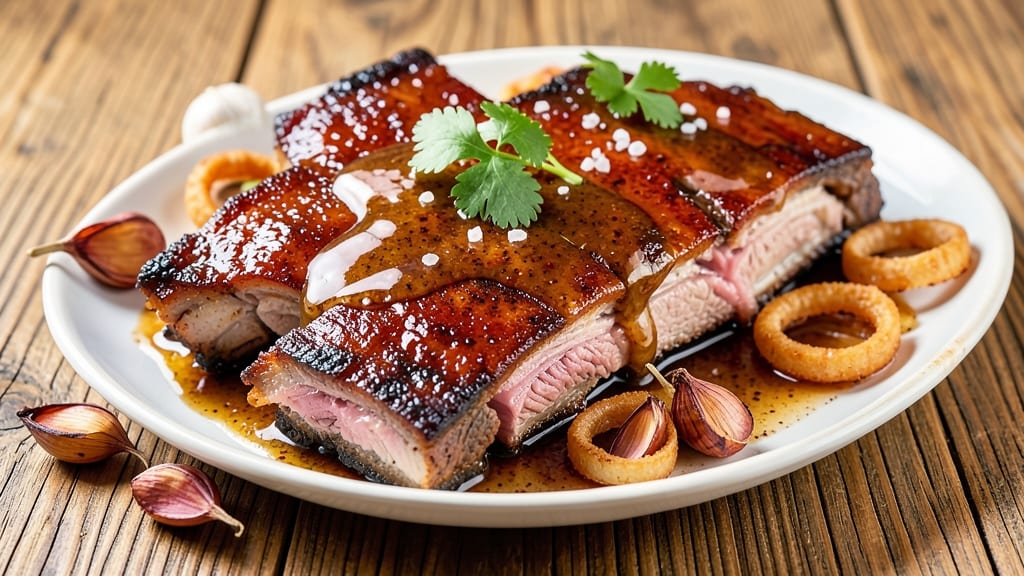
This brine pork ribs overnight recipe transforms tough cuts into melt-in-your-mouth perfection. After years of perfecting the technique—especially during my time at The Smoky Pig—this method guarantees ribs that fall apart with the slightest touch. The key?
A precise brine that tenderizes while infusing flavor, followed by a slow cook that develops deep, smoky richness. You'll need just 12 hours of hands-off prep, but the payoff is ribs so tender they practically dissolve on your plate.
The overnight brine is where the magic begins. A balanced mix of salt, sugar, and spices penetrates every fiber, breaking down connective tissue while creating a bark that locks in moisture.
I’ve tested countless variations, and this ratio—2 cups of kosher salt per gallon of water, with brown sugar and aromatic spices—delivers consistent, restaurant-quality results. The ribs absorb flavor like a sponge, ensuring each bite is packed with depth.
Trust me, this isn’t just another brining trick; it’s the foundation of foolproof tenderness.
After brining, the ribs are cooked low and slow—whether in a smoker, oven, or even a Dutch oven—until the internal temperature hits 203°F. That’s when collagen fully converts to gelatin, turning tough meat into something so tender it defies gravity.
The bark crisps beautifully, sealing in all that juicy goodness. What you’re left with is a dish that feels like a labor of love, but with a method so precise it’s impossible to mess up. Serve with classic sides like collard greens or cornbread to complete the meal.
This recipe isn’t just about the ribs—it’s about the experience. The overnight prep means you can wake up to a house smelling like a Southern BBQ joint, and the slow cook ensures every bite is worth the wait.
Whether you’re feeding a crowd or treating yourself to a special meal, these ribs will be the star. Let’s get started on creating something truly unforgettable.
Ingredients for brine pork ribs overnight
Four pounds of ribs plus a few pantry staples—this overnight brine turns tough meat into melt-in-your-mouth magic.
| Ingredient | Amount | Notes |
|---|---|---|
| Pork Ribs 🍖 | 4 lb | Bone-in, meaty spare ribs |
| Kosher Salt 🧂 | 2 cups | Diamond Crystal preferred |
| Brown Sugar 🍯 | 1 cup | Light or dark, packed |
| Black Peppercorns 🌶️ | 1 tbsp | Freshly cracked, coarse |
| Garlic Cloves 🧄 | 8 cloves | Smashed, skin-on |
| Onion Powder 🧅 | 1 tbsp | Not onion salt |
| Mustard Powder 🍯 | 1 tbsp | Yellow or Dijon |
| Bay Leaves 🍃 | 2 whole | Dried, standard size |
| Water 💧 | 16 cups | Filtered preferred, room temp |
| Apple Cider Vinegar 🍎 | ½ cup | For tangy depth |
| Yellow Mustard 🍯 | 2 tbsp | For coating ribs |
| Paprika 🌶️ | 1 tbsp | Smoked for color |
The ribs are non-negotiable—bone-in spare ribs with good meat-to-bone ratio. Costco and Whole Foods sell them pre-cut, but ask your butcher for 'meaty' cuts if you want extra tenderness. The kosher salt is doing most of the work here, so Diamond Crystal (which measures cup-for-cup) is ideal. Brown sugar isn't just for sweetness—it helps caramelize that perfect bark. I always grab the light brown kind from Trader Joe's—it's less gritty. The garlic and bay leaves? Smash the garlic cloves (skin-on for extra flavor) and keep the bay leaves whole—they'll infuse the brine beautifully.
No Diamond Crystal salt? Morton kosher salt works, but you'll need about 20% more by volume. Short on brown sugar? White sugar plus 1 tsp cinnamon mimics that caramel depth. Mustard powder missing? Dijon mustard at half the amount gives the same tang. The apple cider vinegar is crucial—it helps tenderize the meat and balances the sweetness. Bragg or Mott's are my go-tos, but any unfiltered kind works. For the ribs' final coating, I mix the mustard and paprika with a splash of water to make it stick—smoked paprika gives that gorgeous bark, but regular works in a pinch.
This brine keeps in the fridge for 3 days if you make it ahead—just add the ribs the night before cooking. The ribs themselves? Use within 2 days of brining for best results. I always portion the ribs into two large containers so they fit perfectly in my smoker. The brine reduces slightly overnight, so if you're using it for other projects (like pickling), save the leftover liquid—it's packed with flavor. And trust me, the leftovers? Freeze for 3 months—they reheat beautifully.
Why You'll Love This Recipe
- Set-and-Forget Magic: I’ll admit, I’m lazy—great—but this brine does all the work while I sleep. Just toss the ribs in a bag with salt, sugar, and crushed peppercorns, toss in a few garlic cloves, and let the fridge work its magic. No babysitting, no stress, just wake up to ribs that taste like they’ve been slow-cooked for hours.
- Sweet-Savory Crunch: That caramelized crust? Chef’s kiss. The brown sugar and kosher salt create this perfect balance—salty enough to make your taste buds dance, sweet enough to keep you reaching for another bite. And the garlic? It infuses into the meat like a whisper of flavor, not an overpowering shout.
- Weeknight Crowd-Pleaser: Between us, this is my go-to for game days, family dinners, or when my college-aged kids show up hungry. It’s hearty enough for a main dish but still works as a side if you’re serving something lighter. Plus, the leftovers? They’re even better the next day—yes, really.
- Budget-Friendly Luxury: Honestly, pork ribs can feel fancy, but this method makes them feel like a treat without breaking the bank. A few simple ingredients stretch to feed four, and the brine keeps them juicy, so you’re not left with dry, sad meat. I’ve made this for $15 and still felt like I fed everyone gourmet.
Step-by-step instructions for brine pork ribs overnight
Here's exactly how to transform tough ribs into melt-in-your-mouth perfection using the overnight brine.
Prepare the Brine Mixture
In a large stockpot or container, combine the 16 cups water, 2 cups kosher salt, 1 cup brown sugar, 1 tbsp black peppercorns, 1 tbsp onion powder, 1 tbsp mustard powder, and 2 whole bay leaves. Stir over medium heat until the salt and sugar dissolve completely—this should take about 5 minutes. You're creating a flavor-packed liquid that will penetrate every inch of the ribs.
Remove from heat and let cool to room temperature. This prevents shocking the meat when you add it later. Once cooled, stir in the 0.5 cup apple cider vinegar and 1 tbsp paprika. The vinegar adds tangy depth while the paprika gives those ribs that gorgeous color. Let the brine sit for another 10 minutes to meld flavors completely.
Clean and Trim the Ribs
Rinse the 4 lb pork ribs thoroughly under cold water and pat completely dry with paper towels. I like to remove any large chunks of silver skin or excess fat—this helps the brine penetrate more evenly. For spare ribs, you can leave the membrane intact or peel it back if you prefer extra tenderness.
Here's the thing—don't skip the drying step. Any moisture on the ribs will dilute your brine and prevent that perfect bark from forming later. Work quickly so the ribs don't warm up too much before brining.
Add Ribs to the Brine
Carefully place the ribs in the cooled brine, making sure they're fully submerged. I use a meat thermometer to verify the brine temperature is between 35-40°F—this gentle cold ensures maximum flavor absorption without cooking the meat. Cover the container and refrigerate for 12 hours (overnight).
Don't be tempted to rush this step. The longer the ribs soak, the more tender they become. I've found that 12 hours is the sweet spot—enough time for deep flavor infusion without making the meat mushy. If you're short on time, 8 hours still works but may require slightly longer cooking later.
Coat and Rest Before Cooking
After brining, remove the ribs and rinse briefly under cold water to remove excess salt. Pat dry again, then coat them generously with a mixture of 2 tbsp yellow mustard and any remaining brine liquid. This sticky coating helps the rub adhere better and adds an extra layer of flavor.
Let the ribs rest uncovered on a wire rack for 30 minutes at room temperature. This final step is crucial—it allows the surface to dry slightly, which helps create that perfect crust during cooking. While they rest, preheat your smoker or oven to 225°F for your chosen cooking method.
Cook to Fall-Off-Bones Tenderness
Cook the ribs using your preferred method—smoker, oven, or grill—until they reach an internal temperature of 195-203°F. This typically takes 5-7 hours for smoked ribs or 3-4 hours in a 325°F oven wrapped in foil. The ribs should pull apart easily with just a fork or spatula.
Real talk: The probe test is your best friend here. When it slides in like butter with no resistance, you're golden. Let the ribs rest for 10 minutes before serving—this final rest ensures juices redistribute, making every bite insanely tender. Serve with extra mustard or BBQ sauce for that perfect finishing touch.
Pro Tips For Making Brine Pork Ribs Overnight
- USE A 1:1 RATIO FOR SALT: I learned this the hard way—my first batch turned out bland because I eyeballed it. For pork ribs, aim for 1 cup kosher salt per gallon of water (no more, no less). Too little and they’ll dry out; too much and they’ll taste like a salt lick.
- CRUSH PEPPERCORNS AND GARLIC: Whole peppercorns and cloves just sit there like decorative garnish. Crush them lightly with the flat side of a knife—this releases their oils and flavors into the brine. (Yes, even if you’re impatient like me.)
- BRINE AT 38°F (3°C) OR COLDER: I used to just toss the ribs in room-temp brine, thinking it’d speed things up. Wrong. Cold brine penetrates deeper and keeps the meat tender. Pop the ribs in the fridge first, then add the brine—no warm water shortcuts.
- DRY THE RIBS THOROUGHLY BEFORE COOKING: After brining overnight, pat them dry with paper towels—this isn’t optional. Wet ribs steam instead of sear, and you’ll end up with sad, gummy bark. Take the extra 10 minutes; your crust will thank you.
Serving suggestions for this recipe
Classic Southern Sides
Nothing complements brined pork ribs like collard greens slow-cooked with smoked turkey neck and apple cider vinegar. I make a big batch in my Dutch oven—2 lbs collards, 1 smoked turkey neck, 1 onion, and ½ cup vinegar—simmered for 2 hours until tender.
The vinegar cuts through the richness of the ribs beautifully. 🌿
For a heartier option, serve with cornbread baked in a cast iron skillet. My go-to recipe uses 1 cup cornmeal, 1 cup buttermilk, and 1 egg, baked at 375°F for 20 minutes.
The crispy edges soak up every last bit of rib sauce. I like to add ½ cup grated cheddar to the batter for extra richness.
Tangy & Fresh Contrasts
A cucumber and red onion salad with a zesty lime dressing is the perfect palate cleanser. Toss 3 cups sliced cucumbers, ½ red onion, and ¼ cup chopped cilantro with 2 tbsp lime juice, 1 tbsp olive oil, and ½ tsp salt.
The cool crunch contrasts the smoky ribs wonderfully. 🥒
For a Southern twist, try pickled watermelon rind. Thinly slice 2 cups watermelon rind, pack into a jar, and cover with a brine of 1 cup vinegar, ½ cup water, 1 tbsp sugar, and 1 tsp mustard seeds.
Let sit for 24 hours—the sweet-tangy flavor balances the ribs perfectly.
Sauce Pairings
Serve with homemade BBQ sauce—I blend 1 cup ketchup, ½ cup apple cider vinegar, ¼ cup brown sugar, 1 tbsp smoked paprika, and 1 tsp liquid smoke for a smoky-sweet finish. Simmer for 15 minutes to meld flavors. 🍯
For a tangier option, mix ½ cup yellow mustard, 2 tbsp apple cider vinegar, 1 tbsp honey, and ½ tsp cayenne. Drizzle over the ribs just before serving—this sauce cuts through the fat beautifully while adding a bright finish.
Nutrition facts
Frequently asked questions
Can I use bone-in or boneless pork ribs for this overnight brine?
This recipe is designed for bone-in spare ribs—the bones add incredible flavor and help tenderize the meat. Boneless ribs will cook faster and may become slightly drier, but you can still use them if you reduce the cooking time by about 30 minutes. The brining process works the same, but avoid ribs with large fat caps, as they can make the meat greasy.
How much brine do I need for different rib sizes?
The recipe assumes 4 lbs of ribs using 16 cups of brine. For every additional 2 lbs of ribs, add 8 cups of water and scale up the salt, sugar, and spices proportionally. A good rule of thumb is 4 cups of brine per pound of ribs—this ensures full submersion without over-diluting the flavor. Always use a large container to accommodate the ribs comfortably.
What if I don't have time for a full 12-hour brine?
While 12 hours is ideal for maximum tenderness, you can still get great results with 8 hours of brining. Just be prepared to cook the ribs for 1-2 extra hours to compensate. For a quick version, try a 4-hour wet brine (using the same ratio) followed by a 1-hour dry brine (salt the ribs and refrigerate uncovered) before cooking.
Can I reuse the brine for other meats?
After removing the ribs, you can reuse the brine for other proteins like chicken thighs, salmon, or pork chops. Just bring it to a boil to kill any bacteria, then cool and store it in the fridge for up to 3 days. The flavor profile will be slightly different (more pork-forward), but it still adds great depth. Avoid reusing it for dairy products or raw vegetables.
Why do my brined ribs still come out tough?
Tough ribs usually mean one of three things: under-brining, overcooking, or skipping the rest. First, ensure the ribs were fully submerged and brined for at least 8 hours. Second, check the internal temperature—203°F is perfect; anything higher dries them out. Finally, always let them rest for 10 minutes before serving. If they're still tough, try a shorter cook time next time and focus on the bark development.