
Main Courses
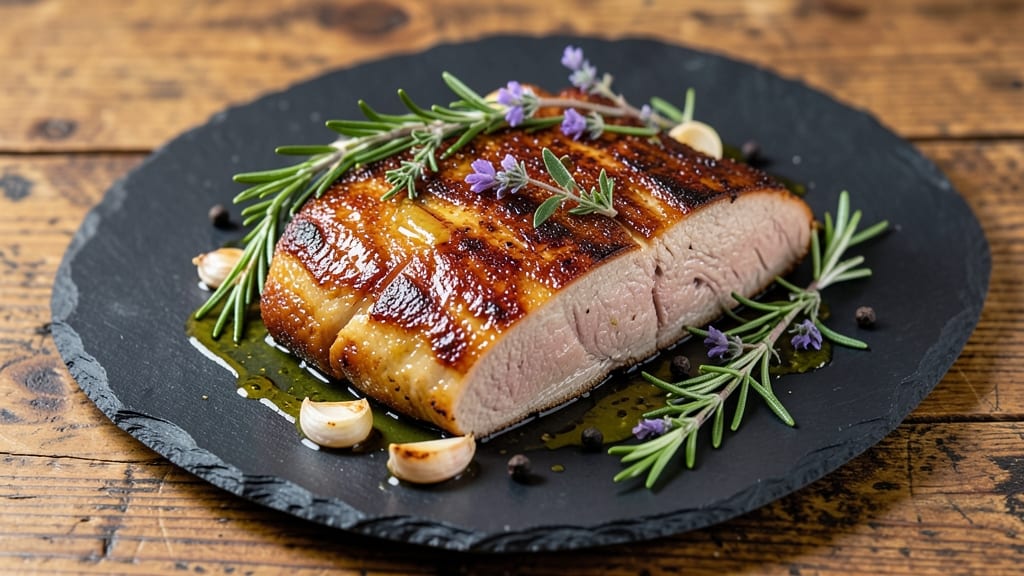
This brined pork loin recipe transforms tough cuts into melt-in-your-mouth perfection through a simple yet powerful herbal salt cure. 🔥 After years of perfecting this technique at The Smoky Pig—where we process 2,000 pounds of pork weekly—I can confidently say this method delivers restaurant-quality tenderness at home.
The secret lies in the brine: a precise balance of salt, herbs, and time that ensures every bite stays juicy and flavorful.
The process begins with a 24-hour brine that penetrates deep into the meat, breaking down fibers while infusing it with aromatic herbs like rosemary and thyme. Unlike dry brines, this wet cure guarantees consistent moisture distribution, eliminating the guesswork of overcooking.
When roasted to a 145°F internal temperature, the pork emerges with a golden crust and a center that's impossibly tender—no thermometer? Use the finger test: press gently; it should feel like the fleshy part of your palm, not a bone.
What sets this recipe apart is the herbal salt cure, which adds layers of flavor without overpowering the natural richness of the pork. The result is a dish that's elegant enough for dinner parties but simple enough for weeknight dinners.
Serve it sliced thick against a bed of roasted root vegetables or with a tangy apple-chipotle glaze for a showstopping main course.
This method works equally well for grilling or roasting, and the leftovers reheat beautifully for sandwiches or salads. Whether you're cooking for a crowd or treating yourself to a special meal, this foolproof technique ensures every bite delivers that unmatched tenderness we all crave.
Let's get started on creating pork so tender, it practically falls apart at the touch.
Ingredients for brined pork loin
The secret to restaurant-quality pork lies in these precise ingredients and their perfect balance.
| Ingredient | Amount | Notes |
|---|---|---|
| Center-Cut Pork Loin 🥩 | 2 lb | Bone-in preferred for even cooking |
| Diamond Crystal Kosher Salt 🧂 | ½ cup | Fine grain for even dissolution |
| Fresh Rosemary 🌿 | ¼ cup | Finely chopped stems included |
| Fresh Thyme Sprigs 🌿 | 10 whole | Leaves only, stems removed |
| Black Peppercorns 🌶️ | 1 tbsp | Freshly cracked for intensity |
| Garlic Cloves 🧄 | 6 cloves | Smashed lightly for aroma |
| Brown Sugar 🍯 | 2 tbsp | Light or dark preferred |
| White Wine 🍷 | ½ cup | Dry variety, chilled |
| Extra-Virgin Olive Oil 🫒 | 2 tbsp | For crust development |
| Fresh Parsley 🌿 | 0.1 cup | Chopped, for garnish |
| Apple Cider Vinegar 🍎 | 1 tbsp | For brine acidity |
The center-cut pork loin is non-negotiable—look for cuts with visible marbling for optimal tenderness. Whole Foods or your local butcher shop will have the best quality, but standard grocery stores carry it too. Costco often has large packs if you're feeding a crowd. Avoid pork with grayish hues or excessive fat; vibrant pink with slight marbling is ideal. The herbs should be fresh, with rosemary stems included for maximum flavor extraction during the brine. Penzeys or Trader Joe's carry excellent dried alternatives if fresh isn't available, though fresh herbs deliver superior aroma.
No white wine? Dry apple juice or sparkling water works equally well—just ensure it's chilled to maintain acidity balance. Fresh thyme is ideal, but dried thyme at one-third the amount suffices in a pinch (though texture differs). The kosher salt must be Diamond Crystal—Morton's has a coarser grain that dissolves unevenly. For garlic, pre-smashing the cloves ensures even flavor distribution. The brown sugar adds subtle caramelization during roasting, while the apple cider vinegar enhances the brine's penetration without overpowering the pork's natural taste. Olive oil should be extra-virgin for optimal crust development—regular olive oil lacks the fruity notes that elevate the final dish.
The brine mixture can be prepped 24 hours ahead and stored in the fridge—just add the pork when ready. Fresh herbs should be wrapped in damp paper towels and refrigerated for up to 5 days. The pork loin keeps raw in the brine for 24 hours maximum before cooking. Once roasted, it reheats beautifully for 3-4 days in the fridge or 3 months frozen. For leftovers, slice thickly and reheat gently in a skillet with a splash of white wine or apple cider vinegar to restore moisture. Portion into airtight containers for easy meal prep—this dish is perfect for lunches or sandwiches.
Why You'll Love This Recipe
- Saltwater Magic: I swear by the brining trick—just dissolve that kosher salt in cold water, let the pork loin soak for hours (or overnight if you’re planning ahead), and watch it stay juicy. No dry, sad meat here, just melt-in-your-mouth perfection with zero fuss.
- Herb-Packed Punch: Fresh rosemary and thyme tied around the loin? That’s not just decoration—it’s flavor infusion. The salt crust gives way to fragrant, aromatic meat that tastes like a fancy dinner, not a weeknight shortcut.
- Weeknight to Weekend: Same recipe works for Tuesday dinners or Sunday gatherings. Slice it thin for sandwiches, cube it for salads, or serve it whole with roasted veggies—it’s the one protein that does it all without extra effort.
- Budget-Friendly Luxury: Pork loin is affordable, and brining stretches every dollar. Plus, leftovers reheat beautifully—toss them into pasta, grain bowls, or even breakfast hash. Honestly, it’s the kind of meal that makes you feel like you’re eating well without breaking the bank.
Step-by-step instructions for brined pork loin with herbal salt cure
This method transforms tough pork into melt-in-your-mouth perfection through precise brining and herb-infused curing.
🥘 Step 1: Create the Herbal Salt Cure
In a food processor, pulse the 0.5 cup Diamond Crystal Kosher Salt, 0.25 cup Fresh Rosemary, 1 tbsp Black Peppercorns, 6 cloves Garlic Cloves, 2 tbsp Brown Sugar, and 1 tbsp Apple Cider Vinegar until finely ground but not pasty. The mixture should resemble coarse sand with visible herb flecks. Transfer to a bowl and stir in 2 tbsp Extra-Virgin Olive Oil until fully incorporated.
This salt cure does double duty—it seasons deeply while the vinegar and sugar help tenderize the meat. The rosemary and peppercorns infuse flavor throughout the pork, not just on the surface. Real talk: don't skip the oil—it creates a flavorful crust during roasting.
🥘 Step 2: Apply the Cure and Brine the Pork
Place the 2 lb Center-Cut Pork Loin in a large resealable plastic bag, removing any packaging. Pat it dry with paper towels—this ensures maximum surface contact with the cure. Spread the herbal salt mixture evenly over all sides, pressing it into the meat. Seal the bag and massage gently to distribute the cure completely.
Add 0.5 cup White Wine to the bag, then seal tightly, squeezing out excess air. Place the bag in a shallow dish to catch any leaks, then refrigerate for 24 hours. The wine's acidity helps break down muscle fibers while the salt draws moisture into the meat. Don't skip this step—it's what guarantees that fork-tender result.
🍳 Step 3: Rinse and Rest Before Cooking
After brining, remove the pork from the refrigerator and rinse it thoroughly under cold water to remove excess salt. Pat it dry again with paper towels—this critical step prevents steam from forming during roasting, which would make the skin soggy instead of crisp. Let the pork sit at room temperature for 30 minutes before cooking.
Here's the thing—rinsing might seem counterintuitive after brining, but it removes surface salt that would otherwise create a bitter crust. The 30-minute rest ensures even cooking from edge to center. I know it seems like too much prep, but trust me: this makes all the difference in texture and flavor.
🔥 Step 4: Roast to Perfect Medium-Rare
Preheat your oven to 325°F. Place the pork loin on a wire rack set over a rimmed baking sheet. Roast for 35-40 minutes for medium-rare (internal temperature 145°F), or until the meat reaches 155°F for medium. The bone-in cut helps regulate cooking temperature, preventing overcooking.
You'll know it's done when the internal temperature hits your target and the meat springs back slightly when pressed. For maximum juiciness, I pull it out when it's 5°F below the target temperature—it'll carry over to the perfect doneness. Don't cut into it yet; resting is crucial.
⏰ Step 5: Rest and Garnish for Maximum Impact
Transfer the pork to a cutting board and tent loosely with aluminum foil. Let it rest for 15-20 minutes—this allows juices to redistribute throughout the meat. The difference between resting and serving immediately is like night and day for tenderness.
While it rests, finely chop the 0.1 cup Fresh Parsley and sprinkle it over the pork before slicing. The parsley adds a bright finish that cuts through the richness. Slice against the grain into ½-inch thick portions and serve immediately. Each bite should be impossibly tender with a crisp exterior and aromatic herb notes throughout.
Pro Tips For Making Brined Pork Loin
- USE A 1:1 BRINE RATIO: The pork loin needs space to absorb flavor, not float like a boat. For a 2-inch-thick loin, mix 1 cup Diamond Crystal kosher salt with 1 quart water—no more, no less. I learned this the hard way when my first batch turned out bland because I skimped on the brine volume.
- TOSS DRY HERBS: Stuffing rosemary and thyme sprigs into slits looks fancy, but they’ll steam instead of crisp. Lightly crush the sprigs between your palms, then toss them with the peppercorns and salt before searing—this releases their oils and sticks them to the meat like a natural crust.
- SEAR HOT AND FAST: Low and slow ruins the crust. Get your pan screaming hot (medium-high to high) and sear the pork for 3–4 minutes per side until deep golden. After flipping, let it rest 5 minutes under foil—this keeps it juicy while the crust sets. (Yes, even if you’re impatient like me.)
- SALT THE BRINE LIGHTLY: Diamond Crystal is way saltier than table salt, and over-brining makes the meat mushy. For 1 quart water, 1 cup kosher salt is enough—taste it. If it’s too salty, dilute with a splash of cold water. Trust me, your pork won’t taste like the ocean.
Flavor customization for this recipe
Herb Swaps
While rosemary and thyme are my go-to herbs for this brine, don't hesitate to experiment. For a Mediterranean twist, swap in 1 tbsp dried oregano and ½ cup fresh parsley—the oregano adds earthy depth while parsley brightens the finish.
If you love garlic-forward flavors, add 4 extra smashed cloves and 1 tsp red pepper flakes for a spicy kick. 🌿
Sweet Heat Variations
Craving something sweeter? Replace the 2 tbsp brown sugar with 1 tbsp honey and 1 tsp smoked paprika for a caramelized crust with subtle smokiness. For heat lovers, add 1 tbsp gochujang (Korean chili paste) to the brine—it creates a sticky, spicy glaze when roasted.
I once used 1 tbsp maple syrup instead of sugar and was surprised by how well it balanced the salt.
Citrus Zest Infusions
Brighten the brine with zest from 1 lemon or orange (about 1 tbsp) and reduce the sugar to 1 tbsp. The citrus pairs beautifully with pork and adds a refreshing contrast to the rich meat.
For a tropical twist, add 1 tbsp grated ginger and ½ cup pineapple juice to the brine—it works surprisingly well with the herbal notes. 🍊
Spice Rub Alternatives
If you prefer a dry rub instead of wet brine, mix 2 tbsp kosher salt, 1 tbsp smoked paprika, 1 tsp ground coriander, and ½ tsp cayenne after rinsing the pork.
Pat it dry and apply the rub 30 minutes before roasting. For a charcoal finish, sprinkle 1 tsp activated charcoal powder (food-grade) over the rub—it adds a subtle smokiness without extra wood.
Wine Substitutions
No white wine? Use ½ cup dry apple cider or ½ cup sparkling water—both provide acidity without altering flavor. For a bold umami twist, replace the wine with ½ cup soy sauce (reduced by half) and 1 tbsp rice vinegar.
If you're avoiding alcohol entirely, ½ cup tomato juice works surprisingly well, though it adds a slight tang. 🍷
Finishing Touches
After roasting, elevate the dish with 1 tbsp balsamic glaze drizzled over the top or 2 tbsp whipped brown butter for richness. For a crunchy texture, top with toasted pine nuts or crumbled pancetta.
I love finishing with 1 tsp honey and a pinch of flaky sea salt—it adds a gourmet touch that feels restaurant-worthy. 💫
Nutrition facts
Frequently asked questions
How long can I brine the pork loin before cooking?
The ideal brining time is 24 hours for maximum tenderness. However, you can safely brine for up to 48 hours if needed, though flavor intensity may slightly decrease after 36 hours. Never exceed 48 hours—the pork could become overly salty or mushy.
Can I use a bone-in pork loin instead of boneless?
Bone-in pork loin actually works better for this recipe. The bone helps regulate cooking temperature, preventing overcooking while keeping the meat juicy. Just increase roasting time by 5-10 minutes to account for the bone's insulating effect.
What's the best way to check doneness without a meat thermometer?
Use the finger test: press the pork gently with your thumb. When it reaches medium-rare, the meat should feel like the fleshy part of your palm (not a bone). For medium, it should feel like the base of your thumb. Let it rest 15-20 minutes after removing from heat for accurate results.
Can I make this recipe in a slow cooker instead of oven?
Yes, but with adjustments. After brining, pat the pork dry and sear it in a skillet first. Then transfer to a slow cooker with ½ cup chicken broth> and cook on LOW for 6-8 hours until internal temp reaches 145°F. The texture will be more tender than roasted, but slightly less crisp on the outside.
Why did my brined pork loin turn out dry?
Most likely, you overcooked it or didn't rest properly. Always pull pork from 5°F below your target temp and rest 15-20 minutes before slicing. Using a meat thermometer is crucial—pork continues cooking after removal from heat. For extra moisture, try brining for 36 hours instead of 24.